
Heilige Helena — History & Facts
In Heilige Helena, the delicate beauty of the figure emerges from the canvas, inviting contemplation of both grace and vulnerability. This artwork speaks to the soul, resonating with the timeless allure of divine femininity. Look to the center of the composition where Saint Helena stands, draped in flowing robes that cascade around her like a gentle waterfall. Notice how Callot’s meticulous attention to detail captures the light, dancing softly across her garments and illuminating her serene expression.
The subdued color palette of warm earth tones and gentle pastels enhances the ethereal quality of the scene, drawing the eye to her poised figure while the surrounding space recedes into a subtle harmony. Beneath her tranquil façade lies an emotional tension — the dichotomy of sacred duty and personal sacrifice. The crown she holds suggests her royal lineage, yet her gaze is cast down, hinting at the weight of her faith. Small details, like the delicate folds of her clothing and the intricate pattern of the background, evoke a sense of movement and depth, reflecting the complexities of her character and the burdens she carries as a beloved saint. Jacques Callot painted Heilige Helena between 1608 and 1611, during a pivotal period in his artistic journey.
Living in the vibrant cultural milieu of Lorraine, he was influenced by the Baroque style while simultaneously carving out his unique voice. This era saw a growing interest in religious themes and an exploration of new techniques, allowing Callot to infuse his work with both emotional depth and exquisite craftsmanship.
More Artworks by Jacques Callot
Browse all →
Titelprent voor de prentreeks 'De kleine apostelen' (Het martelaarschap van de apostelen)
Jacques Callot
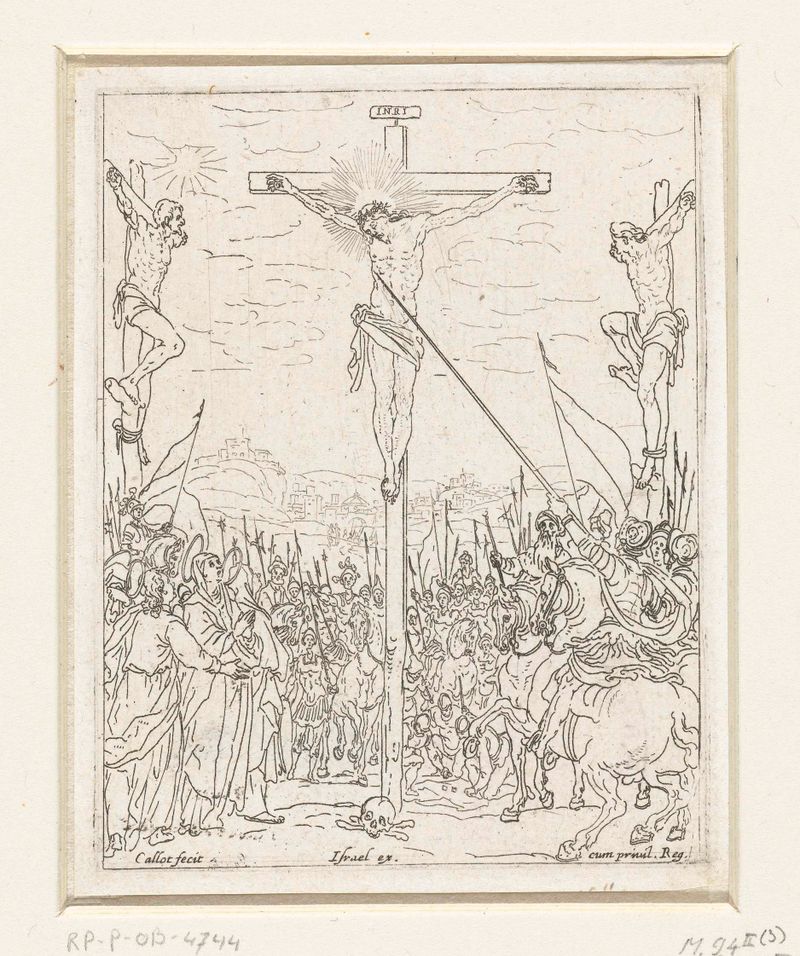
Kruisiging
Jacques Callot

De doortocht door de Rode Zee
Jacques Callot

De verloren zoon als zwijnenhoeder
Jacques Callot

Annunciatie
Jacques Callot
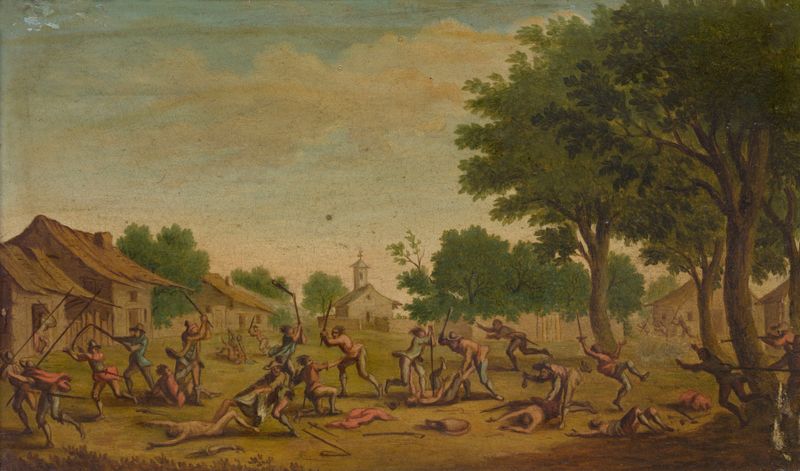
Village Fight
Jacques Callot

Titelprent voor prentreeks 'Het leven van Maria'
Jacques Callot
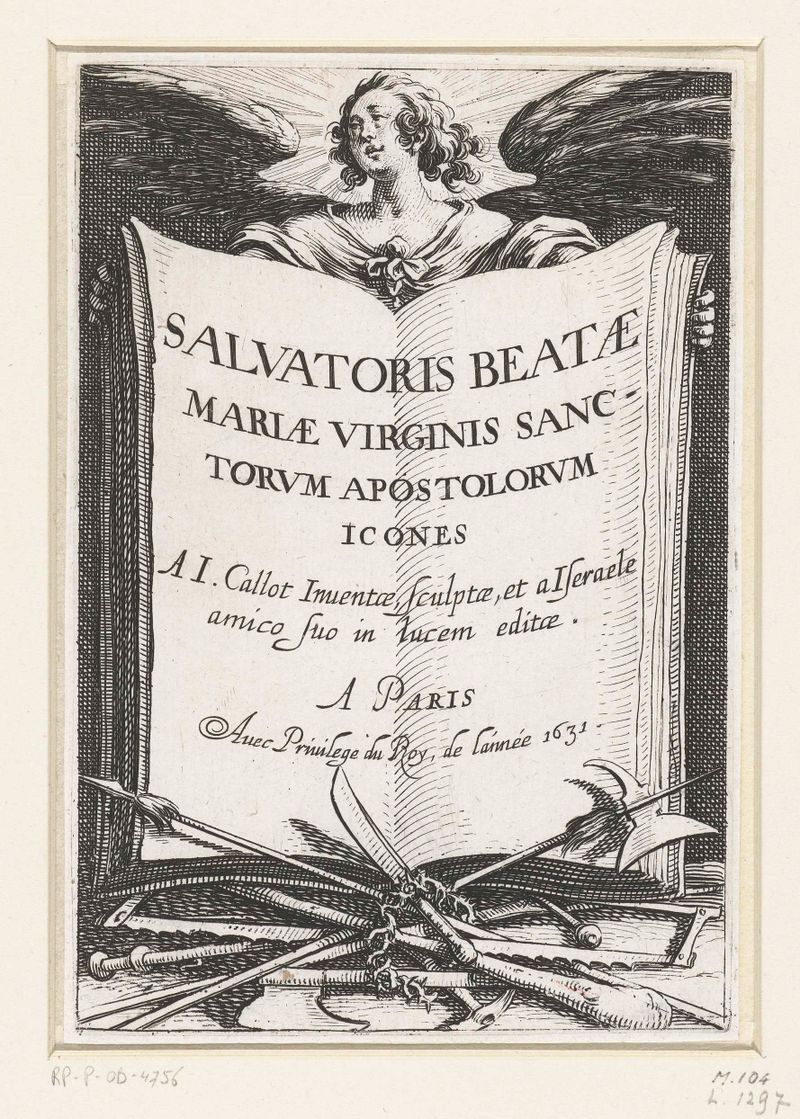
Titelprent voor de prentreeks 'De grote apostelen' (Christus, Maria en de apostelen)
Jacques Callot

Christus aan het volk getoond (Ecce homo)
Jacques Callot
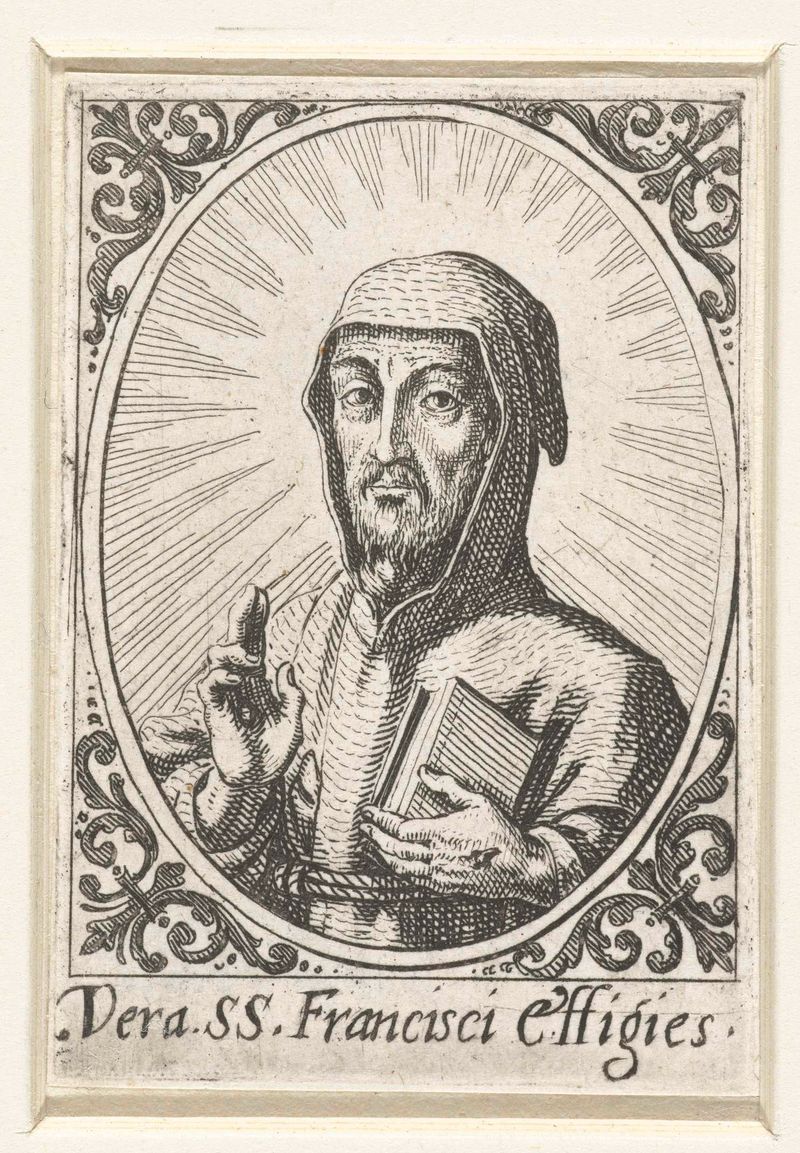
Portret van de Heilige Franciscus
Jacques Callot
More Religious Art
Browse all →
The Return of the Prodigal Son
Rembrandt van Rijn

The Garden of Earthly Delights
El Bosco

Count Orgaz’ funeral
El Greco

The Hundred Guilder Print: the central piece with Christ preaching, the plate arched
Rembrandt van Rijn

The Descent from the Cross
Rogier van der Weyden

The return of the prodigal son
Rembrandt van Rijn