
Heilige Livarius — History & Facts
Could a single brushstroke hold eternity? In Heilige Livarius, beauty transcends the limits of time and space, revealing a moment where reverence and artistry collide. Look closely at the delicate contours of Saint Livarius, the way the light wraps around his serene face, illuminating the gentle folds of his garments. Focus on the intricate details Callot has woven into the background, where subtle textures create a sense of depth, inviting the viewer to step into this sacred realm. The muted palette of earth tones complements the divine aura surrounding the figure, while the ethereal quality of the brushwork captures the essence of tranquility. As you explore the composition, consider the emotional tension between the saint and his surroundings.
The juxtaposition of soft lines against sharp shadows evokes a sense of spiritual elevation, while the figure's stillness contrasts with the dynamic movement implied by the drapery. Here lies a contemplation on faith—how beauty can serve as a vessel for divine connection, stirring a longing for something greater. Jacques Callot painted Heilige Livarius in 1624 during a period marked by religious fervor and artistic innovation in France. He was living in Nancy, where the influences of the Baroque style began to permeate his work.
At the time, artists were exploring new techniques, and Callot’s meticulous attention to detail and expressive forms would soon establish him as a master of printmaking, illuminating the beauty inherent in both the sacred and the everyday.
More Artworks by Jacques Callot
Browse all →
Titelprent voor de prentreeks 'De kleine apostelen' (Het martelaarschap van de apostelen)
Jacques Callot
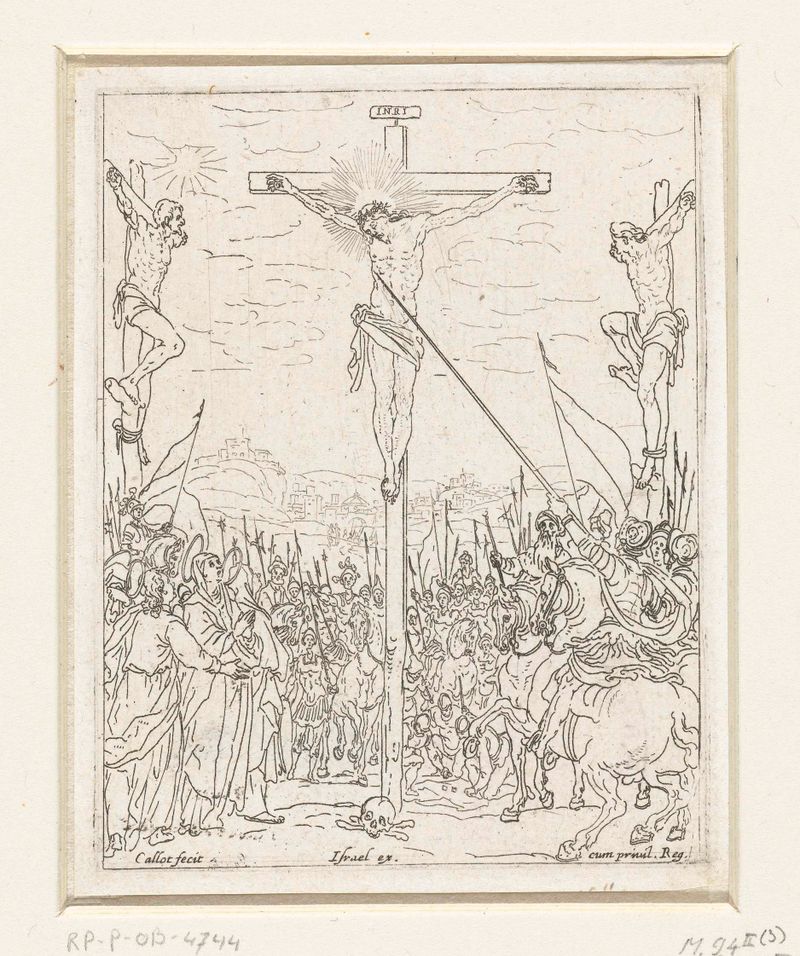
Kruisiging
Jacques Callot

De doortocht door de Rode Zee
Jacques Callot

De verloren zoon als zwijnenhoeder
Jacques Callot

Annunciatie
Jacques Callot
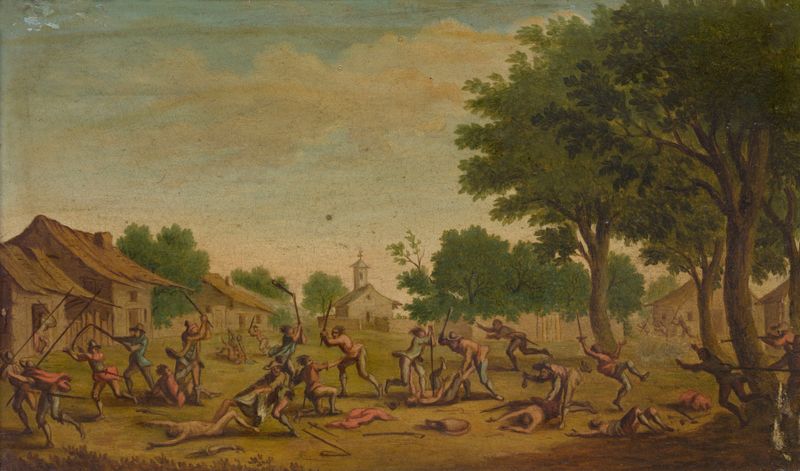
Village Fight
Jacques Callot

Titelprent voor prentreeks 'Het leven van Maria'
Jacques Callot
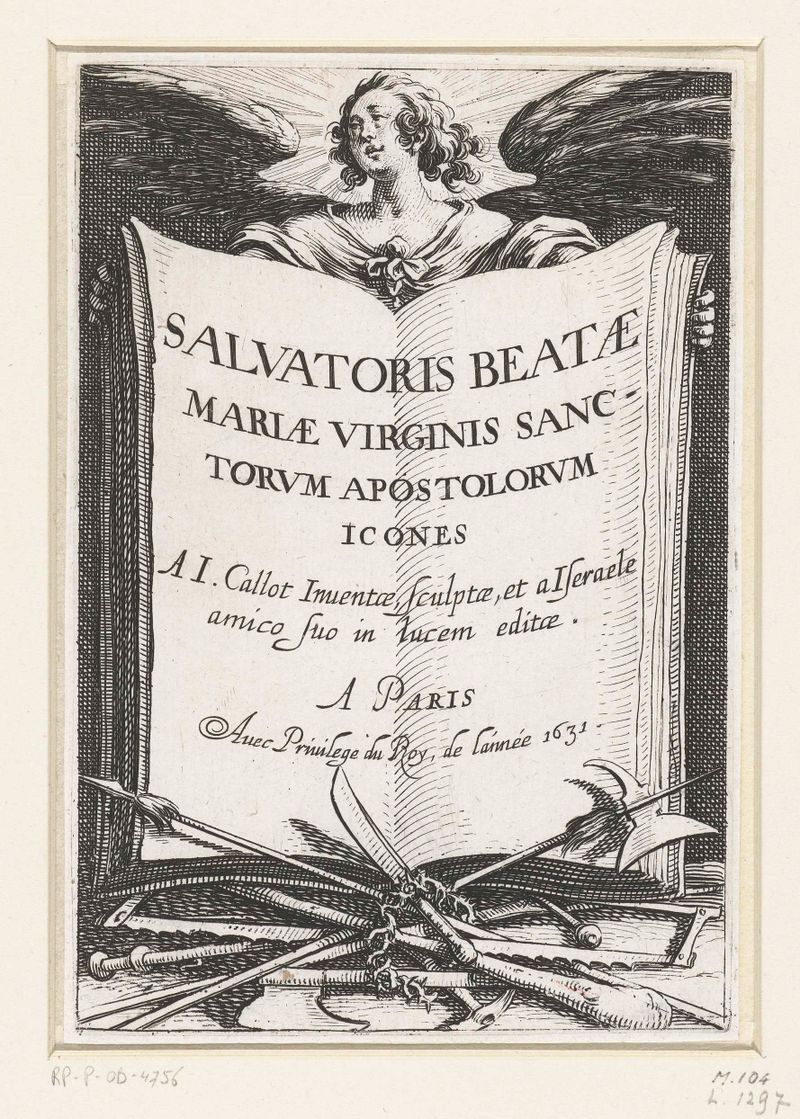
Titelprent voor de prentreeks 'De grote apostelen' (Christus, Maria en de apostelen)
Jacques Callot

Christus aan het volk getoond (Ecce homo)
Jacques Callot
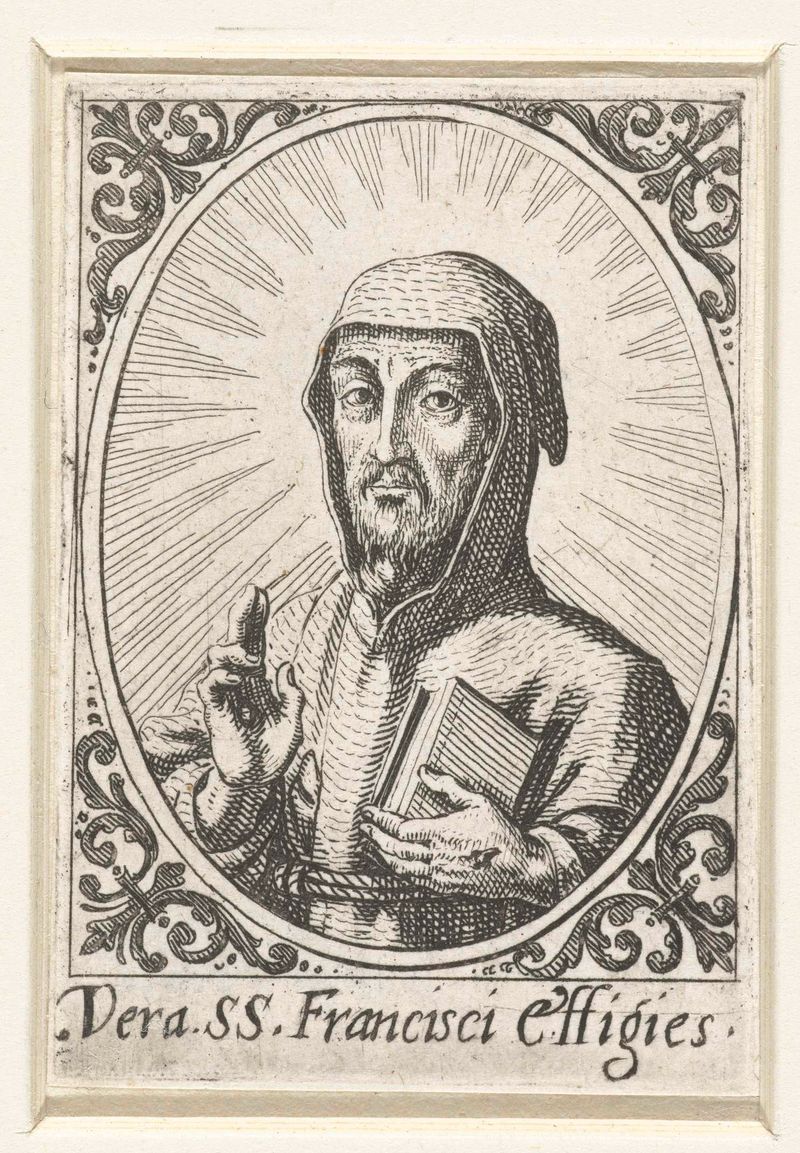
Portret van de Heilige Franciscus
Jacques Callot
More Religious Art
Browse all →
The Return of the Prodigal Son
Rembrandt van Rijn

The Garden of Earthly Delights
El Bosco

Count Orgaz’ funeral
El Greco

The Hundred Guilder Print: the central piece with Christ preaching, the plate arched
Rembrandt van Rijn

The Descent from the Cross
Rogier van der Weyden

The return of the prodigal son
Rembrandt van Rijn