
Heilige Paulus — History & Facts
In Heilige Paulus, the complexity of rebirth resonates through a delicate balance of agony and grace. This artwork encapsulates the duality of suffering and hope, inviting reflection on the transformative power of faith. Focus first on the figure at the center, the vibrant Saint Paul, draped in rich hues that contrast with the muted earth tones surrounding him. Notice how the light cascades onto his face, illuminating a sense of enlightenment and resilience.
The artist skillfully employs dynamic lines and intricate textures, creating a sense of movement that pulls the viewer’s eye across the composition. The elaborate details in the drapery enhance the emotional weight, while the gold accents suggest a divine aura that frames his profound journey. Beneath the surface, symbols of rebirth emerge from the layers of paint. The positioning of Saint Paul’s hands, both open and inviting, speaks to the possibility of new beginnings, while the shadows cast by the surrounding elements hint at the darkness that often accompanies transformation.
In the background, subtle figures appear to either shadow or support the saint, representing the community’s role in an individual’s resurrection from despair to enlightenment. Jacques Callot created Heilige Paulus between 1611 and 1622, during a transformative period in his career while in Italy. This was a time marked by the Baroque movement, characterized by emotional intensity and dramatic contrasts. Living amidst the shifting tides of religious fervor and artistic innovation, Callot tapped into the deep spiritual currents of his time, infusing his work with both personal and universal significance.
More Artworks by Jacques Callot
Browse all →
Titelprent voor de prentreeks 'De kleine apostelen' (Het martelaarschap van de apostelen)
Jacques Callot
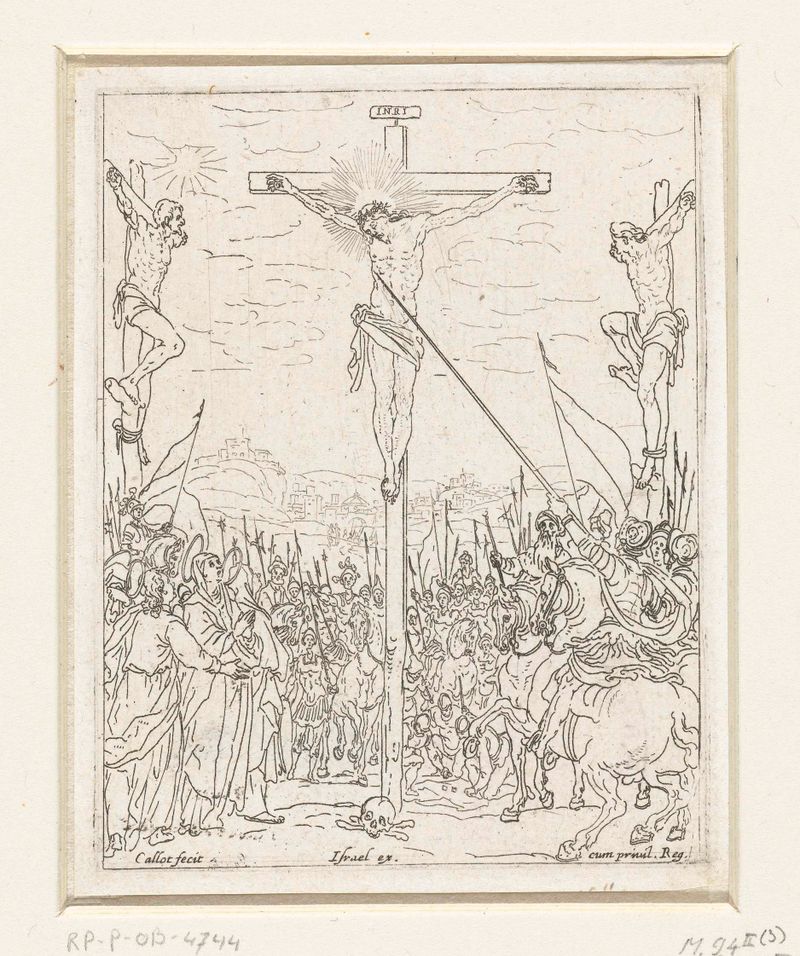
Kruisiging
Jacques Callot

De doortocht door de Rode Zee
Jacques Callot

De verloren zoon als zwijnenhoeder
Jacques Callot

Annunciatie
Jacques Callot
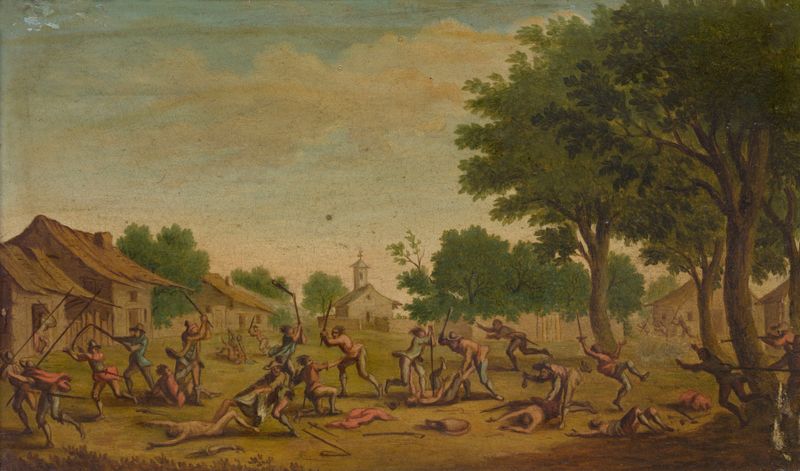
Village Fight
Jacques Callot

Titelprent voor prentreeks 'Het leven van Maria'
Jacques Callot
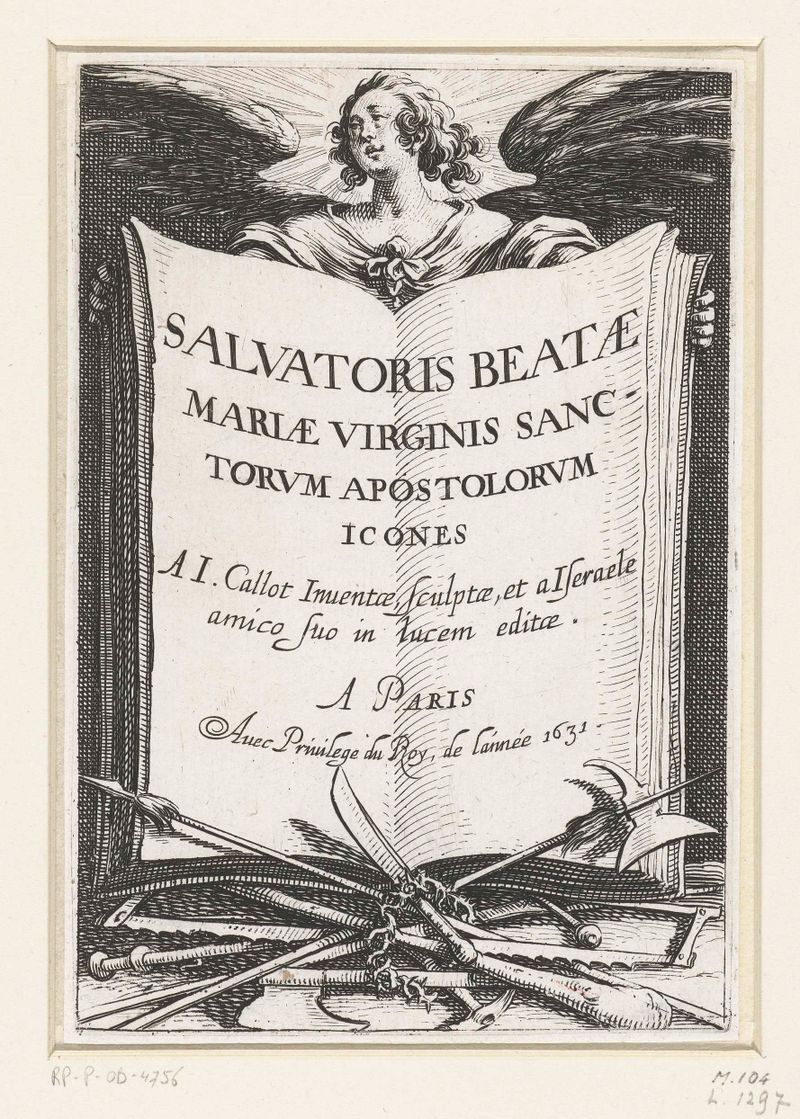
Titelprent voor de prentreeks 'De grote apostelen' (Christus, Maria en de apostelen)
Jacques Callot

Christus aan het volk getoond (Ecce homo)
Jacques Callot
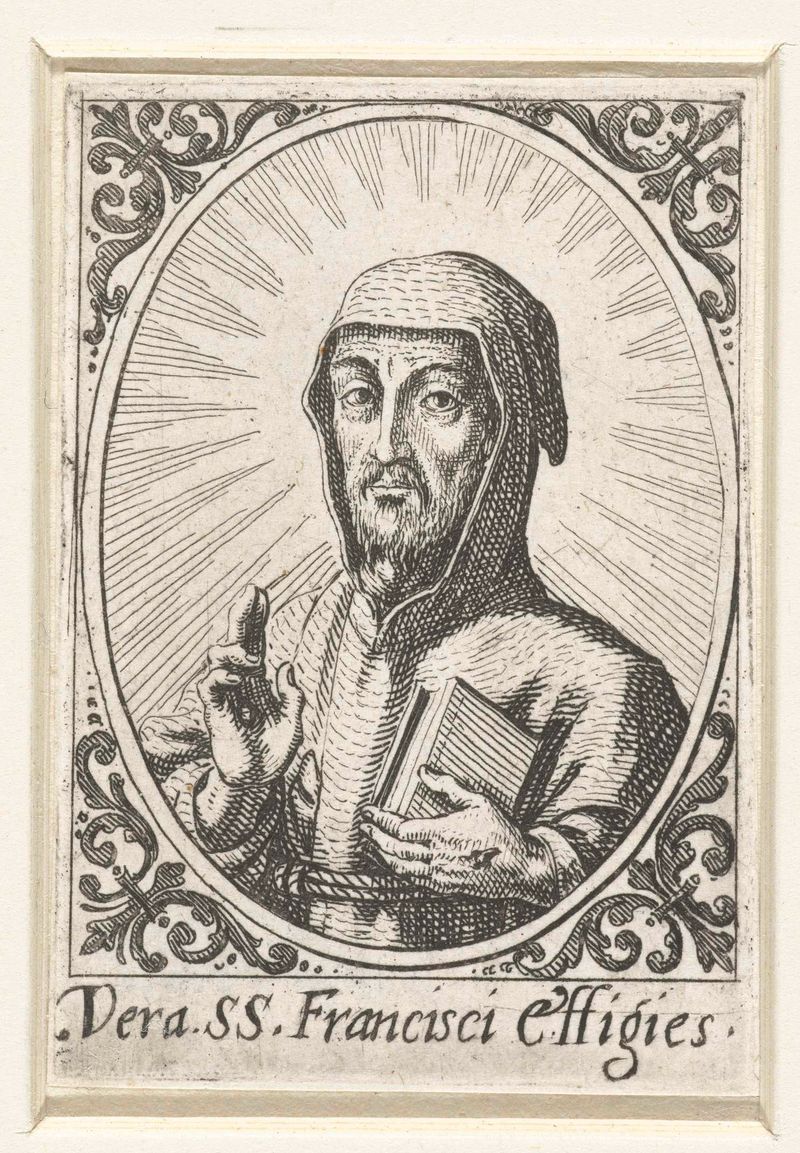
Portret van de Heilige Franciscus
Jacques Callot
More Religious Art
Browse all →
The Return of the Prodigal Son
Rembrandt van Rijn

The Garden of Earthly Delights
El Bosco

Count Orgaz’ funeral
El Greco

The Hundred Guilder Print: the central piece with Christ preaching, the plate arched
Rembrandt van Rijn

The Descent from the Cross
Rogier van der Weyden

The return of the prodigal son
Rembrandt van Rijn