
Heilige Paulus — History & Facts
Can beauty exist without sorrow? In Heilige Paulus, Jacques Callot extends an invitation to contemplate the delicate interplay between hope and despair, enshrined in a moment that defies time. Look to the left, where the figure of Saint Paul stands resolute, bathed in a soft, divine light. The chiaroscuro technique masterfully delineates the folds of his robe, enabling the viewer to trace every intricate line and shadow that describes his form. Notice how the surrounding figures, ethereal in their essence, lean towards him, illuminated by the same heavenly glow, as if drawn by an unbreakable bond of faith and reverence.
The muted, earthy tones juxtaposed against the bright highlights evoke a sense of both solemnity and aspiration. Delve deeper, and you'll uncover the emotional tensions woven into the composition. The gentle expressions on the faces surrounding Saint Paul speak of yearning and devotion, yet there's an undercurrent of vulnerability. The positioning of the hands, some raised in supplication while others grasp the fabric of their garments, suggests a struggle against despair, hinting at an intense longing for salvation.
This dialogue of gestures encapsulates the struggle that accompanies hope, reminding us that beauty often coexists with sorrow. Created in 1631, this work emerged during a tumultuous period for Callot, who was deeply influenced by the Baroque movement's exploration of emotion and spirituality. Painting in Nancy, he was at the forefront of capturing human experience, reflecting both local and broader European challenges. In this context, Heilige Paulus serves as a poignant testament to the enduring power of faith amidst the vicissitudes of life and the ever-present search for beauty in darkness.
More Artworks by Jacques Callot
Browse all →
Titelprent voor de prentreeks 'De kleine apostelen' (Het martelaarschap van de apostelen)
Jacques Callot
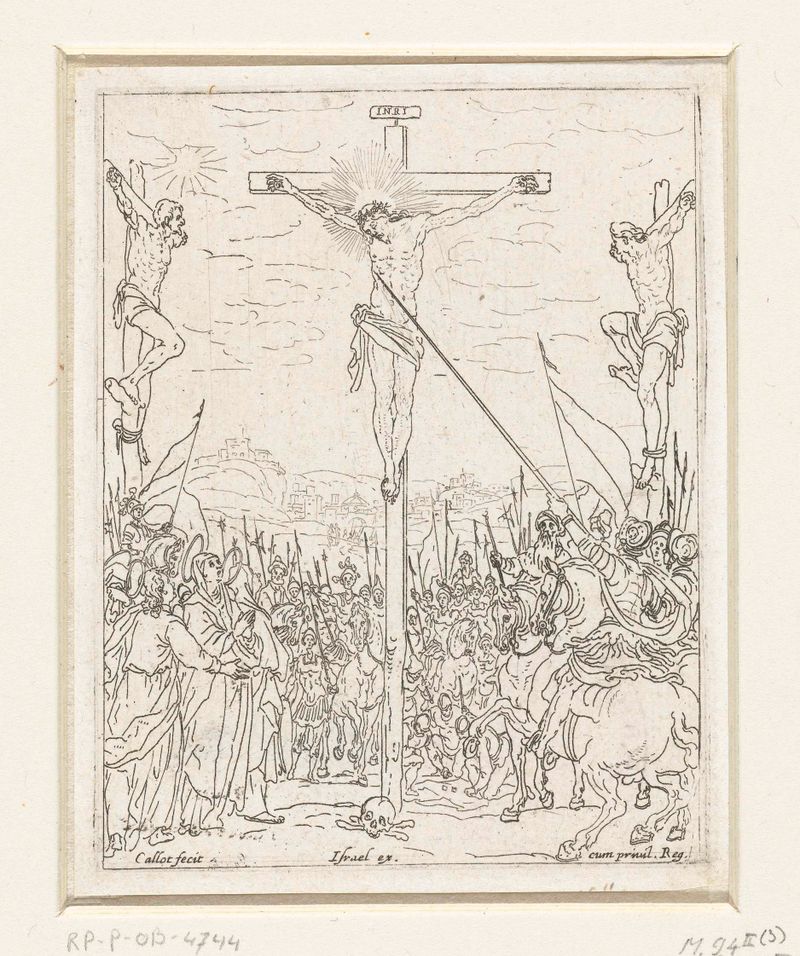
Kruisiging
Jacques Callot

De doortocht door de Rode Zee
Jacques Callot

De verloren zoon als zwijnenhoeder
Jacques Callot

Annunciatie
Jacques Callot
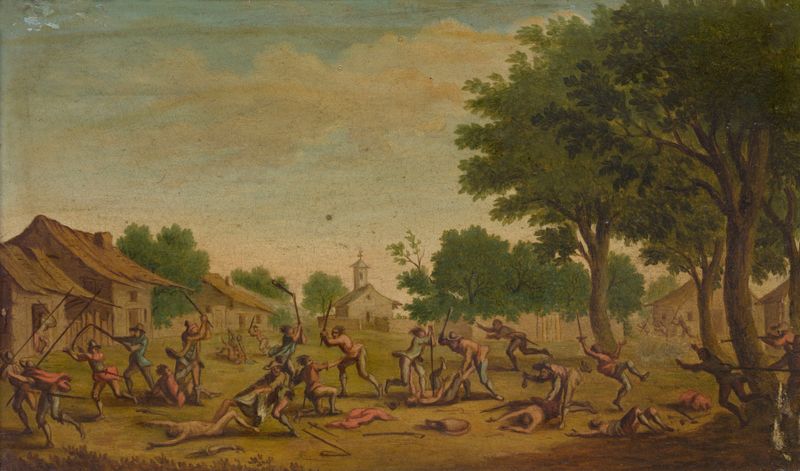
Village Fight
Jacques Callot

Titelprent voor prentreeks 'Het leven van Maria'
Jacques Callot
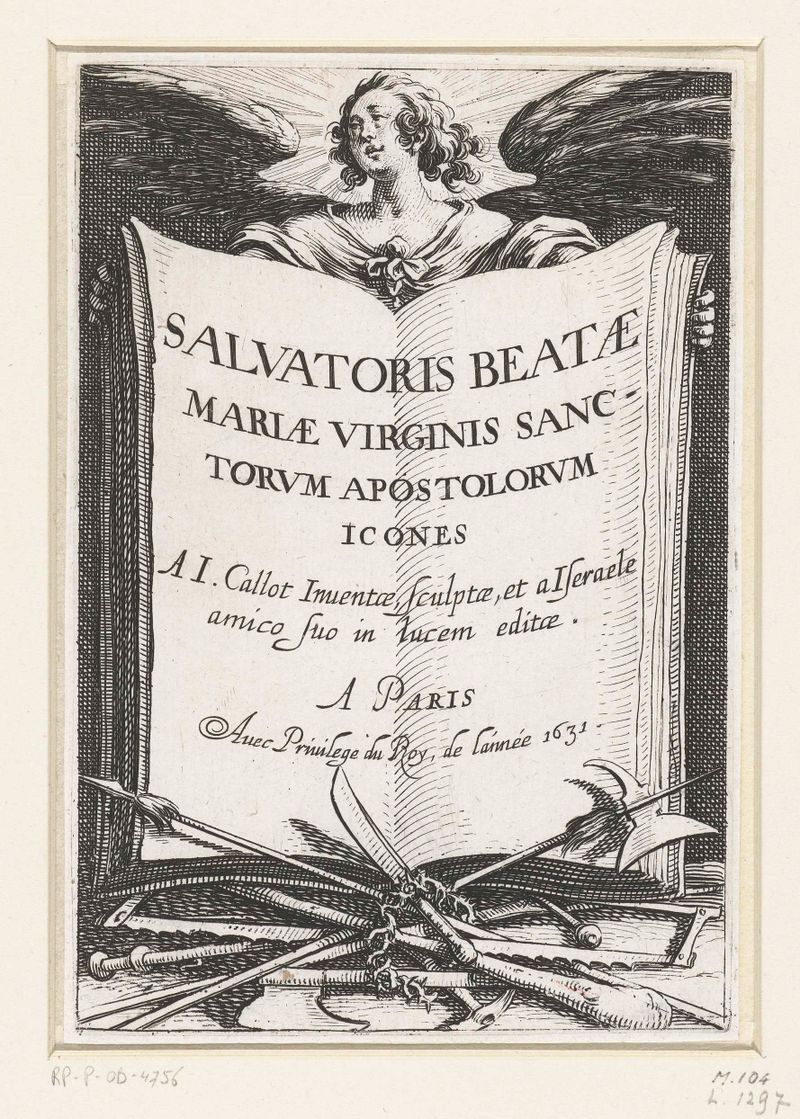
Titelprent voor de prentreeks 'De grote apostelen' (Christus, Maria en de apostelen)
Jacques Callot

Christus aan het volk getoond (Ecce homo)
Jacques Callot
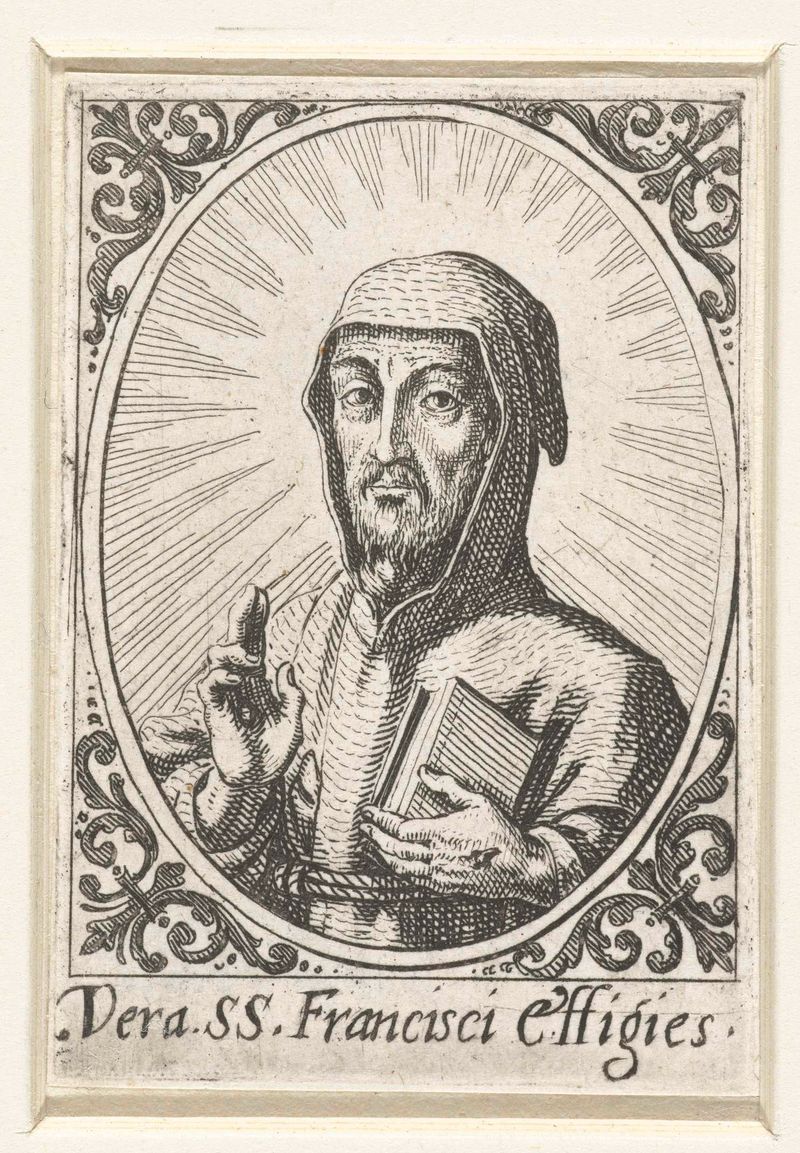
Portret van de Heilige Franciscus
Jacques Callot
More Religious Art
Browse all →
The Return of the Prodigal Son
Rembrandt van Rijn

The Garden of Earthly Delights
El Bosco

Count Orgaz’ funeral
El Greco

The Hundred Guilder Print: the central piece with Christ preaching, the plate arched
Rembrandt van Rijn

The Descent from the Cross
Rogier van der Weyden

The return of the prodigal son
Rembrandt van Rijn