
Heilige Paulus — History & Facts
Can paint confess what words never could? In Heilige Paulus, Jacques Callot captures a moment suspended between chaos and divine revelation, where silence speaks louder than the tumult around it. Look to the center, where a solemn figure of Saint Paul stands, his gaze steady, exuding an aura of contemplation amidst the fray. The swirling lines of the surrounding figures, rendered in muted earth tones, contrast sharply with his luminous countenance, which draws the viewer deeper into the scene. Notice how the light cascades subtly across his robes, illuminating the folds and textures, while shadows dance around the chaotic assembly, highlighting the tension between stillness and movement. The painting is alive with contrasts; the disarray around Saint Paul embodies the chaos of the human condition, while his poised demeanor represents spiritual fortitude.
Each figure encircling him seems caught in a frenzy of emotion, yet their expressions range from despair to enlightenment, suggesting a deeper narrative about the struggle for faith and understanding. This duality invites reflection on the complexity of belief amidst life's turbulence, urging viewers to consider their own spiritual journeys. Jacques Callot created this work between 1608 and 1611, a period marked by his exploration of religious themes during a tumultuous era in Europe, with the Thirty Years' War looming. Working in Nancy, France, Callot was influenced by the Baroque style and the intricate details of printmaking.
His innovative approach to narrative and emotion in art would lay the groundwork for future movements, capturing the essence of human experience through the lens of chaos and clarity.
More Artworks by Jacques Callot
Browse all →
Titelprent voor de prentreeks 'De kleine apostelen' (Het martelaarschap van de apostelen)
Jacques Callot
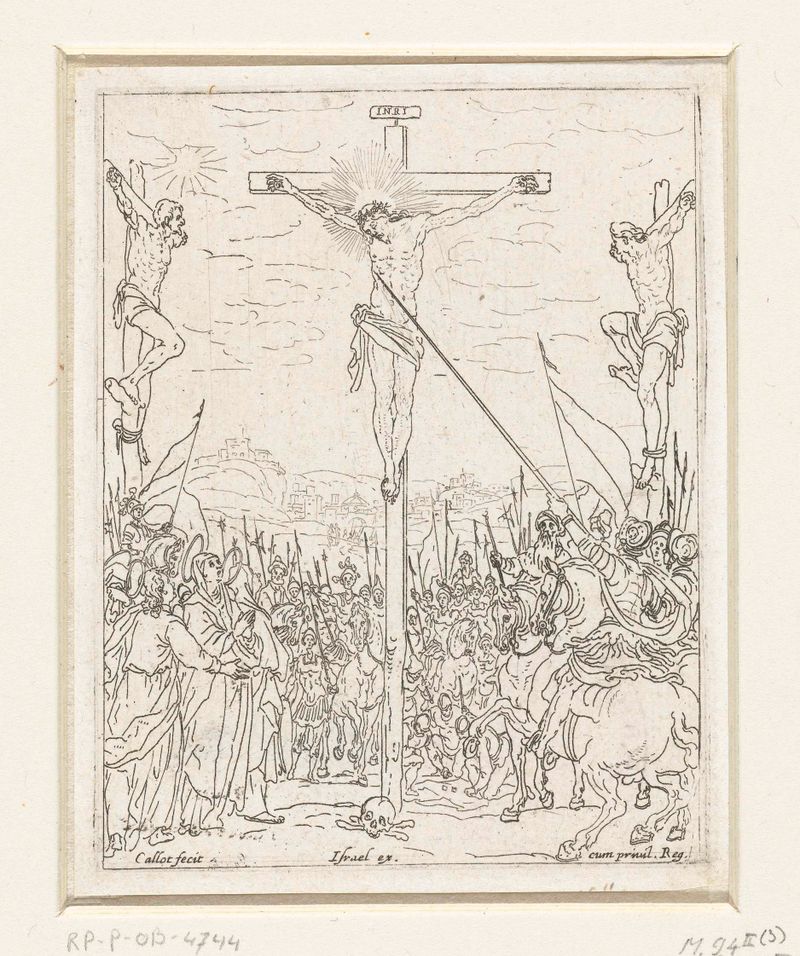
Kruisiging
Jacques Callot

De doortocht door de Rode Zee
Jacques Callot

De verloren zoon als zwijnenhoeder
Jacques Callot

Annunciatie
Jacques Callot
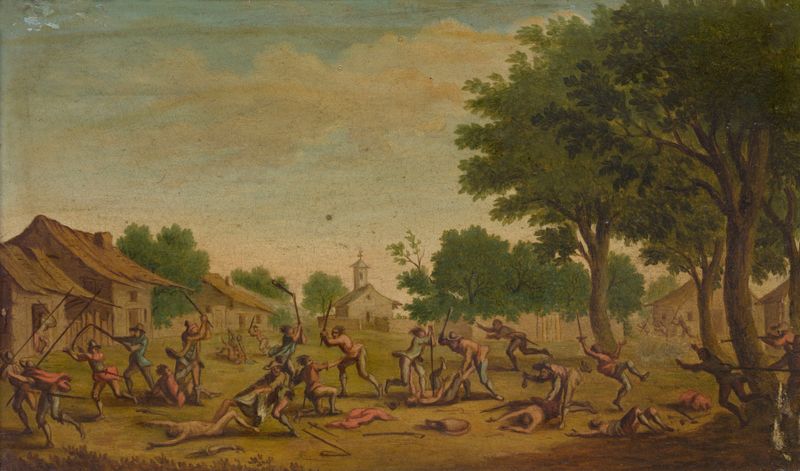
Village Fight
Jacques Callot

Titelprent voor prentreeks 'Het leven van Maria'
Jacques Callot
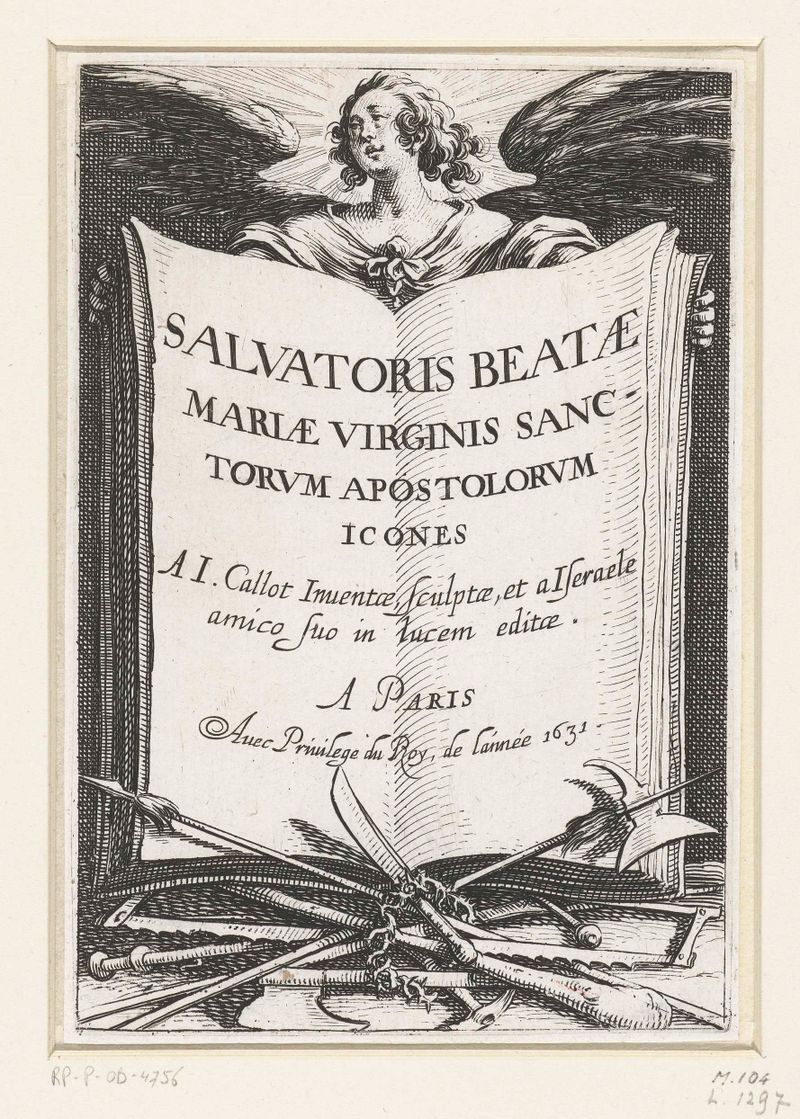
Titelprent voor de prentreeks 'De grote apostelen' (Christus, Maria en de apostelen)
Jacques Callot

Christus aan het volk getoond (Ecce homo)
Jacques Callot
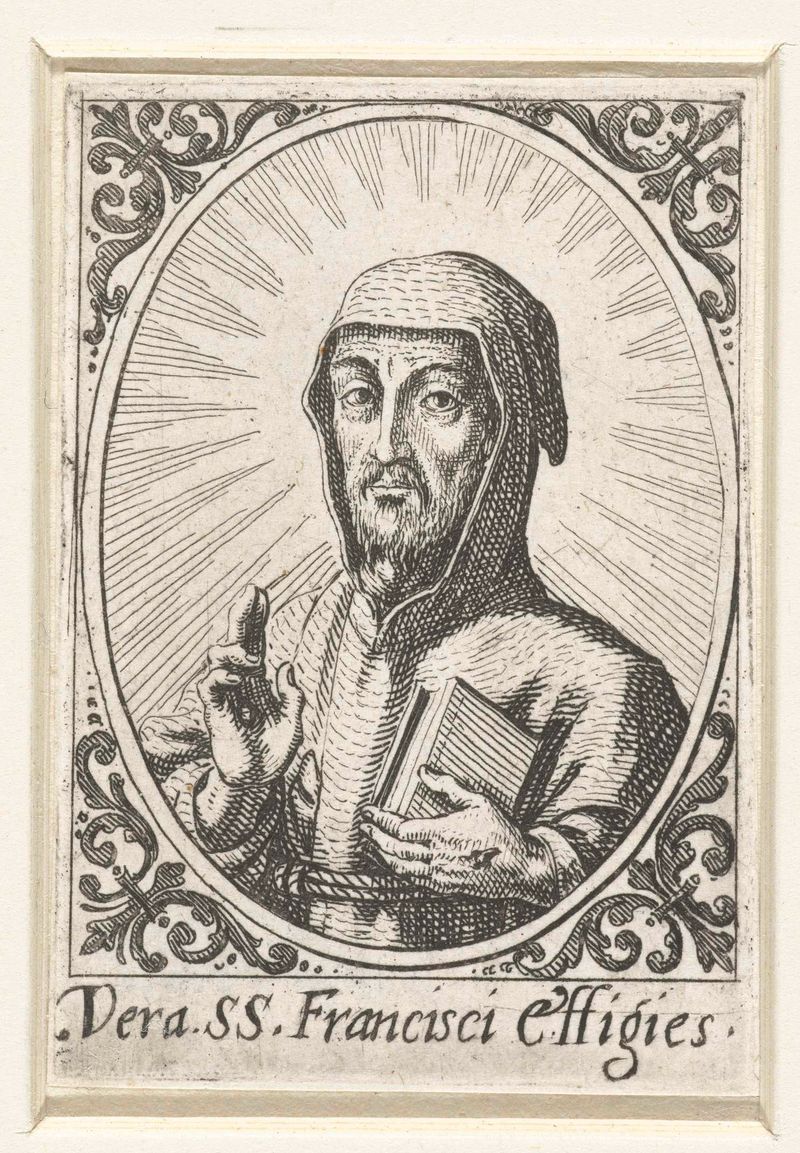
Portret van de Heilige Franciscus
Jacques Callot
More Religious Art
Browse all →
The Return of the Prodigal Son
Rembrandt van Rijn

The Garden of Earthly Delights
El Bosco

Count Orgaz’ funeral
El Greco

The Hundred Guilder Print: the central piece with Christ preaching, the plate arched
Rembrandt van Rijn

The Descent from the Cross
Rogier van der Weyden

The return of the prodigal son
Rembrandt van Rijn