
Heldenplatz — History & Facts
Could beauty survive in a century of chaos? The question lingers like an unresolved chord, echoing through the intricate brushstrokes of Heldenplatz. Look to the center of the canvas, where a striking interplay of light and shadow creates a sense of depth and solemnity. The architectural grandeur of the Platz looms large, framed by figures that appear both vibrant and restless, their forms captured in a moment of tense anticipation. Notice how the muted earth tones contrast with the richer hues of the surrounding structures, offering a sense of weight and permanence against the fleeting nature of the human experience, as if the space itself holds stories of triumph and despair. Within this gathering, every figure is a portrait of emotional subtext.
Some faces express reverence, while others reflect uncertainty, hinting at the underlying tension of a society grappling with change. The empty void in the foreground amplifies the sense of absence—what is not there is as significant as what is present. The juxtaposition of the crowd's energy against the imposing architecture suggests a fragile balance, a moment suspended in time, where hope and despair coexist uneasily. Franz Alt painted Heldenplatz in 1882, during a period marked by social upheaval and the shifting political landscape in Vienna.
His work reflects the tension of this era, as the city sought to reconcile its imperial past with an uncertain future. The painting stands as a testament to the artist’s keen observation of his surroundings and the broader currents of change influencing art and society at that time.
More Artworks by Franz Alt
Browse all →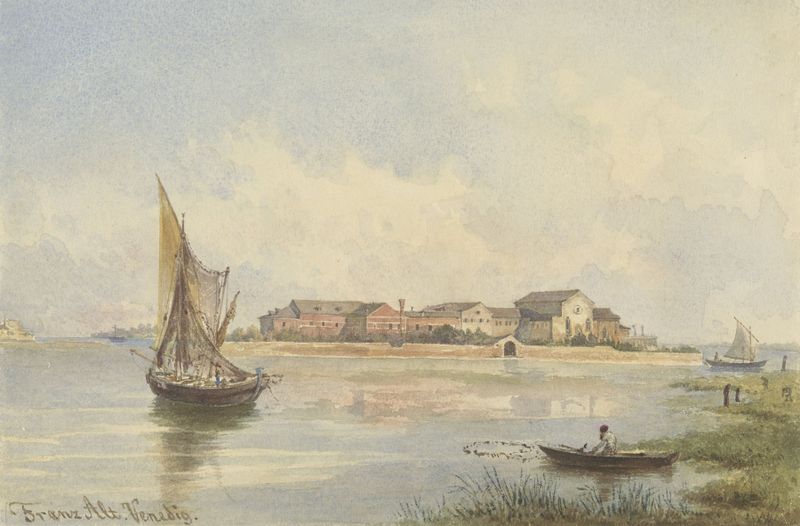
Gezicht op de Lagune te Venetië
Franz Alt
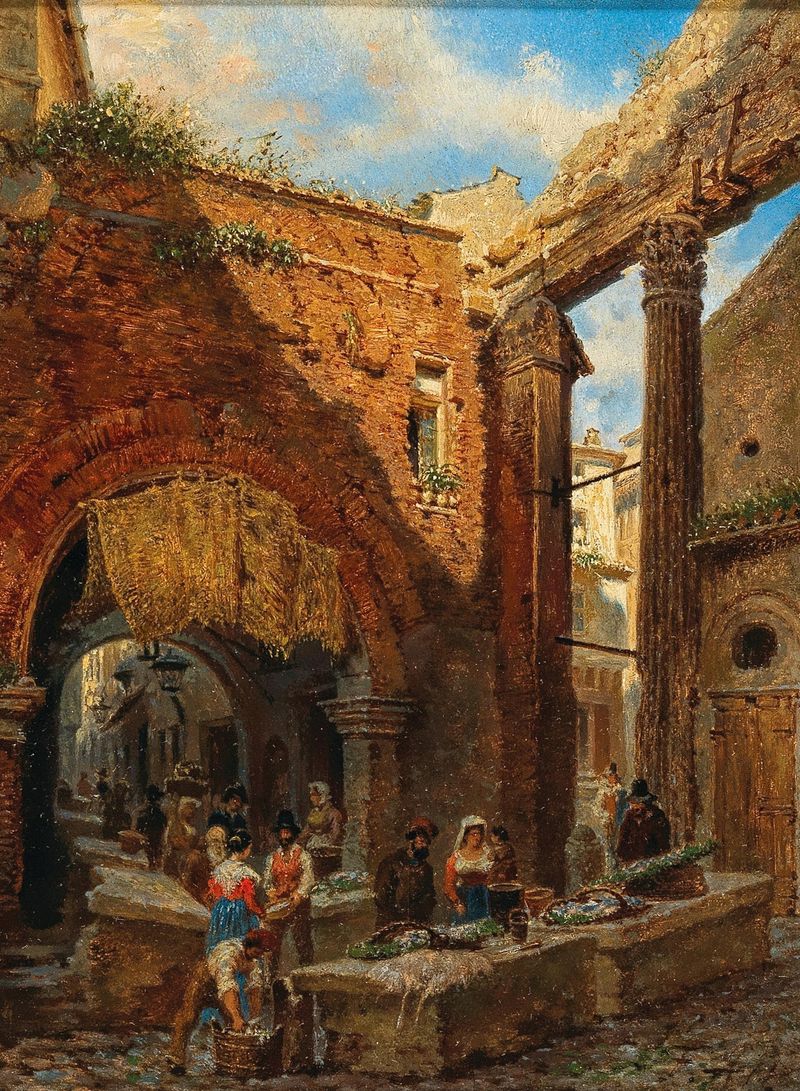
Rom Portico di Ottavia mit dem alten Fischmarkt
Franz Alt
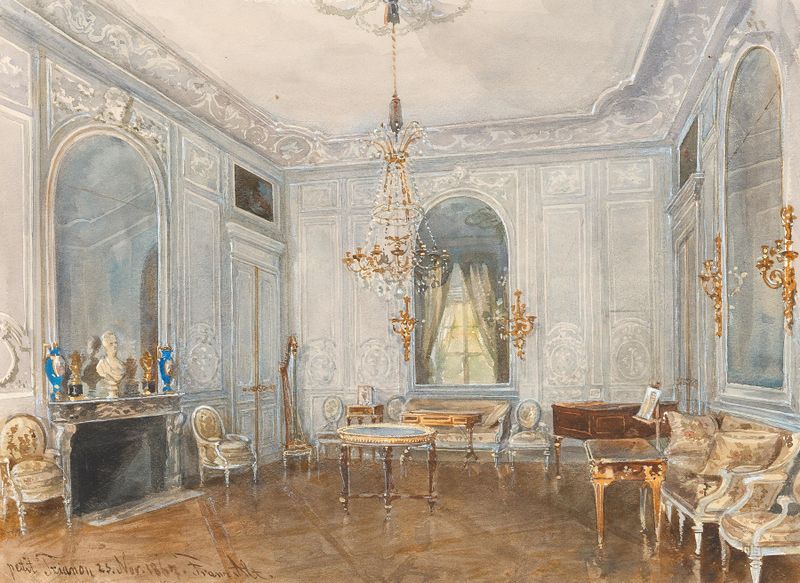
The dining room in the Petit Trianon, Versailles
Franz Alt

Blick in den Mailänder Dom
Franz Alt

Galerie d’Apollon in the Louvre, Paris
Franz Alt
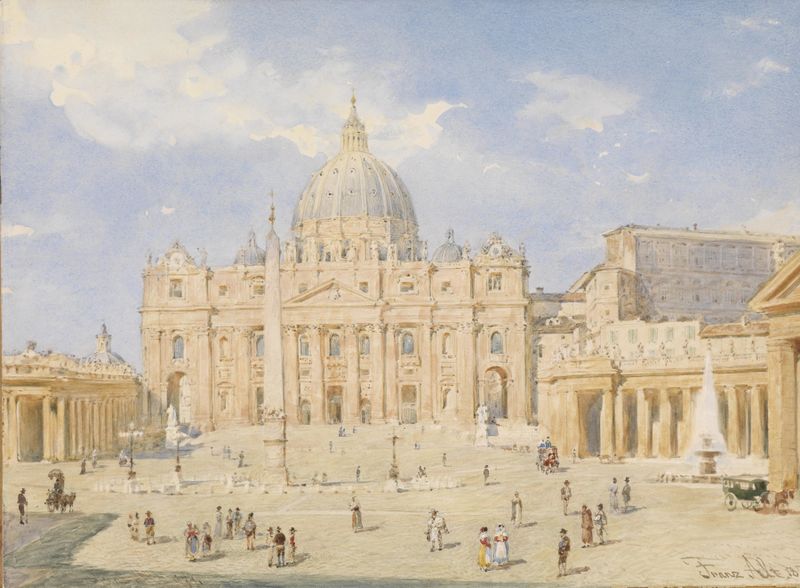
Petersplatz Rom
Franz Alt

Rome, a View of the Portico di Ottavia with the Old Fish Market
Franz Alt
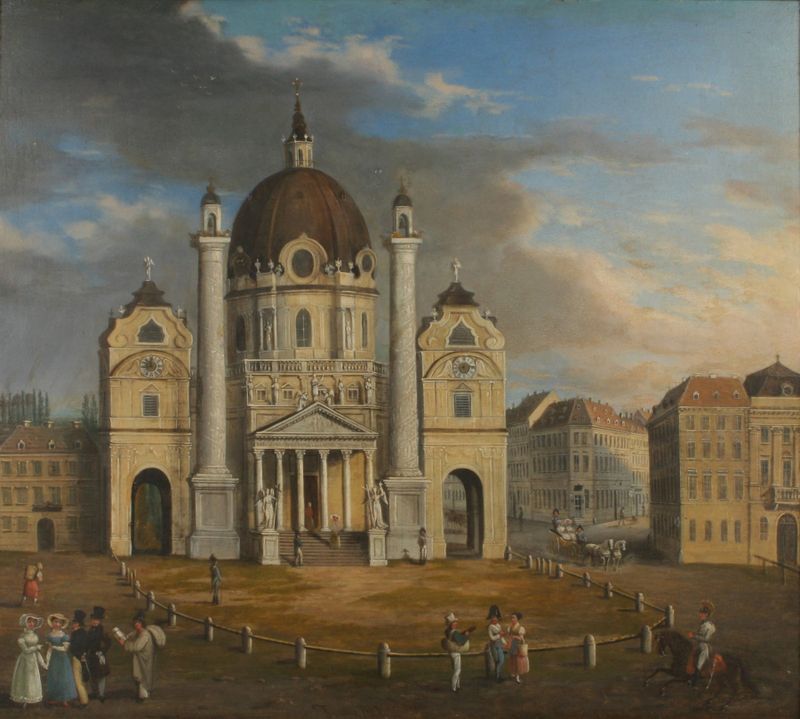
Blick auf die Karlskirche
Franz Alt

Dresden Stiege zur Brühlschen Terrasse
Franz Alt
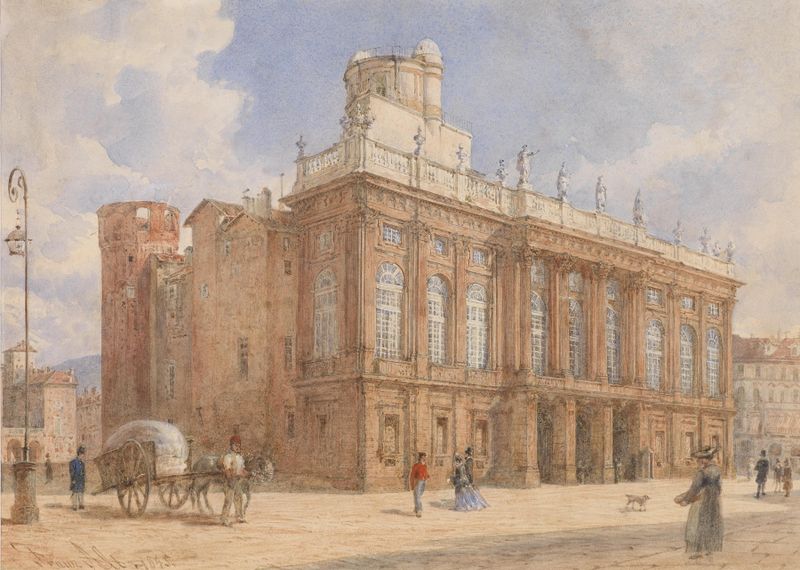
Castello Reale in Turin
Franz Alt
More Historical Art
Browse all →
The Night Watch Militia Company of District II under the Command of Captain Frans Banninck Cocq
Rembrandt van Rijn

Lincoln Memorial
Henry Bacon

The Third of May 1808
Francisco de Goya

Isaac and Rebecca, Known as ‘The Jewish Bride’
Rembrandt van Rijn

The Charge of the Mamelukes (1814)
Francisco de Goya

De vier ruiters van de apocalyps
Albrecht Dürer