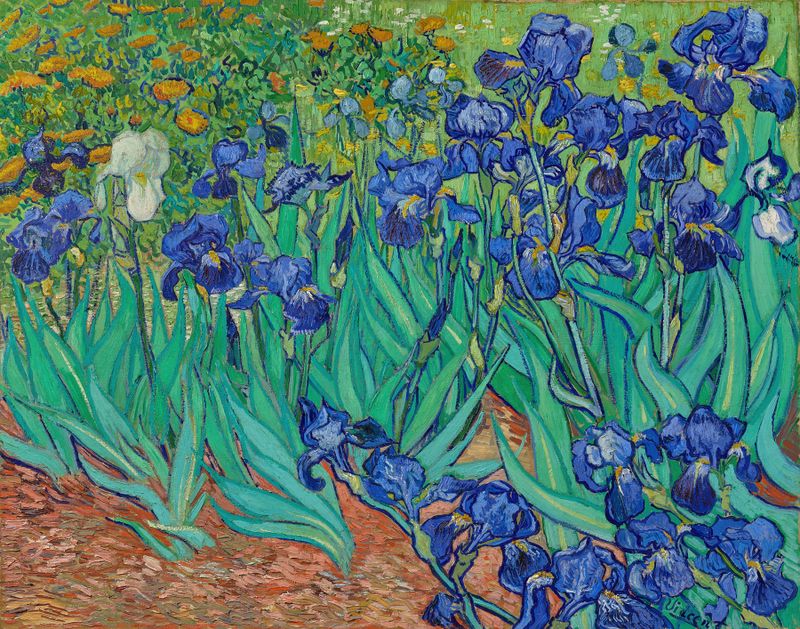
Heldenplatz mit Flieder — History & Facts
What if beauty was never meant to be finished? In the intricate brushstrokes of this canvas, a moment captured whispers of destinies entwined with nature and man, poised at the threshold of time. Look to the left at the robust lilac bushes, their blooms bursting with a purple vibrancy that draws the eye. Notice how the light dances over the petals, creating a halo effect that brings them alive, while the soft shadows linger beneath their leaves. The architecture of Heldenplatz stands resolute in the background, its stoic lines contrasting with the organic chaos of the blossoms.
The color palette, a harmonious blend of greens, purples, and muted earth tones, reveals a serene yet dynamic balance between the natural and the constructed. Beneath the surface, this work unfolds a story of tension between the ephemeral and the eternal. The lilac, often a symbol of first love and fleeting moments, speaks to the human experience, suggesting that beauty thrives in temporality. Meanwhile, the steadfastness of the plaza implies a deeper undercurrent of history and legacy, prompting viewers to ponder how moments of beauty intersect with the grand narratives of life, history, and destiny. In 1900, Carl Moll painted this piece during a period of artistic innovation in Vienna, where the secession movement challenged traditional forms and embraced modern aesthetics.
He was deeply immersed in the artistic community, exploring themes of identity and belonging, as Europe stood on the brink of monumental social and political change. This work encapsulates a pivotal moment in both Moll's life and the broader cultural landscape, inviting reflection on the delicate threads that weave beauty into the fabric of existence.
More Artworks by Carl Moll
Browse all →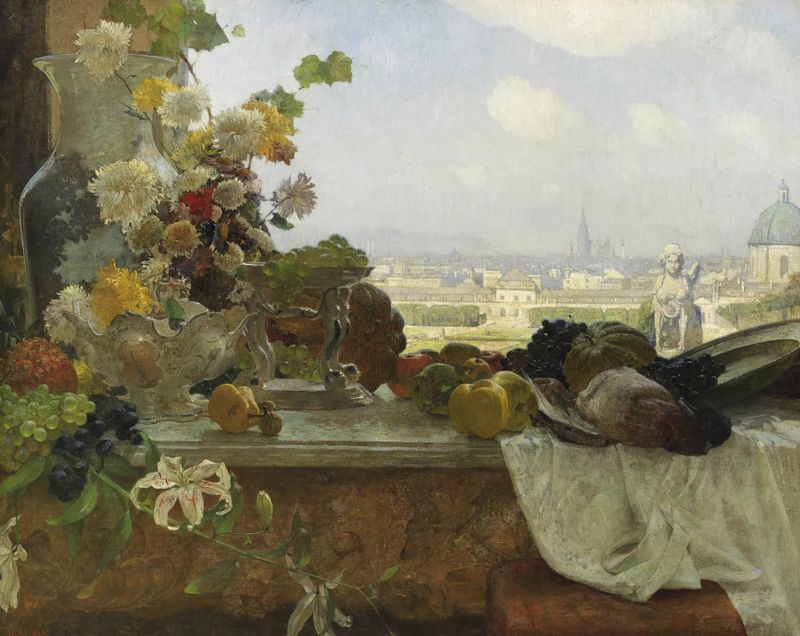
Blick vom Belvedere auf die Innere Stadt
Carl Moll

Garten in Döbling (Garden in Döbling, Vienna)
Carl Moll
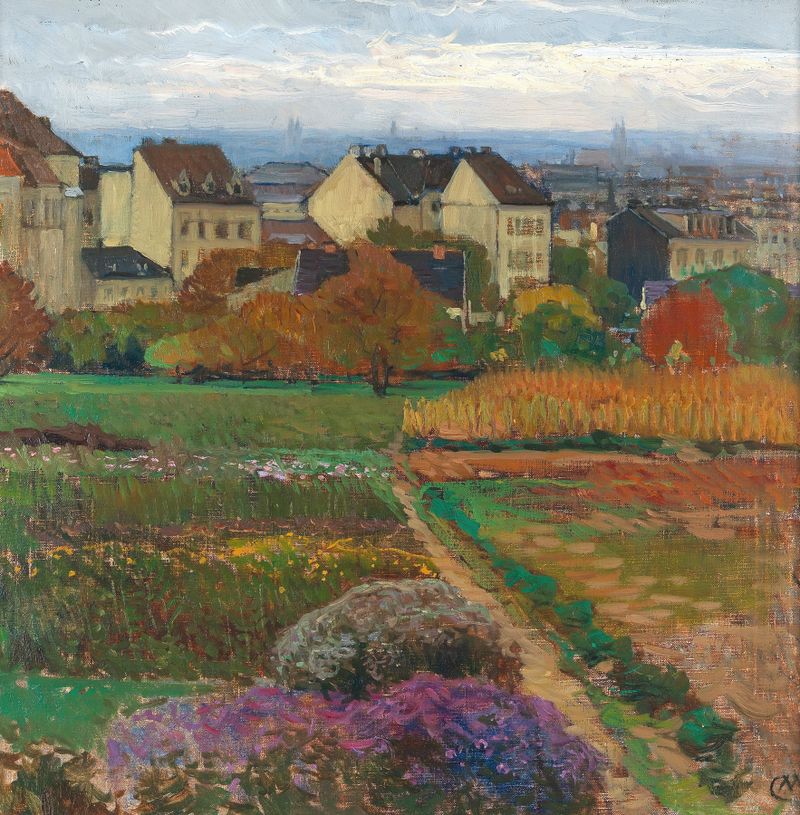
Döbling Wien
Carl Moll

Motiv aus dem Schloßpark in Jevisovice
Carl Moll
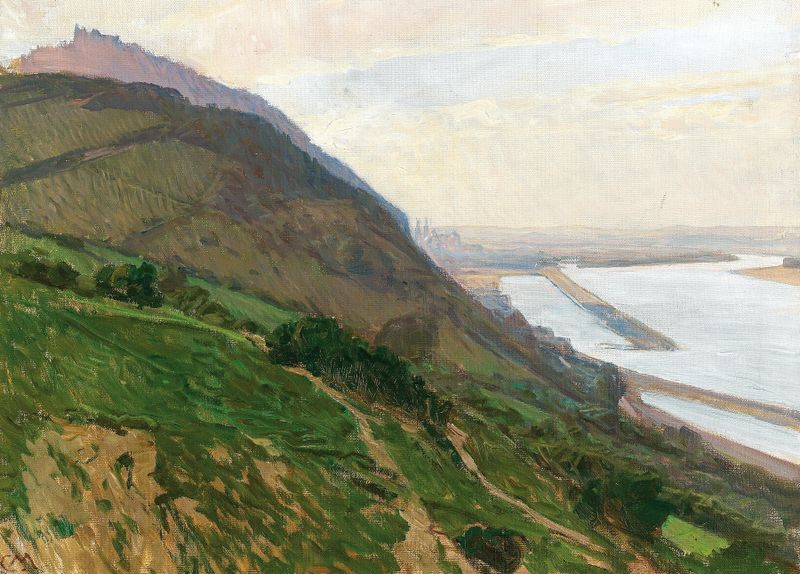
Donauansicht
Carl Moll
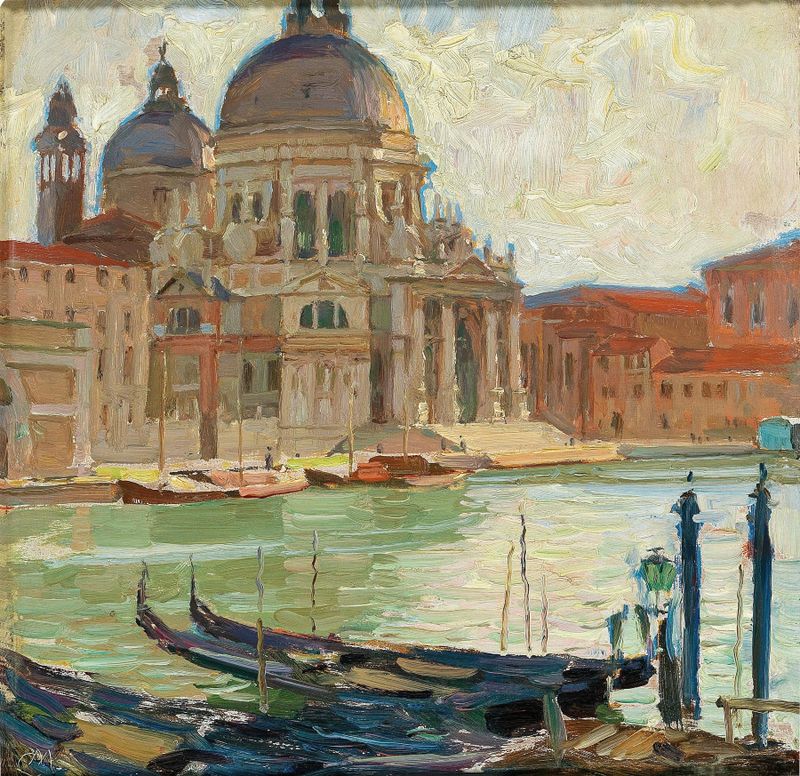
Kirche in Venedig
Carl Moll

Wassermühle in Goisern (nach Emil Jakob Schindler)
Carl Moll

Winter at Hohe Warte, Rothschild Gardens
Carl Moll

Römische Ruine in Schönbrunn
Carl Moll

Kirche St Michael in Heiligenstadt
Carl Moll