
Hemelse stad in visioen van Ezechiël — History & Facts
This enigmatic dance of creation beckons us to explore the unseen, the ethereal, weaving a tapestry of spirituality through divine imagery. Begin by focusing on the vibrant hues that cascade through the celestial city, where ochres meet deep blues, and subtle greens blend harmoniously. The intricate details of the architectural forms draw the eye towards the high towers and sweeping arches, each line delineating a sacred space. Notice how the light radiates from the central figure, creating a halo effect that emphasizes the divine nature of the vision.
The overall composition is both structured and fluid, inviting contemplation and reverence. As the viewer delves deeper, contrasts emerge. The celestial city stands in stark opposition to the earthbound experiences of humanity, suggesting a yearning for transcendence. The figures below, shrouded in shadows, embody uncertainty and longing, amplifying the radiant hope emanating from the heavens.
The interplay of light and darkness serves as a metaphor for faith and doubt, revealing the complexities of belief that underlie the artist's vision. Created in 1538, this work emerged during Holbein’s time in Basel, Switzerland, where he was immersed in the religious upheaval of the Reformation. The artist, known for his meticulous detail and humanistic portrayals, sought to reconcile the sacred and the secular in an era marked by profound change. This painting reflects not only Holbein’s artistic genius but also a moment in history where the spiritual and the temporal collided, creating a narrative that resonates through the ages.
More Artworks by Hans Holbein (II)
Browse all →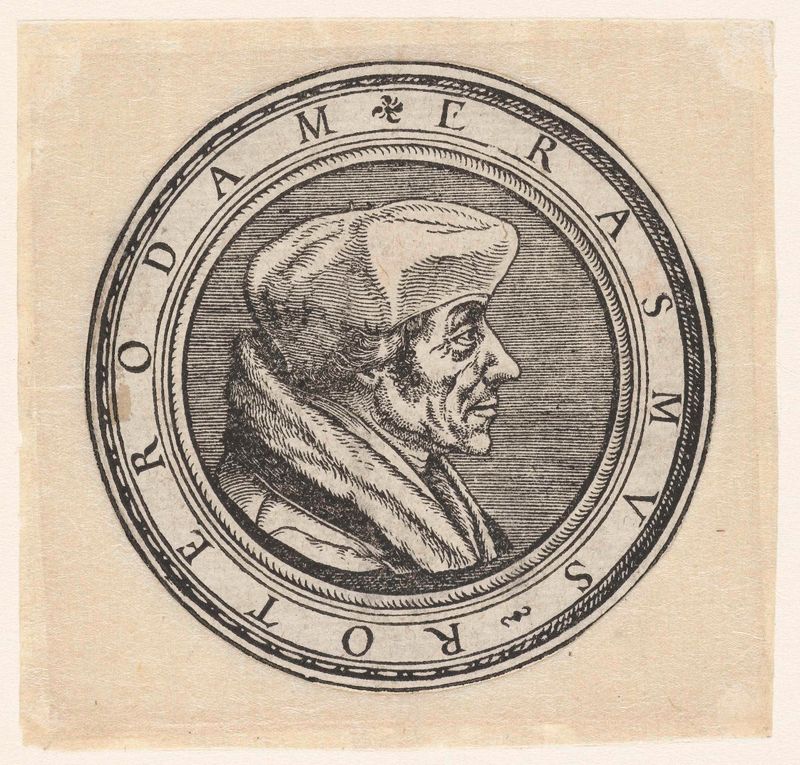
Portret van Erasmus
Hans Holbein (II)
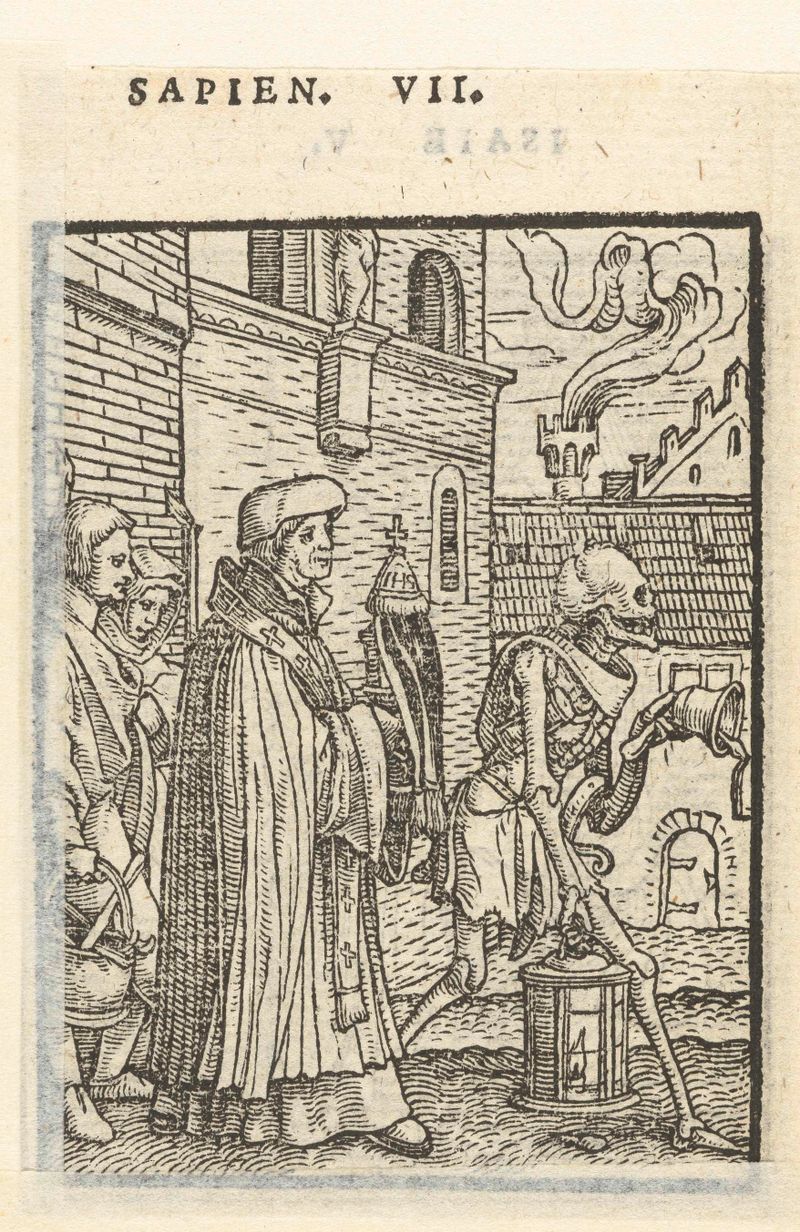
Priester en de Dood
Hans Holbein (II)
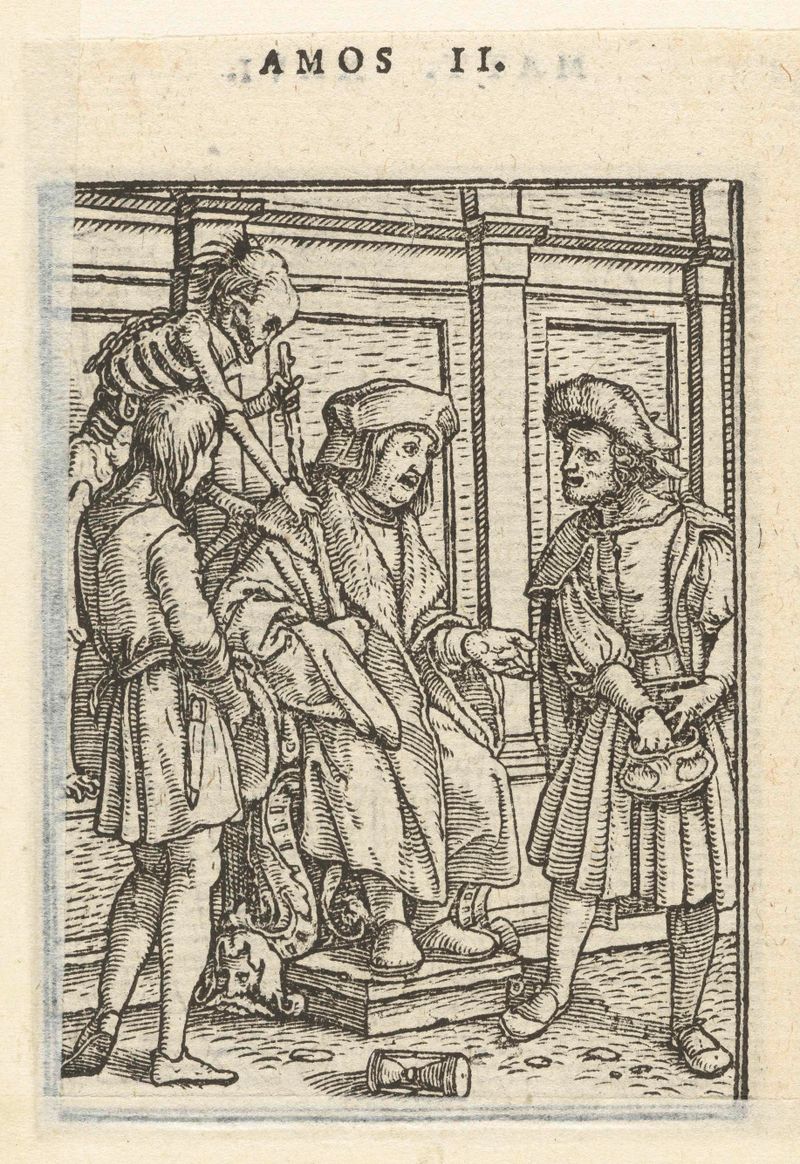
Rechter en de Dood
Hans Holbein (II)
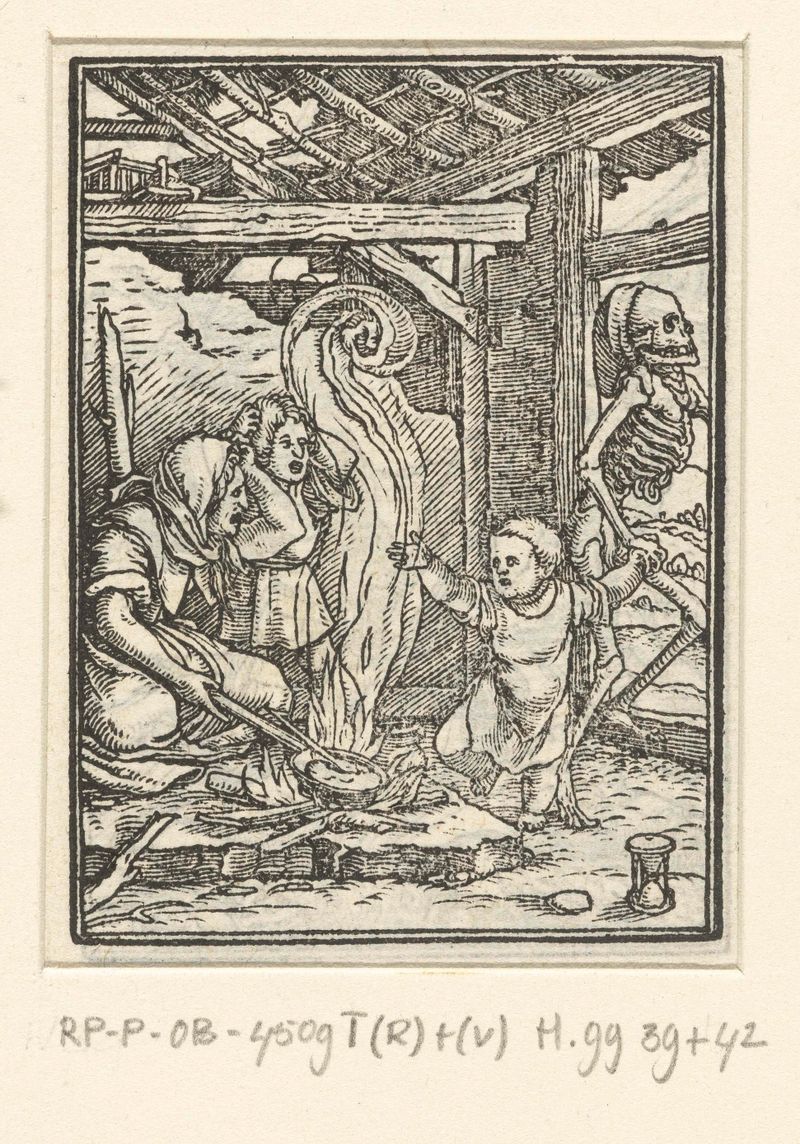
Kind en de Dood
Hans Holbein (II)
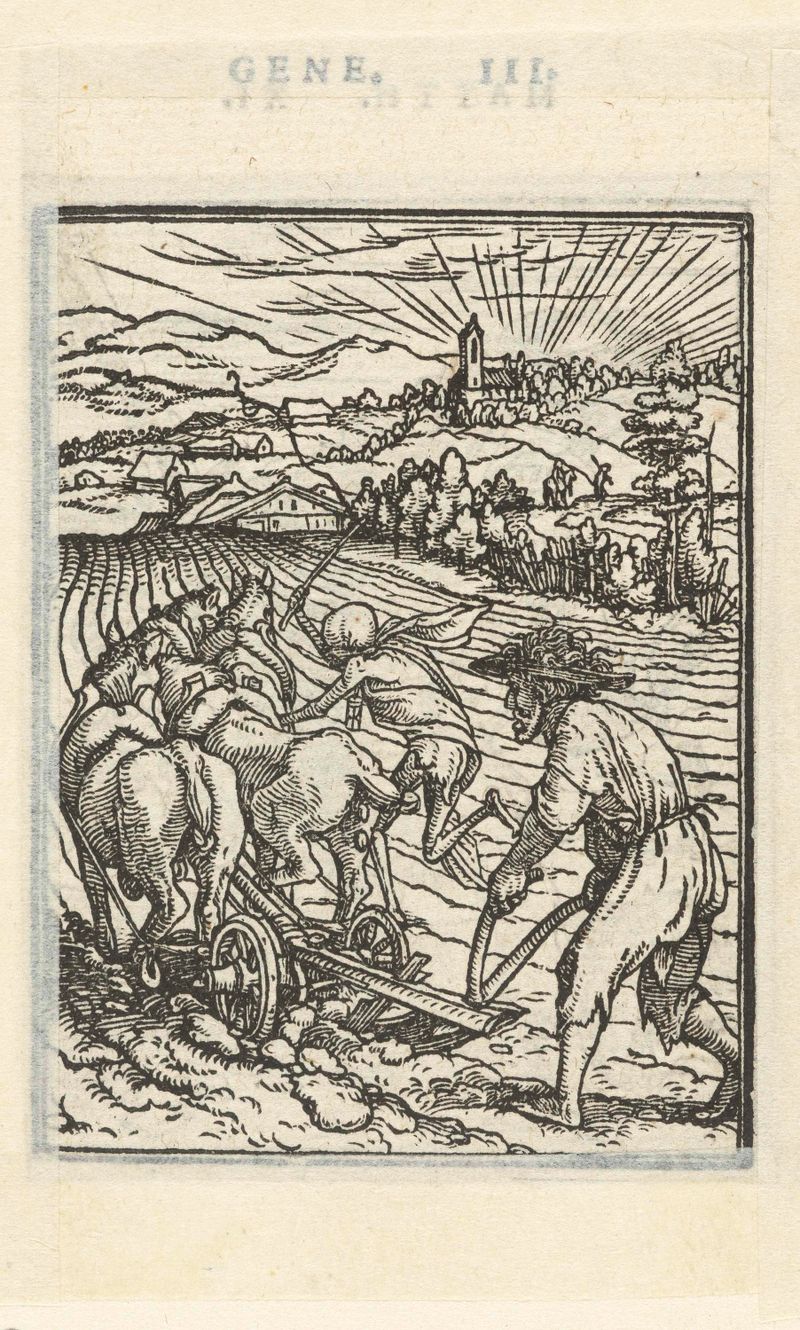
Boer en de Dood
Hans Holbein (II)
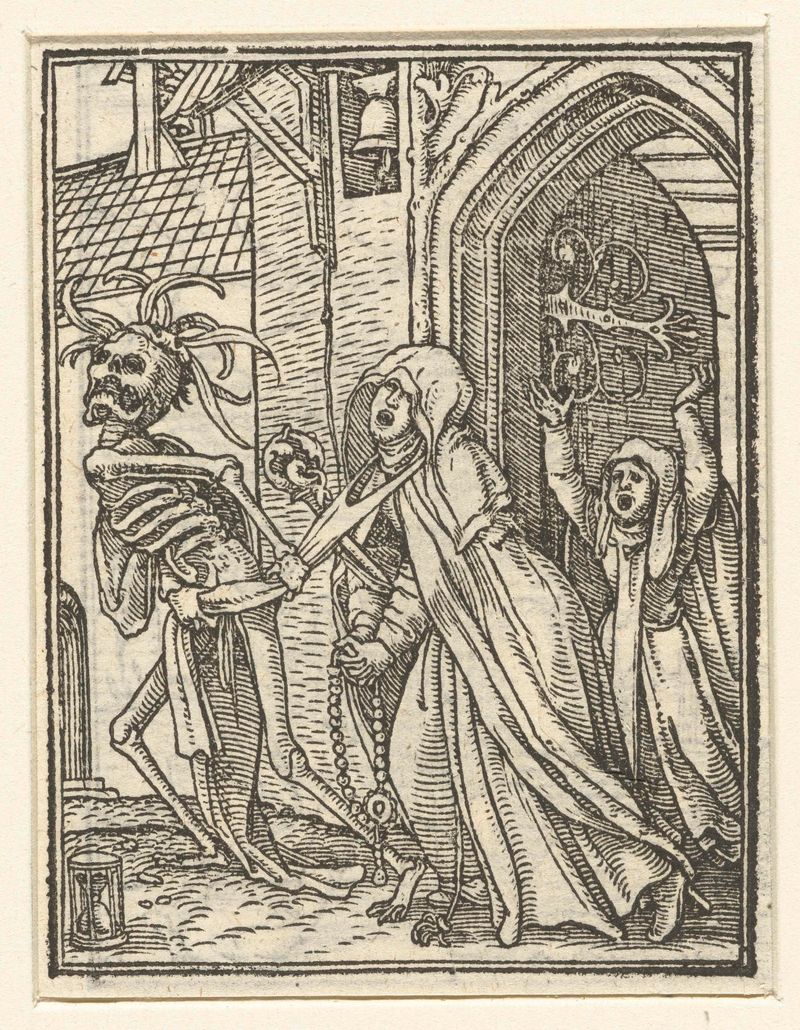
Abdis en de Dood
Hans Holbein (II)
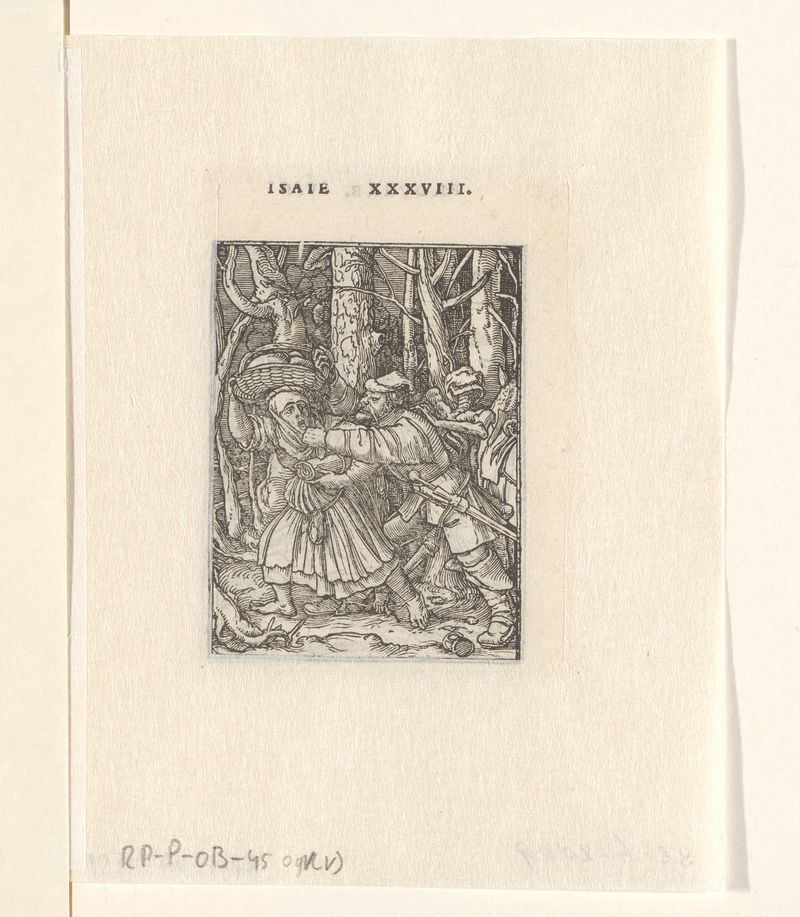
Dief en de Dood
Hans Holbein (II)
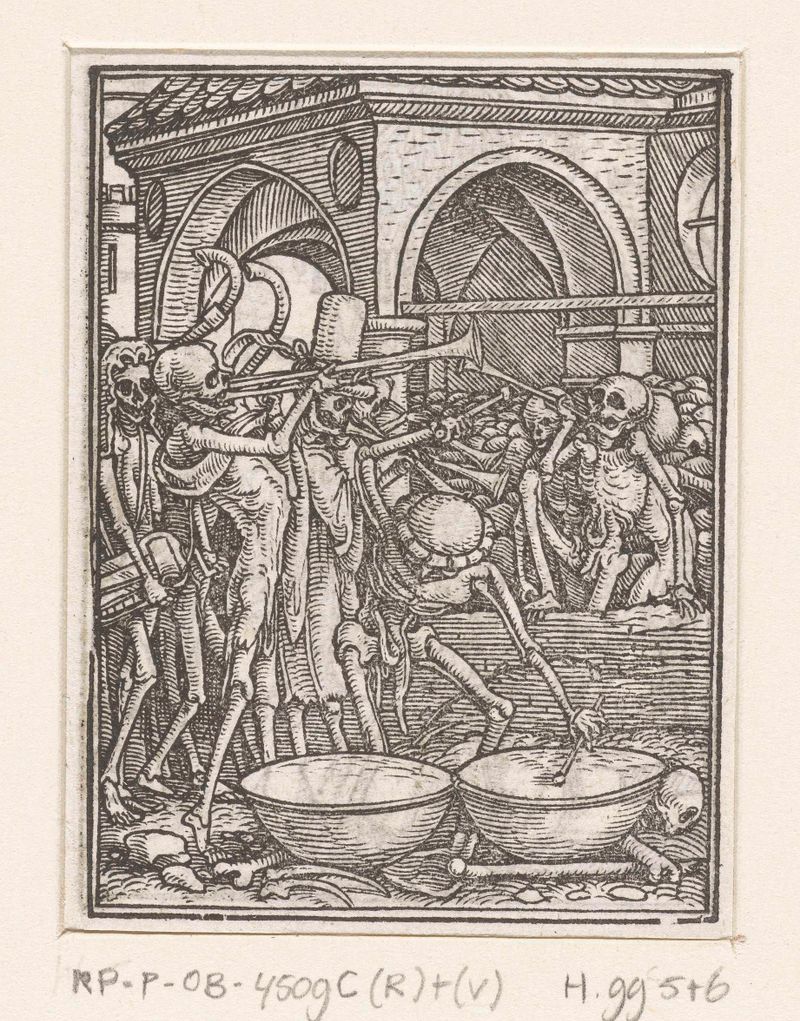
Skeletons Making Music from Dance of the Dead
Hans Holbein (II)
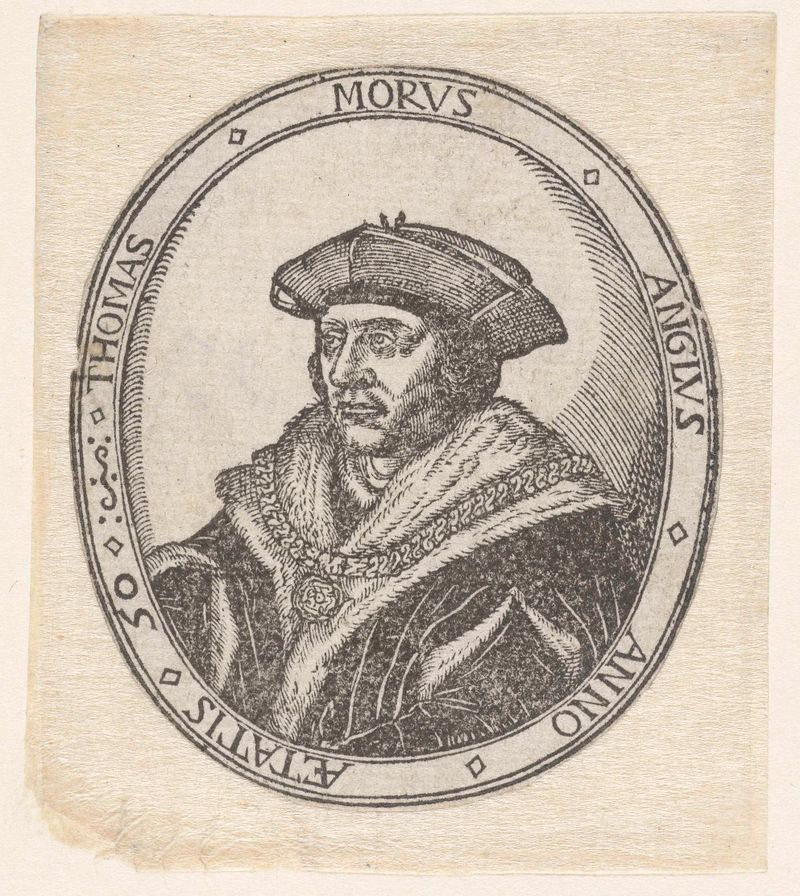
Portret van Thomas More
Hans Holbein (II)
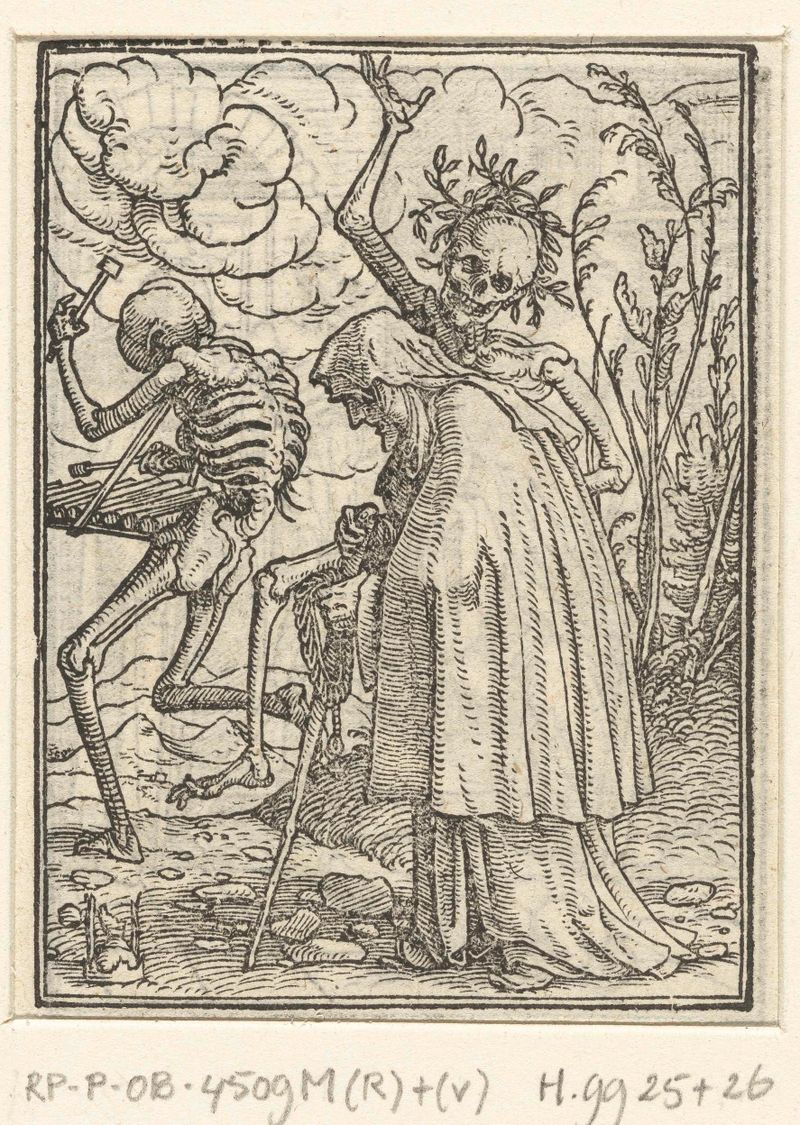
Oude vrouw en de Dood
Hans Holbein (II)
More Religious Art
Browse all →
The Return of the Prodigal Son
Rembrandt van Rijn

The Garden of Earthly Delights
El Bosco

Count Orgaz’ funeral
El Greco

The Hundred Guilder Print: the central piece with Christ preaching, the plate arched
Rembrandt van Rijn

The Descent from the Cross
Rogier van der Weyden

The return of the prodigal son
Rembrandt van Rijn