
Hemelvaart van Christus — History & Facts
Did the painter know this moment would outlive them? As the celestial figures ascend, the air crackles with a tension that straddles madness and wonder, inviting contemplation of the divine and the human condition. Focus first on the ethereal figures soaring upwards, their forms bathed in a radiant glow. Notice how the light cascades from above, illuminating their garments with intricate detail, while the shadows below deepen the sense of void. The composition pulls your gaze toward the swirling clouds, where heaven seems almost within reach, creating a dynamic rhythm that propels the scene into the unknown. At the heart of this work lies a juxtaposition of the earthly and the divine.
The vibrant hues that encapsulate the heavenly figures contrast sharply with the muted tones of the surrounding atmosphere, suggesting a fleeting connection between madness and enlightenment. Each face expresses a mix of ecstasy and despair, emphasizing the emotional complexity of this moment — a departure that elicits both hope and sorrow. Jacques Callot painted Hemelvaart van Christus between 1608 and 1611 during his time in Nancy, France. This period saw him immersed in the tensions of the Baroque movement, exploring themes of spirituality and the human experience.
His works often reflected the tumultuous world around him, marked by conflict and change, perhaps prompting him to ponder the legacy of such transcendent moments.
More Artworks by Jacques Callot
Browse all →
Titelprent voor de prentreeks 'De kleine apostelen' (Het martelaarschap van de apostelen)
Jacques Callot
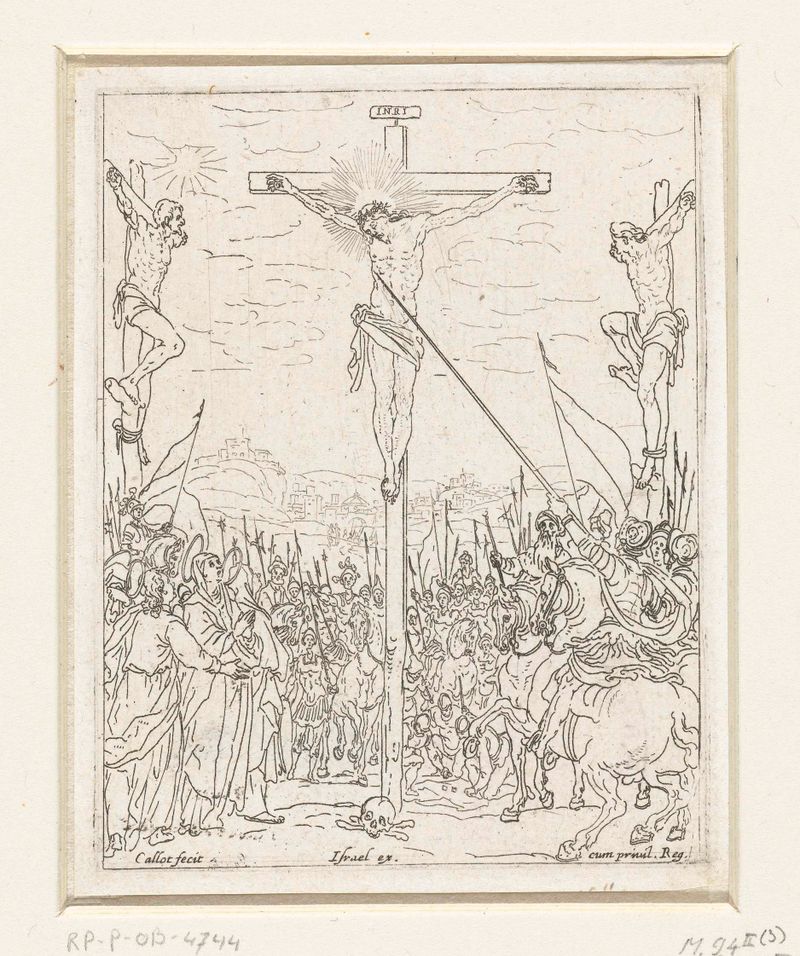
Kruisiging
Jacques Callot

De doortocht door de Rode Zee
Jacques Callot

De verloren zoon als zwijnenhoeder
Jacques Callot

Annunciatie
Jacques Callot
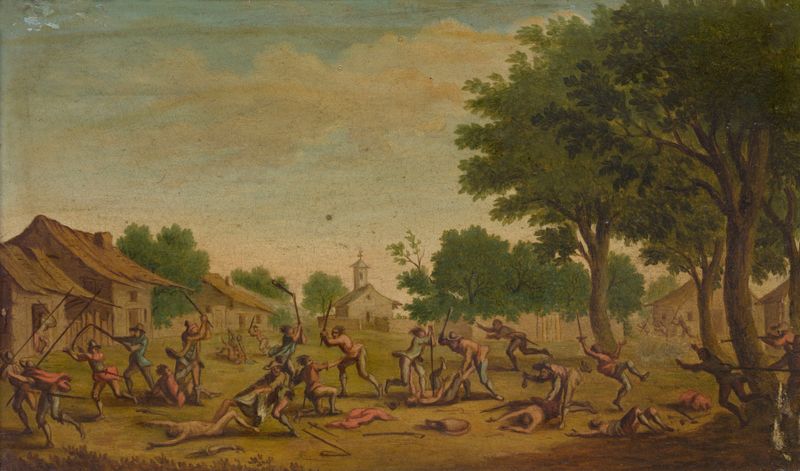
Village Fight
Jacques Callot

Titelprent voor prentreeks 'Het leven van Maria'
Jacques Callot
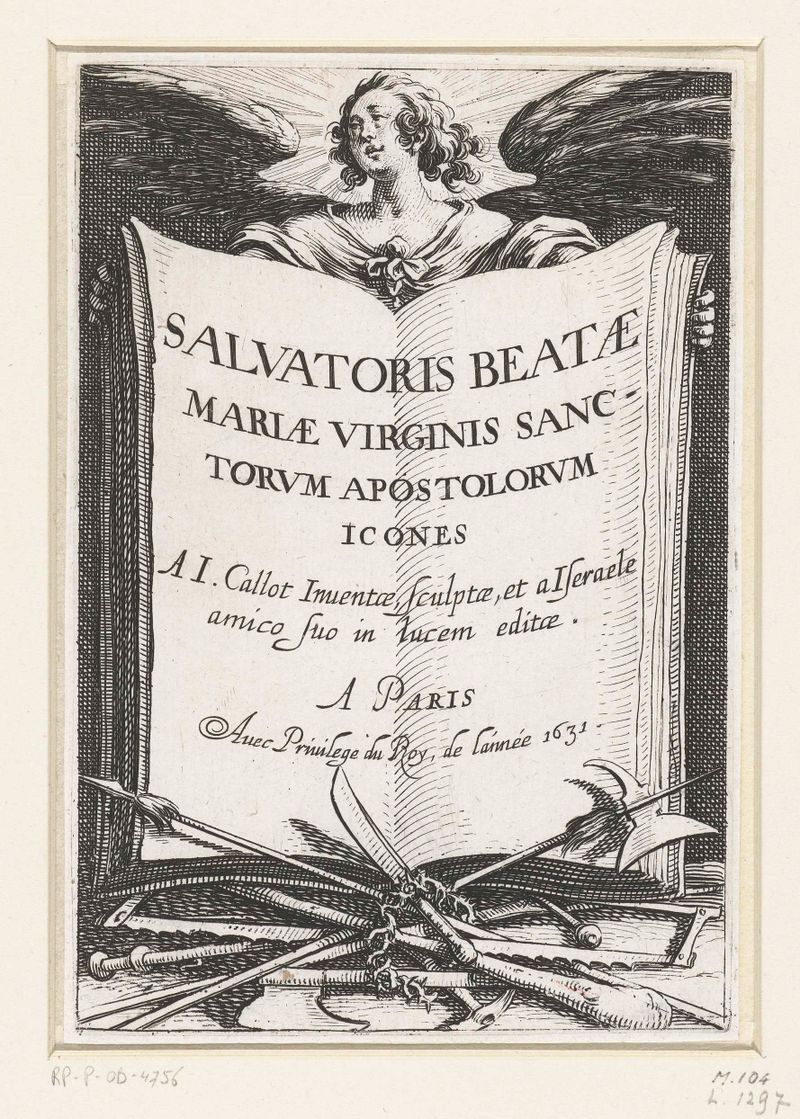
Titelprent voor de prentreeks 'De grote apostelen' (Christus, Maria en de apostelen)
Jacques Callot

Christus aan het volk getoond (Ecce homo)
Jacques Callot
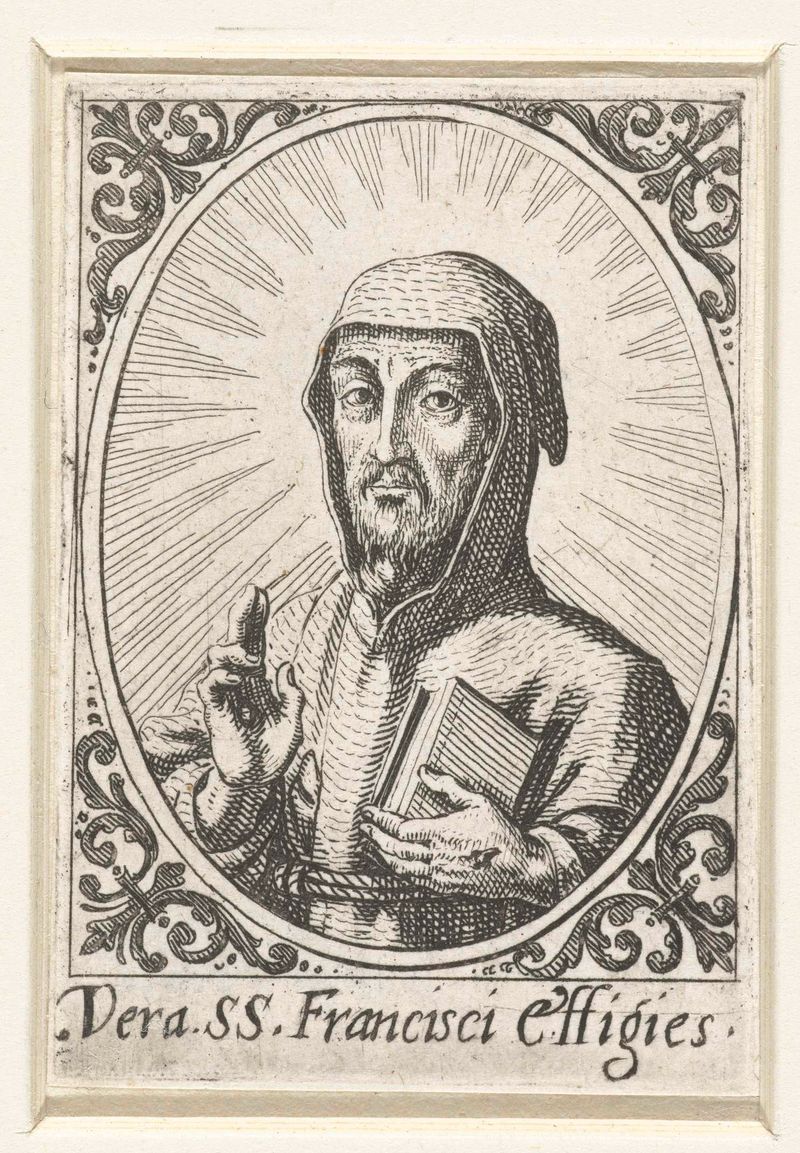
Portret van de Heilige Franciscus
Jacques Callot
More Religious Art
Browse all →
The Return of the Prodigal Son
Rembrandt van Rijn

The Garden of Earthly Delights
El Bosco

Count Orgaz’ funeral
El Greco

The Hundred Guilder Print: the central piece with Christ preaching, the plate arched
Rembrandt van Rijn

The Descent from the Cross
Rogier van der Weyden

The return of the prodigal son
Rembrandt van Rijn