
Hemelvaart van Maria — History & Facts
Could a single brushstroke hold eternity? In the delicate dance of colors and forms, madness and serenity mingle, revealing layers of emotion within the frame. Look closely at the swirling clouds that envelop the figures in Hemelvaart van Maria. The ethereal hues of blue and gold create a celestial backdrop, drawing your gaze upward. Focus on the radiant light emanating from the center, illuminating the serene expression of the Virgin as she ascends, flanked by angels whose dynamic poses suggest both celebration and desperation.
The intricate details in their wings, rendered with meticulous precision, evoke a sense of movement, as if they are caught in a moment of divine urgency. Amidst the heavenly ascent, there lies an underlying tension—the juxtaposition of calm faces against the tumultuous sky speaks to the duality of existence. The figures seem both elevated and anchored, embodying the struggle between the earthly and the divine. The careful arrangement of elements suggests a chaos beneath the surface, hinting at the madness of devotion and the fervor of belief that can drive one to transcend mortal bounds. In the early 1630s, Jacques Callot was immersed in a world of shifting artistic ideals, where the Baroque style began to flourish.
Created in a period when religious themes were paramount, the painting reflects the artist’s exploration of spiritual fervor amidst a backdrop of personal and societal turmoil. Living in Nancy, France, Callot was influenced by the tensions of the Thirty Years' War, which permeated the consciousness of Europe, infusing his work with a sense of urgent spirituality that resonates in this poignant piece.
More Artworks by Jacques Callot
Browse all →
Titelprent voor de prentreeks 'De kleine apostelen' (Het martelaarschap van de apostelen)
Jacques Callot
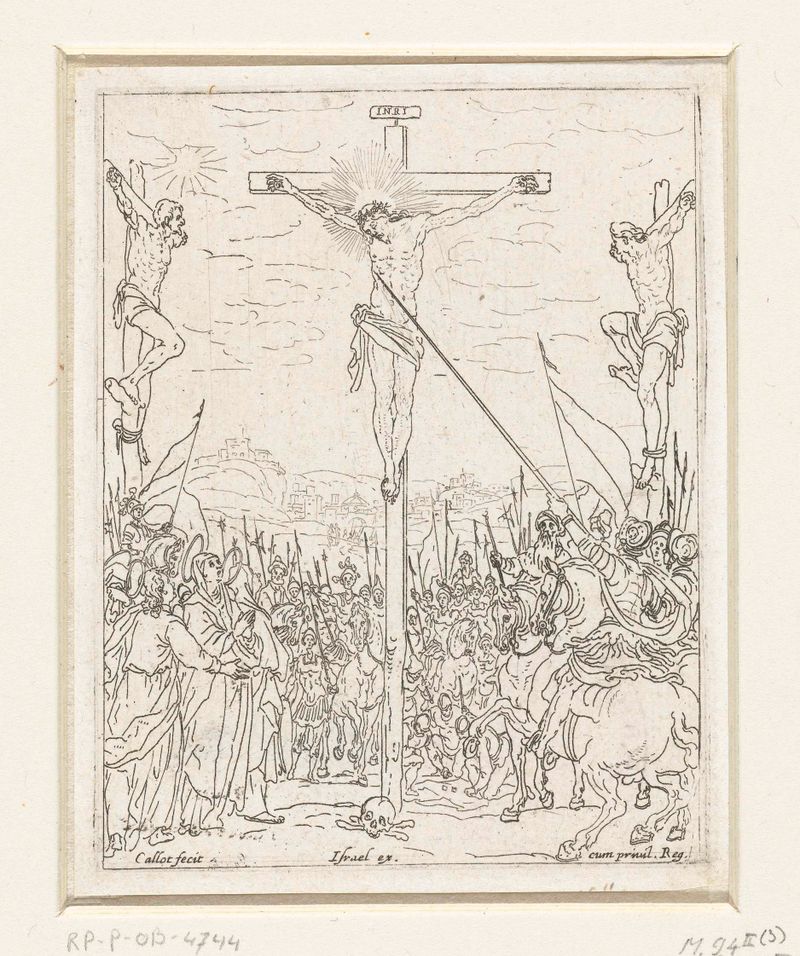
Kruisiging
Jacques Callot

De doortocht door de Rode Zee
Jacques Callot

De verloren zoon als zwijnenhoeder
Jacques Callot

Annunciatie
Jacques Callot
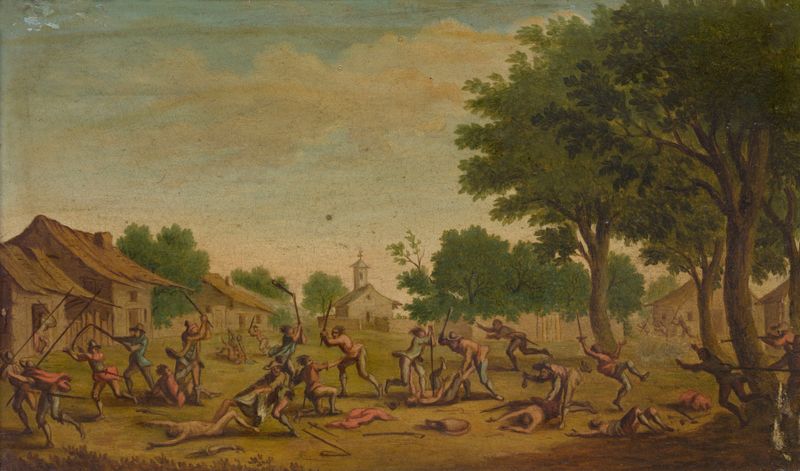
Village Fight
Jacques Callot

Titelprent voor prentreeks 'Het leven van Maria'
Jacques Callot
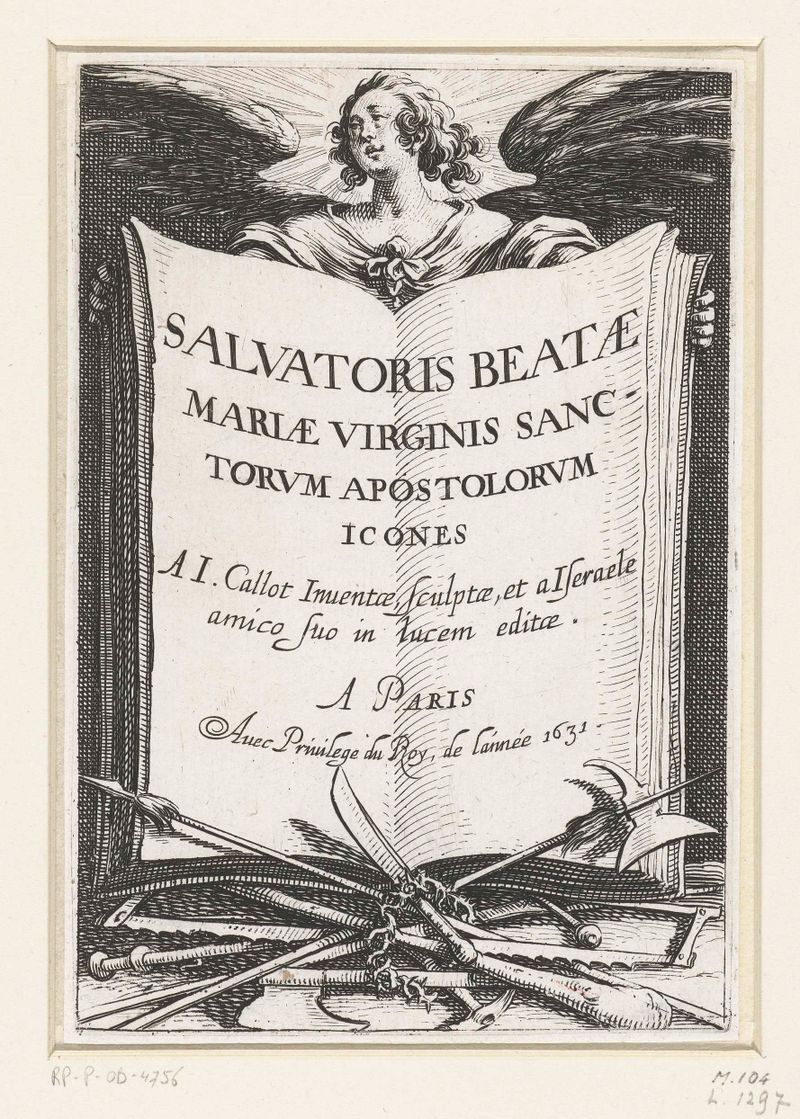
Titelprent voor de prentreeks 'De grote apostelen' (Christus, Maria en de apostelen)
Jacques Callot

Christus aan het volk getoond (Ecce homo)
Jacques Callot
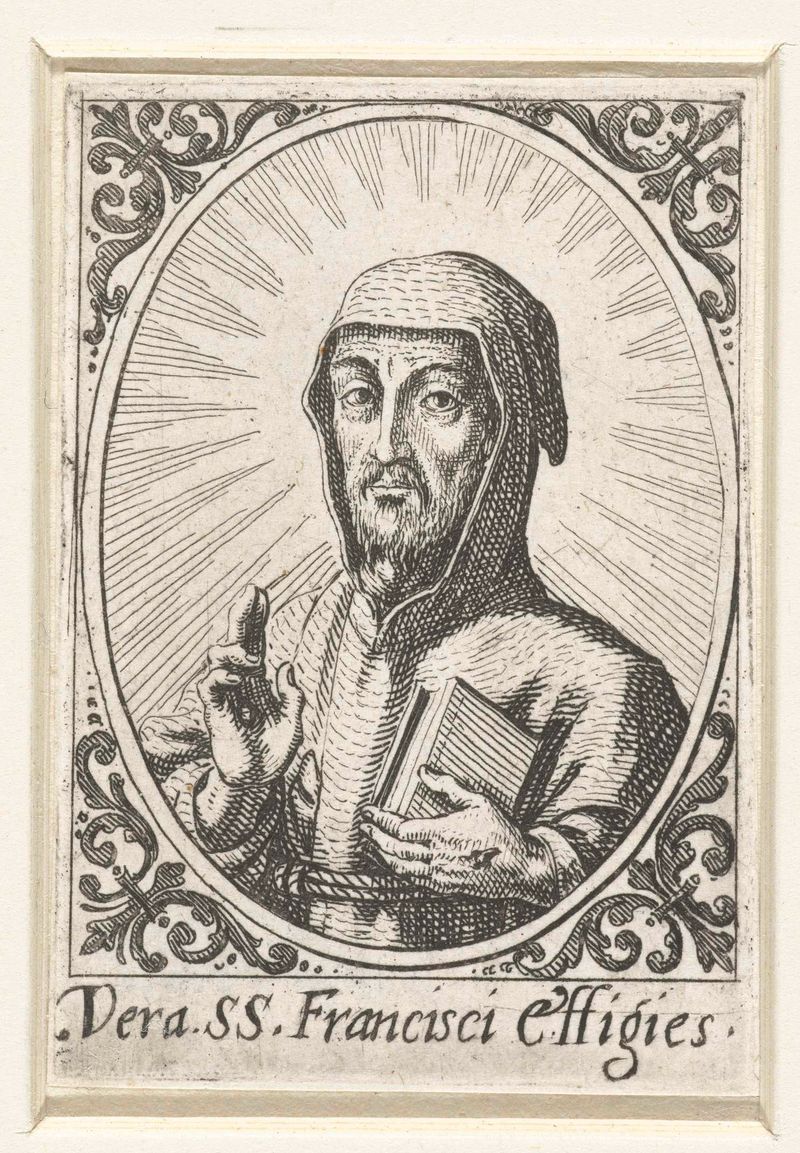
Portret van de Heilige Franciscus
Jacques Callot
More Religious Art
Browse all →
The Return of the Prodigal Son
Rembrandt van Rijn

The Garden of Earthly Delights
El Bosco

Count Orgaz’ funeral
El Greco

The Hundred Guilder Print: the central piece with Christ preaching, the plate arched
Rembrandt van Rijn

The Descent from the Cross
Rogier van der Weyden

The return of the prodigal son
Rembrandt van Rijn