
Hemelvaart van Maria — History & Facts
What if beauty was never meant to be finished? In the midst of unparalleled grace, shadows lurk, hinting at the violence intertwined with divinity. Focus on the delicate emanation of light radiating from the figures, illuminating their ethereal forms against the darkened background. The painter expertly balances luminosity and shadow, drawing the viewer's gaze to the central image of the Virgin, her serene expression contrasting sharply with the chaotic environment surrounding her. Notice how the drapery flows, almost alive with movement, as it mirrors the burgeoning tension in the composition, each fold narrating a story of fluidity and struggle. As you delve deeper into the scene, consider the small details that reveal a complex narrative.
The angels, while appearing joyous in their ascent, are caught in a chaotic flurry, their expressions oscillating between delight and urgency. The juxtaposition of heavenly ascent with the looming darkness hints at the violence of change, a reminder that beauty often emerges from turmoil. This tension suggests that the divine is never free from the fray of existence, nor is it untouched by the trials of humanity. During the years 1621 to 1635, the artist crafted this piece while navigating the turbulent waters of early 17th-century Europe, a time rife with conflict and transformation.
As an influential figure amidst the Baroque movement, Callot was drawn to themes of both the sublime and the grotesque, reflecting the complexities of human experience and emotion. His works often grappled with the interplay of beauty and violence, mirroring the societal upheavals of his time.
More Artworks by Jacques Callot
Browse all →
Titelprent voor de prentreeks 'De kleine apostelen' (Het martelaarschap van de apostelen)
Jacques Callot
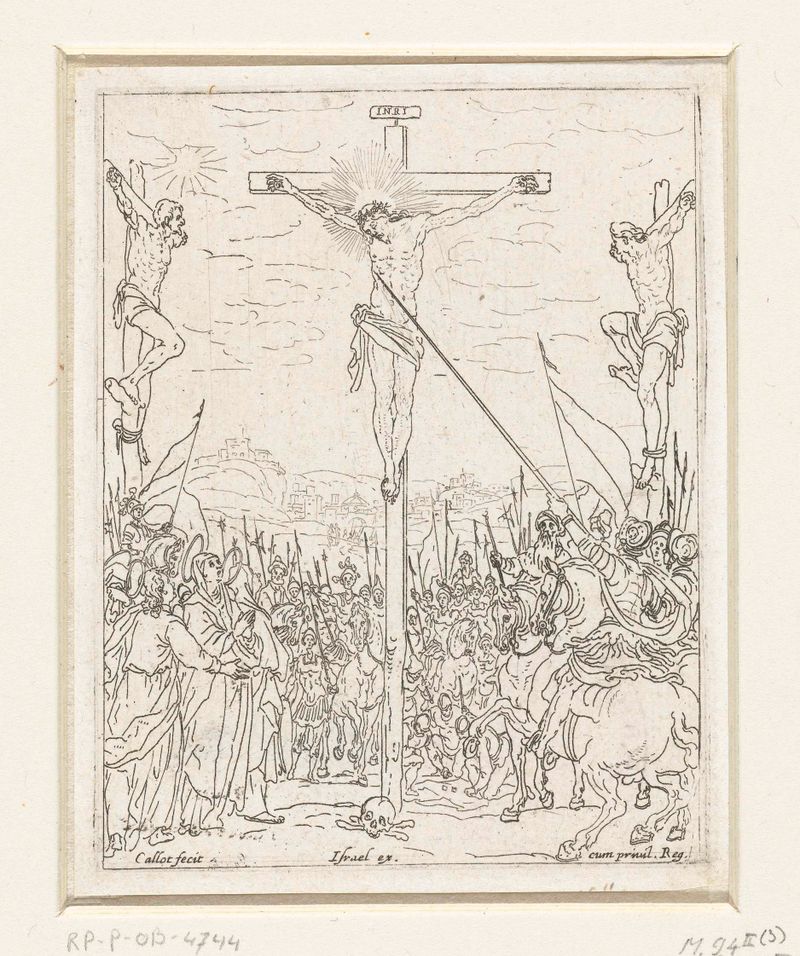
Kruisiging
Jacques Callot

De doortocht door de Rode Zee
Jacques Callot

De verloren zoon als zwijnenhoeder
Jacques Callot

Annunciatie
Jacques Callot
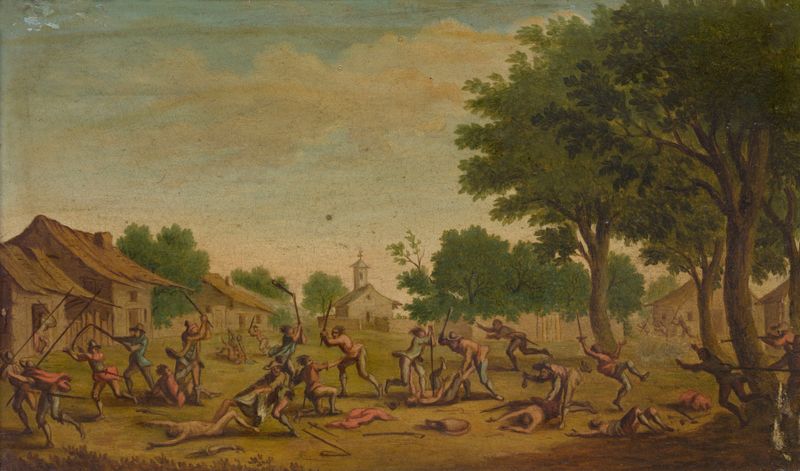
Village Fight
Jacques Callot

Titelprent voor prentreeks 'Het leven van Maria'
Jacques Callot
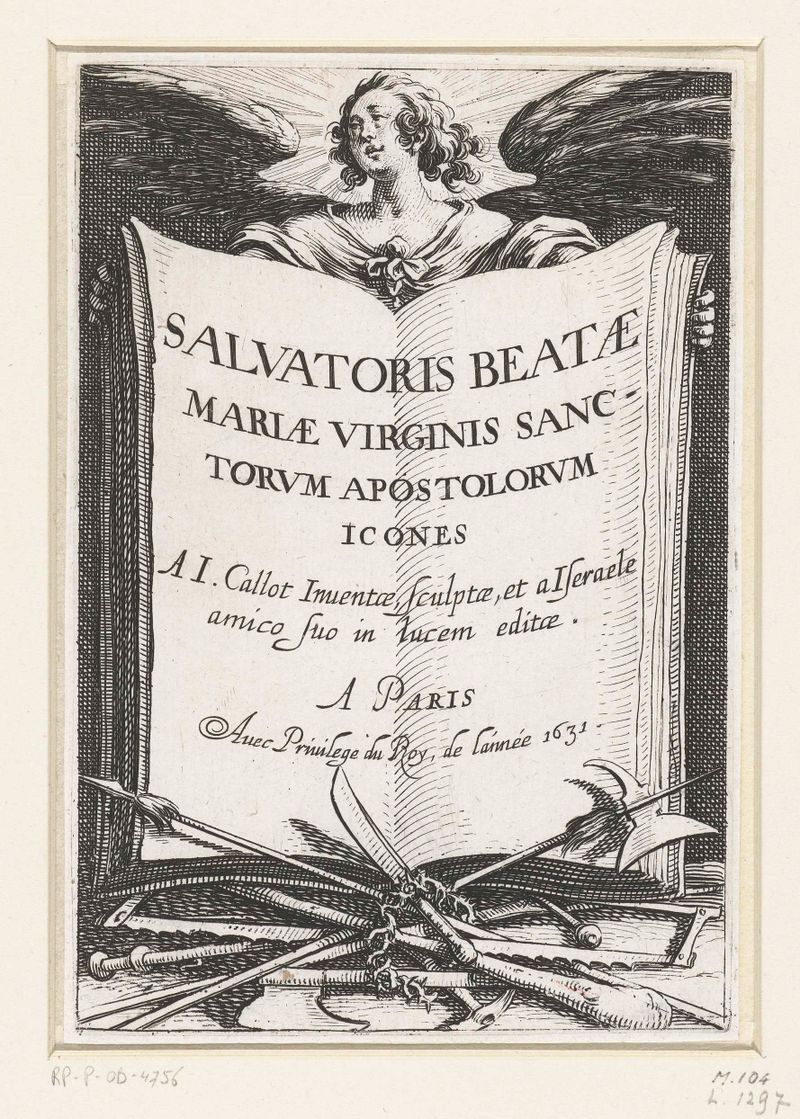
Titelprent voor de prentreeks 'De grote apostelen' (Christus, Maria en de apostelen)
Jacques Callot

Christus aan het volk getoond (Ecce homo)
Jacques Callot
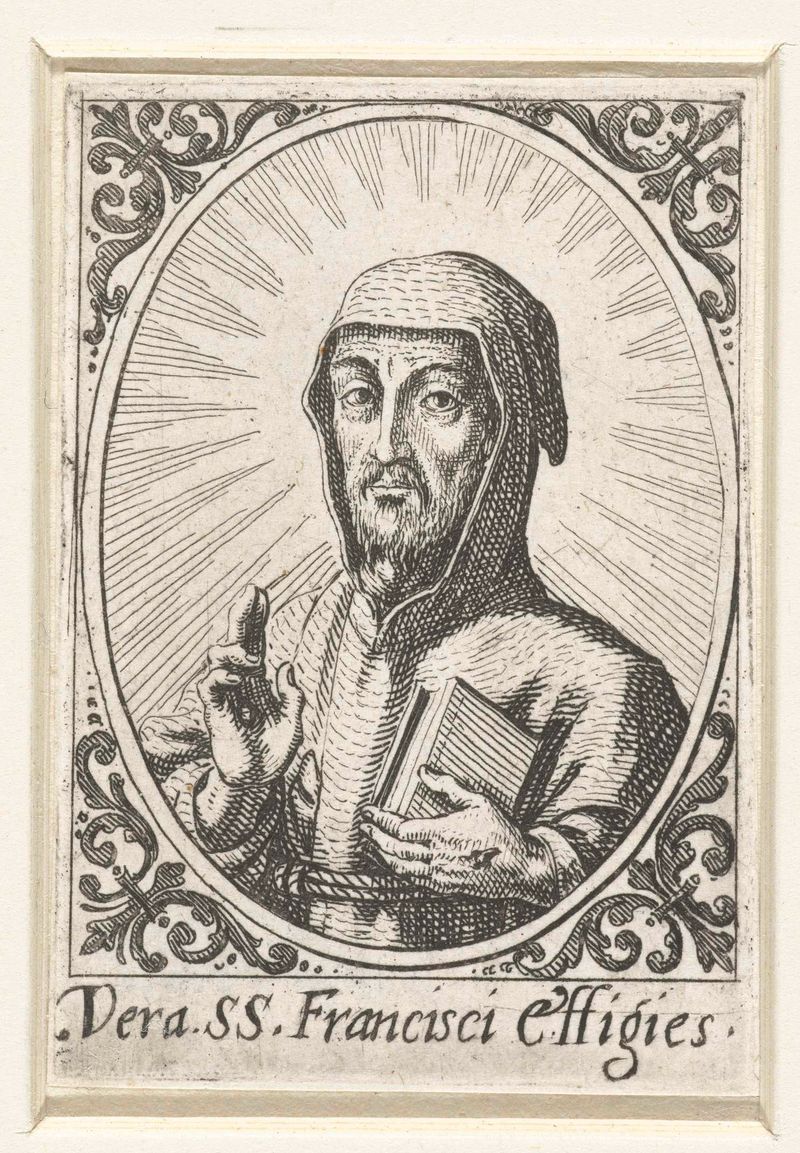
Portret van de Heilige Franciscus
Jacques Callot
More Religious Art
Browse all →
The Return of the Prodigal Son
Rembrandt van Rijn

The Garden of Earthly Delights
El Bosco

Count Orgaz’ funeral
El Greco

The Hundred Guilder Print: the central piece with Christ preaching, the plate arched
Rembrandt van Rijn

The Descent from the Cross
Rogier van der Weyden

The return of the prodigal son
Rembrandt van Rijn