
Hemelvaart van Maria — History & Facts
In the serene expanse of Hemelvaart van Maria, the viewer is drawn into a moment where tranquility envelops the divine. The subtle cadence of the composition invites one to pause, reflecting the depth of spiritual voyage captured within its frame. Look to the top center of the painting, where the ethereal figure of Mary ascends, bathed in soft, golden light. Her peaceful expression contrasts with the tumult of emotions below, where figures gather in reverent awe.
Notice how the muted pastel hues create an atmosphere of calm, emphasizing the heavenly narrative. The artist’s delicate use of line and shading guides the eye, inviting contemplation of both earthly despair and celestial joy. This artwork resonates with the tension between the sacred and the mundane. The figures below, a mixture of grief and hope, reflect humanity’s struggle with loss and faith.
Mary’s ascent symbolizes the promise of salvation, yet the surrounding shadows invoke the silence of absence, suggesting a void that resonates with those left behind. Each small detail, from the anguished postures to the light cascading from above, reinforces a profound emotional dichotomy. Created in the early 17th century, Hemelvaart van Maria emerged during a time of religious tumult in Europe, marked by the Counter-Reformation's call for renewed spirituality. Jacques Callot, working in France, was influenced by the dramatic Baroque style that sought to engage viewers through emotional narratives and rich visual storytelling.
The work reflects both his personal artistic journey and the wider cultural discourse surrounding faith and divine presence in a world grappling with uncertainty.
More Artworks by Jacques Callot
Browse all →
Titelprent voor de prentreeks 'De kleine apostelen' (Het martelaarschap van de apostelen)
Jacques Callot
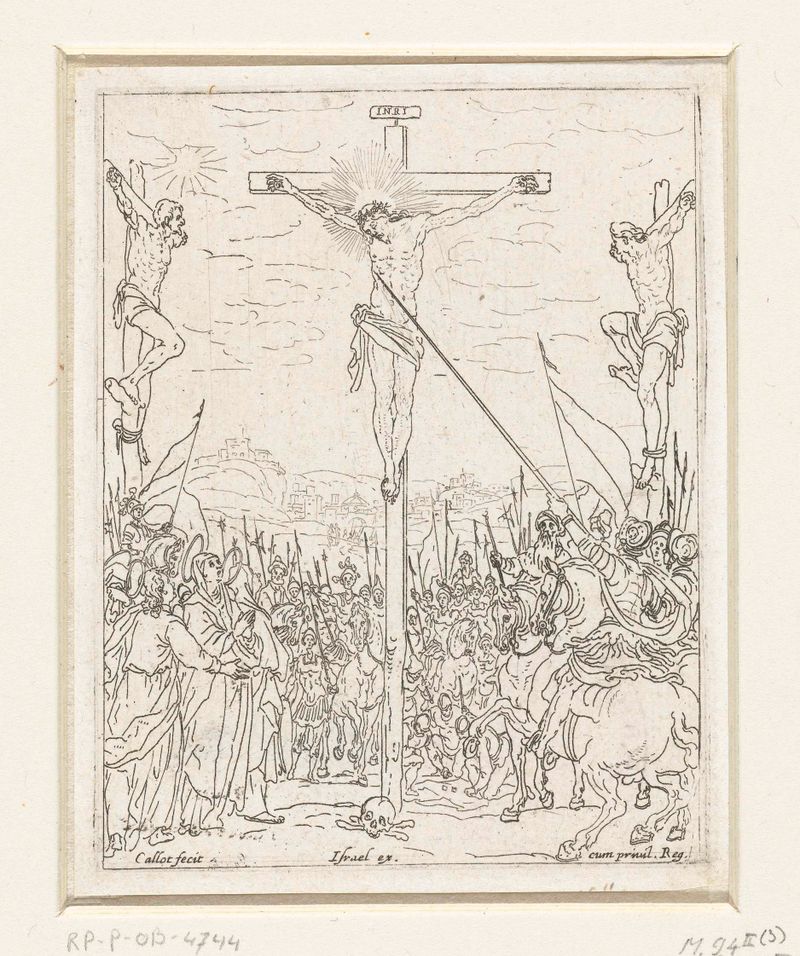
Kruisiging
Jacques Callot

De doortocht door de Rode Zee
Jacques Callot

De verloren zoon als zwijnenhoeder
Jacques Callot

Annunciatie
Jacques Callot
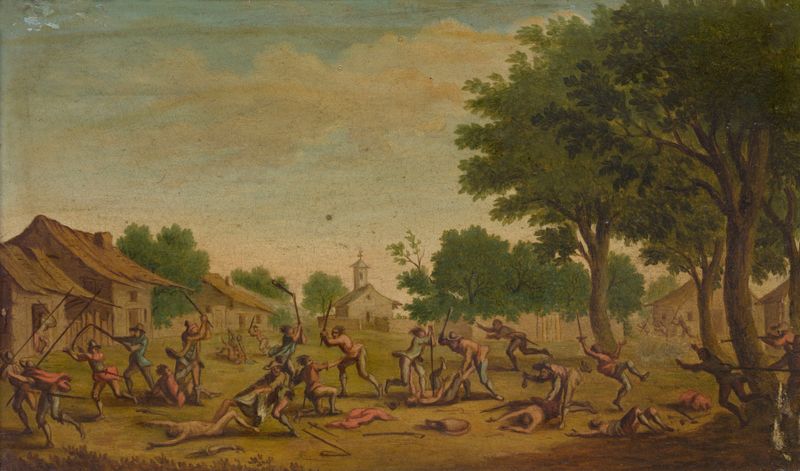
Village Fight
Jacques Callot

Titelprent voor prentreeks 'Het leven van Maria'
Jacques Callot
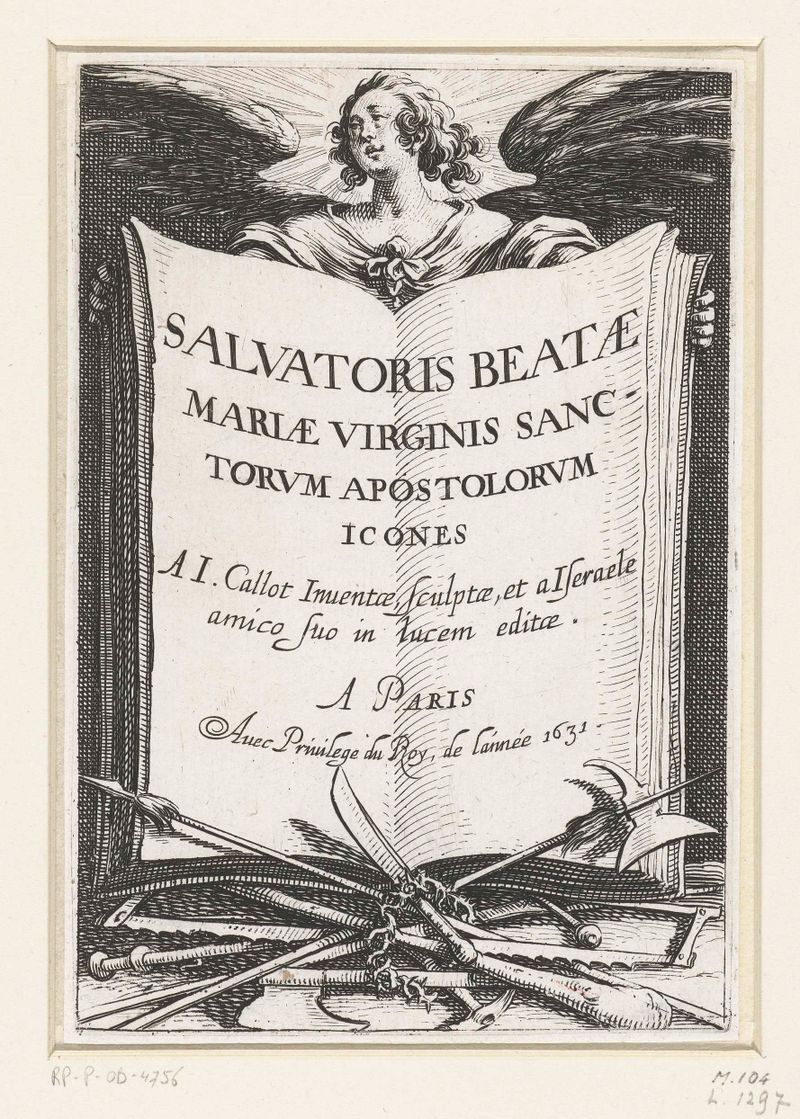
Titelprent voor de prentreeks 'De grote apostelen' (Christus, Maria en de apostelen)
Jacques Callot

Christus aan het volk getoond (Ecce homo)
Jacques Callot
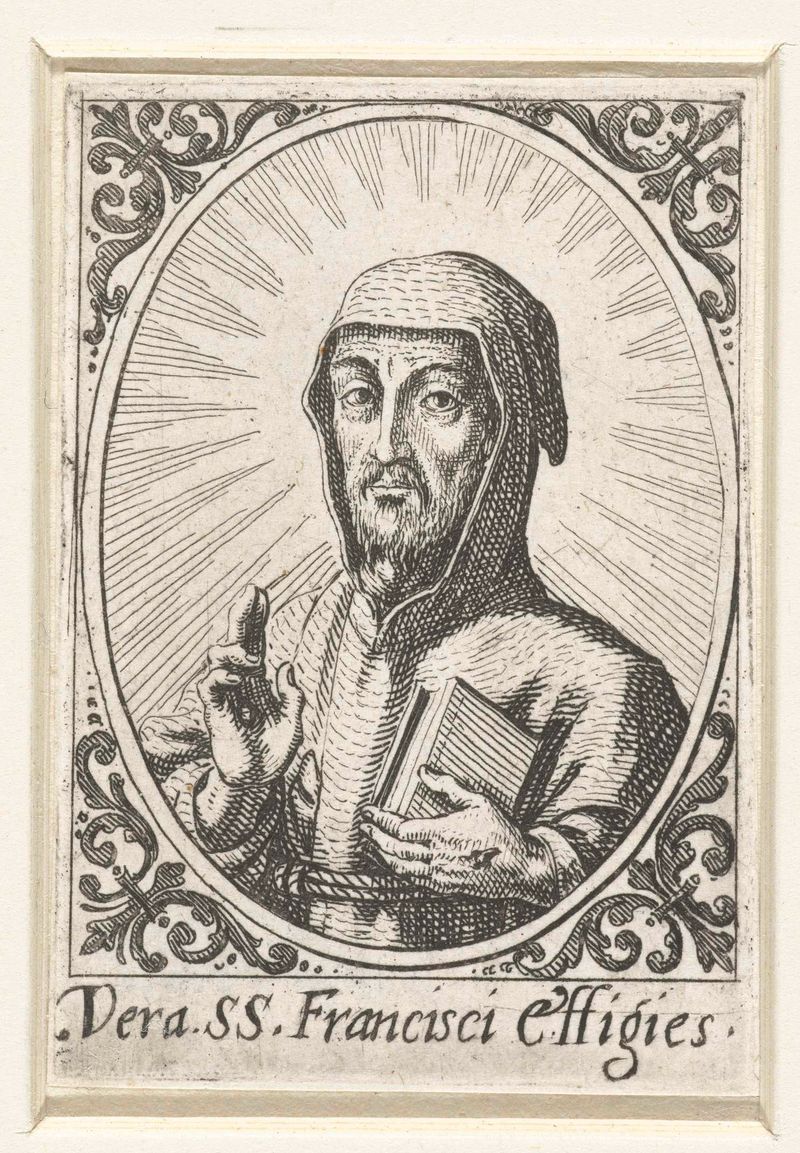
Portret van de Heilige Franciscus
Jacques Callot
More Religious Art
Browse all →
The Return of the Prodigal Son
Rembrandt van Rijn

The Garden of Earthly Delights
El Bosco

Count Orgaz’ funeral
El Greco

The Hundred Guilder Print: the central piece with Christ preaching, the plate arched
Rembrandt van Rijn

The Descent from the Cross
Rogier van der Weyden

The return of the prodigal son
Rembrandt van Rijn