
Hemelvaart van Maria — History & Facts
Can paint confess what words never could? In Hemelvaart van Maria, Jacques Callot opens a gateway to the divine, capturing the transcendence of the Virgin Mary's ascension. The canvas is alive with ethereal light and a congregation of celestial figures, inviting the viewer to contemplate the mystery of faith and the power of creation. Look to the center of the composition, where Mary, draped in flowing robes, is enveloped in soft, glowing light that suggests both her purity and her divine nature. Her upward gaze, combined with the outstretched arms of angels swirling around her, directs our attention to the very heavens, where the boundaries of the earthly realm dissolve.
The chiaroscuro technique highlights the contrast between the figures and the sky, using deep shadows and luminous highlights to enhance the drama of the moment. Delve deeper into the intricate details: notice the varied expressions on the faces of the surrounding angels, a tumult of emotion reflecting awe, joy, and reverence. The delicate brushwork creates a sense of movement, as if the scene is captured at a moment of celestial choreography. Each figure seems to dance in harmony, symbolizing the unity of heaven and earth, while the floral motifs at the base offer a grounding contrast, connecting the divine to the natural world. During the years from 1608 to 1611, Callot painted this piece amidst a burgeoning interest in religious art, reflective of the Counter-Reformation's call for emotional connection through visual storytelling.
Living in Nancy, France, he navigated an environment ripe with cultural shifts, where artists sought to express the ineffable through newfound techniques and styles, solidifying his contribution to Baroque art.
More Artworks by Jacques Callot
Browse all →
Titelprent voor de prentreeks 'De kleine apostelen' (Het martelaarschap van de apostelen)
Jacques Callot
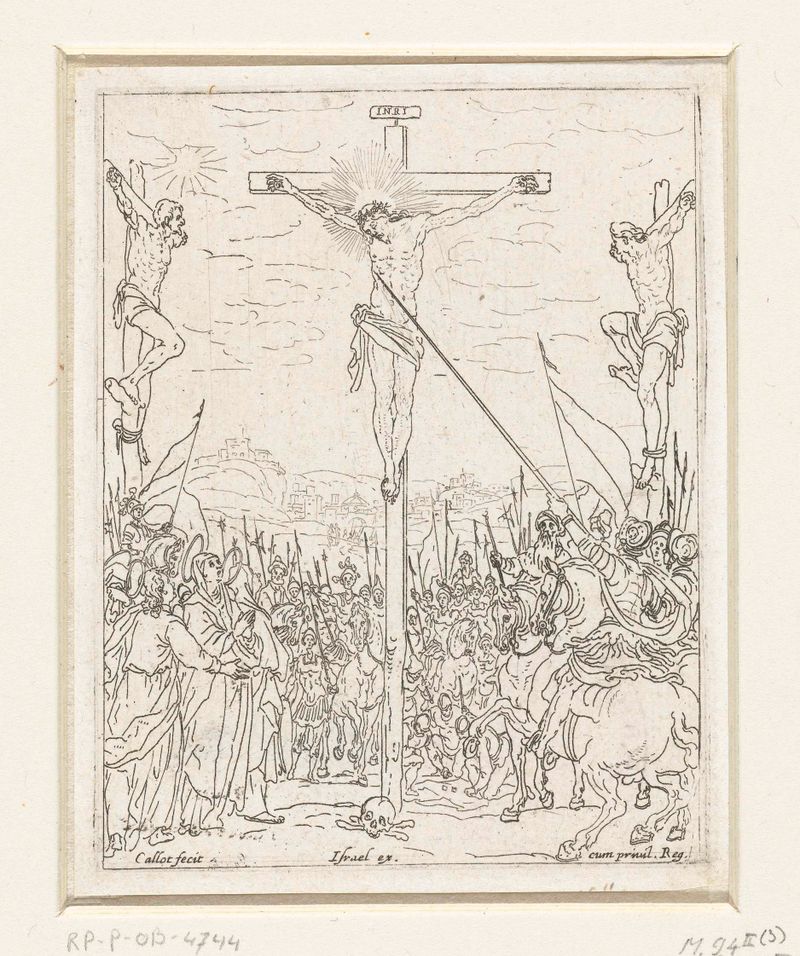
Kruisiging
Jacques Callot

De doortocht door de Rode Zee
Jacques Callot

De verloren zoon als zwijnenhoeder
Jacques Callot

Annunciatie
Jacques Callot
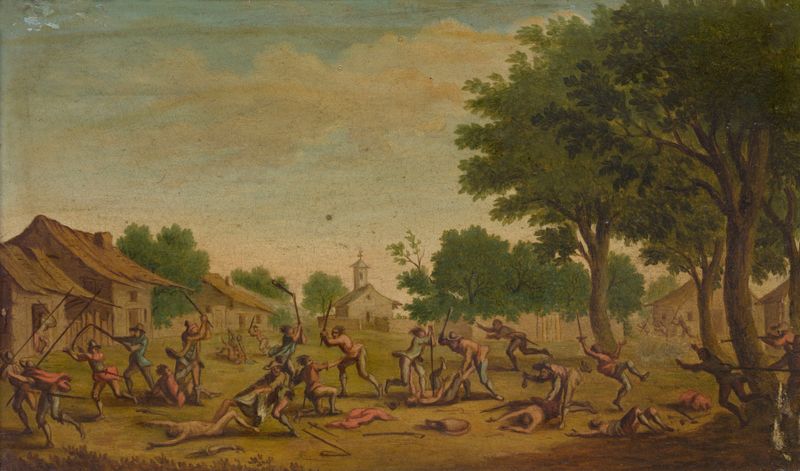
Village Fight
Jacques Callot

Titelprent voor prentreeks 'Het leven van Maria'
Jacques Callot
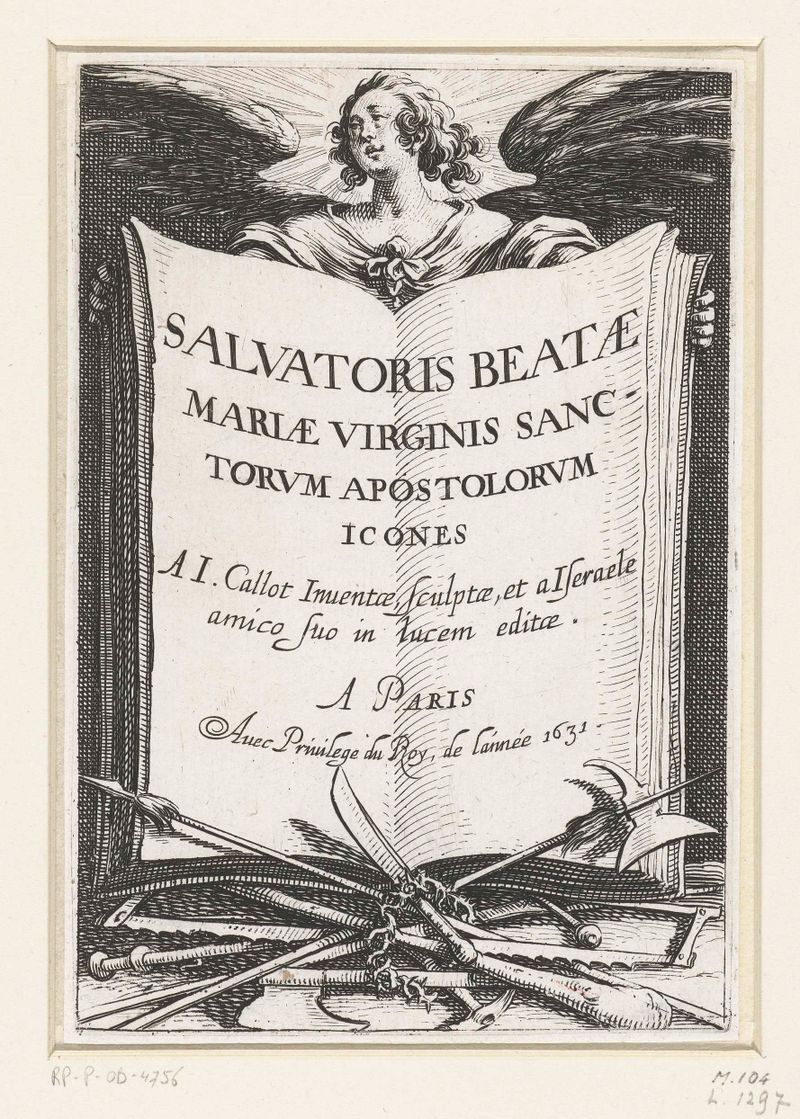
Titelprent voor de prentreeks 'De grote apostelen' (Christus, Maria en de apostelen)
Jacques Callot

Christus aan het volk getoond (Ecce homo)
Jacques Callot
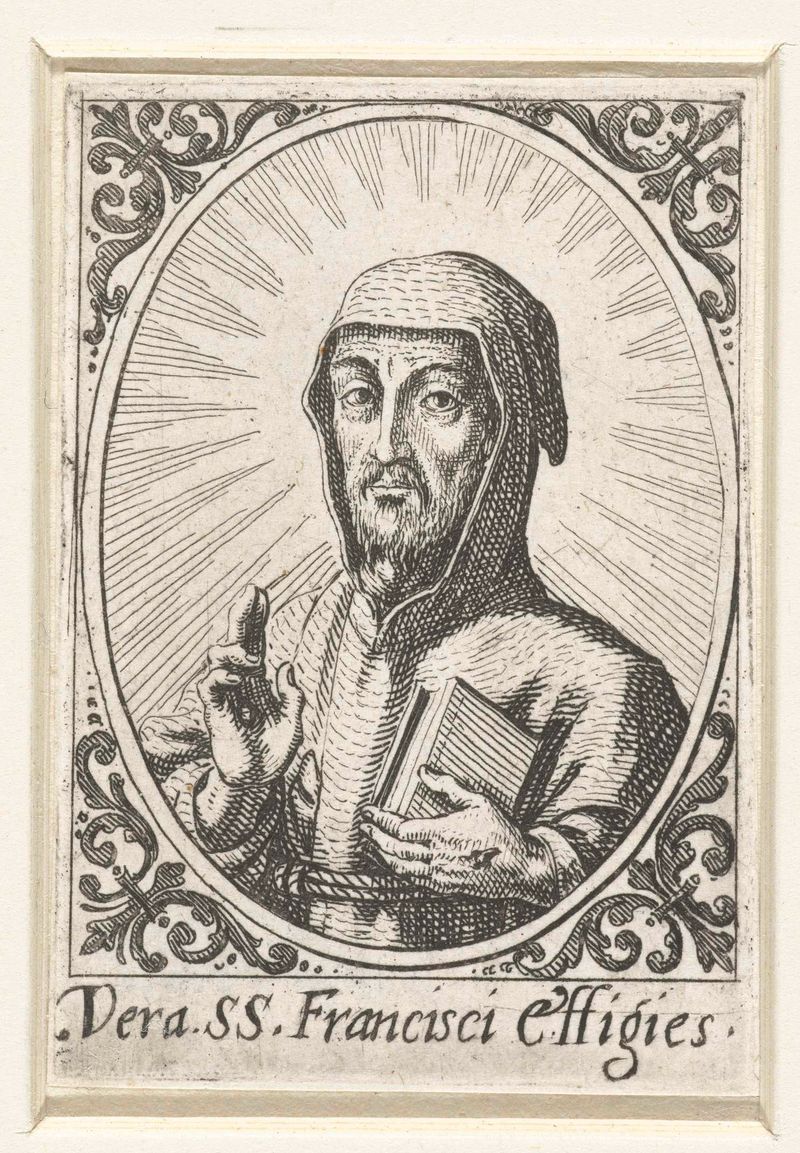
Portret van de Heilige Franciscus
Jacques Callot
More Religious Art
Browse all →
The Return of the Prodigal Son
Rembrandt van Rijn

The Garden of Earthly Delights
El Bosco

Count Orgaz’ funeral
El Greco

The Hundred Guilder Print: the central piece with Christ preaching, the plate arched
Rembrandt van Rijn

The Descent from the Cross
Rogier van der Weyden

The return of the prodigal son
Rembrandt van Rijn