
Hengelen — History & Facts
Who listens when art speaks of silence? In Wenceslaus Hollar's Hengelen, the stillness vibrates, inviting contemplation and inviting the viewer to delve into a world where whispers are profound and silence holds stories untold. Look to the center of the composition where a serene landscape unfolds, meticulously etched with a delicate hand. The soft strokes create a tapestry of nature: a gentle river meanders through lush greenery under a vast sky. Notice how the light dances subtly across the water, reflecting a tranquil harmony that contrasts with the detail in the foreground, where the smooth contours of trees and foliage invite exploration and reverie. Beneath the surface lies a rich interplay of tension and tranquility.
The serene landscape is punctuated by hints of life—a solitary figure stands near the riverbank, embodying a moment of introspection. Their presence suggests a connection to nature, yet the absence of motion evokes a contemplative stillness. The artist invites us to ponder the duality of presence and absence, urging us to embrace the silence and find meaning in the footfalls of solitude. Created in 1671, Hengelen emerges from Hollar's time in England, where he sought refuge from the upheaval of the Thirty Years' War.
The work reflects not only his mastery of etching but also the Baroque era's fascination with the interplay of light and nature. Amidst significant shifts in art, Hollar carved out his unique voice, capturing the serene essence of landscapes while weaving in a sense of narrative that resonates through the ages.
More Artworks by Wenceslaus Hollar
Browse all →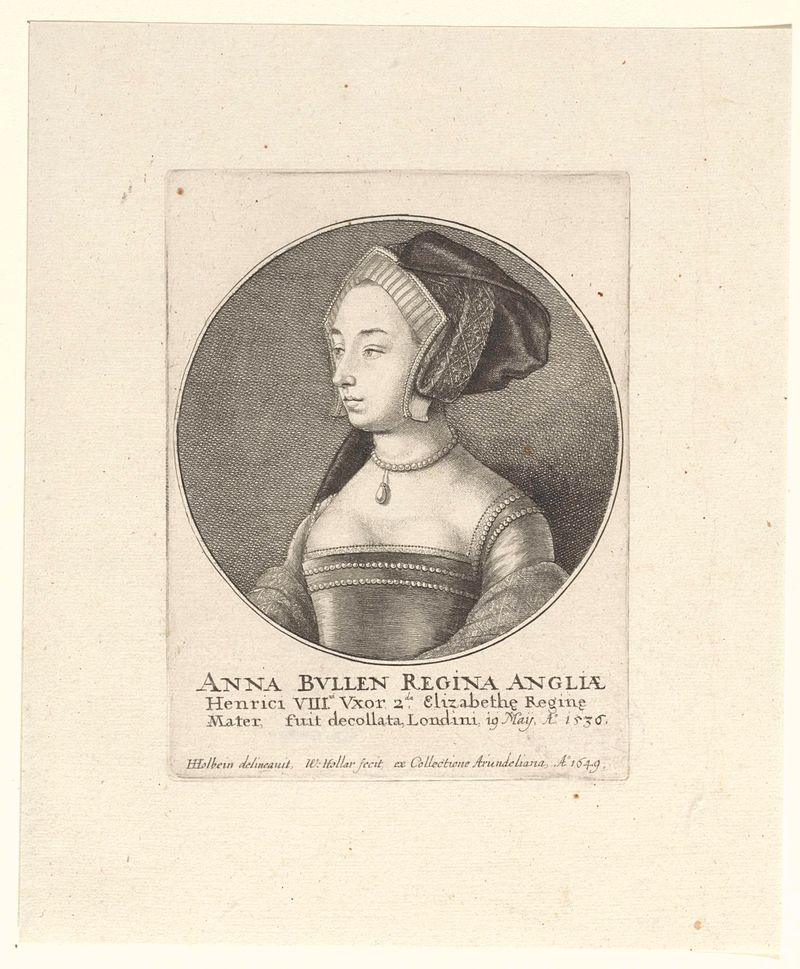
Portret van Anna Boleyn, koningin van Engeland
Wenceslaus Hollar
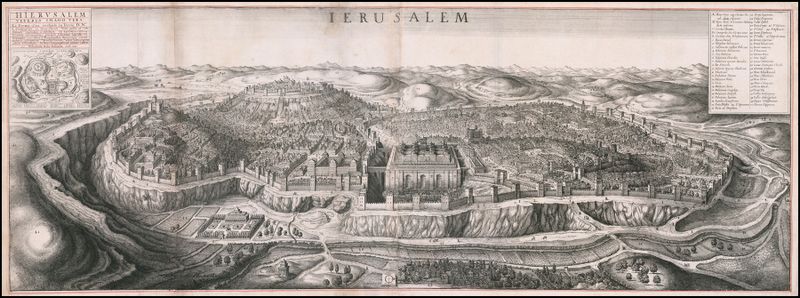
Bird’s eye view of Jerusalem
Wenceslaus Hollar
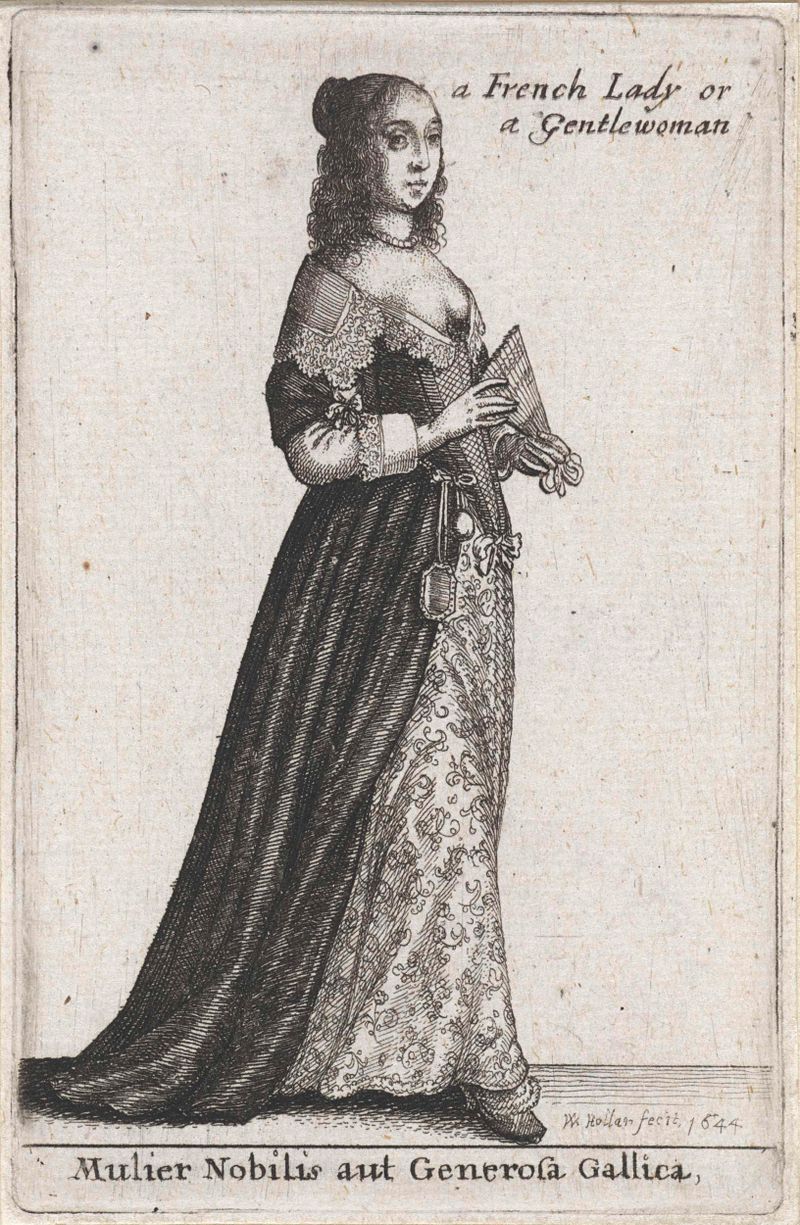
Mulier Nobilis aut Generosa Gallica / a French Lady or Gentlewoman
Wenceslaus Hollar
Titelprent voor: Ornatus Muliebris Anglicanus
Wenceslaus Hollar
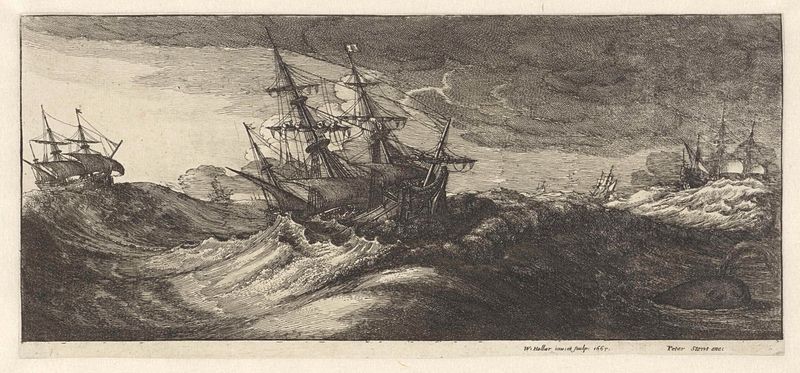
Oorlogsschepen en een walvis in een zeestorm
Wenceslaus Hollar
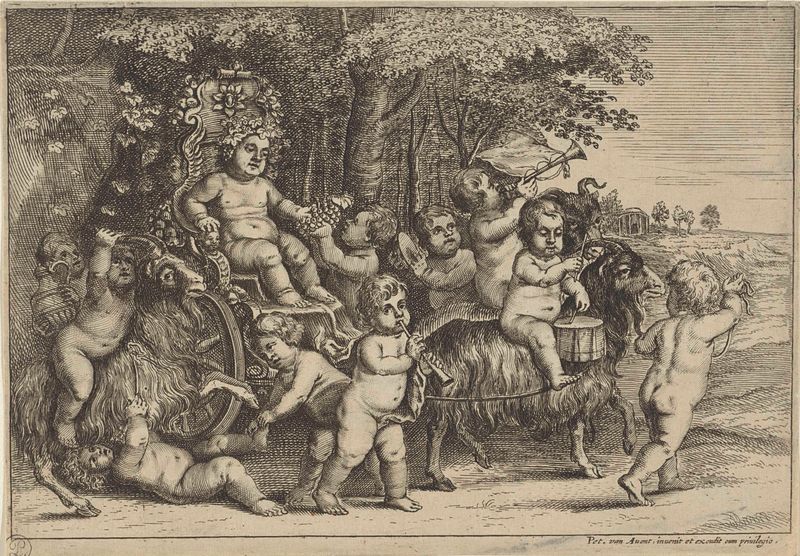
Optocht van bacchant en jongetjes op geiten
Wenceslaus Hollar
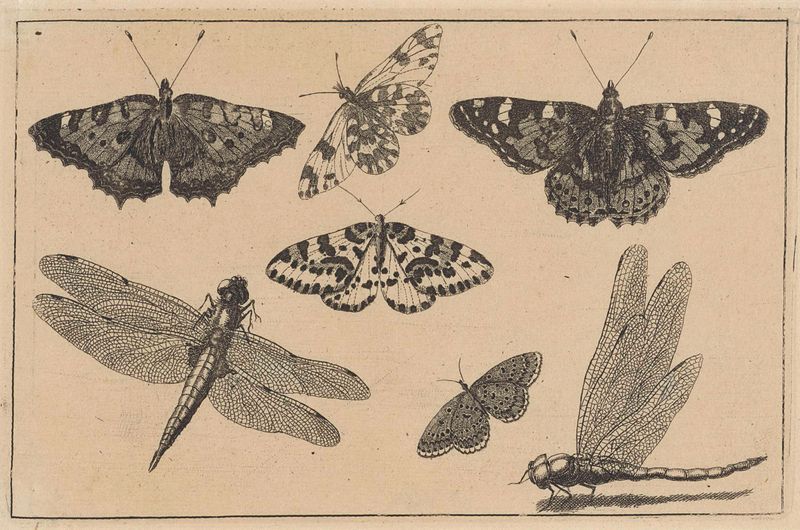
Twee libellen en vijf vlinders
Wenceslaus Hollar
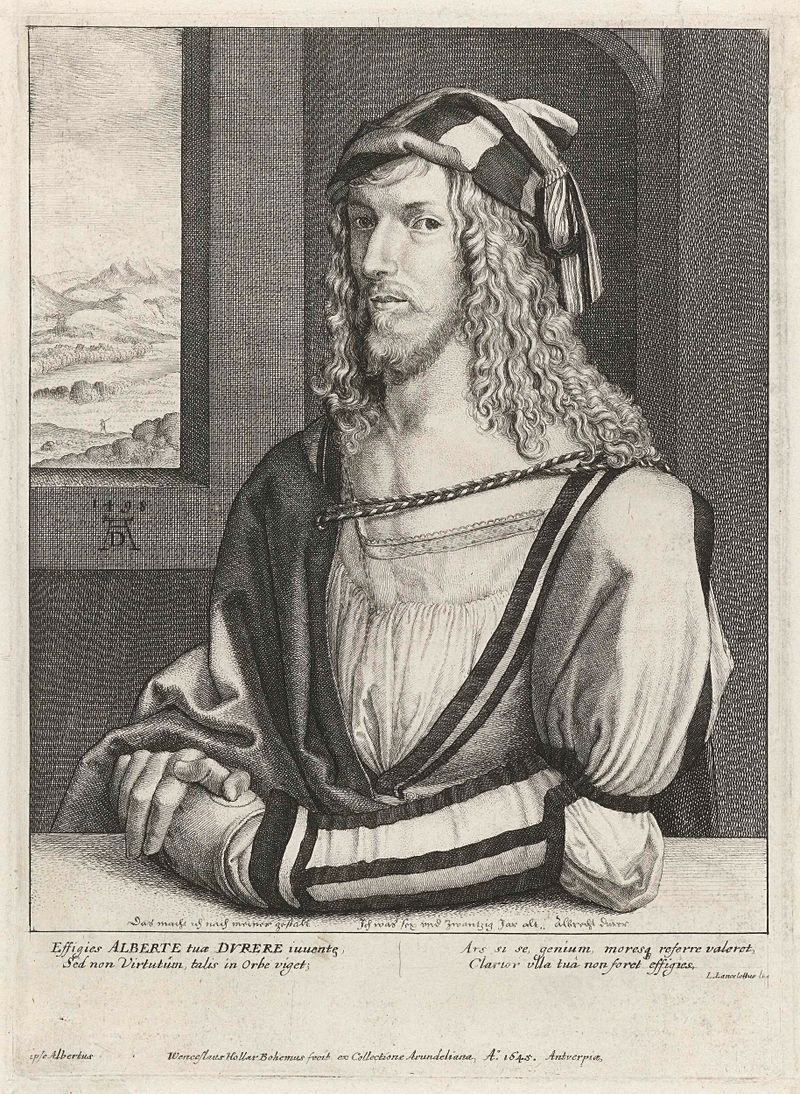
Portret van Albrecht Dürer
Wenceslaus Hollar
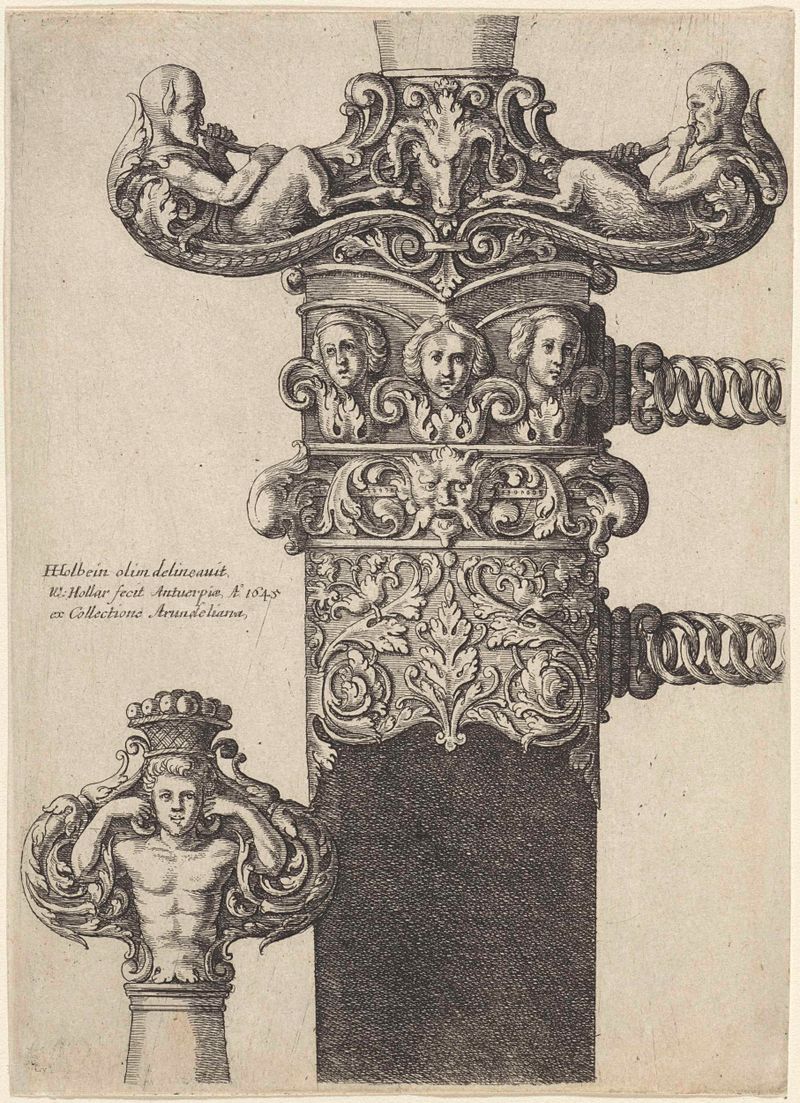
Ornamenteel ontwerp voor een dolk
Wenceslaus Hollar
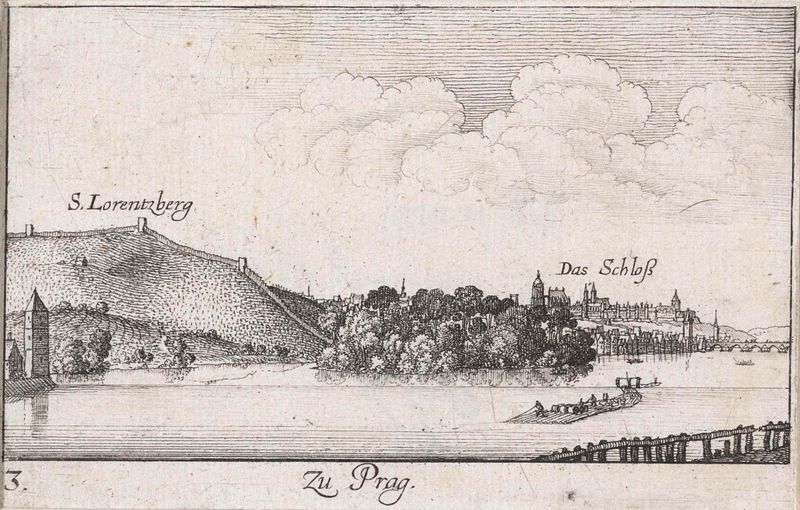
Gezicht op Praag vanaf de Moldau
Wenceslaus Hollar





