
Herbstabend am See — History & Facts
This sentiment reverberates deeply in the quiet expanse of a serene landscape, where stillness speaks volumes and emptiness beckons reflection. Look to the center of the canvas to see the shimmering surface of the lake, its placid waters mirroring the twilight sky, painted in hues of amber and deep blue. Notice how the soft brushstrokes create a sense of gentle movement, as if the landscape itself is breathing, whispering secrets of the evening. The trees on the shore stand sentinel, their dark silhouettes framing the glow that radiates from the horizon, inviting the viewer to linger just a moment longer in this delicate balance between day and night. Delve deeper, and you may find contrasts that stir the soul.
The warmth of the sunset, a fleeting moment of beauty, juxtaposes the encroaching shadows that hint at solitude and introspection. The stillness of the water reflects not only light but also the emotional weight of quiet contemplation, suggesting a longing that transcends the picturesque scene. It encapsulates the duality of existence—where vibrant colors promise life, yet the lurking dusk whispers of inevitable change and emptiness. In 1902, Adolf Kaufmann, a noted landscape painter, created this work amid a burgeoning appreciation for nature in art.
Living in Germany, Kaufmann was influenced by the transition towards modernity while still embracing the romantic ideals of the past. This period was marked by a profound exploration of emotional depth in landscapes, and Herbstabend am See captures the essence of that era, inviting viewers to explore the beauty that often hides within stillness and solitude.
More Artworks by Adolf Kaufmann
Browse all →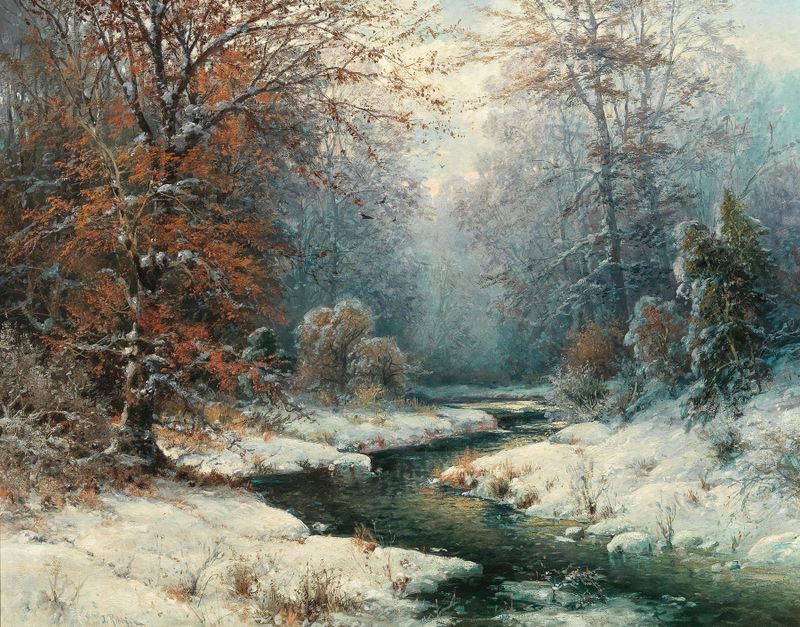
Winterliche Flusslandschaft
Adolf Kaufmann
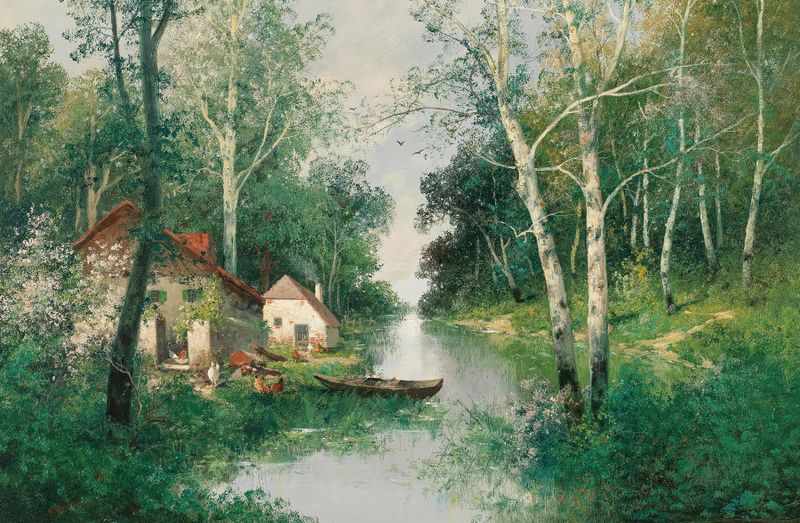
A River Landscape in Spring
Adolf Kaufmann
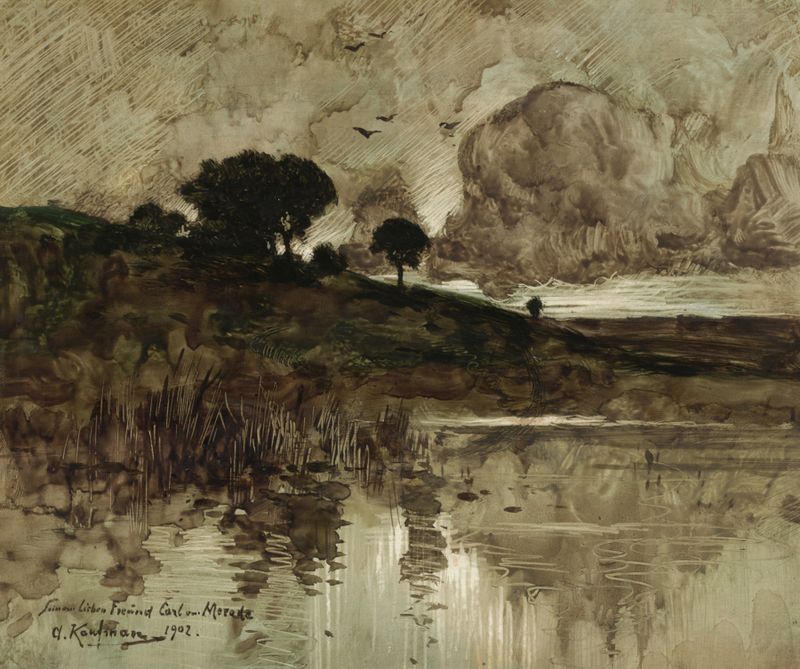
Herbstabend am See
Adolf Kaufmann
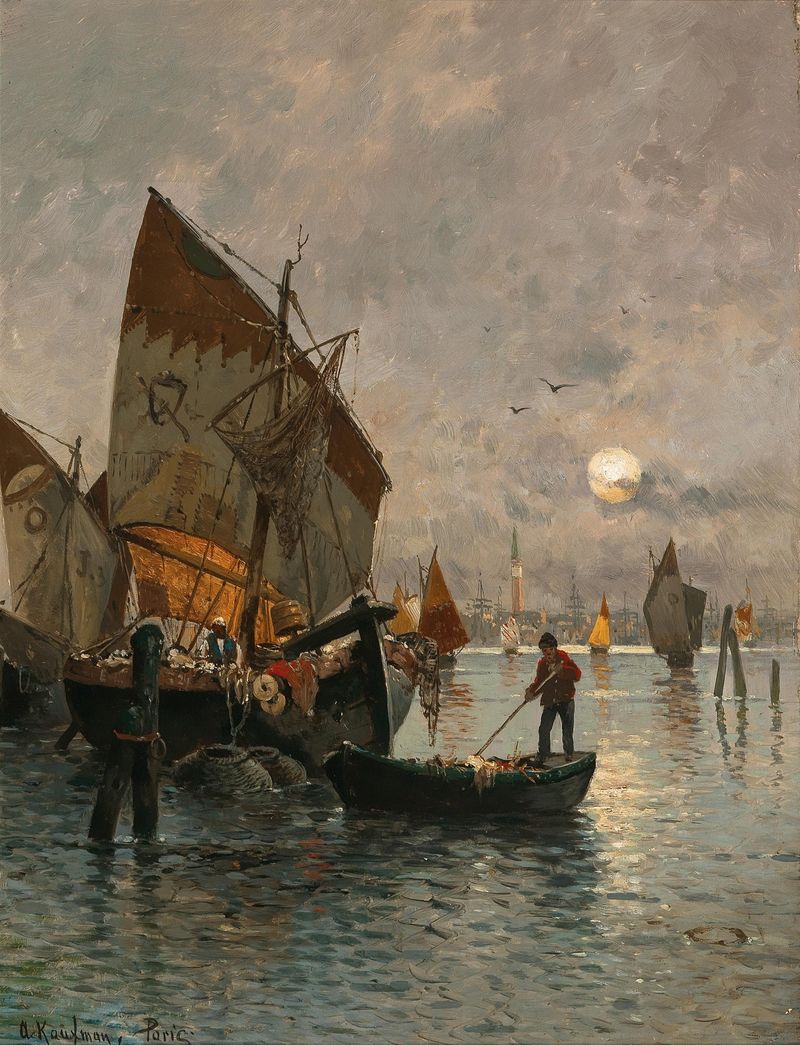
In der Lagune Venedigs
Adolf Kaufmann
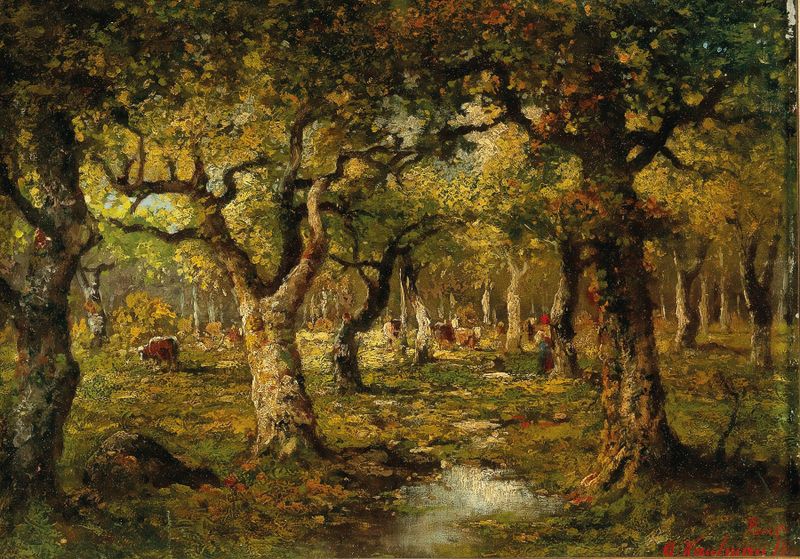
In the Forest of Barbizon
Adolf Kaufmann
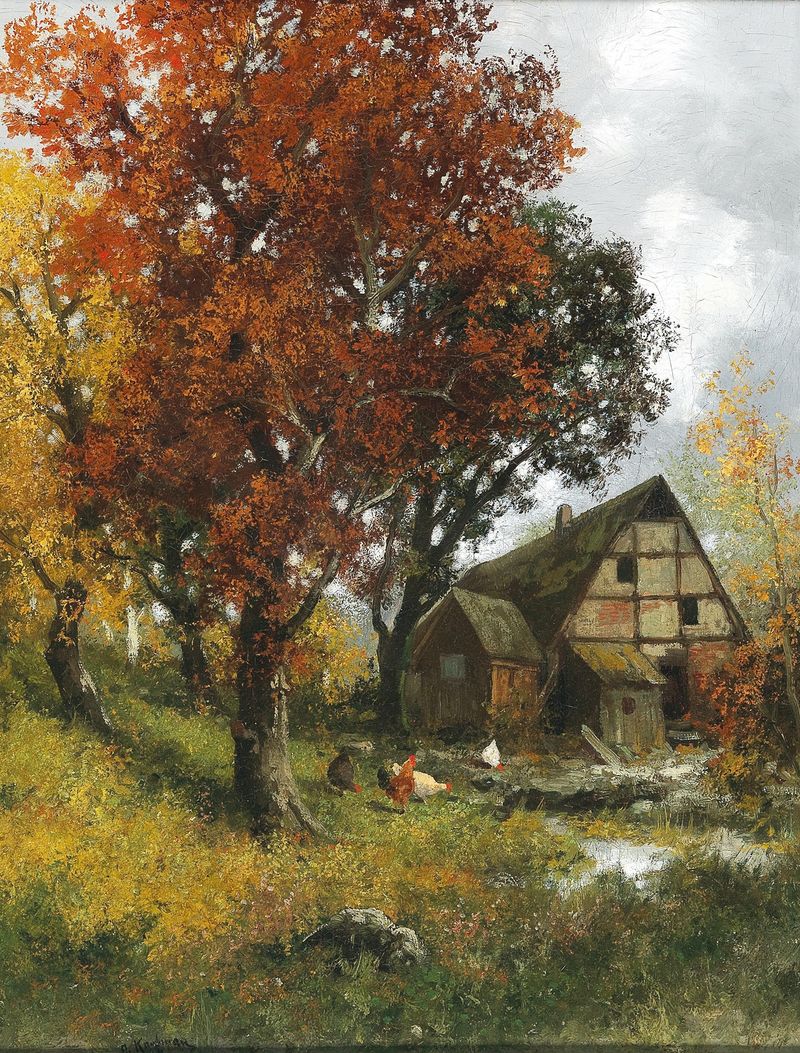
A Mill in an Autumnal Forest
Adolf Kaufmann
Mühle im Herbstwald
Adolf Kaufmann
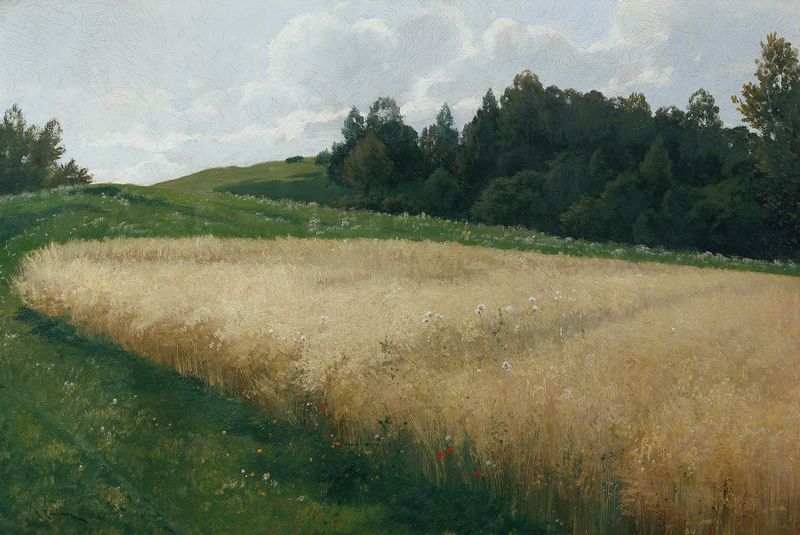
Das Haferfeld
Adolf Kaufmann
Sonnenuntergang an der griech. Küste
Adolf Kaufmann
Steamboat and Fishing Boats at Sea
Adolf Kaufmann





