
Herfst — History & Facts
Can paint confess what words never could? In Herfst, Wenceslaus Hollar captures the essence of solitude that lingers in the autumn air. The season, with its vibrant hues and fleeting beauty, becomes a silent witness to the heart's unspoken yearnings. Look closely at the foreground, where a carpet of russet leaves sprawls across the ground, their intricate lines echoing a sense of decay and transformation. The stark contrast between the lively palette of oranges and browns against the somber, gray sky draws the eye upward, leading to the distant horizon.
Each brushstroke reveals Hollar's meticulous technique, emphasizing both texture and depth, imbuing the scene with a haunting stillness that lingers in the soul. As you explore the composition, consider the subtle interplay between abundance and desolation. The trees, stripped of their leaves, stand tall yet barren, mirroring the human experience of loss intertwined with beauty. Shadows gather in the contours, whispering secrets of loneliness, while the warm colors evoke an emotional warmth that battles the encroaching chill of winter.
Hollar's delicate balance of these elements reflects the bittersweet nature of change and the transient joys of life. In 1641, Hollar was living in Antwerp, having fled the turmoil of his native Prague. The art world was slowly emerging from the Baroque period, moving towards new explorations in landscape and still life. This painting, a testament to both his technical prowess and emotional depth, reflects the somber yet beautiful realities of the human experience during a time of personal and societal upheaval.
More Artworks by Wenceslaus Hollar
Browse all →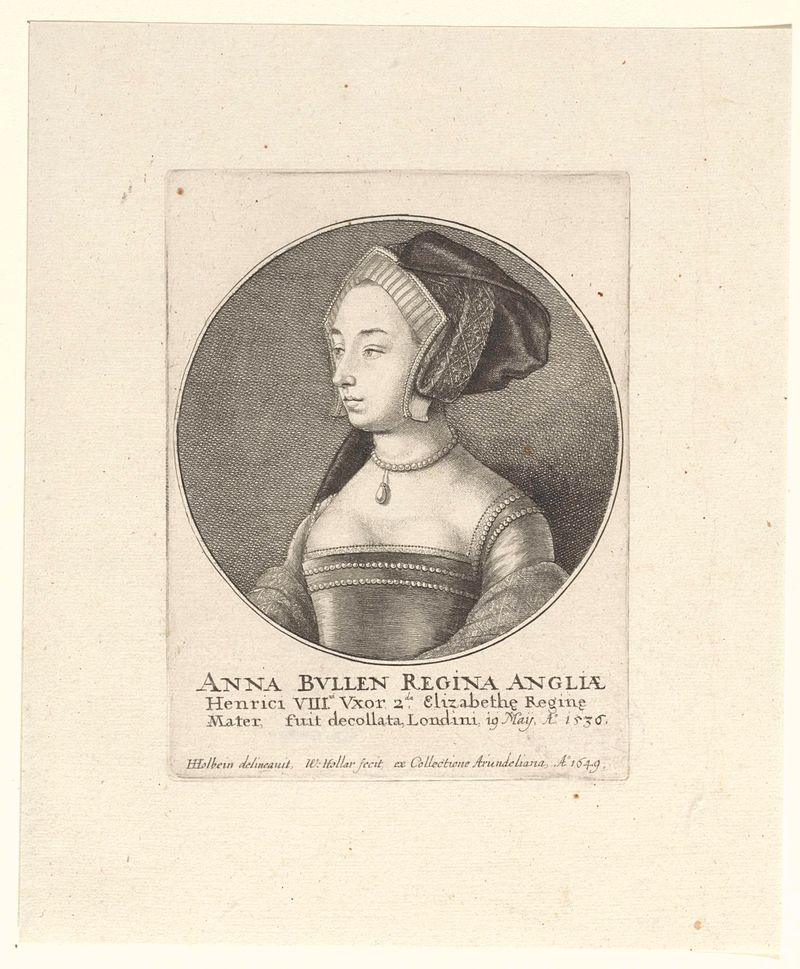
Portret van Anna Boleyn, koningin van Engeland
Wenceslaus Hollar
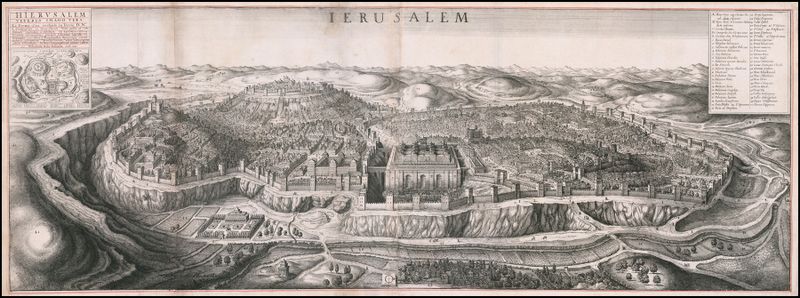
Bird’s eye view of Jerusalem
Wenceslaus Hollar
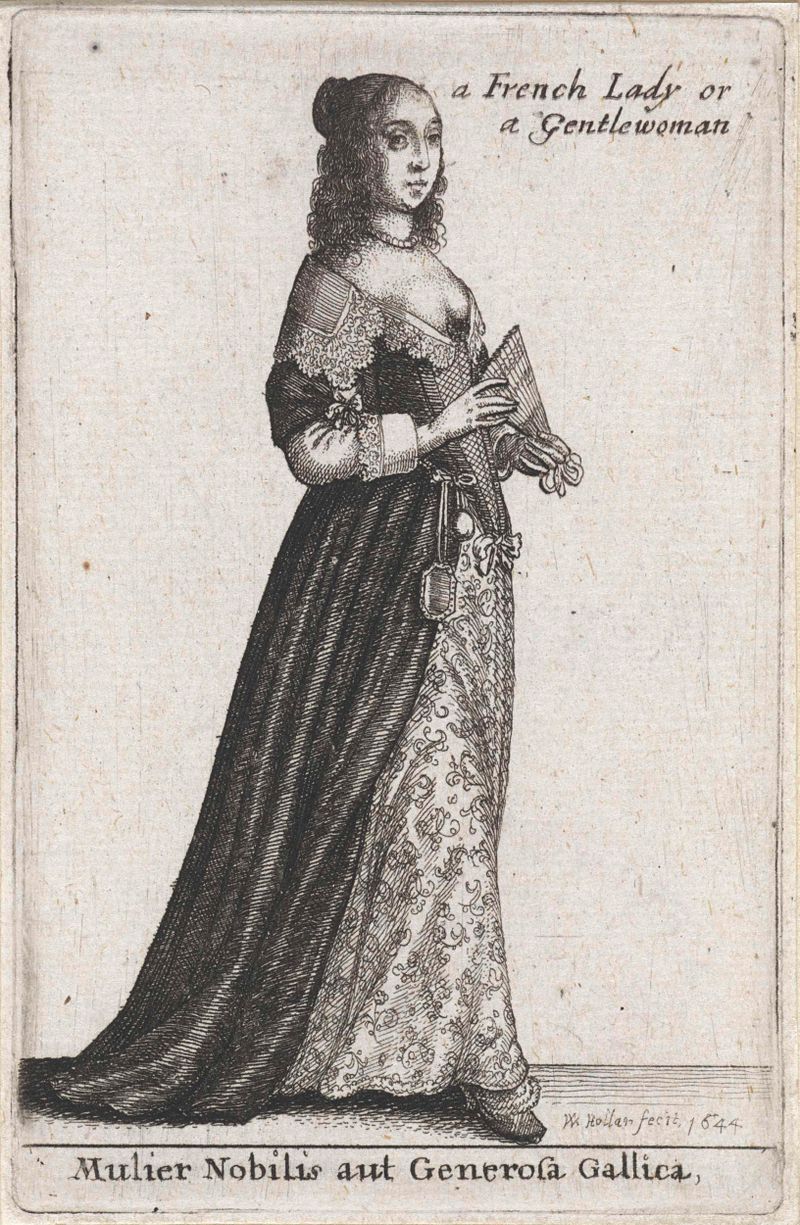
Mulier Nobilis aut Generosa Gallica / a French Lady or Gentlewoman
Wenceslaus Hollar
Titelprent voor: Ornatus Muliebris Anglicanus
Wenceslaus Hollar
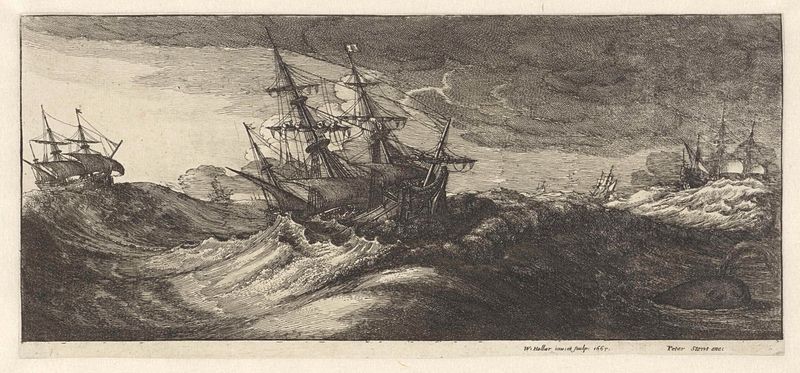
Oorlogsschepen en een walvis in een zeestorm
Wenceslaus Hollar
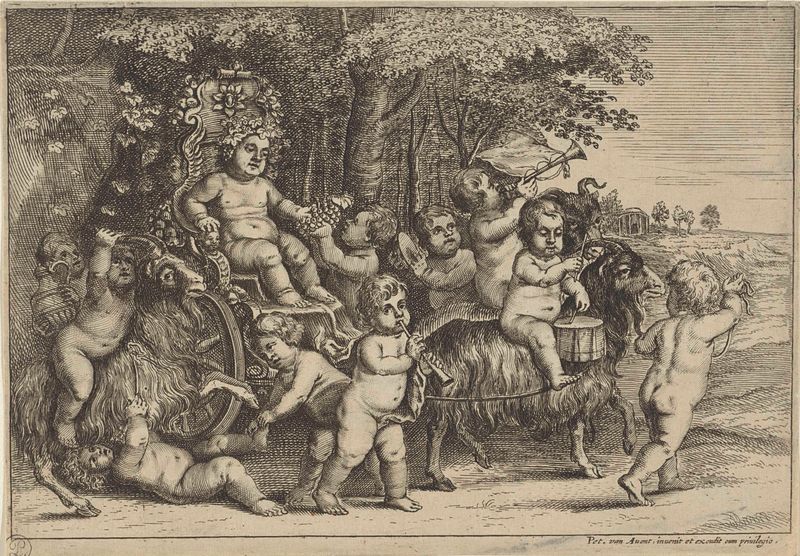
Optocht van bacchant en jongetjes op geiten
Wenceslaus Hollar
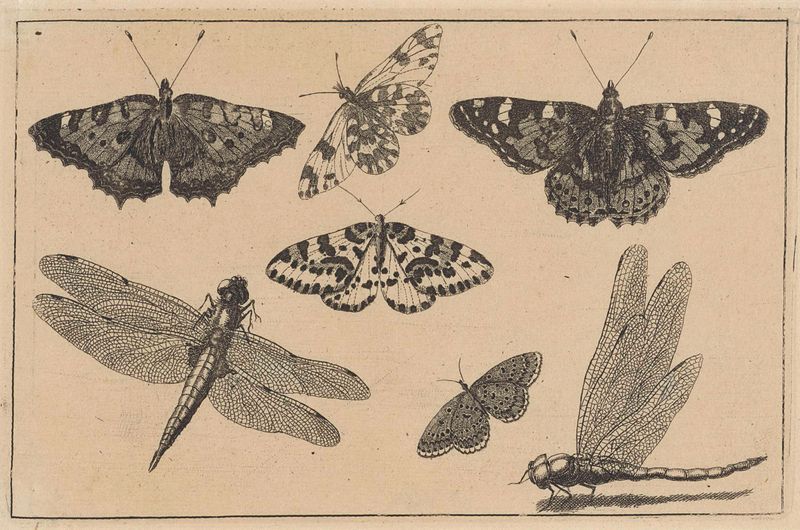
Twee libellen en vijf vlinders
Wenceslaus Hollar
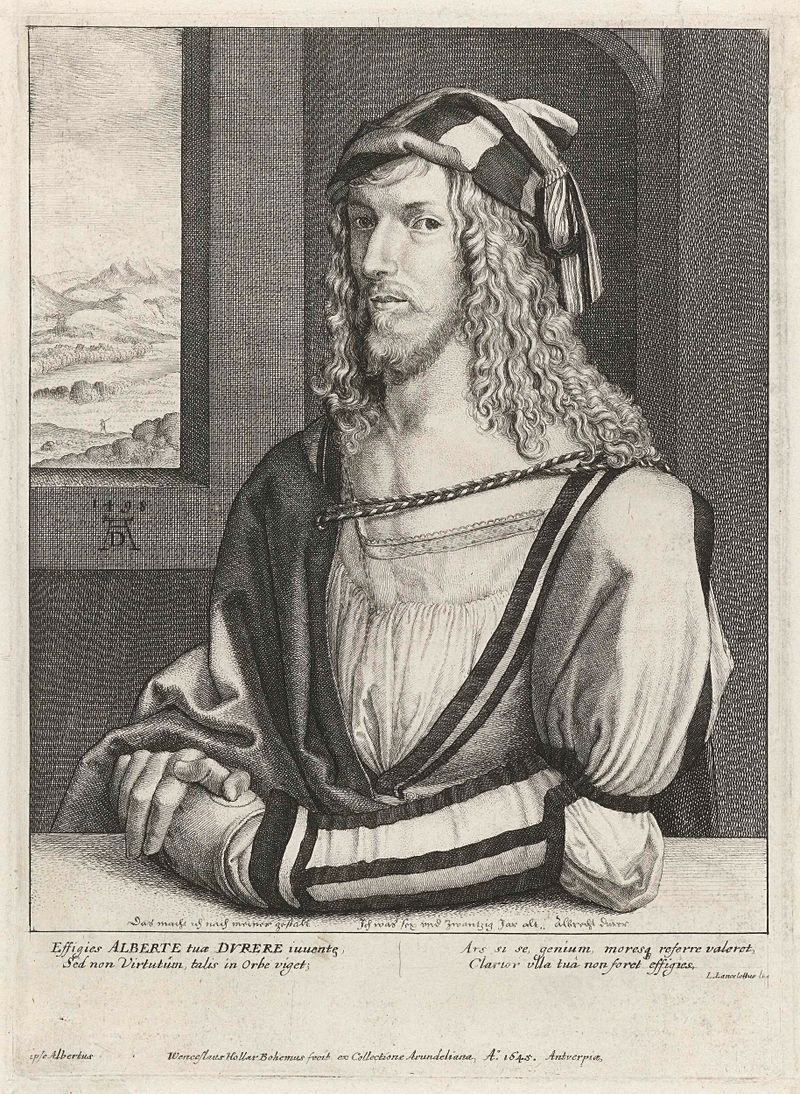
Portret van Albrecht Dürer
Wenceslaus Hollar
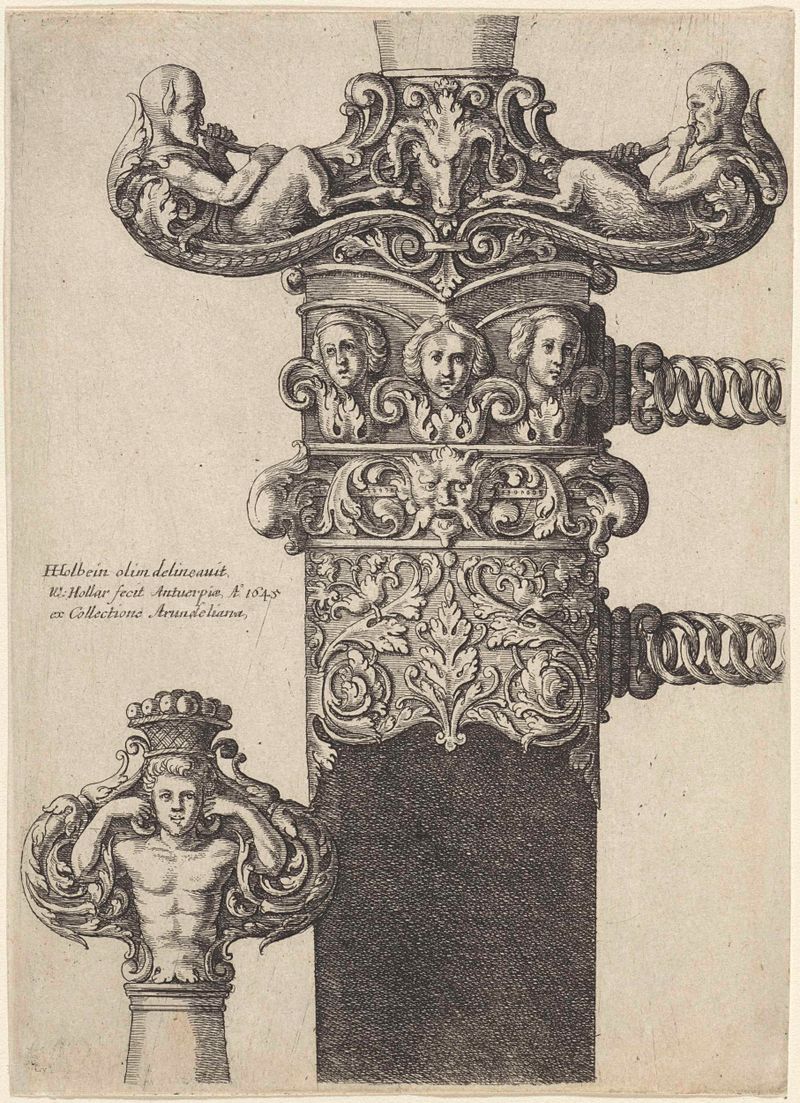
Ornamenteel ontwerp voor een dolk
Wenceslaus Hollar
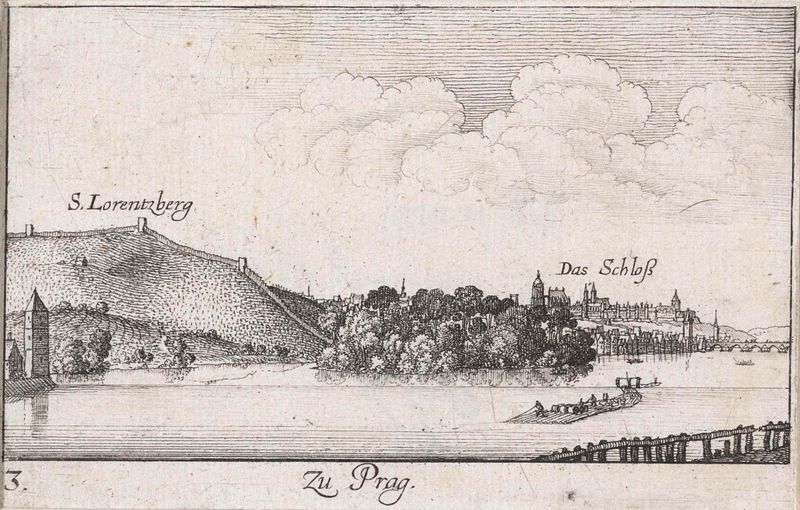
Gezicht op Praag vanaf de Moldau
Wenceslaus Hollar





