
Herstmonceux Castle, East Sussex: The Chicken Court — History & Facts
In moments of stillness, truth reveals itself through the brushstrokes of creativity, unveiling layers of life often overlooked. Begin your journey by looking towards the left side of the canvas, where a cluster of figures emanates a palpable warmth, their gestures and expressions brimming with a vibrant social energy. The earthy palette of browns and greens draws you into the lush surroundings of the castle courtyard, where the play of light dances across the scene, illuminating the textures of the scene and hinting at stories both mundane and profound. Notice the intricate detailing of the weathered stones and the soft, feathered forms of the chickens, bridging the gap between nature and the constructed world. As the eye wanders, subtle contrasts emerge between the lively figures and the stoic remnants of the castle—a symbol of history juxtaposed with the fleeting moments of everyday life.
The chickens, often overlooked, symbolize both freedom and confinement, representing the mundane against the backdrop of an imposing fortress. The scene captures a delicate balance between the transient and the eternal, compelling the viewer to reflect on the nature of existence and the stories that unfold in the spaces we inhabit. James Lambert of Lewes painted this work during a time when English art was increasingly turning towards naturalism, capturing everyday life with a keen eye for detail. Although the exact date remains unknown, Lambert's career in the late 18th century reflects a growing appreciation for the ordinary amidst the grand narratives of history, mirroring societal shifts in a world poised between the Enlightenment and emerging Romanticism.
More Artworks by James Lambert of Lewes
Browse all →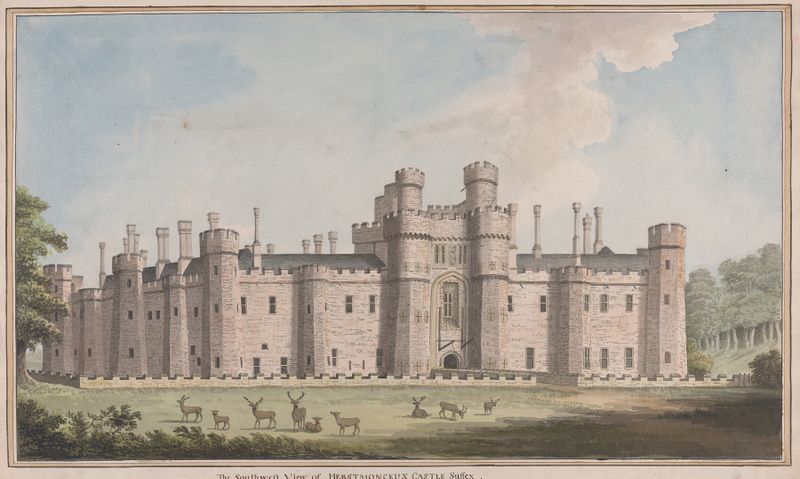
Herstmonceux Castle, East Sussex: South West View
James Lambert of Lewes
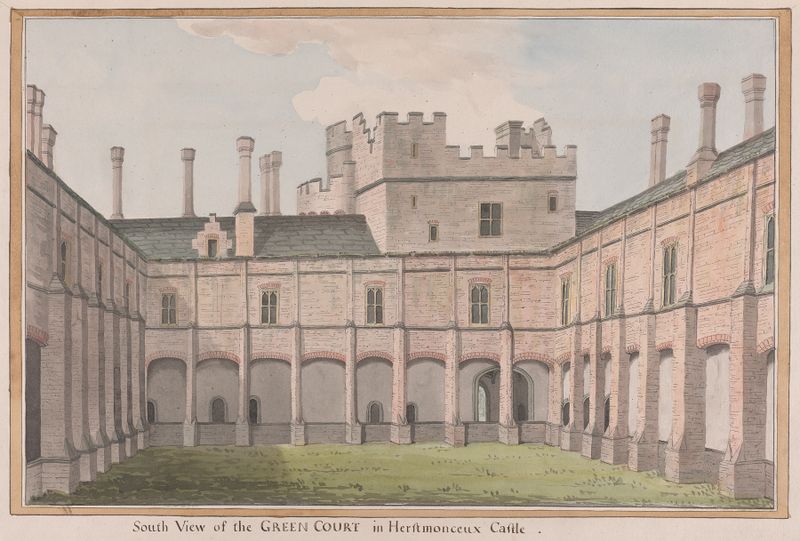
Herstmonceux Castle, East Sussex: South View of the Green Court
James Lambert of Lewes
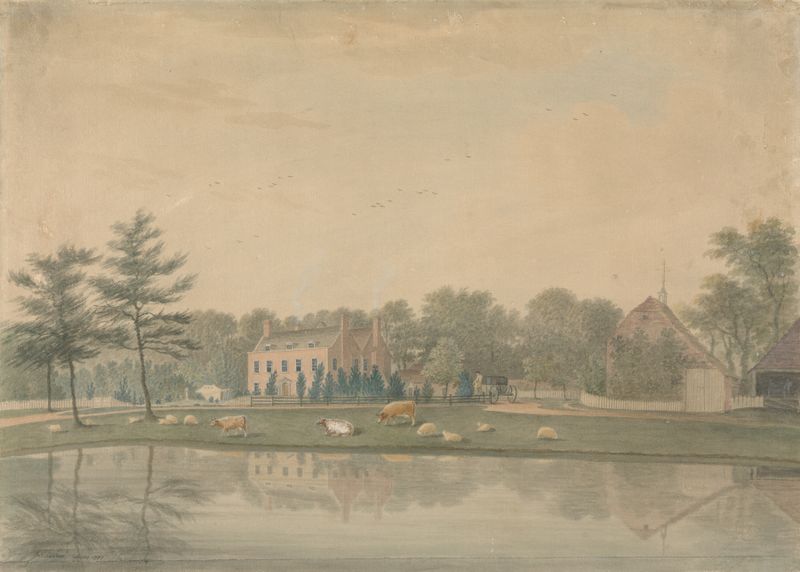
North East View of a House at Ringmer with Cattle and Sheep by a Pond
James Lambert of Lewes
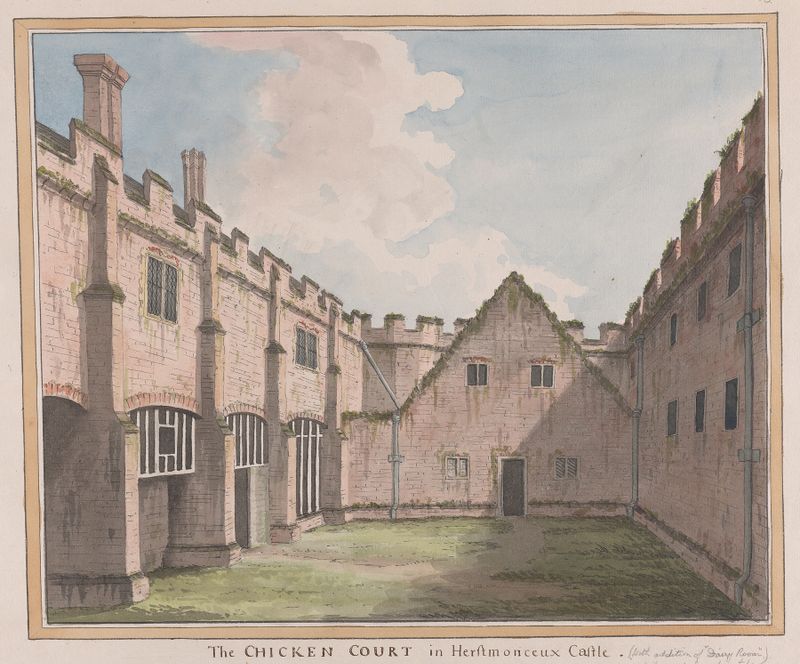
Herstmonceux Castle, East Sussex: The Chicken Court.
James Lambert of Lewes
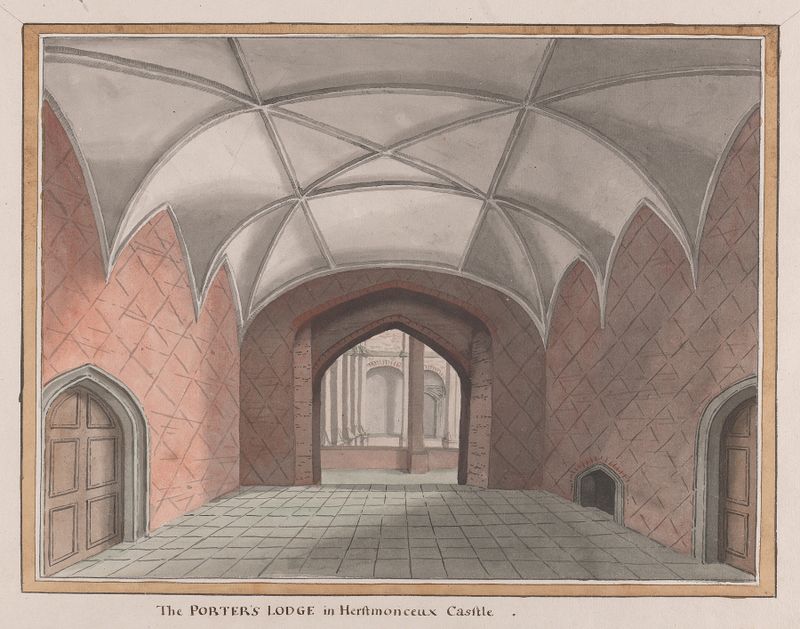
Herstmonceux Castle, East Sussex: The Porter’s Lodge
James Lambert of Lewes
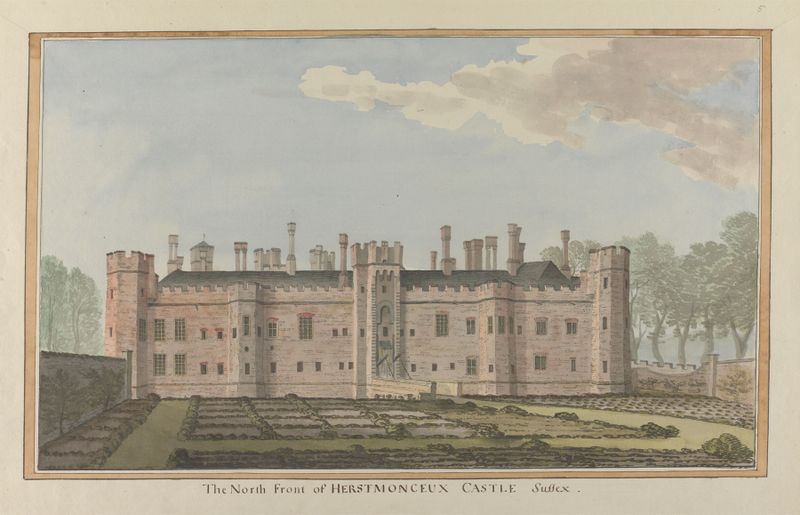
Herstmonceux Castle, East Sussex: The North Front
James Lambert of Lewes
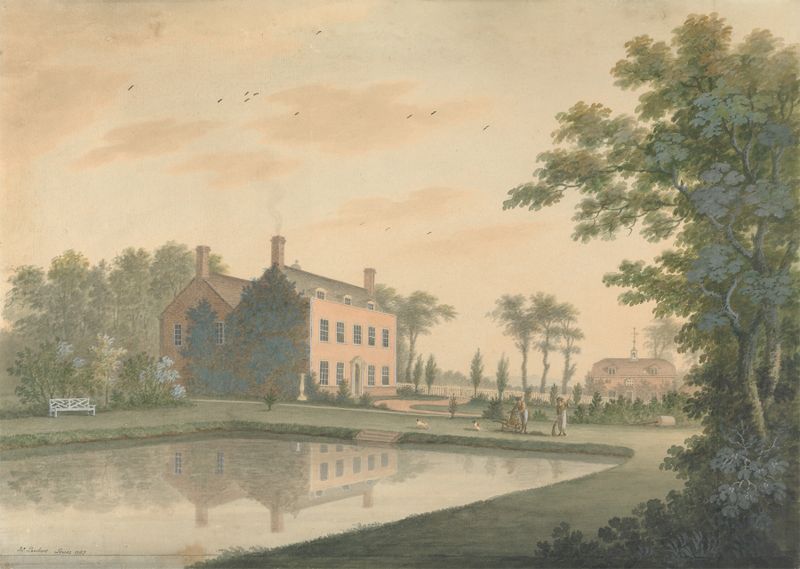
South View of a House at Ringmer with Gardeners at Work
James Lambert of Lewes
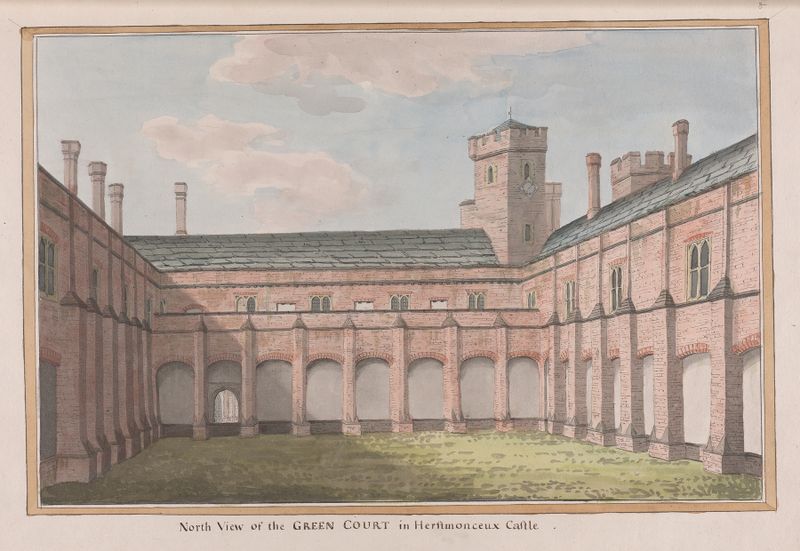
Herstmonceux Castle, East Sussex: North View of the Green Court
James Lambert of Lewes
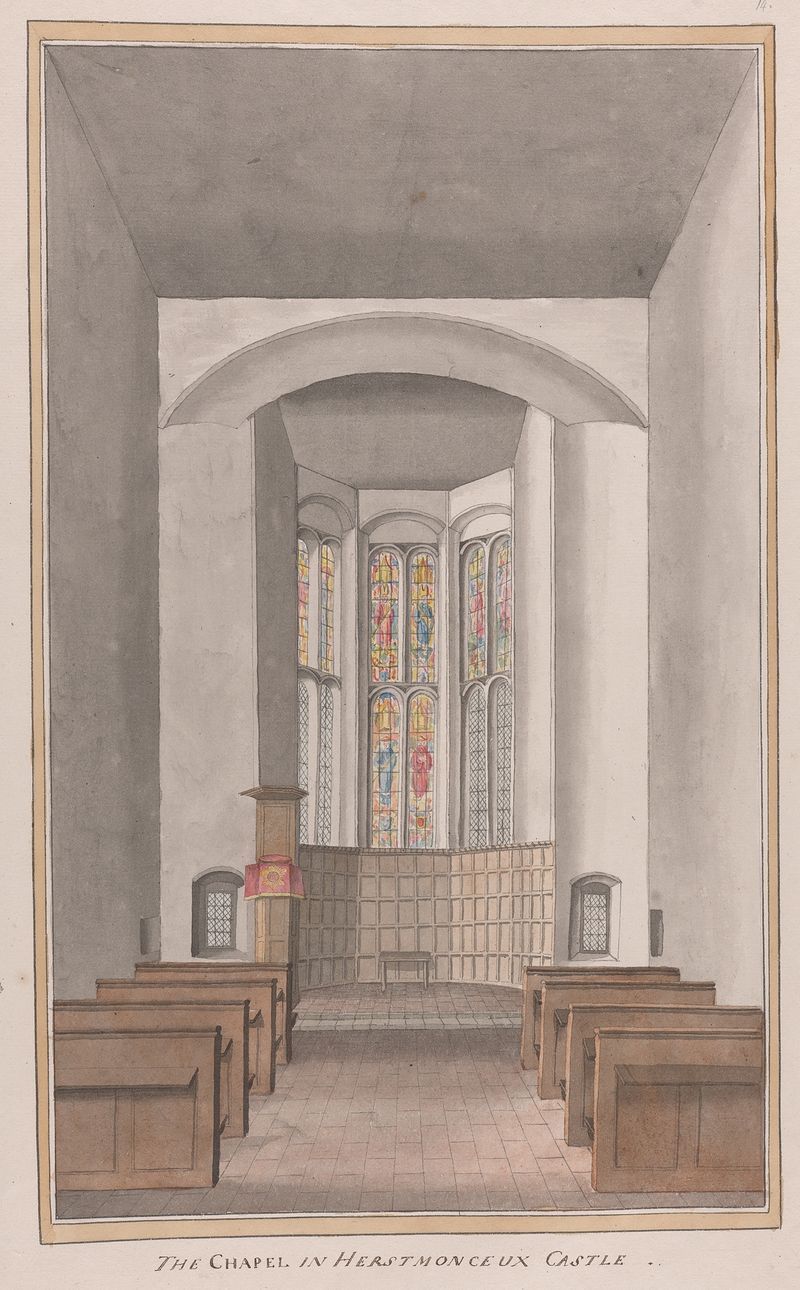
Herstmonceux Castle, East Sussex: The Chapel
James Lambert of Lewes
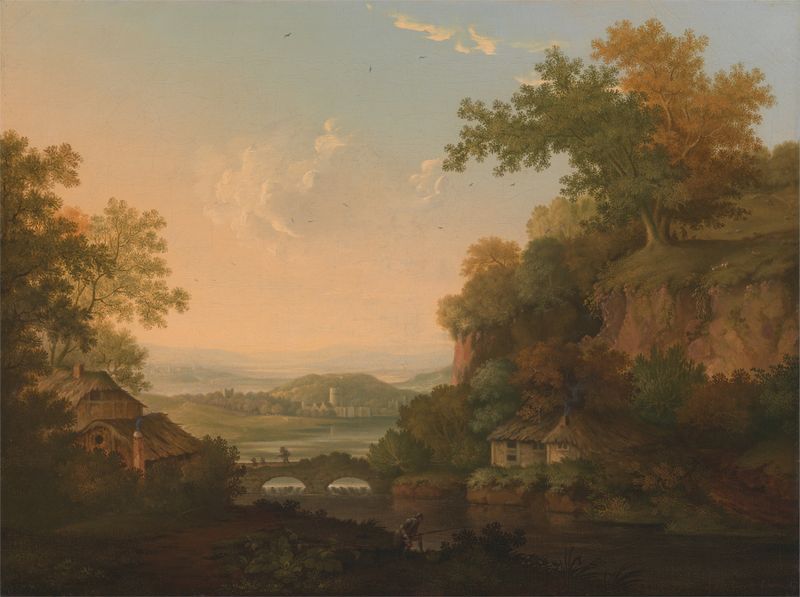
A River Scene with Thatched Huts by a Bridge over a Weir
James Lambert of Lewes





