
Hertogin en de Dood — History & Facts
Could a single brushstroke hold eternity? In Hans Holbein's Hertogin en de Dood, we find ourselves suspended in the delicate balance between life and mortality, a poignant reminder of the inevitable. To appreciate this masterpiece fully, look first to the somber figure of the Dutchess, her expression frozen in serene acceptance. Notice how Holbein employs a muted palette of deep blues and grays, contrasting sharply with the pallid tones of death looming beside her. The light subtly illuminates her elegant garments, drawing attention to the intricate embroidery that speaks to her status while simultaneously hinting at the fragility of human achievement against the dark abyss. As you delve deeper, observe the duality present in the composition.
The juxtaposition of the Duchess's poised demeanor against the skeletal figure of Death subtly articulates the tension between hope and despair. This haunting interplay invites viewers to contemplate their own mortality, as the delicate balance of life hangs in the air, palpable yet ephemeral. The meticulous attention to detail reveals not just artistry but a psychological insight into human existence. In 1538, during a period marked by profound religious and artistic upheaval, Holbein painted this work in England, where he served as court painter.
Straddling the realms of Renaissance humanism and the emerging Reformation, his focus on individual experience and the complexity of existence made works like this resonate deeply, reflecting both personal and societal grappling with the transient nature of life and legacy.
More Artworks by Hans Holbein (II)
Browse all →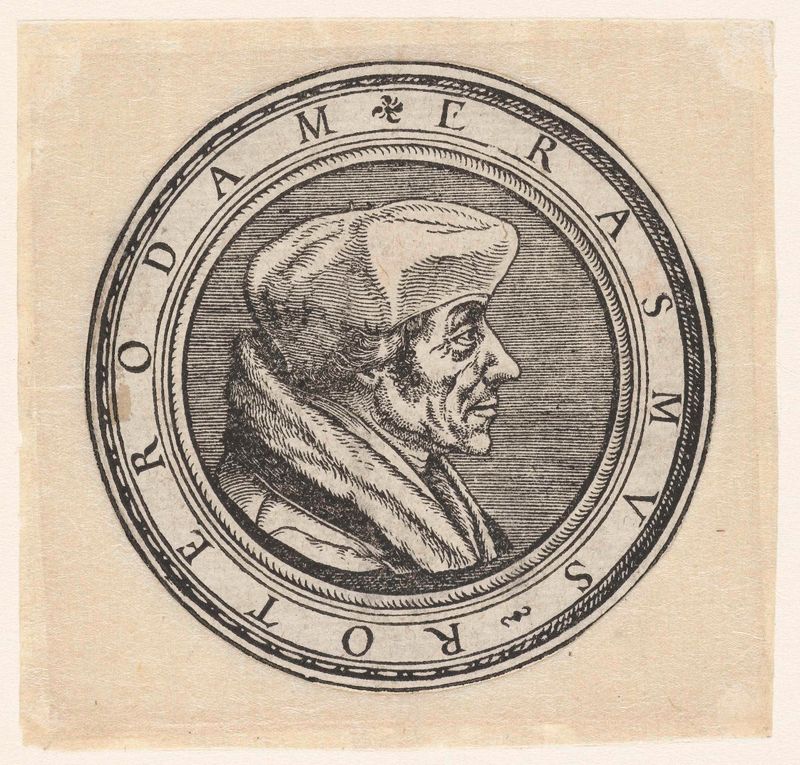
Portret van Erasmus
Hans Holbein (II)
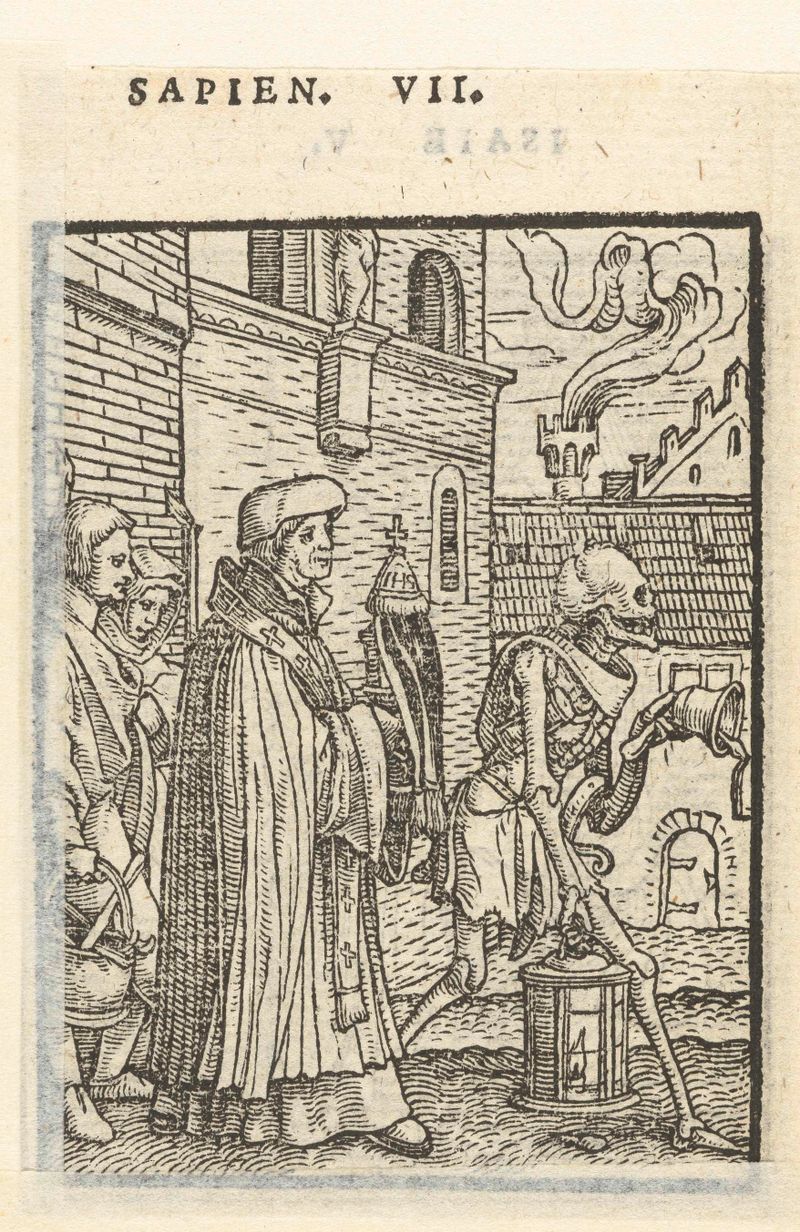
Priester en de Dood
Hans Holbein (II)
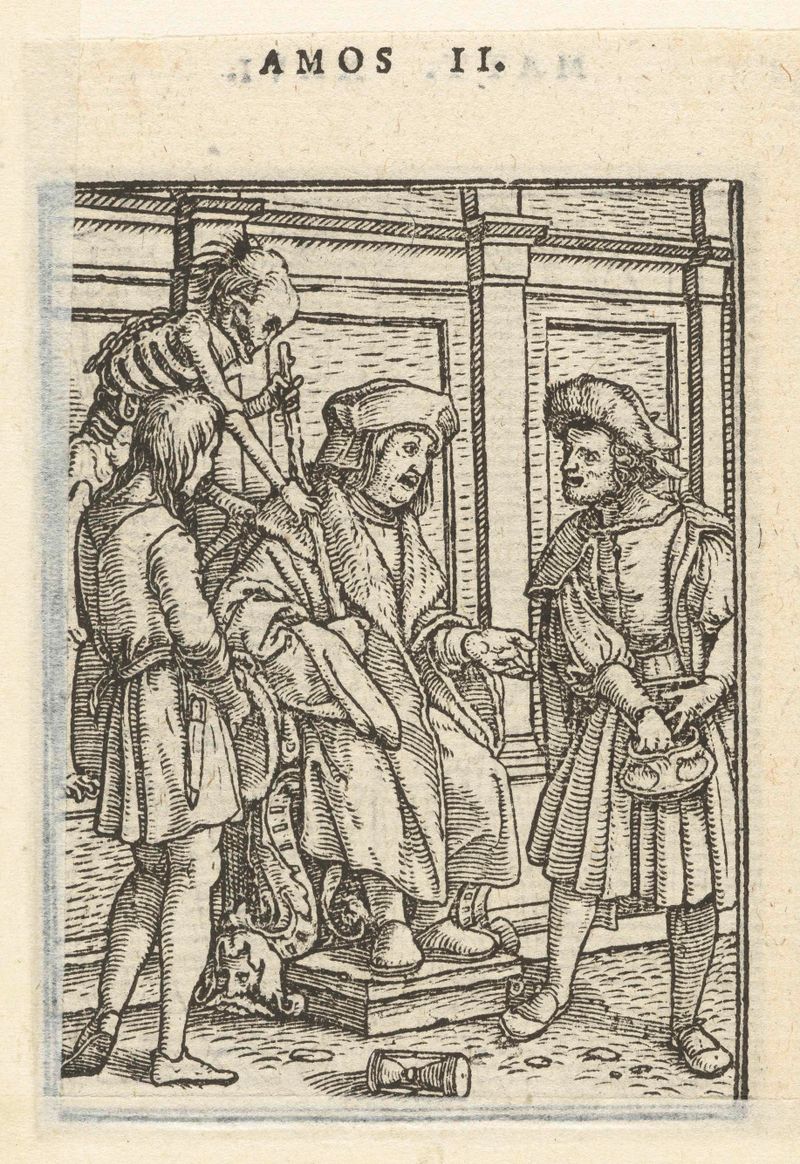
Rechter en de Dood
Hans Holbein (II)
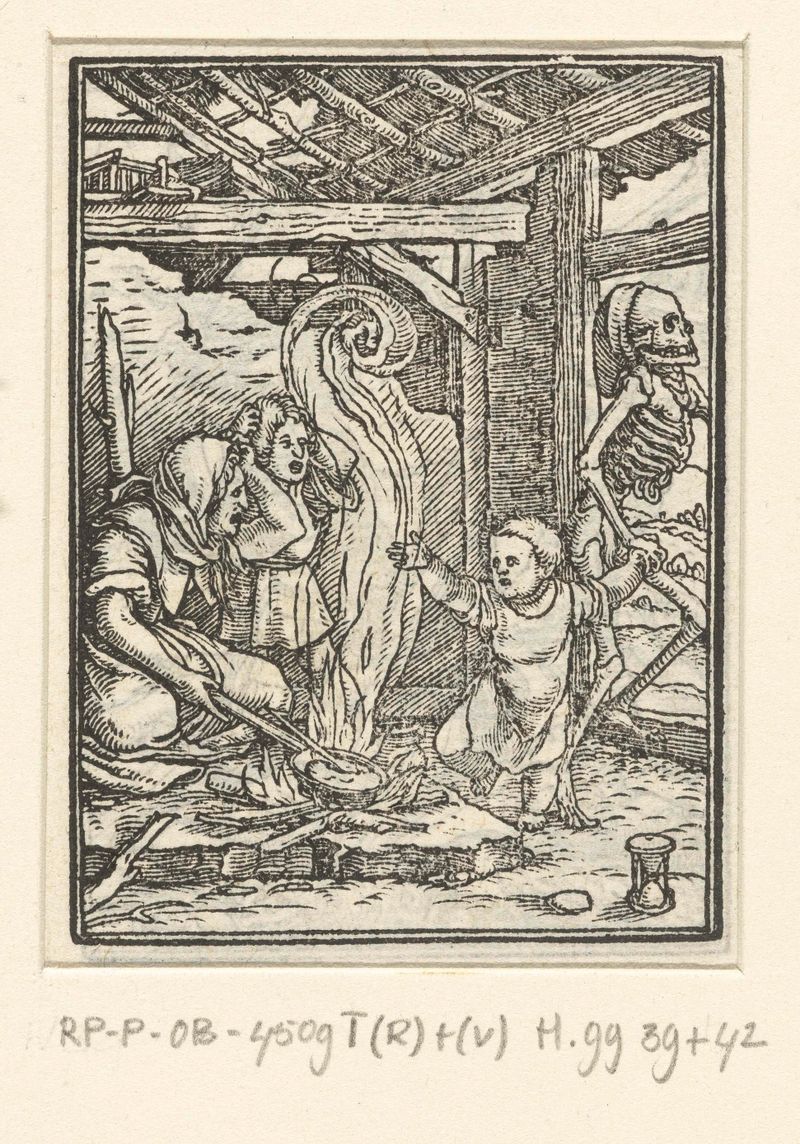
Kind en de Dood
Hans Holbein (II)
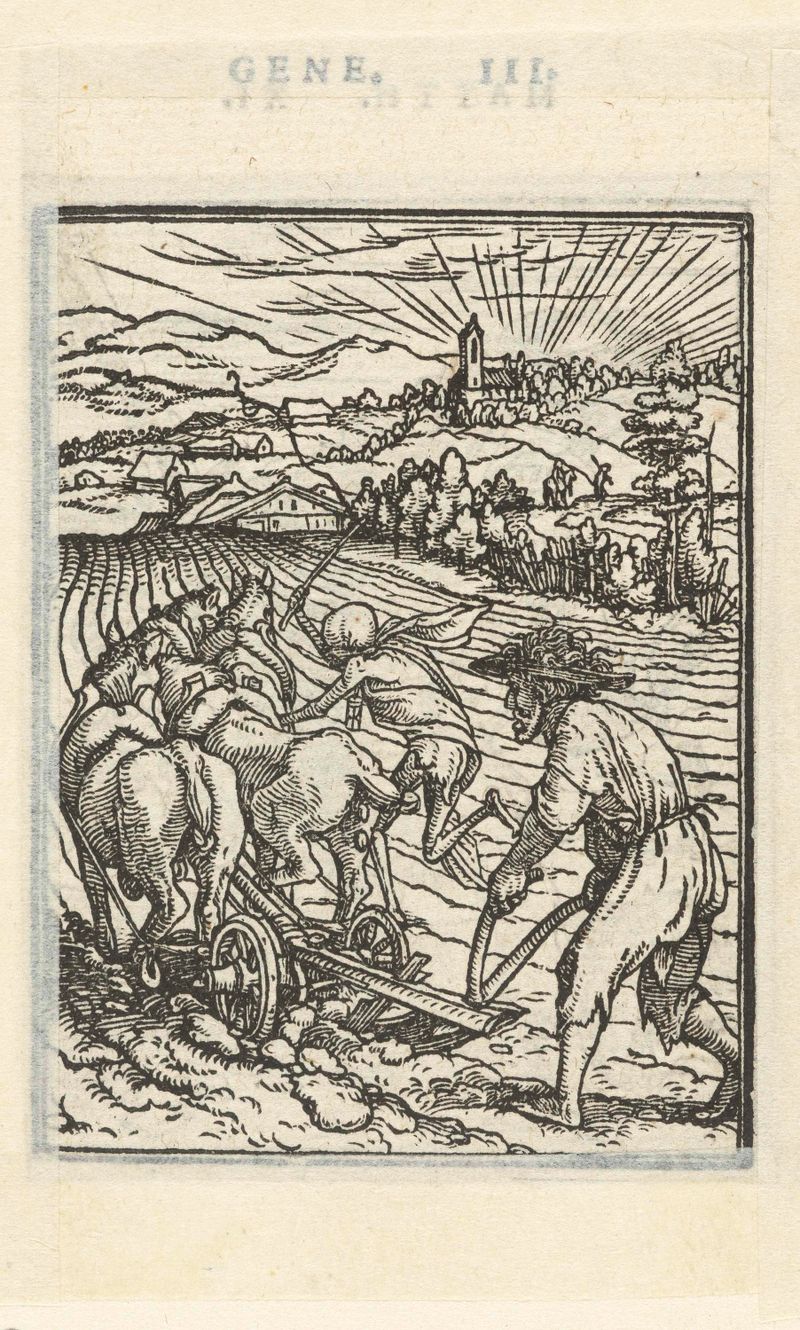
Boer en de Dood
Hans Holbein (II)
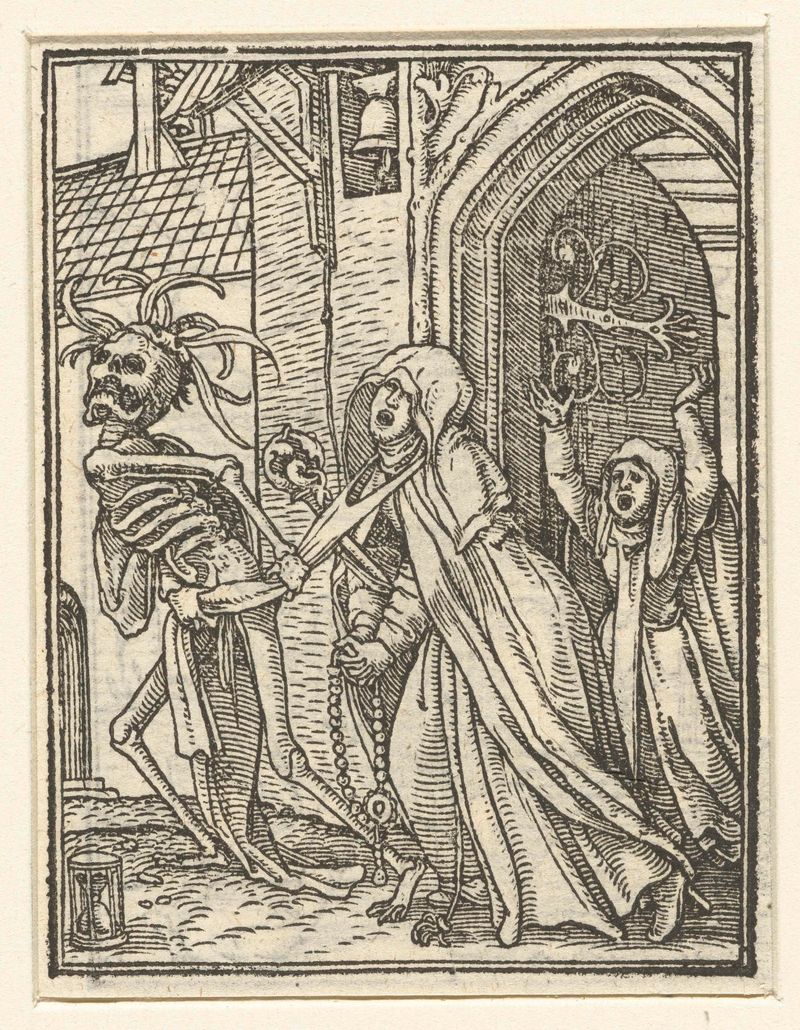
Abdis en de Dood
Hans Holbein (II)
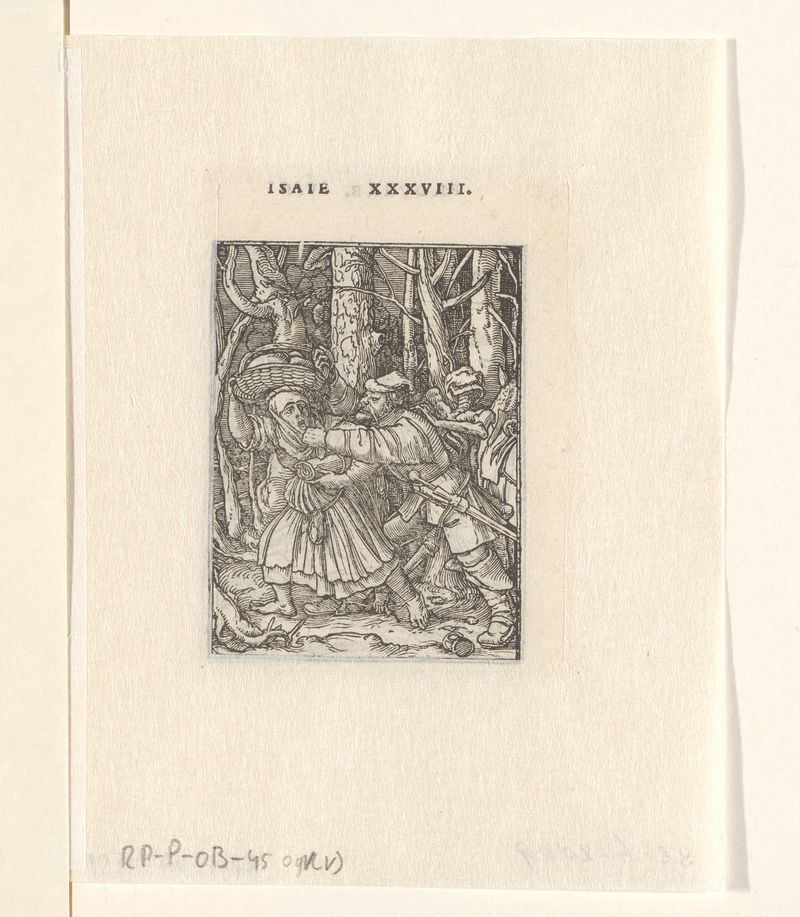
Dief en de Dood
Hans Holbein (II)
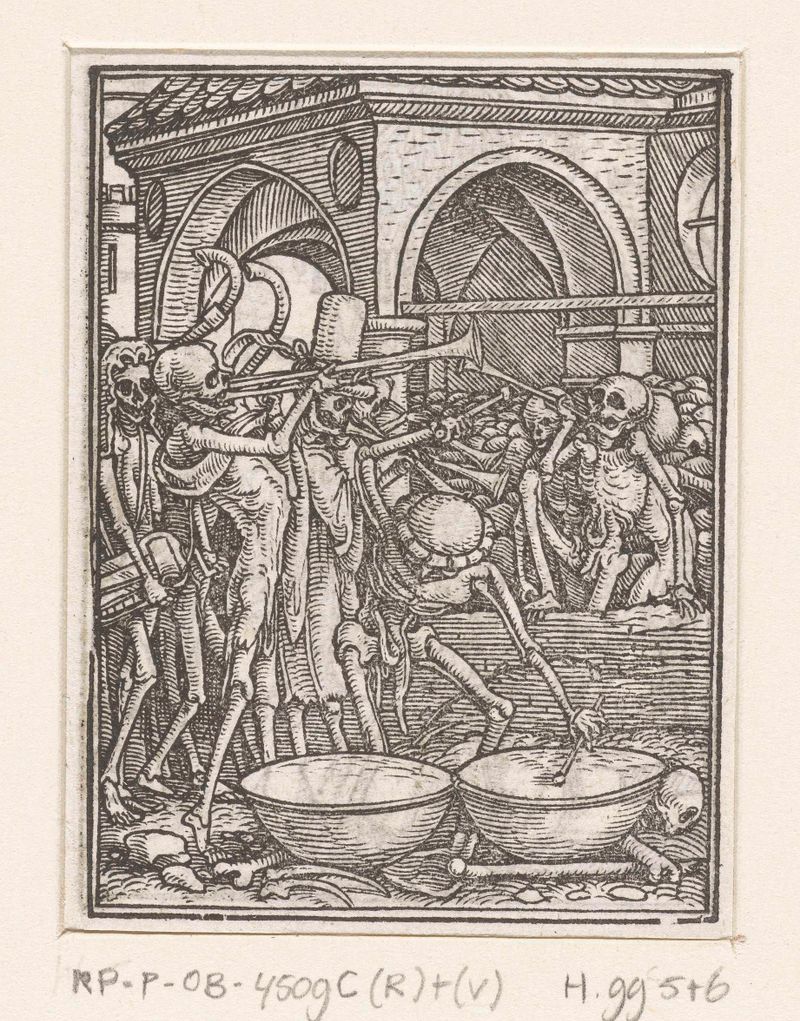
Skeletons Making Music from Dance of the Dead
Hans Holbein (II)
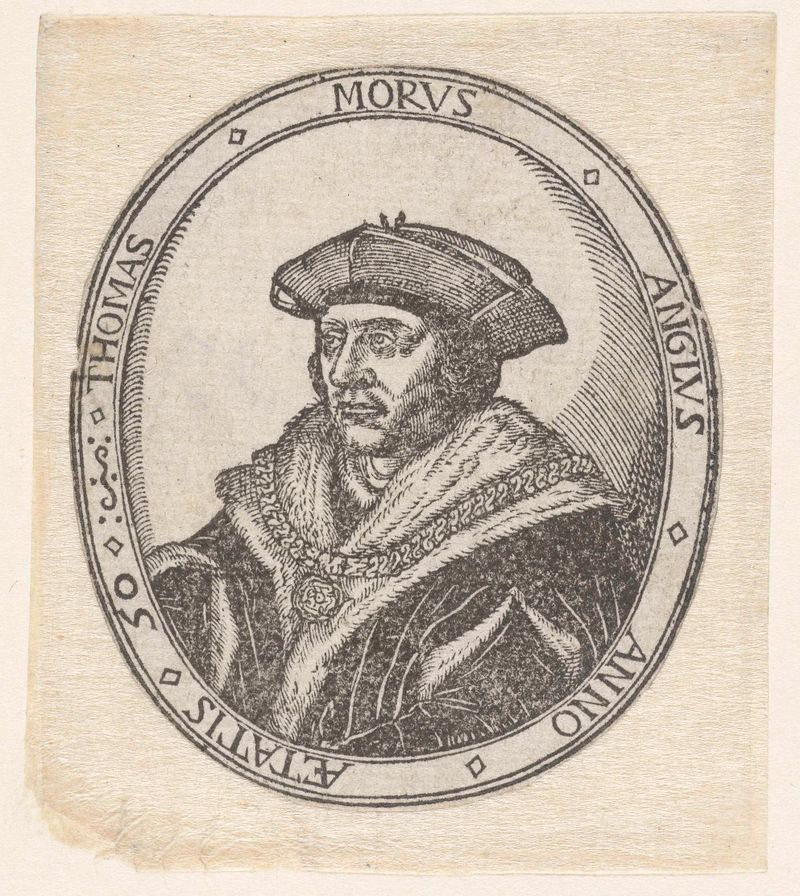
Portret van Thomas More
Hans Holbein (II)
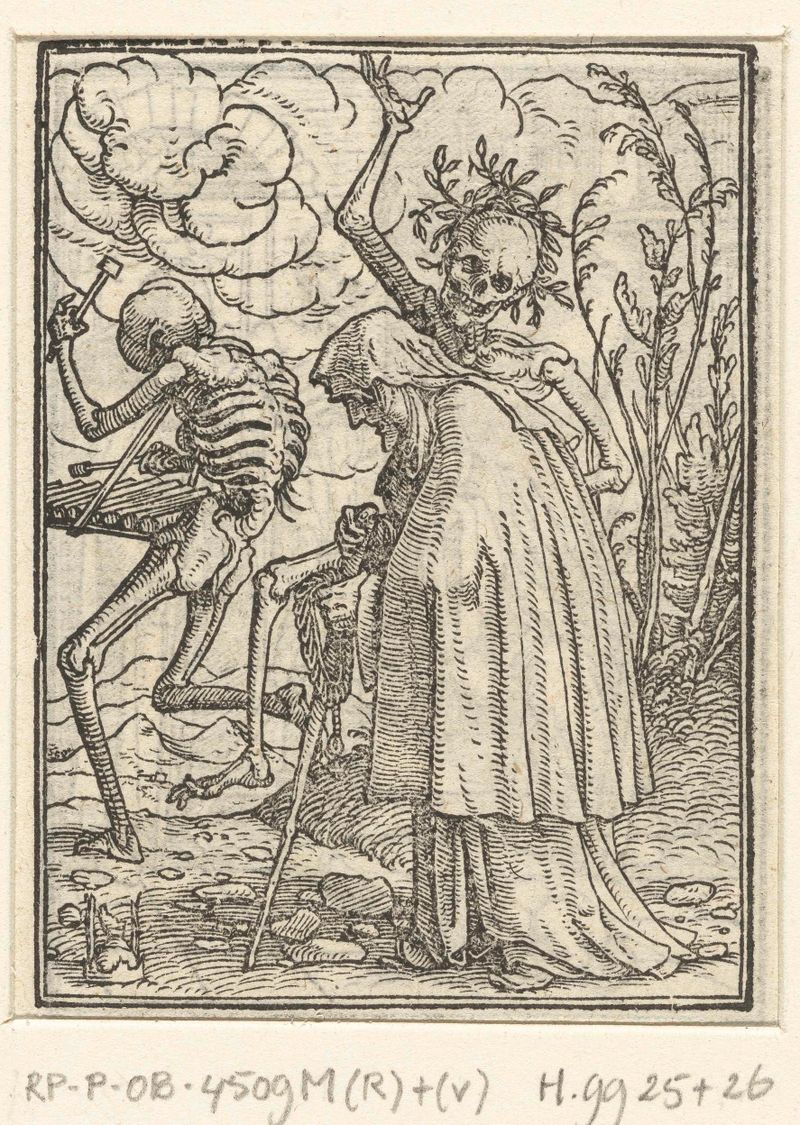
Oude vrouw en de Dood
Hans Holbein (II)
More Portrait Art
Browse all →
Las meninas
Diego Velázquez

Self-portrait with a Bandaged Ear and Pipe
Unidentified artist

Girl with a Pearl Earring
Johannes Vermeer

The Sampling Officials of the Amsterdam Drapers’ Guild, Known as ‘The Syndics’
Rembrandt van Rijn

The Hundred Guilder Print: the man seen on the back in the lower left corner
Rembrandt van Rijn

Portrait of Dr Gachet
Vincent van Gogh