
Het bruidspaar en de Dood — History & Facts
In the intricate interplay of light and shadow, Het bruidspaar en de Dood captures a moment where joy mingles hauntingly with mortality, inviting contemplation on the ephemeral nature of life and love. Look to the central figures, the bride and groom, their expressions a blend of bliss and trepidation. The soft illumination highlights their contrasting garments; the bride’s white attire radiates purity, while the groom’s dark clothing evokes the weight of reality. Notice how the surrounding figures, including a skeletal figure symbolizing Death, loom in a shadowy presence, their postures and expressions intensifying the tension, creating a narrative that is both celebratory and somber. The juxtaposition of light and dark in this piece serves to emphasize the fleeting nature of happiness.
The bride’s delicate flowers, vibrant against the muted palette, symbolize the fragility of youth and beauty, while Death's skeletal hand reaches out, a reminder of the inevitable end that shadows every joy. Together, these elements evoke a bittersweet reflection on love, existence, and the ever-looming specter of mortality, suggesting that every union is accompanied by the weight of what may come. Wenceslaus Hollar created this engraving in 1651 during a time marked by the aftermath of the Thirty Years’ War in Europe, when both personal and collective fears about mortality were heightened. Living in a tumultuous period, Hollar's work reflects the dramatic tensions of life, love, and death, revealing his keen ability to blend detail with philosophical depth within his art.
More Artworks by Wenceslaus Hollar
Browse all →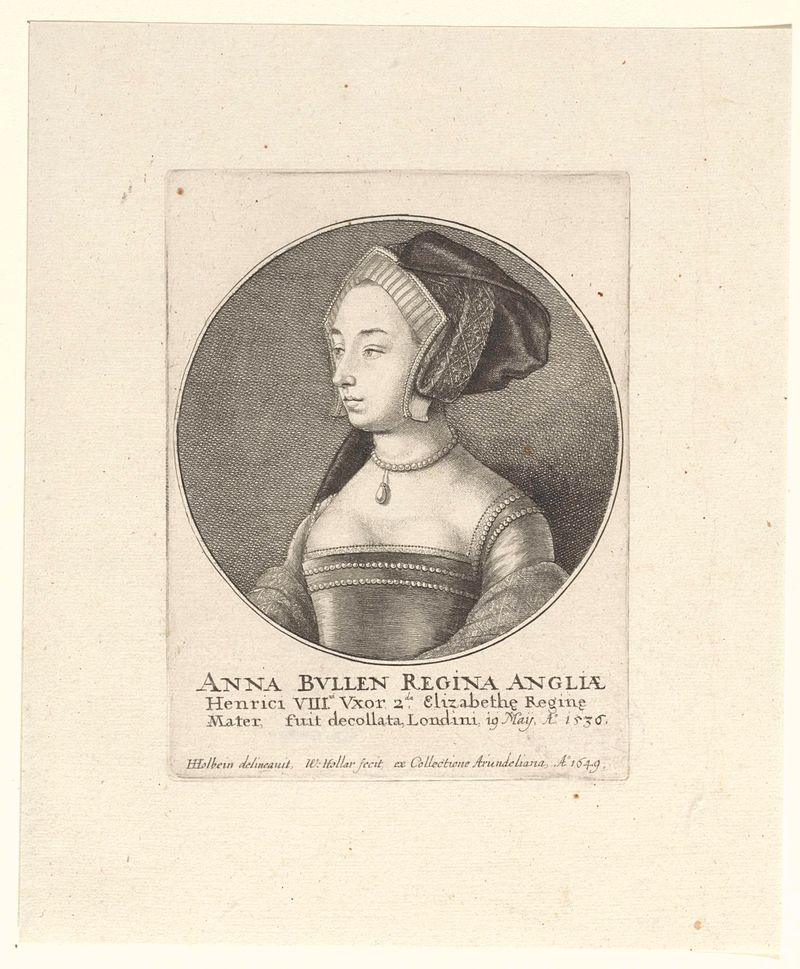
Portret van Anna Boleyn, koningin van Engeland
Wenceslaus Hollar
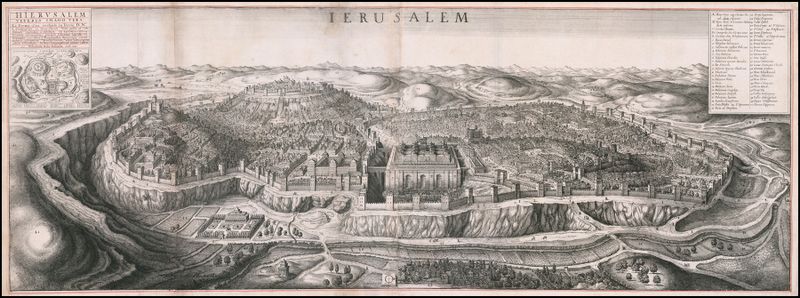
Bird’s eye view of Jerusalem
Wenceslaus Hollar
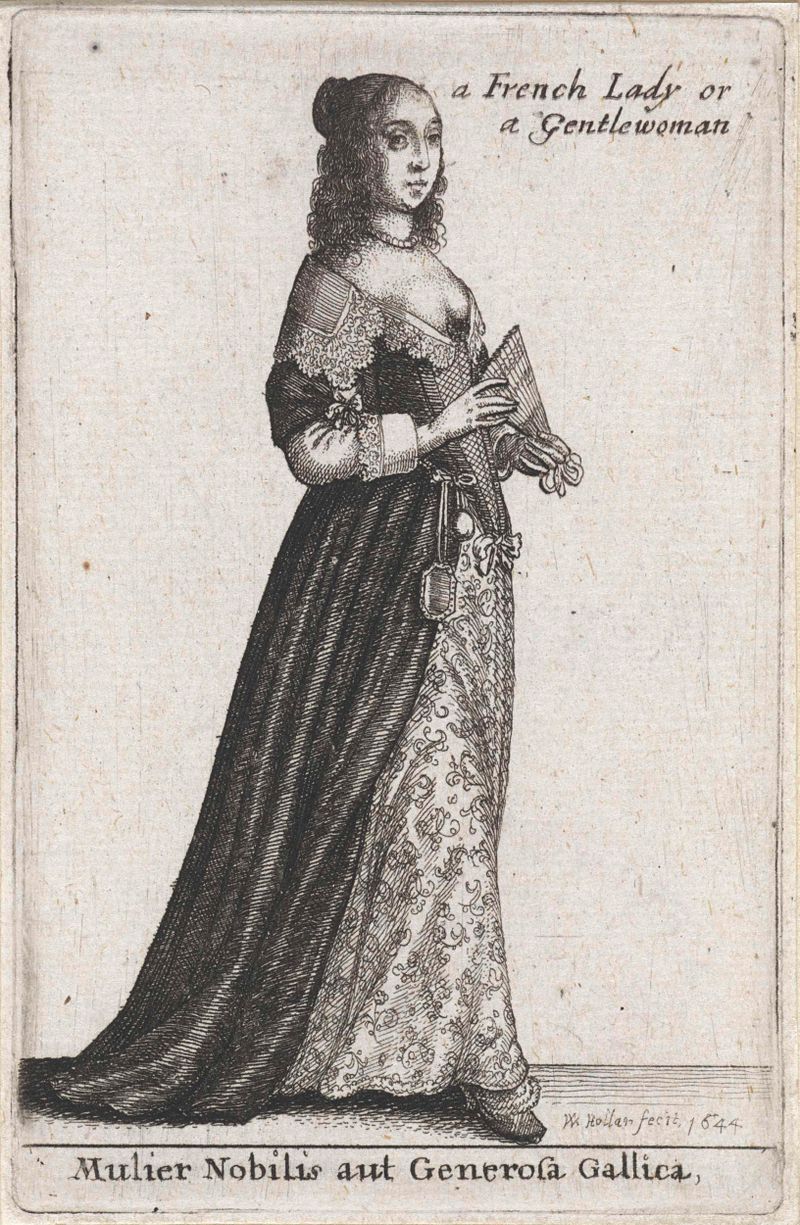
Mulier Nobilis aut Generosa Gallica / a French Lady or Gentlewoman
Wenceslaus Hollar
Titelprent voor: Ornatus Muliebris Anglicanus
Wenceslaus Hollar
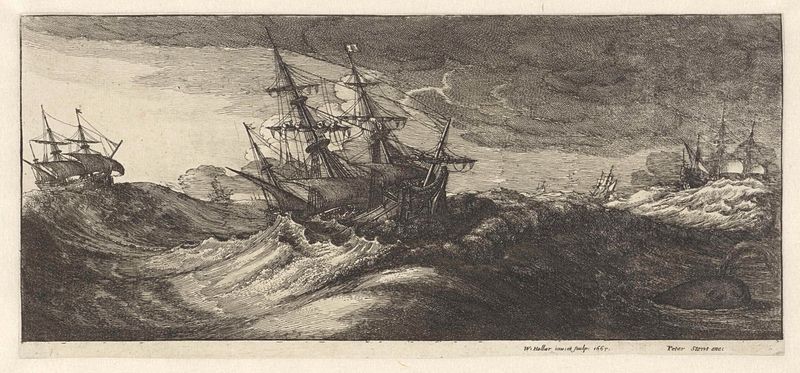
Oorlogsschepen en een walvis in een zeestorm
Wenceslaus Hollar
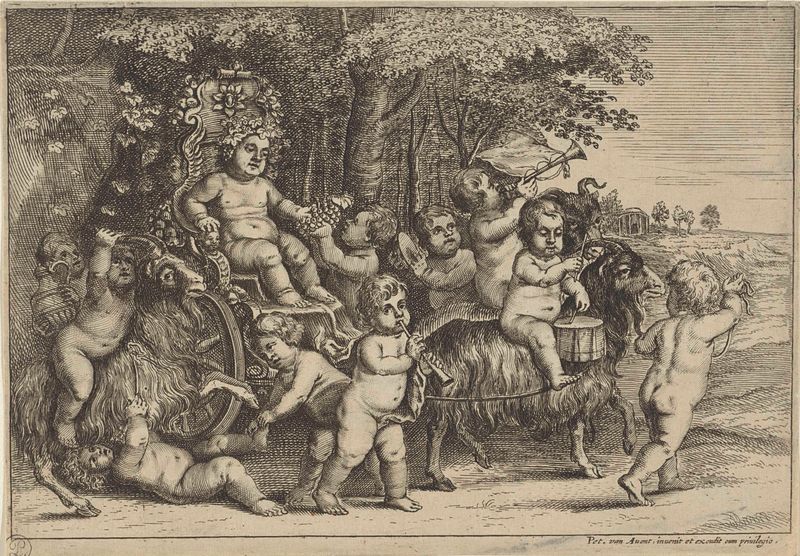
Optocht van bacchant en jongetjes op geiten
Wenceslaus Hollar
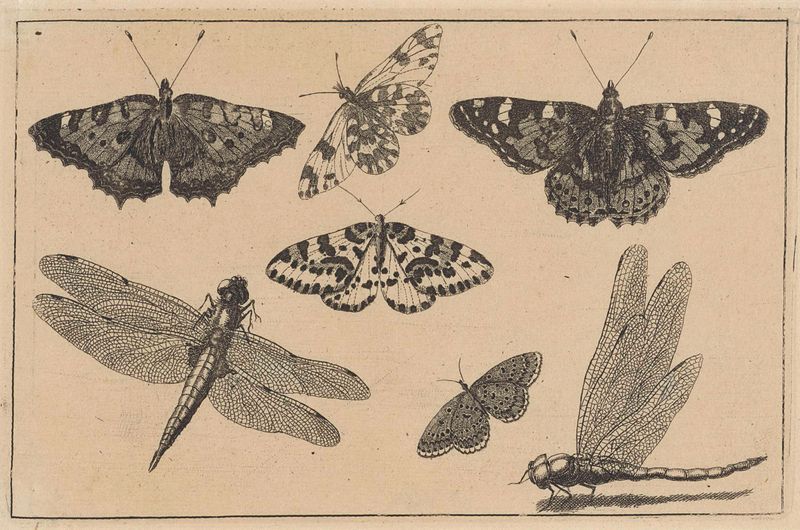
Twee libellen en vijf vlinders
Wenceslaus Hollar
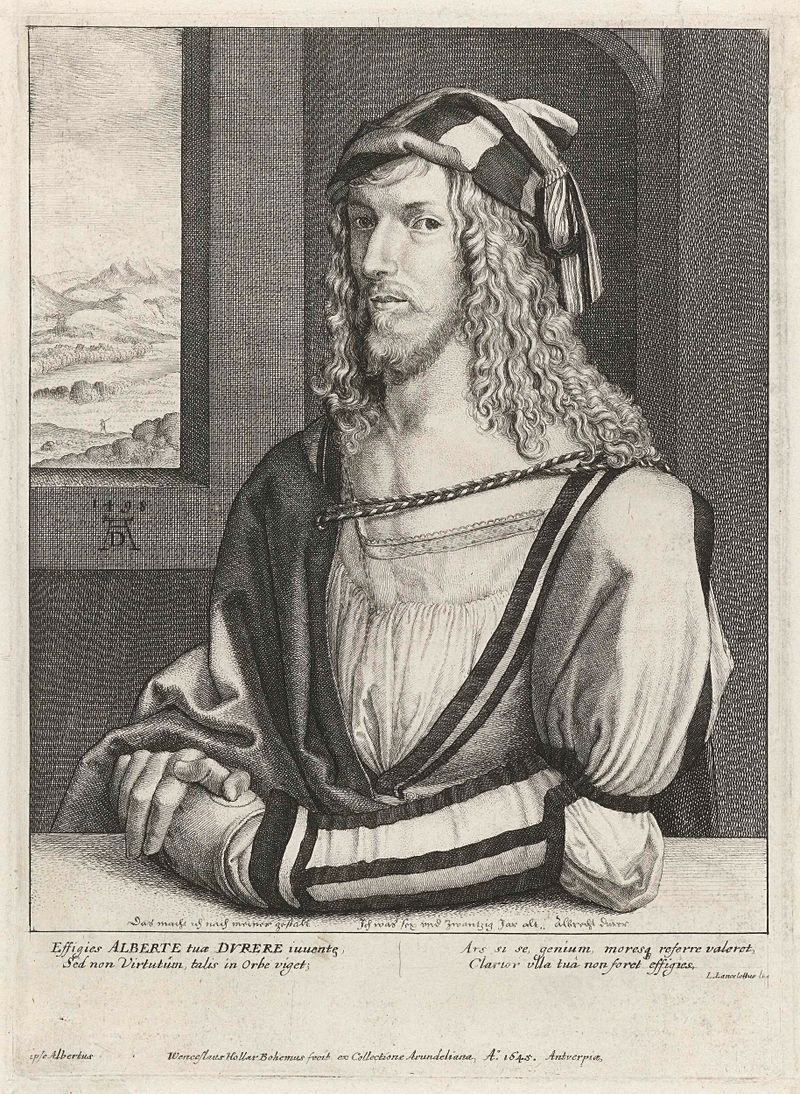
Portret van Albrecht Dürer
Wenceslaus Hollar
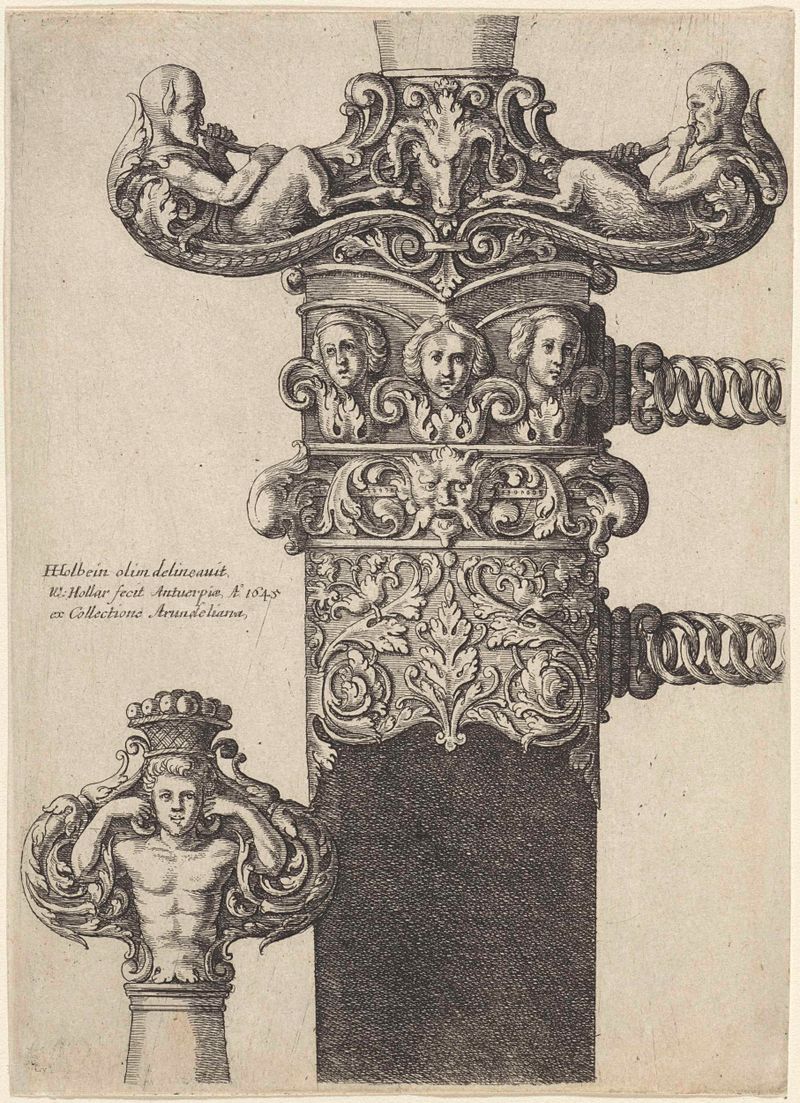
Ornamenteel ontwerp voor een dolk
Wenceslaus Hollar
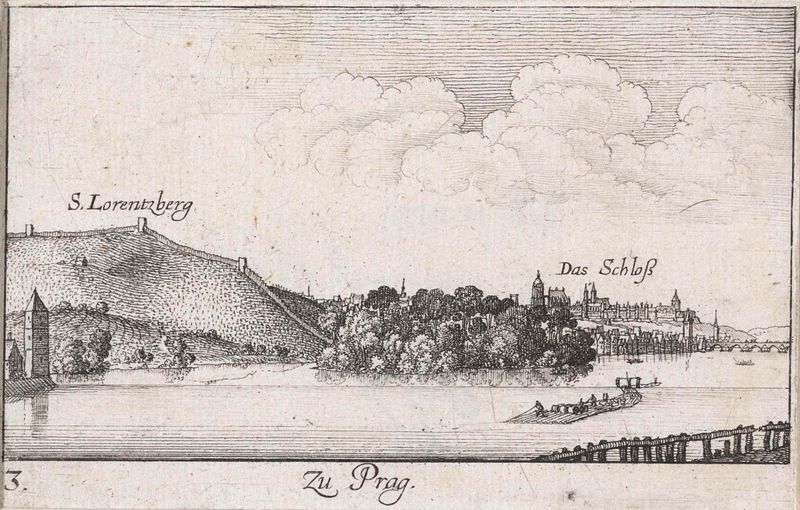
Gezicht op Praag vanaf de Moldau
Wenceslaus Hollar





