
Het Christuskind vertrapt de zonde — History & Facts
This notion resonates profoundly with those who gaze upon the exquisite yet haunting imagery of Het Christuskind vertrapt de zonde. The tension between innocence and the darker undertones of the human experience is palpable, inviting contemplation and reverence. Look to the center of the composition, where the Christ child stands triumphantly, his small foot poised above a serpent—a classic symbol of sin. Notice how the light casts a gentle halo around him, illuminating his delicate features and the richness of the golden hues that envelop the scene.
The contrast of soft pastels with deep shadows creates an almost theatrical environment, heightening the emotional gravity of the moment. The rich textures and intricate details in the surrounding figures draw the viewer’s eye outward, inviting exploration of the complex narrative woven throughout the canvas. Delve deeper into the symbolism present in this work; the serpent, coiled beneath the child’s foot, represents the burden of original sin, yet its defeat is portrayed with a sense of childlike purity. The expressions of the onlookers, ranging from adoration to concern, hint at the emotional turmoil that often accompanies salvation.
Each gesture and facial expression tells a story of hope and despair, encapsulating the duality of redemption and loss that permeates the human condition. Jacques Callot created Het Christuskind vertrapt de zonde between 1618 and 1621, during a significant time in the Baroque period, when artists began to blend emotional depth with innovative techniques. At this point in his life, Callot was influenced by the sociopolitical unrest of Europe, seeking refuge in the spiritual narratives of his work. This painting reflects not only his technical prowess but also the broader cultural conversations about faith and morality unfolding in a tumultuous world.
More Artworks by Jacques Callot
Browse all →
Titelprent voor de prentreeks 'De kleine apostelen' (Het martelaarschap van de apostelen)
Jacques Callot
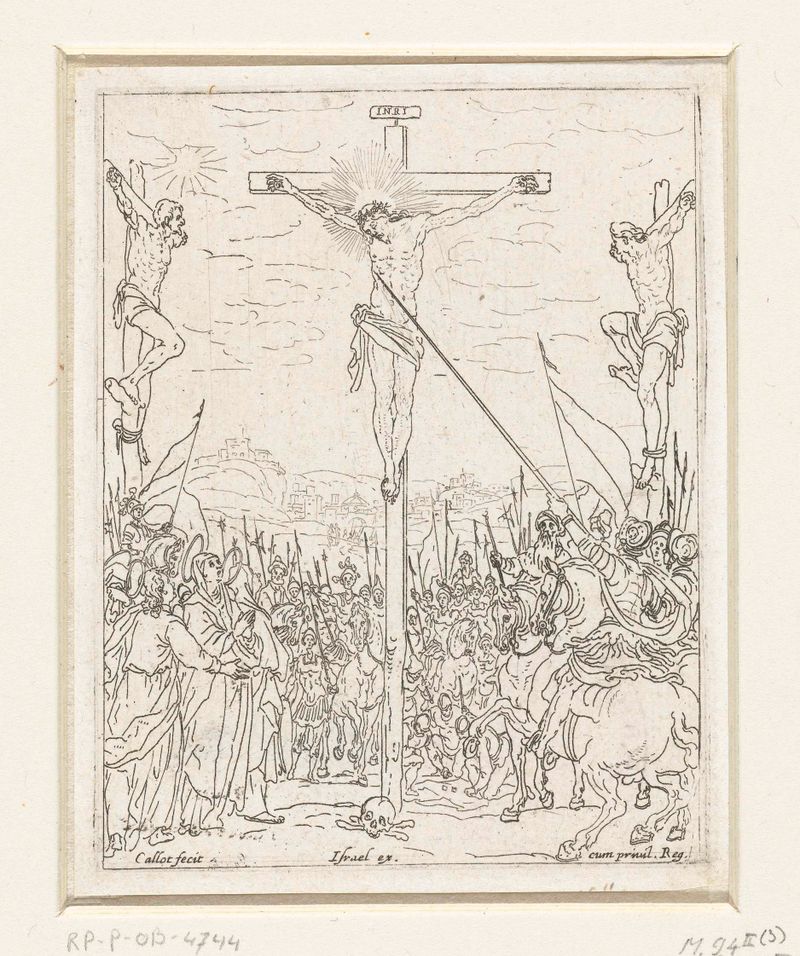
Kruisiging
Jacques Callot

De doortocht door de Rode Zee
Jacques Callot

De verloren zoon als zwijnenhoeder
Jacques Callot

Annunciatie
Jacques Callot
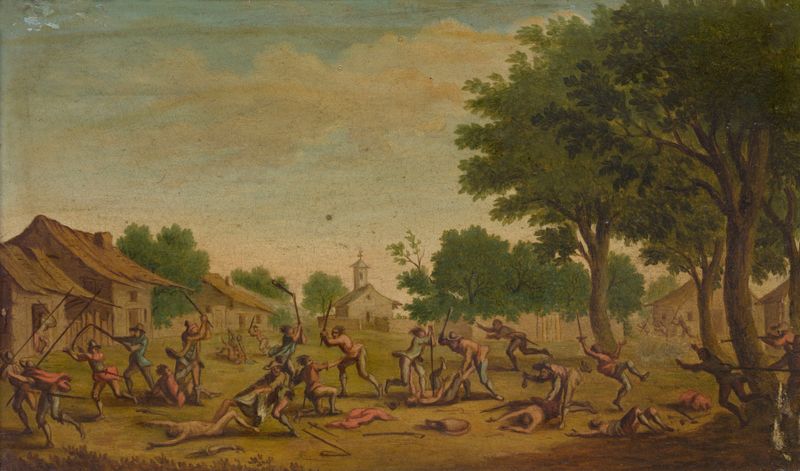
Village Fight
Jacques Callot

Titelprent voor prentreeks 'Het leven van Maria'
Jacques Callot
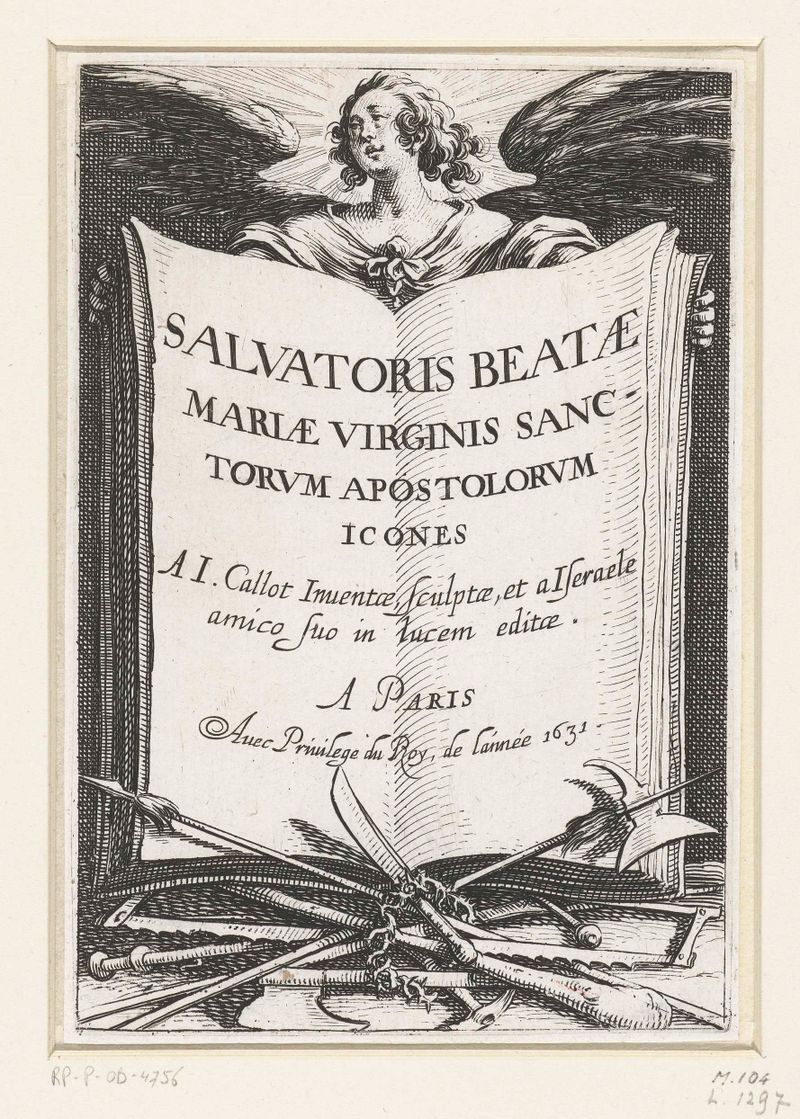
Titelprent voor de prentreeks 'De grote apostelen' (Christus, Maria en de apostelen)
Jacques Callot

Christus aan het volk getoond (Ecce homo)
Jacques Callot
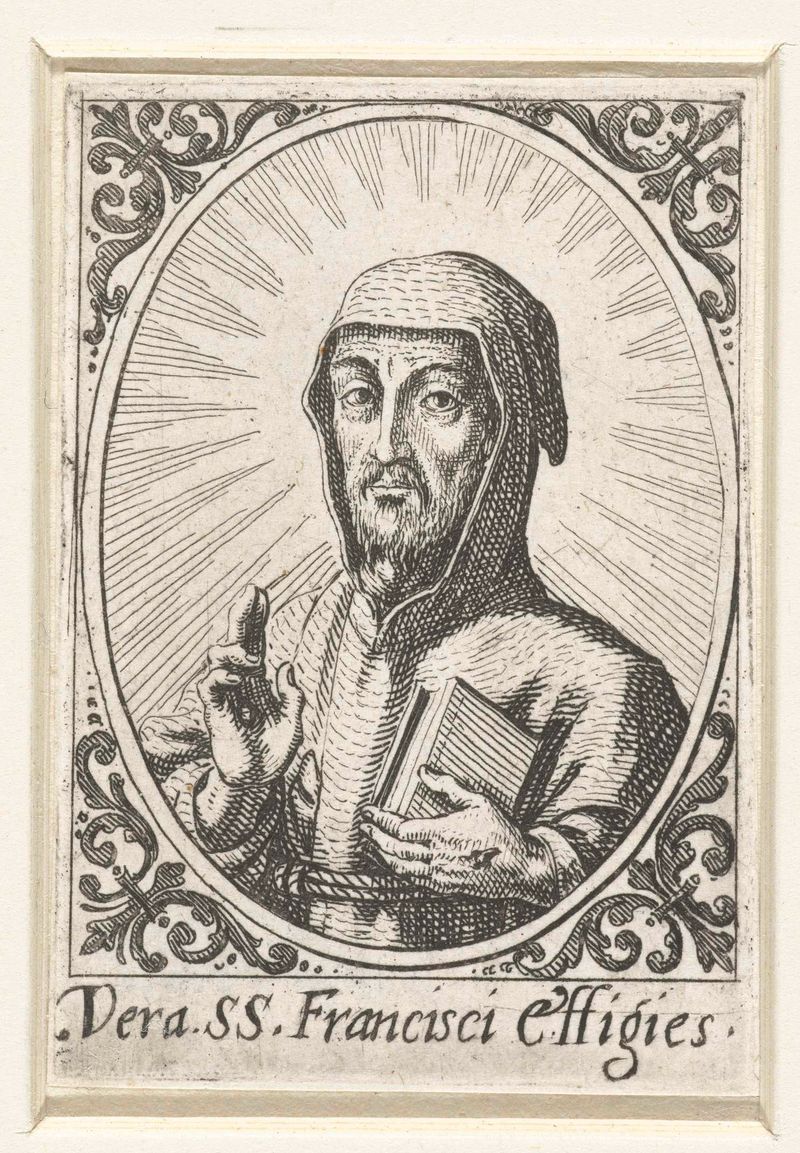
Portret van de Heilige Franciscus
Jacques Callot
More Religious Art
Browse all →
The Return of the Prodigal Son
Rembrandt van Rijn

The Garden of Earthly Delights
El Bosco

Count Orgaz’ funeral
El Greco

The Hundred Guilder Print: the central piece with Christ preaching, the plate arched
Rembrandt van Rijn

The Descent from the Cross
Rogier van der Weyden

The return of the prodigal son
Rembrandt van Rijn