
Het martelaarschap van Andreas — History & Facts
In a world where the faintest whisper can spark a revolution, the silence in art often speaks volumes. Gaze closely at the central figure, Andreas, caught in a moment of poignant despair. Notice the stark contrasts of light and shadow—the somber darkness envelops him while a ghostly luminosity highlights his anguished expression. The intricate details of the figures surrounding him, interwoven in a tumultuous dance of violence and betrayal, guide your eyes across the canvas.
The dynamic composition, with figures spiraling outward, elicits an overwhelming sense of chaos and urgency, a visual crescendo that heightens the emotional impact. As you explore the scene, consider the juxtaposition of the delicate, almost ethereal, brushwork against the harrowing subject matter. Each character's fierce gaze and contorted posture encapsulate the raw tension and desperation of martyrdom. The interplay of colors—muted earth tones with bursts of red—draws attention not only to the physical suffering but also to the emotional turmoil that ignites the drive for change.
Here lies a powerful commentary on the cost of dissent, reflecting the deeper struggles of humanity amidst tyranny and oppression. During the years 1632 to 1634, Jacques Callot created this compelling work in France, a period marked by political strife and social upheaval. The artist, known for his innovative printmaking techniques, sought to blend narrative depth and emotional resonance in his paintings. Amidst the turbulence of the Thirty Years' War and the rise of various revolutionary movements across Europe, Callot's portrayal of martyrdom resonates with the zeitgeist, capturing the essence of a society on the brink of transformation.
More Artworks by Jacques Callot
Browse all →
Titelprent voor de prentreeks 'De kleine apostelen' (Het martelaarschap van de apostelen)
Jacques Callot
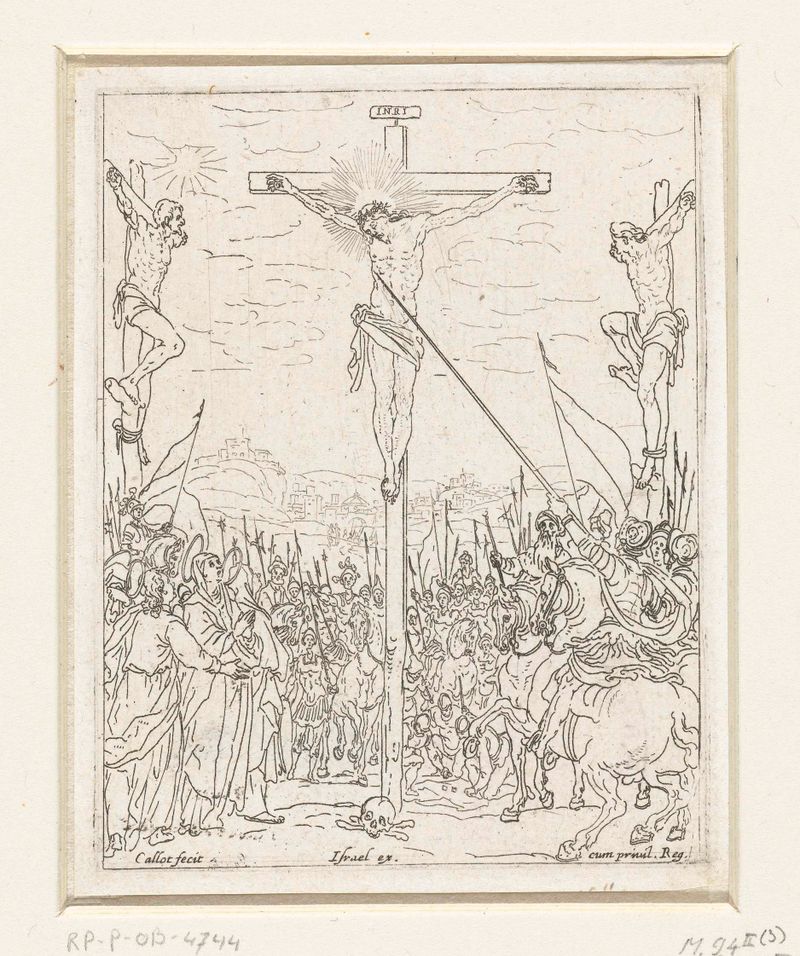
Kruisiging
Jacques Callot

De doortocht door de Rode Zee
Jacques Callot

De verloren zoon als zwijnenhoeder
Jacques Callot

Annunciatie
Jacques Callot
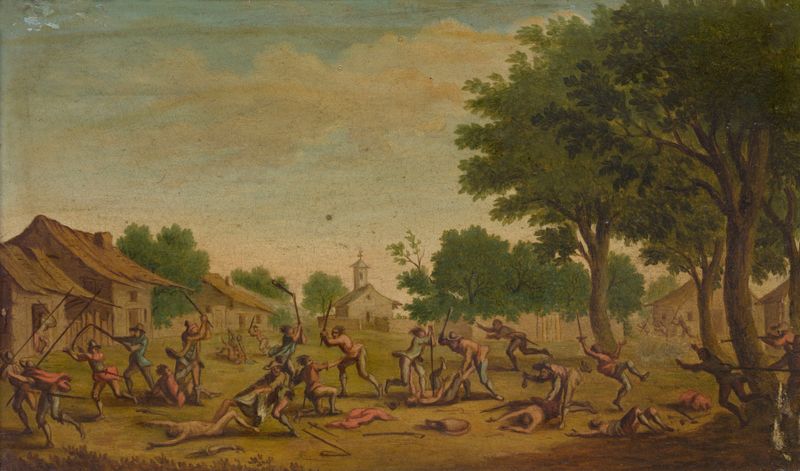
Village Fight
Jacques Callot

Titelprent voor prentreeks 'Het leven van Maria'
Jacques Callot
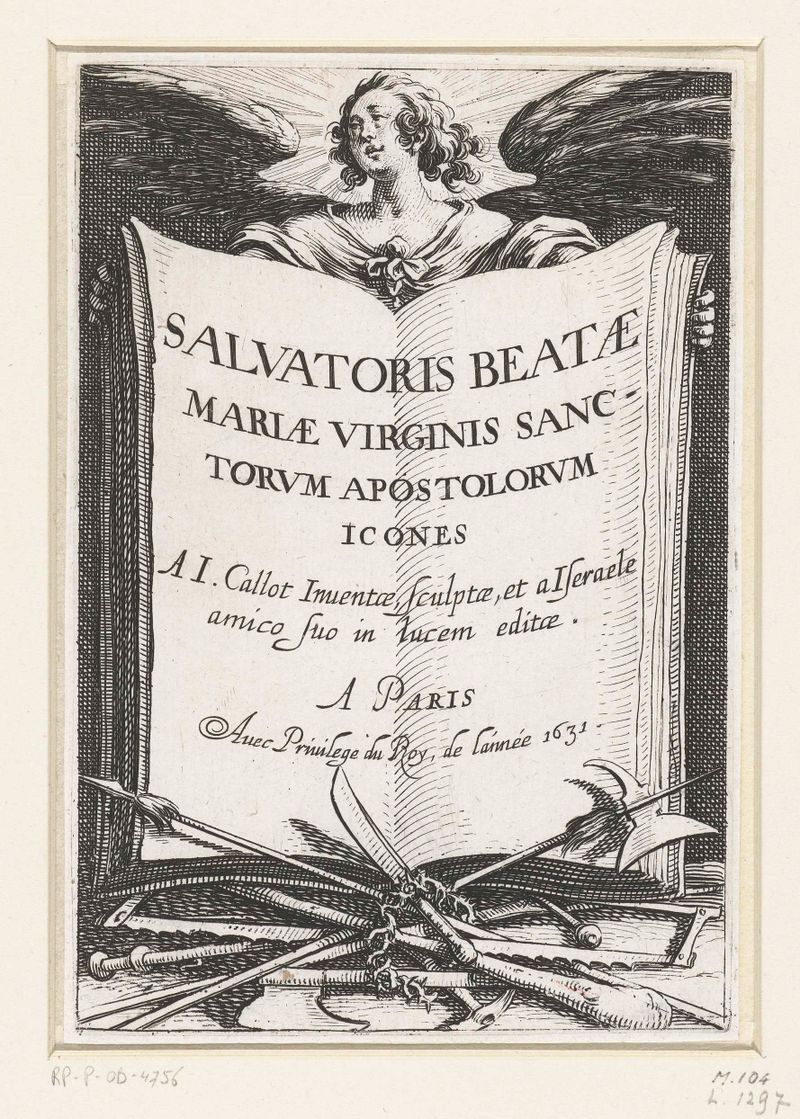
Titelprent voor de prentreeks 'De grote apostelen' (Christus, Maria en de apostelen)
Jacques Callot

Christus aan het volk getoond (Ecce homo)
Jacques Callot
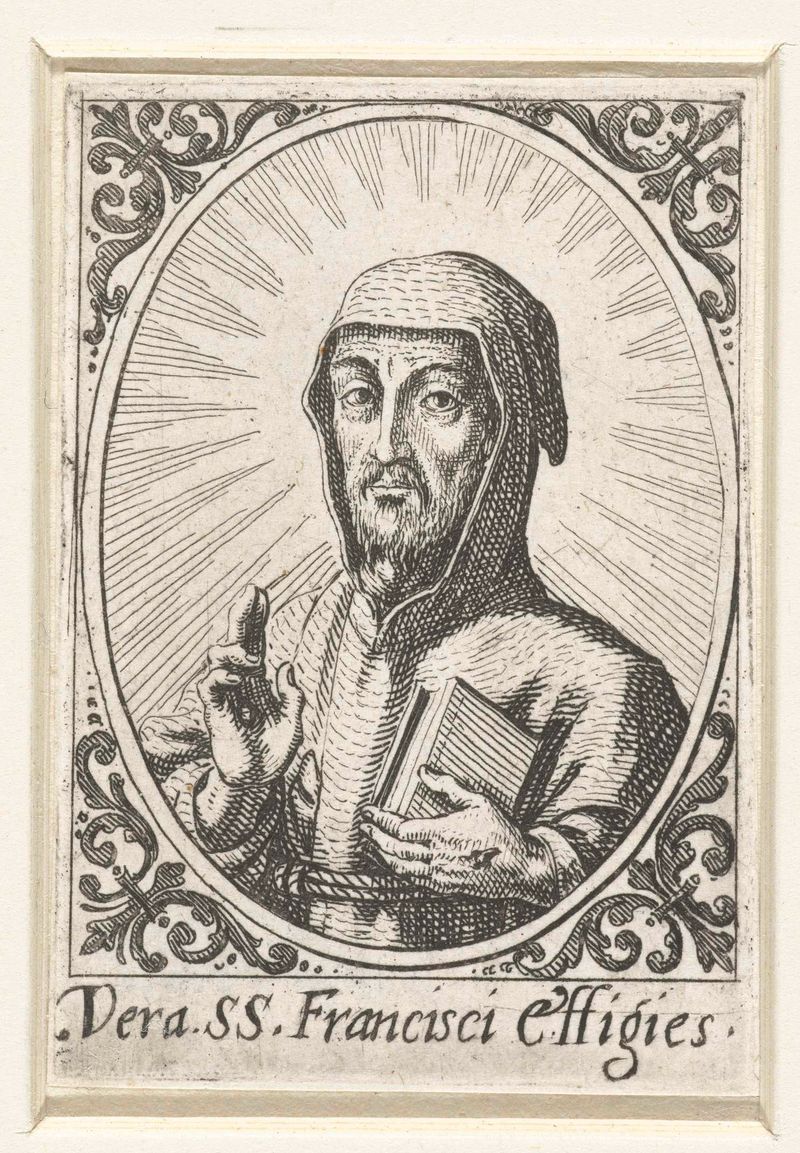
Portret van de Heilige Franciscus
Jacques Callot
More Religious Art
Browse all →
The Return of the Prodigal Son
Rembrandt van Rijn

The Garden of Earthly Delights
El Bosco

Count Orgaz’ funeral
El Greco

The Hundred Guilder Print: the central piece with Christ preaching, the plate arched
Rembrandt van Rijn

The Descent from the Cross
Rogier van der Weyden

The return of the prodigal son
Rembrandt van Rijn