
Het martelaarschap van Barnabas — History & Facts
Who listens when art speaks of silence? In Het martelaarschap van Barnabas, the stillness conveys a haunting nostalgia, capturing the essence of a moment intertwined with suffering and faith. Look to the center of the canvas, where the figure of Barnabas dominates the space, surrounded by a tumultuous crowd. The artist’s deft use of chiaroscuro creates a stark contrast between the bright areas illuminating Barnabas and the shadowy figures that loom around him. Notice how the warm ochres and cool blues play off one another, enhancing the emotional tension, as if the surrounding darkness is both an audience and a threat. As you examine the intricate details, consider the significance of Barnabas’s serene expression amidst the chaos.
This juxtaposition between tranquility and turmoil speaks to the larger themes of martyrdom and sacrifice, suggesting that the act of listening—whether to divine whispers or the cries of the masses—is an essential part of faith. The tattered garments and anxious gestures of the onlookers echo a collective turmoil, revealing a shared struggle against the echoes of fate. During the years 1632 to 1634, Jacques Callot created this powerful piece while in Nancy, France, a time marked by the Thirty Years' War's social upheaval and spiritual crises. Art was evolving, with an increased focus on the interplay of emotion and narrative, and Callot sought to reflect the complexities of human experience through his works, blending dynamic storytelling with profound spirituality.
More Artworks by Jacques Callot
Browse all →
Titelprent voor de prentreeks 'De kleine apostelen' (Het martelaarschap van de apostelen)
Jacques Callot
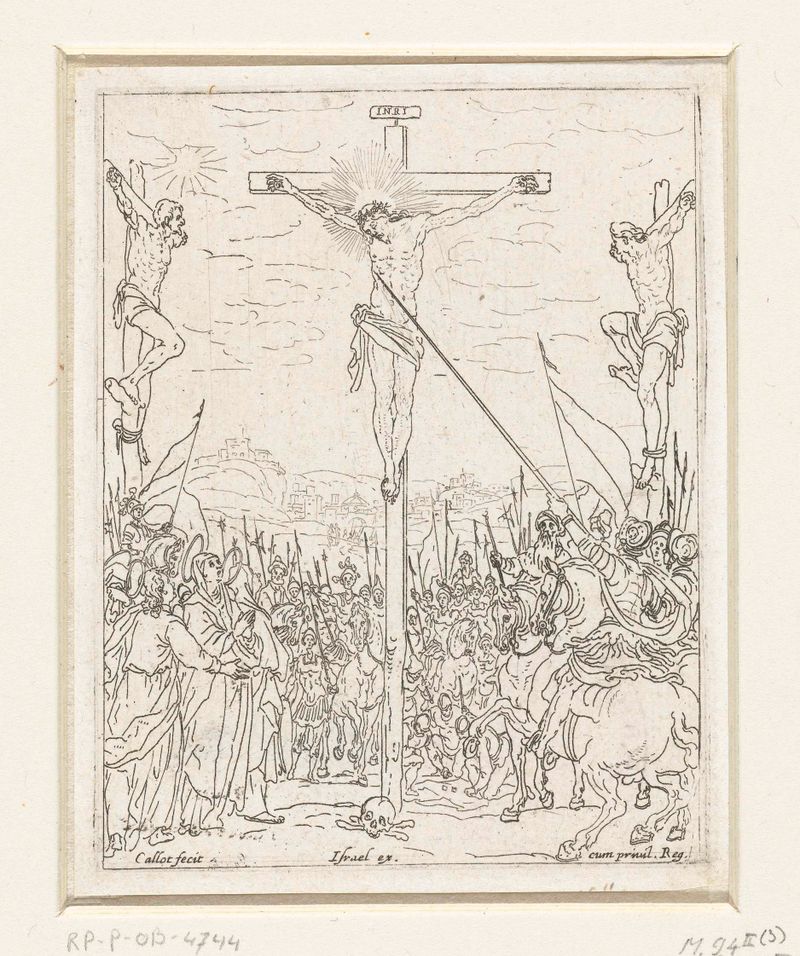
Kruisiging
Jacques Callot

De doortocht door de Rode Zee
Jacques Callot

De verloren zoon als zwijnenhoeder
Jacques Callot

Annunciatie
Jacques Callot
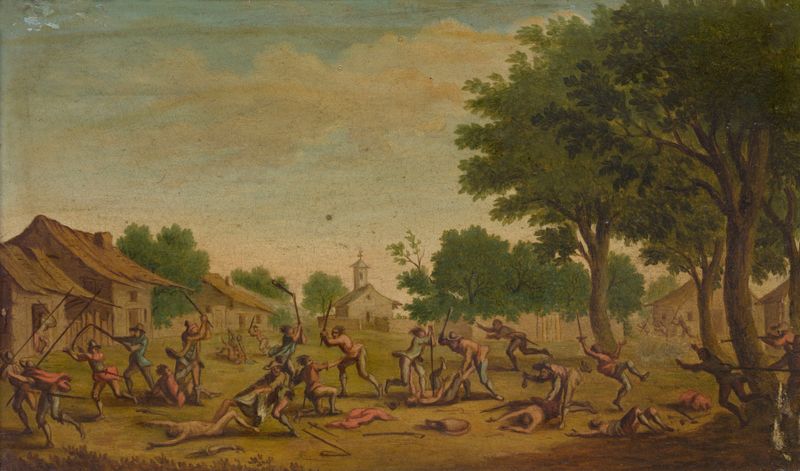
Village Fight
Jacques Callot

Titelprent voor prentreeks 'Het leven van Maria'
Jacques Callot
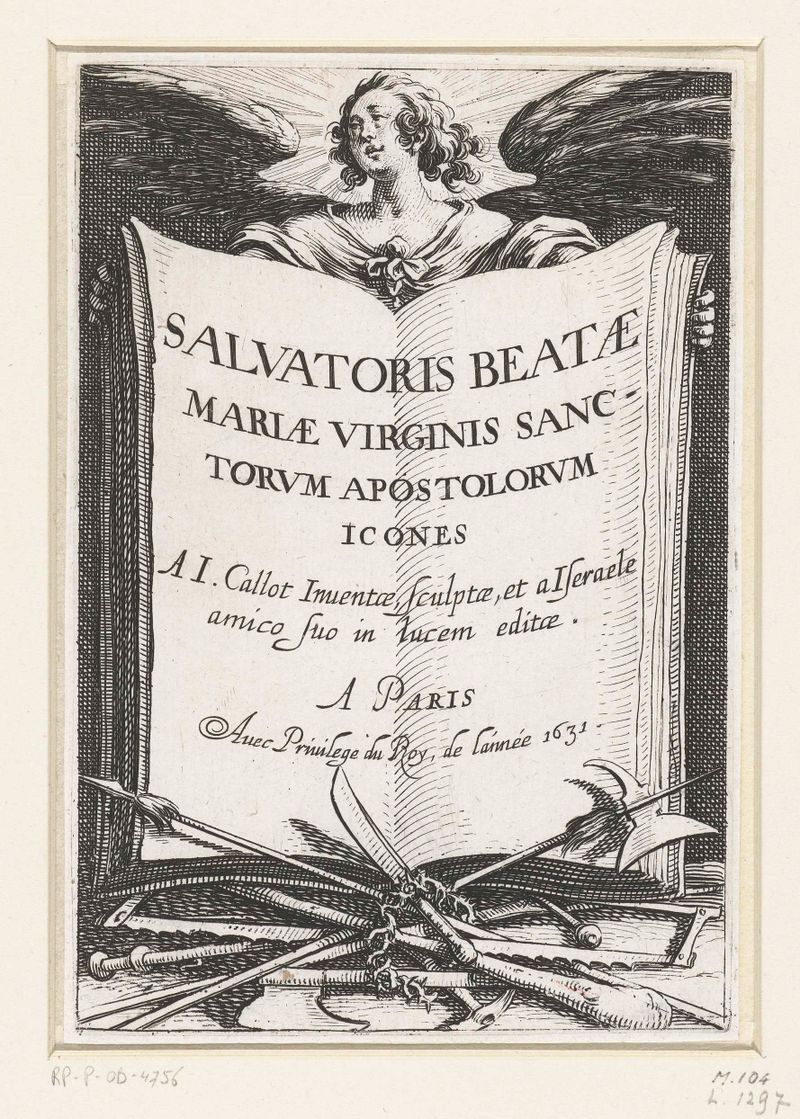
Titelprent voor de prentreeks 'De grote apostelen' (Christus, Maria en de apostelen)
Jacques Callot

Christus aan het volk getoond (Ecce homo)
Jacques Callot
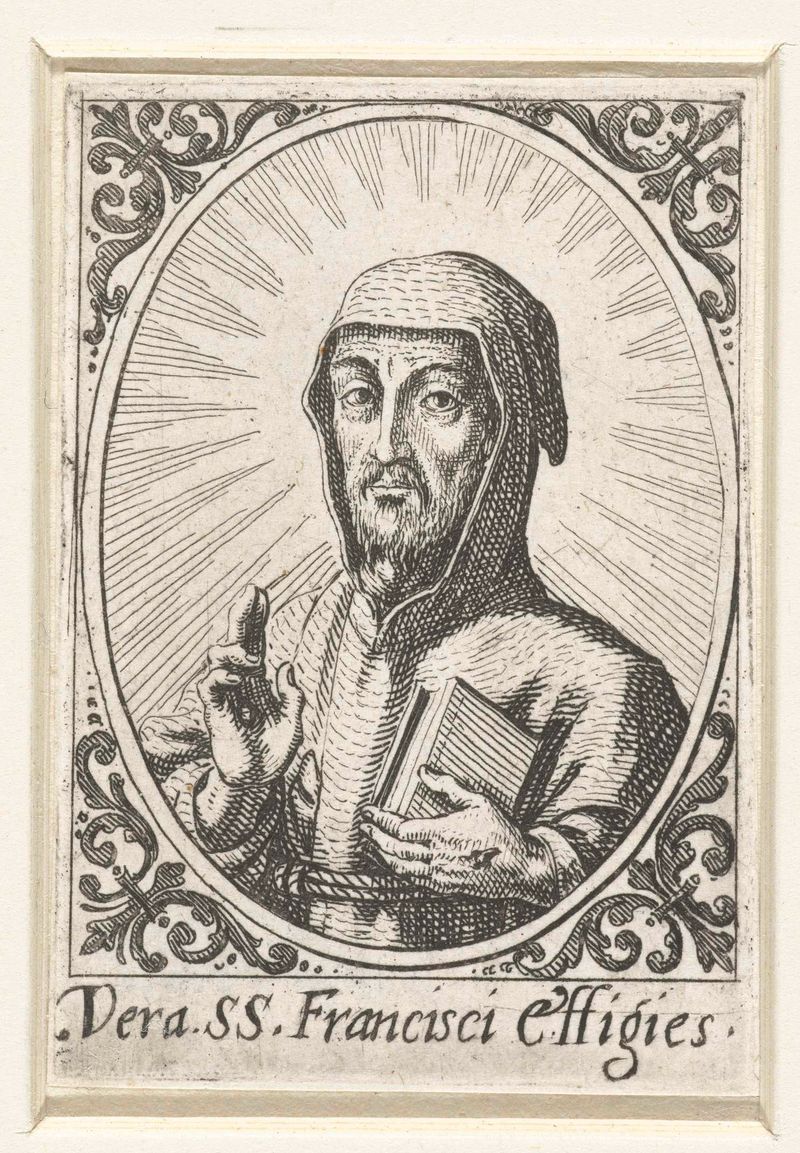
Portret van de Heilige Franciscus
Jacques Callot
More Religious Art
Browse all →
The Return of the Prodigal Son
Rembrandt van Rijn

The Garden of Earthly Delights
El Bosco

Count Orgaz’ funeral
El Greco

The Hundred Guilder Print: the central piece with Christ preaching, the plate arched
Rembrandt van Rijn

The Descent from the Cross
Rogier van der Weyden

The return of the prodigal son
Rembrandt van Rijn