
Het martelaarschap van Bartholomeüs — History & Facts
Can paint confess what words never could? In Het martelaarschap van Bartholomeüs, the brush reveals the raw essence of mortality, capturing a moment where suffering transcends spoken language. The image resonates with a silent scream, a testament to the fate that awaited its subject—a martyrdom that echoes through time. Focus first on the figure of Bartholomew, his body twisted in agony, a visceral representation of torment. Notice how the light casts shadows across his skin, illuminating the gravity of his sacrifice while simultaneously shrouding the surrounding figures in darkness.
The muted palette, dominated by earthy tones, amplifies the somber atmosphere, inviting viewers to linger on the emotional weight of the scene. Each detail is meticulously rendered, from the anguished expressions of the onlookers to the profound stillness that surrounds the central figure. Delve deeper into the contrasts presented within the painting. The juxtaposition of the vibrant reds of blood against the greys of despair emphasizes the brutality of Bartholomew's suffering while evoking a complex blend of reverence and horror.
The dynamic gestures of those witnessing the martyrdom convey a collective sense of helplessness, underscoring the universality of grief and sacrifice. Each gaze, each hand raised in response, offers a poignant reflection on the fragility of life and the inevitability of death. Jacques Callot painted this work during a period of immense personal and societal turmoil in France, between 1632 and 1634. The artist, known for his intricate etchings and profound insights into the human condition, was influenced by the conflicts of the Thirty Years' War.
At this time, his exploration of themes such as martyrdom and suffering mirrored the chaotic landscape of his world, offering a glimpse into the deep emotional currents that defined his artistic vision.
More Artworks by Jacques Callot
Browse all →
Titelprent voor de prentreeks 'De kleine apostelen' (Het martelaarschap van de apostelen)
Jacques Callot
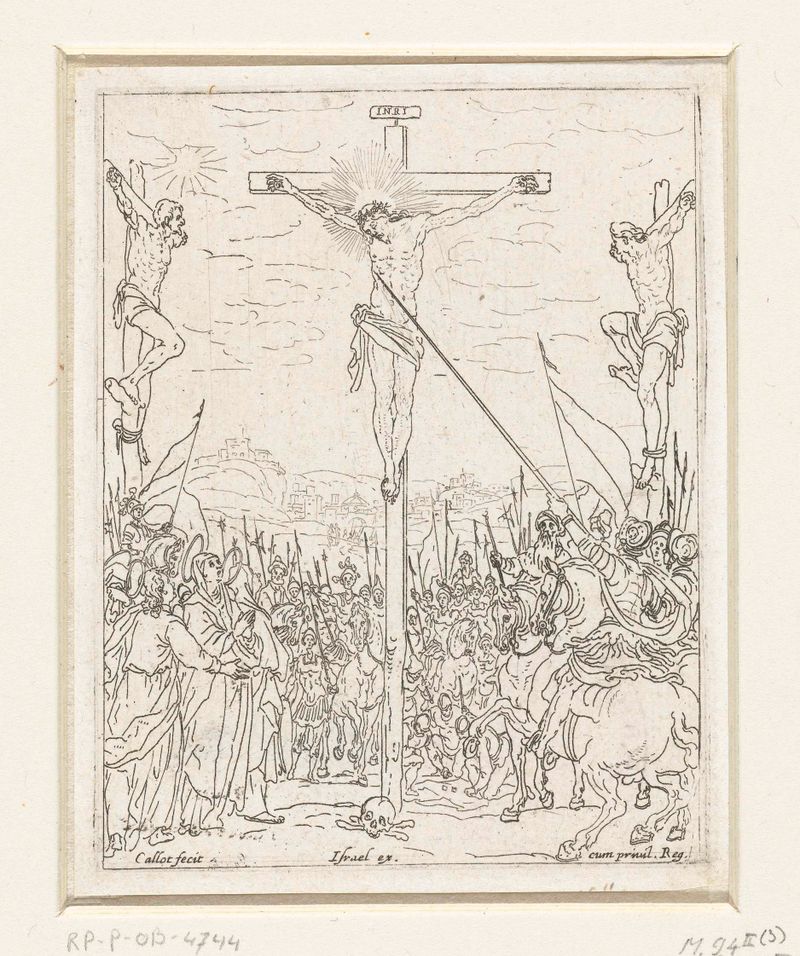
Kruisiging
Jacques Callot

De doortocht door de Rode Zee
Jacques Callot

De verloren zoon als zwijnenhoeder
Jacques Callot

Annunciatie
Jacques Callot
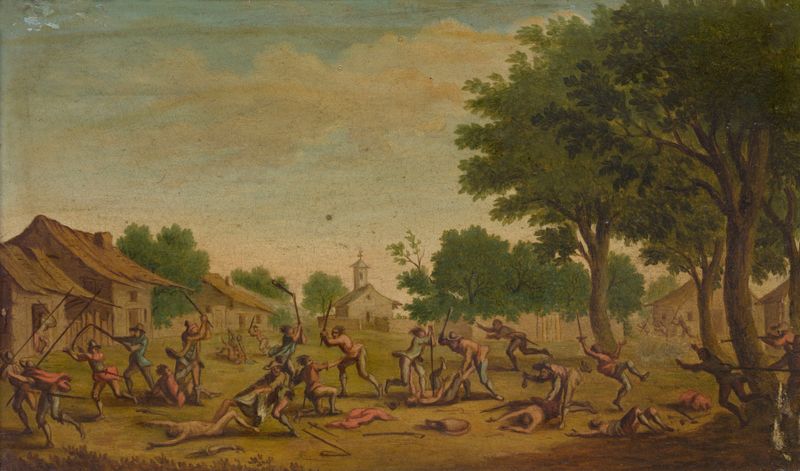
Village Fight
Jacques Callot

Titelprent voor prentreeks 'Het leven van Maria'
Jacques Callot
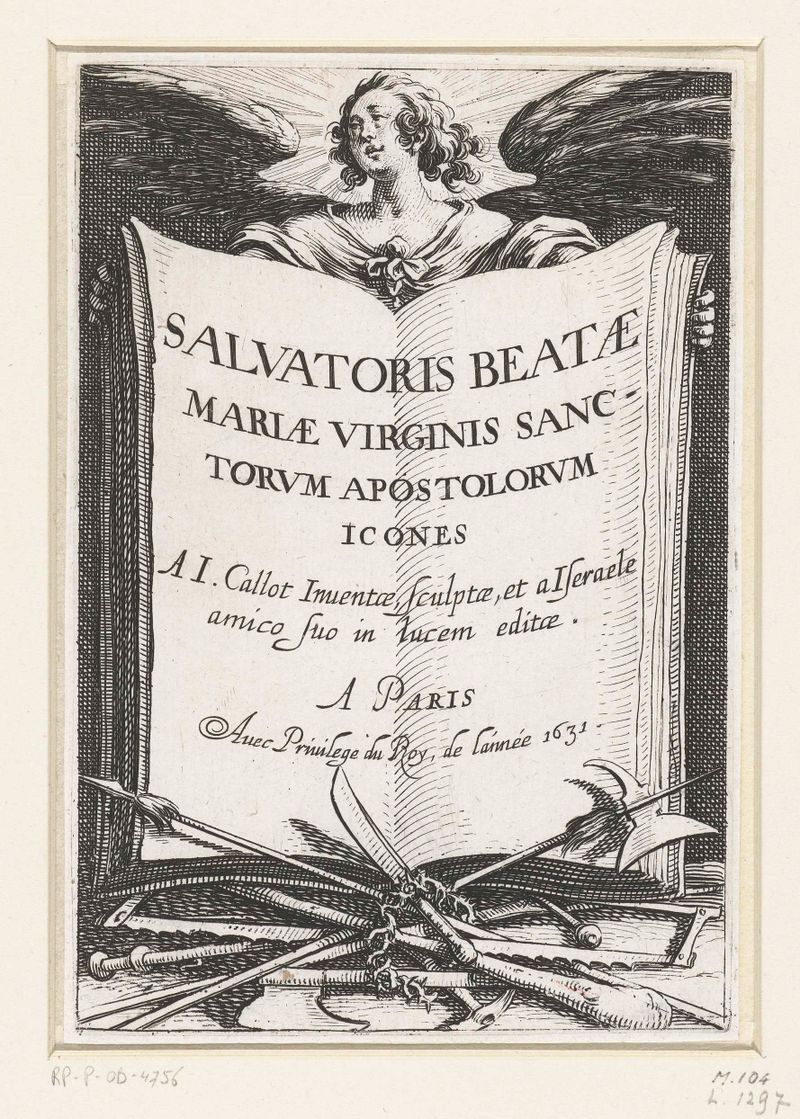
Titelprent voor de prentreeks 'De grote apostelen' (Christus, Maria en de apostelen)
Jacques Callot

Christus aan het volk getoond (Ecce homo)
Jacques Callot
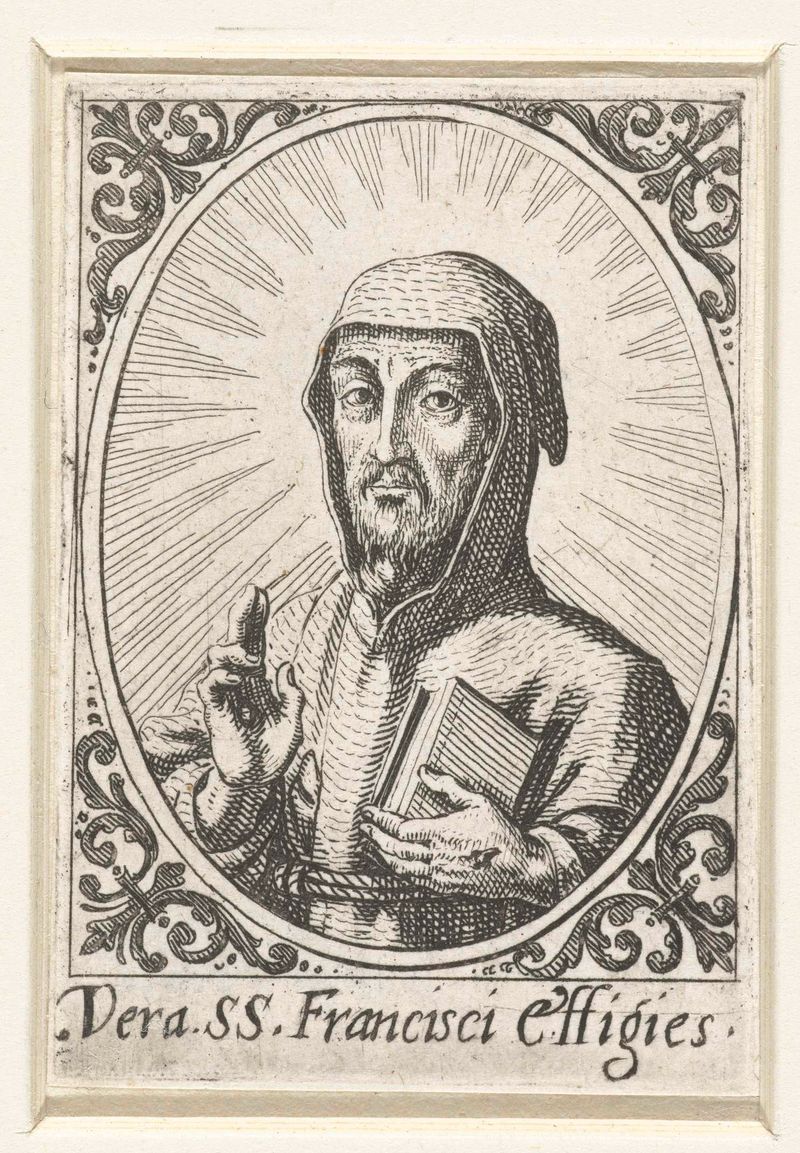
Portret van de Heilige Franciscus
Jacques Callot
More Religious Art
Browse all →
The Return of the Prodigal Son
Rembrandt van Rijn

The Garden of Earthly Delights
El Bosco

Count Orgaz’ funeral
El Greco

The Hundred Guilder Print: the central piece with Christ preaching, the plate arched
Rembrandt van Rijn

The Descent from the Cross
Rogier van der Weyden

The return of the prodigal son
Rembrandt van Rijn