
Het martelaarschap van de Heilige Erasmus — History & Facts
In the silence of time, echoes of past legacies whisper through the strokes of paint, inviting contemplation on sacrifice and martyrdom. Look to the left at the figure of Saint Erasmus, bound and poised against a backdrop of muted golds and deep shadows. His pained expression and outstretched arms command the viewer's attention, framed by the stark contrast of light and darkness that Callot masterfully weaves throughout the composition. The meticulous detail in the saints' garments, with their flowing textures and rich colors, draws one deeper into the moment, revealing the artist's skilled brushwork and keen understanding of the human form. A sense of tension permeates the scene; it lies in the juxtaposition of Erasmus' serene face against the violence of his circumstances.
The gruesome instrument of his martyrdom — a heavy winch — looms ominously in the background, symbolizing both suffering and resilience. Each detail, from the anguished faces of onlookers to the subtle play of light across the twisted ropes, serves as a reminder of the complex interplay between faith, pain, and enduring legacy. Created between 1608 and 1611, this piece emerges during a time of heightened religious conflict in Europe, where the Counter-Reformation profoundly impacted artists and their work. Callot, residing in Nancy, was influenced by the shifting tides of faith and the artistic styles of his contemporaries, blending dramatic narratives with the intricate realism of the Baroque period.
This painting not only reflects his personal artistic journey but also captures the weight of historical moments that shaped religious art in that era.
More Artworks by Jacques Callot
Browse all →
Titelprent voor de prentreeks 'De kleine apostelen' (Het martelaarschap van de apostelen)
Jacques Callot
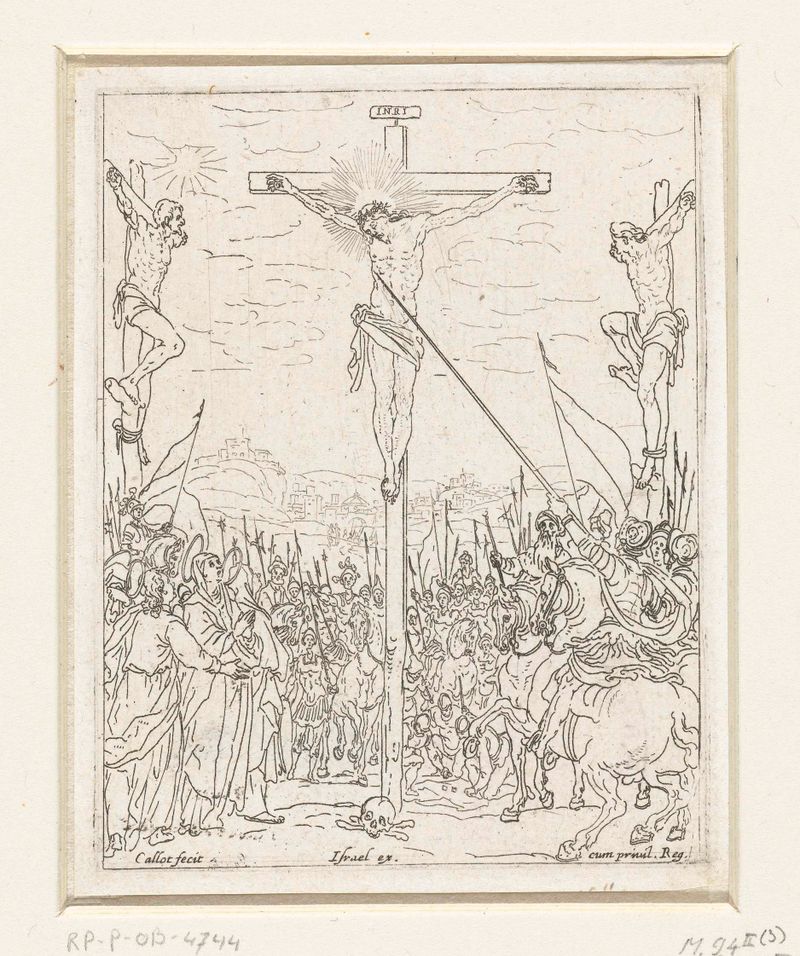
Kruisiging
Jacques Callot

De doortocht door de Rode Zee
Jacques Callot

De verloren zoon als zwijnenhoeder
Jacques Callot

Annunciatie
Jacques Callot
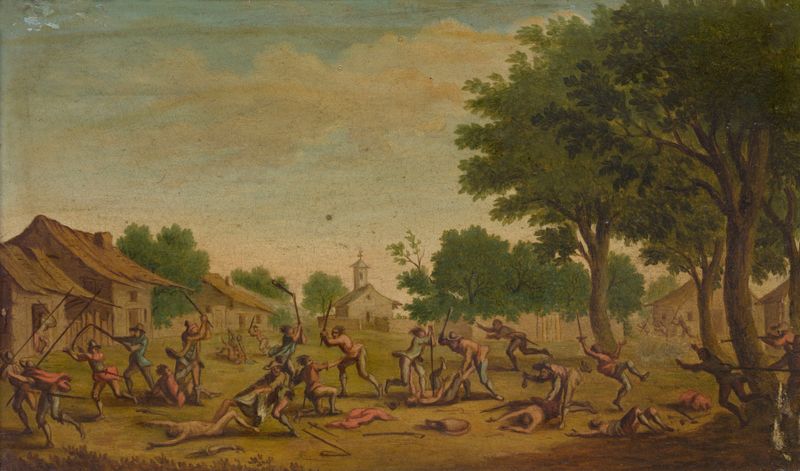
Village Fight
Jacques Callot

Titelprent voor prentreeks 'Het leven van Maria'
Jacques Callot
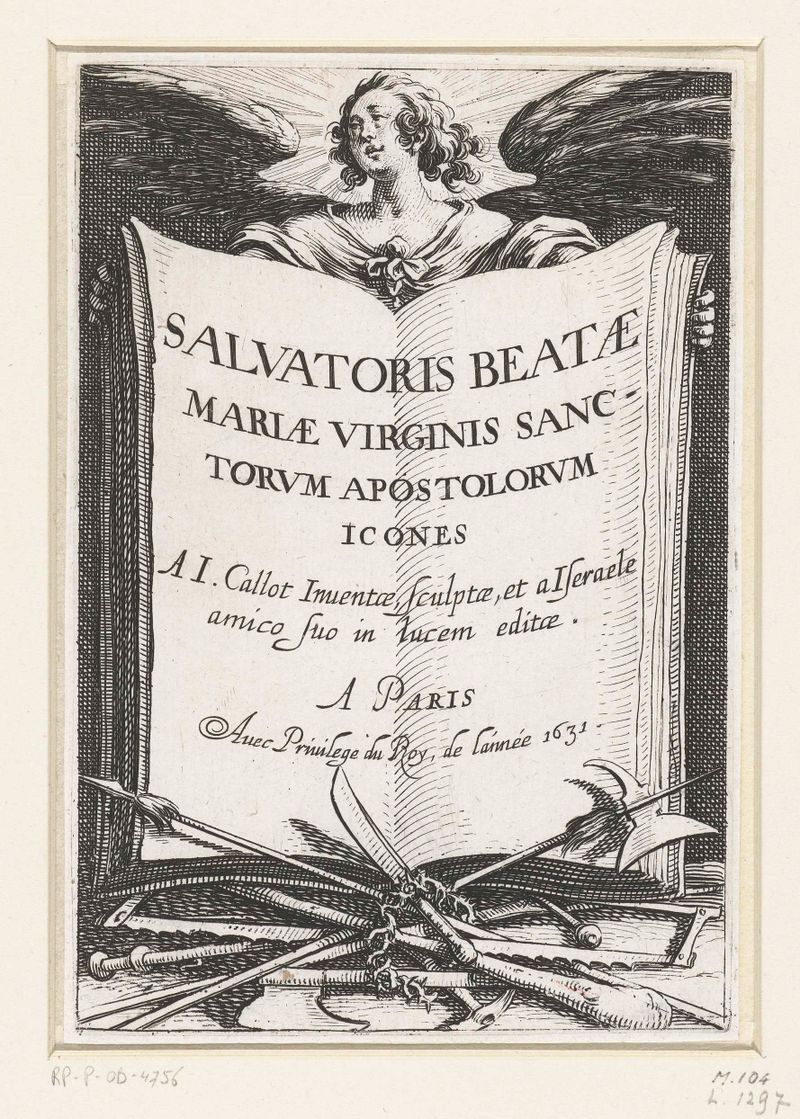
Titelprent voor de prentreeks 'De grote apostelen' (Christus, Maria en de apostelen)
Jacques Callot

Christus aan het volk getoond (Ecce homo)
Jacques Callot
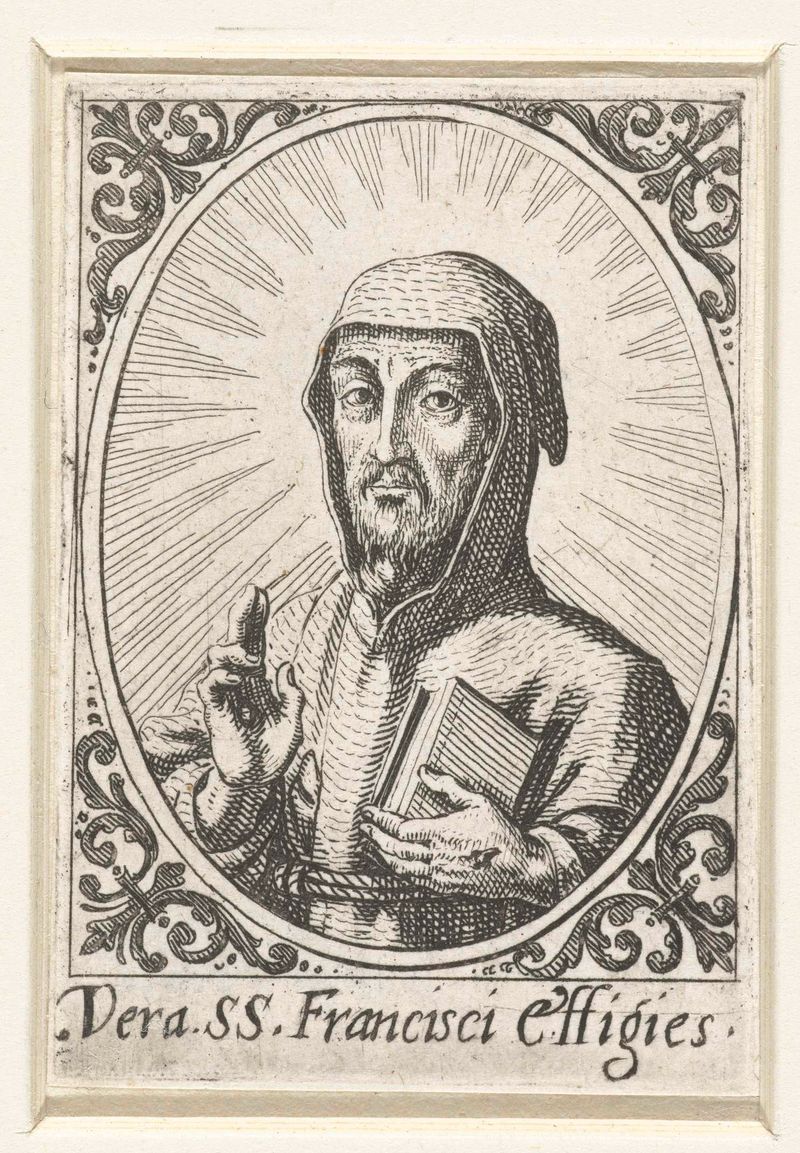
Portret van de Heilige Franciscus
Jacques Callot
More Religious Art
Browse all →
The Return of the Prodigal Son
Rembrandt van Rijn

The Garden of Earthly Delights
El Bosco

Count Orgaz’ funeral
El Greco

The Hundred Guilder Print: the central piece with Christ preaching, the plate arched
Rembrandt van Rijn

The Descent from the Cross
Rogier van der Weyden

The return of the prodigal son
Rembrandt van Rijn