
Het martelaarschap van de Heilige Sebastiaan — History & Facts
In Het martelaarschap van de Heilige Sebastiaan, emptiness becomes a haunting presence, a testament to the depths of human suffering and resilience. This painting captures the tension between pain and silence, inviting viewers to confront the stark reality of martyrdom. Look to the center of the canvas, where the figure of St. Sebastian is depicted, his body punctured by arrows, yet exuding a strange grace amidst despair.
Notice how the muted palette of browns and greys envelops him, with light filtering through an unseen source, accentuating his contorted features. The surrounding figures, cloaked in shadow, amplify this focus, their expressions ranging from horror to reverence, masterfully rendered in Callot’s delicate strokes and precise detail. Within this scene, profound contrasts emerge. The juxtaposition of Sebastian’s almost serene posture against the violence inflicted upon him speaks to an inner strength, a refusal to succumb to despair.
The void surrounding him mirrors the emptiness echoed in the hearts of onlookers, each arrow a symbol of both suffering and the paradox of hope. This tension is further heightened by the strong diagonal lines that guide the viewer’s gaze across the composition, creating a sense of dynamic stillness. Jacques Callot painted this work between 1631 and 1633, during a period of personal struggle and artistic evolution. Based in Nancy, France, he was navigating the complexities of the Baroque style while reflecting on themes of mortality and faith.
The political landscape of Europe was tumultuous, with wars and religious strife shaping the lives of many, including the artist himself. This context infuses Het martelaarschap van de Heilige Sebastiaan with a somber relevance, resonating with the universal quest for meaning amidst suffering.
More Artworks by Jacques Callot
Browse all →
Titelprent voor de prentreeks 'De kleine apostelen' (Het martelaarschap van de apostelen)
Jacques Callot
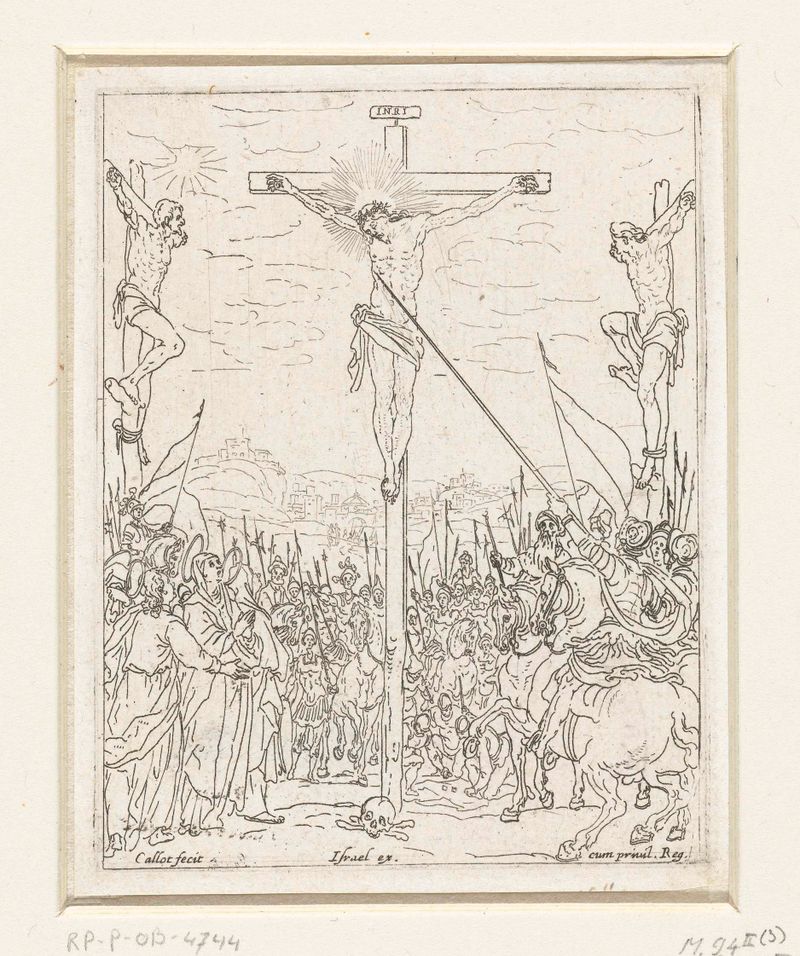
Kruisiging
Jacques Callot

De doortocht door de Rode Zee
Jacques Callot

De verloren zoon als zwijnenhoeder
Jacques Callot

Annunciatie
Jacques Callot
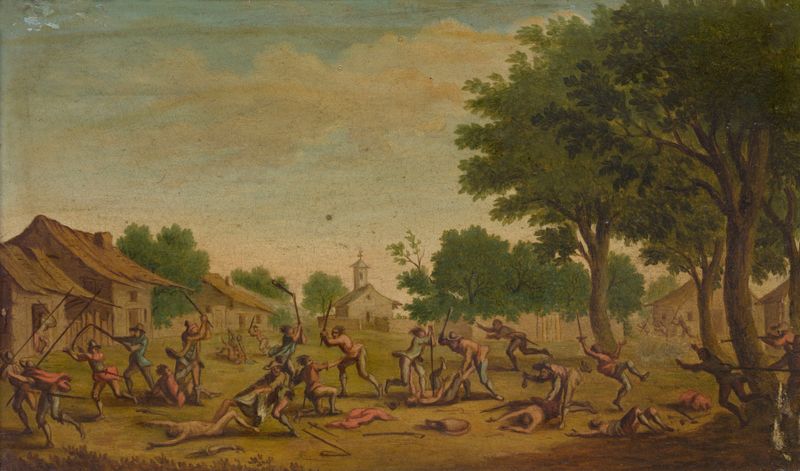
Village Fight
Jacques Callot

Titelprent voor prentreeks 'Het leven van Maria'
Jacques Callot
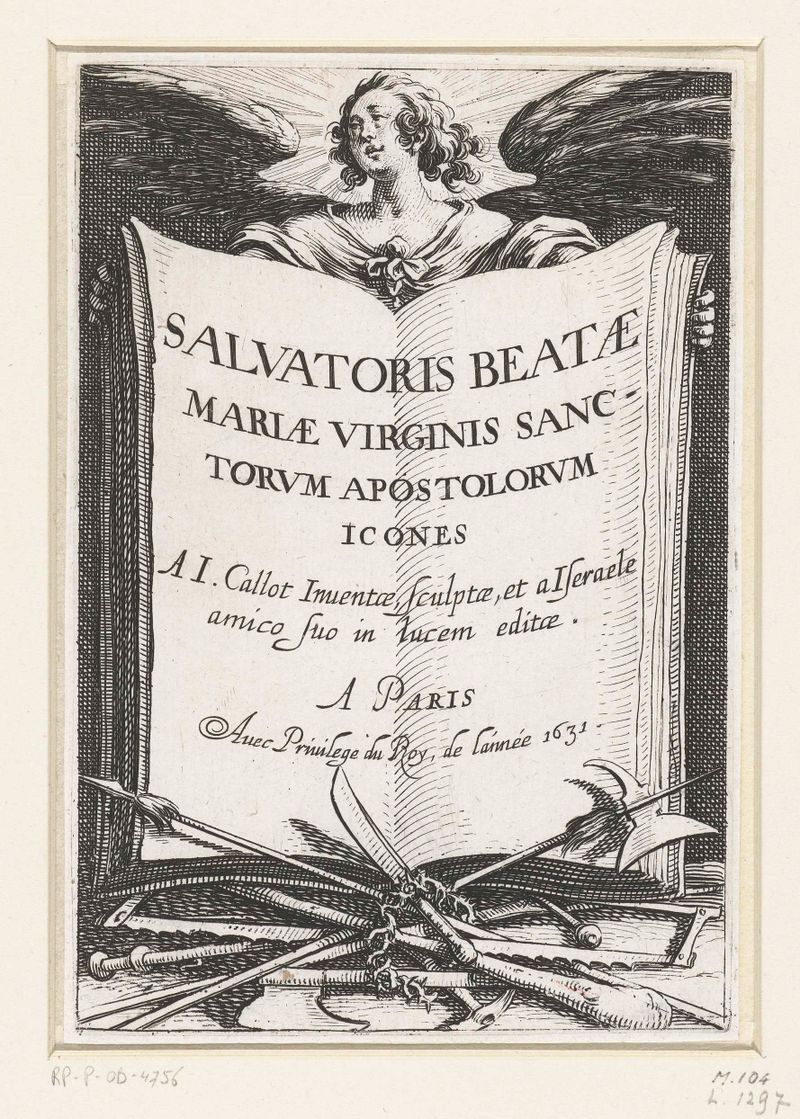
Titelprent voor de prentreeks 'De grote apostelen' (Christus, Maria en de apostelen)
Jacques Callot

Christus aan het volk getoond (Ecce homo)
Jacques Callot
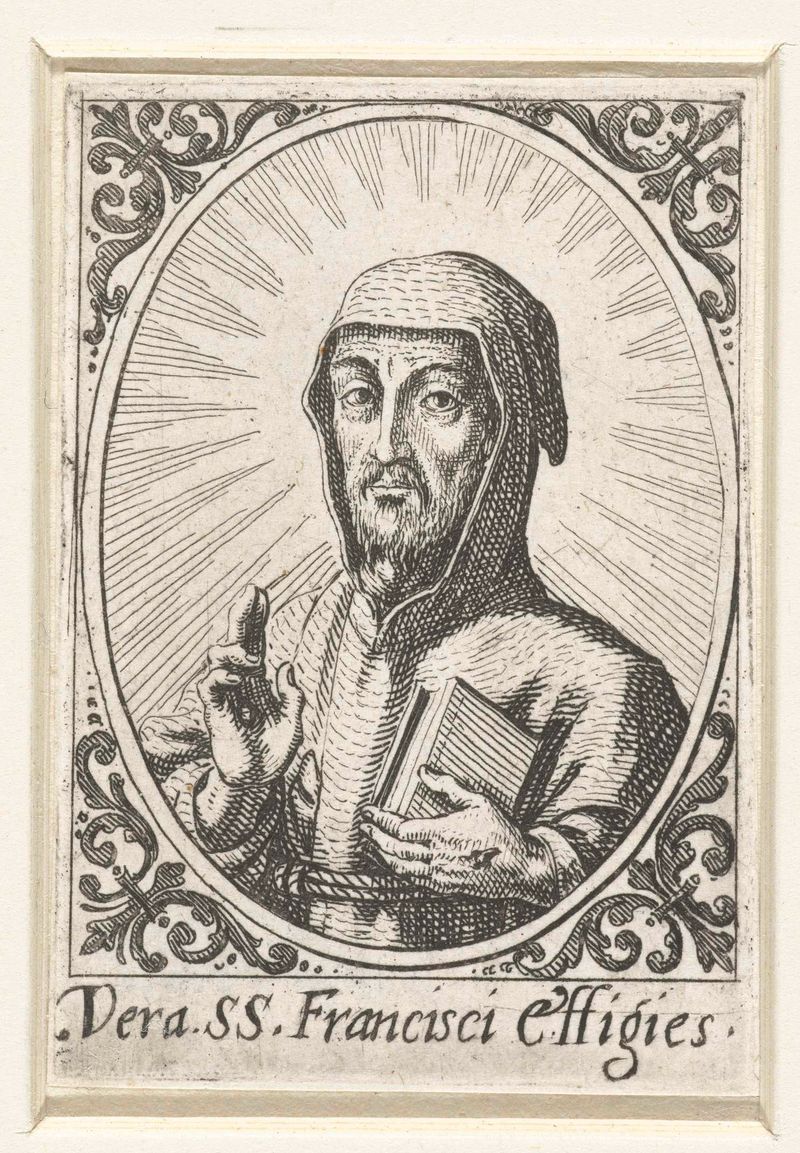
Portret van de Heilige Franciscus
Jacques Callot
More Religious Art
Browse all →
The Return of the Prodigal Son
Rembrandt van Rijn

The Garden of Earthly Delights
El Bosco

Count Orgaz’ funeral
El Greco

The Hundred Guilder Print: the central piece with Christ preaching, the plate arched
Rembrandt van Rijn

The Descent from the Cross
Rogier van der Weyden

The return of the prodigal son
Rembrandt van Rijn