
Het martelaarschap van de Heilige Sebastiaan — History & Facts
The transformation of suffering into beauty is an act of defiance that resonates through time, captivating our hearts and minds. Look closely at the central figure, the martyr, poised in a moment of anguish yet imbued with an unsettling grace. His body, taut against the cruel arrows, becomes a canvas for the interplay of light and shadow, highlighting the tension between pain and serenity. Notice the meticulous detailing in the arrows piercing his skin, each wound a testament to both torment and transcendence, while the subdued colors envelop the scene in a somber yet reverent atmosphere. The surrounding figures, a blend of anguish and reverence, heighten the emotional stakes.
The juxtaposition between the solemn expressions of the witnesses and the raw agony of the saint creates a poignant dialogue on the nature of sacrifice. Each observer's gaze seems to reflect a collective understanding of mortality, transforming the martyrdom into a shared experience of contemplation. This interplay of emotion allows the viewer to reflect on their own struggles and the potential for transformation through suffering. During the years 1631 to 1633, the artist was immersed in the Baroque movement, which emphasized emotional depth and dramatic compositions.
This period marked a turning point in his career, as he sought to elevate the human experience through expressive forms. Contemporary events, including political strife and religious conflicts, influenced his work, compelling him to explore themes of martyrdom and redemption in a world rife with turmoil.
More Artworks by Jacques Callot
Browse all →
Titelprent voor de prentreeks 'De kleine apostelen' (Het martelaarschap van de apostelen)
Jacques Callot
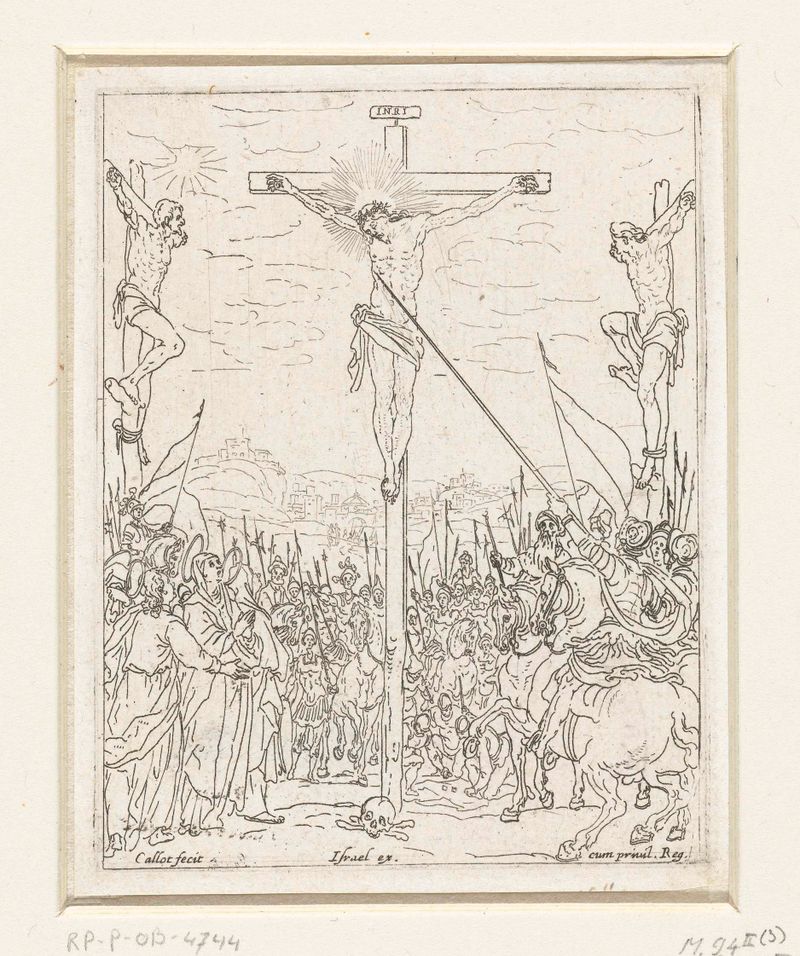
Kruisiging
Jacques Callot

De doortocht door de Rode Zee
Jacques Callot

De verloren zoon als zwijnenhoeder
Jacques Callot

Annunciatie
Jacques Callot
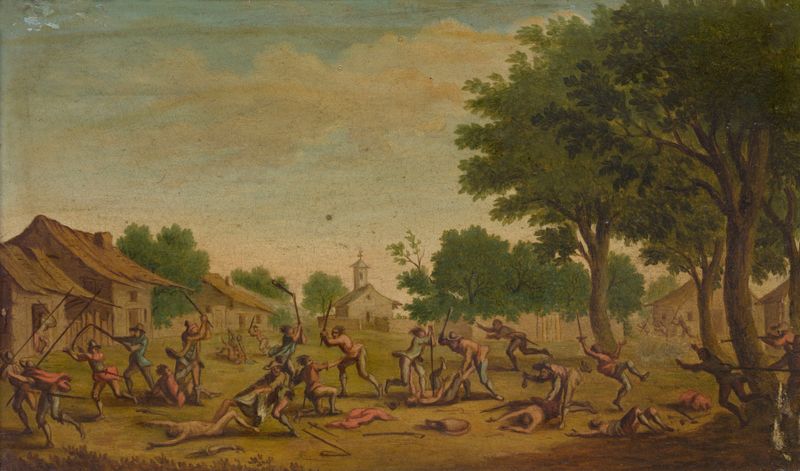
Village Fight
Jacques Callot

Titelprent voor prentreeks 'Het leven van Maria'
Jacques Callot
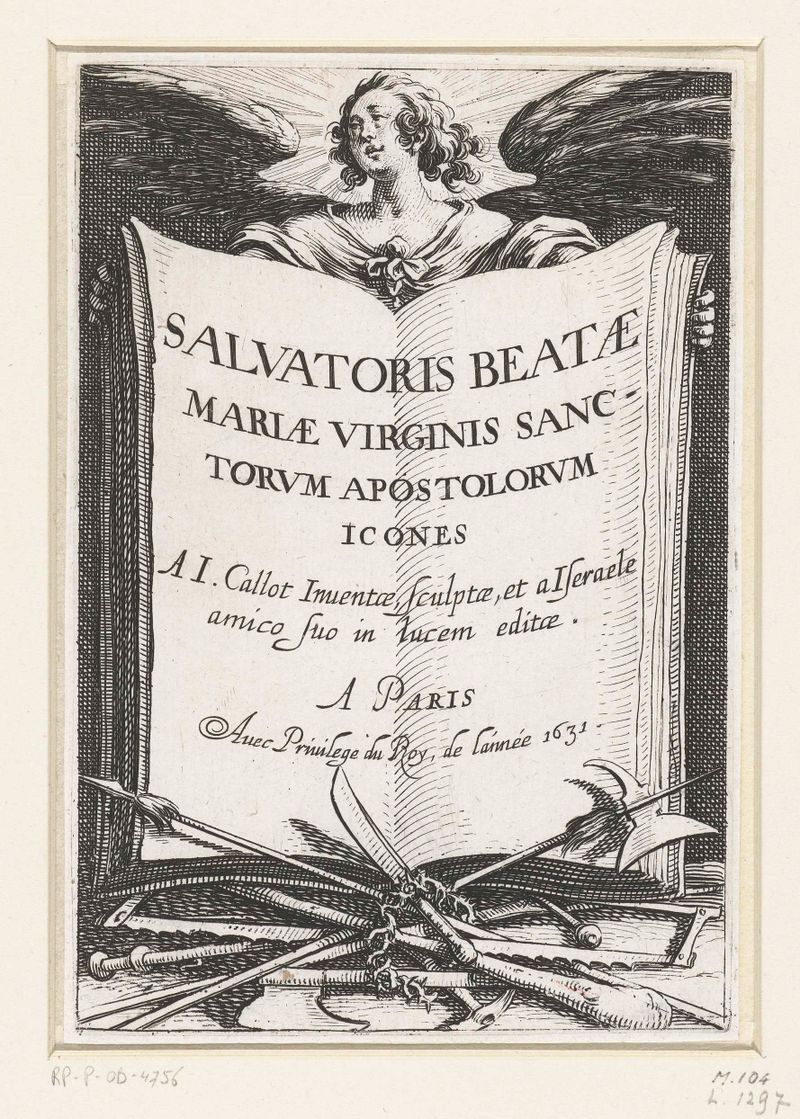
Titelprent voor de prentreeks 'De grote apostelen' (Christus, Maria en de apostelen)
Jacques Callot

Christus aan het volk getoond (Ecce homo)
Jacques Callot
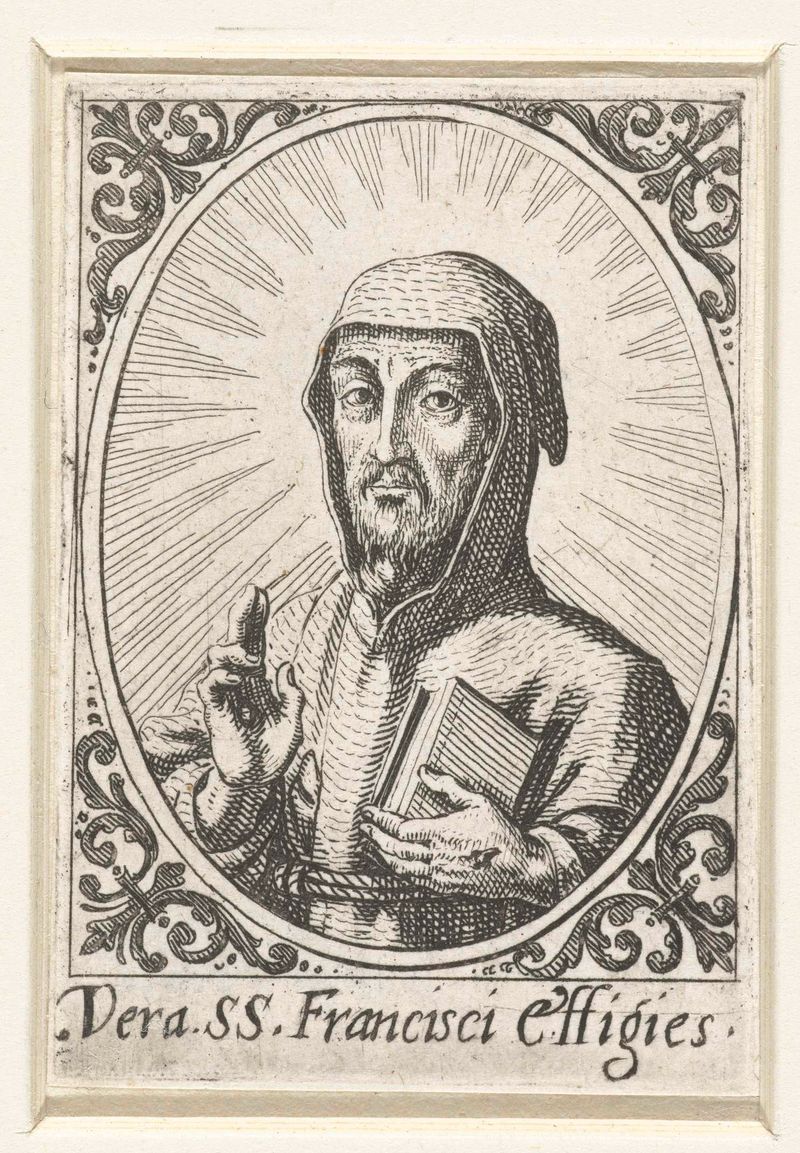
Portret van de Heilige Franciscus
Jacques Callot
More Religious Art
Browse all →
The Return of the Prodigal Son
Rembrandt van Rijn

The Garden of Earthly Delights
El Bosco

Count Orgaz’ funeral
El Greco

The Hundred Guilder Print: the central piece with Christ preaching, the plate arched
Rembrandt van Rijn

The Descent from the Cross
Rogier van der Weyden

The return of the prodigal son
Rembrandt van Rijn