
Het martelaarschap van de Heilige Stefanus — History & Facts
Is this a mirror — or a memory? In a world where the past and present intertwine, mortality is ever-present, a haunting specter that shapes our understanding of sacrifice and faith. Focus on the central figure, Saint Stephen, poised in the throes of agony amidst a tumultuous crowd. His body, illuminated by a divine glow, contrasts sharply with the shadowy figures surrounding him. Notice how the intricate details of the figures highlight their varied emotional responses — some jeer, while others appear almost mournful.
The deep, rich colors and bold lines create a sense of movement, drawing the viewer’s eye toward the dramatic intersection of light and dark. Delve deeper into the emotional landscape presented here. The tension between the saint's unwavering faith and the violent hostility of his persecutors reveals a profound struggle not just for survival, but for the essence of belief itself. The surrounding chaos amplifies the solitude of martyrdom, emphasizing the isolation that often accompanies profound convictions.
Each anguished face captures a unique reaction to the scene, reflecting the complexities of human nature in the face of death. Jacques Callot painted this powerful work between 1608 and 1611 during a time when religious strife permeated Europe. Living in Nancy, France, he was influenced by the Counter-Reformation’s fervor, which demanded new expressions of faith and martyrdom. This artwork stands as a testament to the period's tumult, encapsulating the painful intersection of faith, sacrifice, and the ever-looming shadow of mortality.
More Artworks by Jacques Callot
Browse all →
Titelprent voor de prentreeks 'De kleine apostelen' (Het martelaarschap van de apostelen)
Jacques Callot
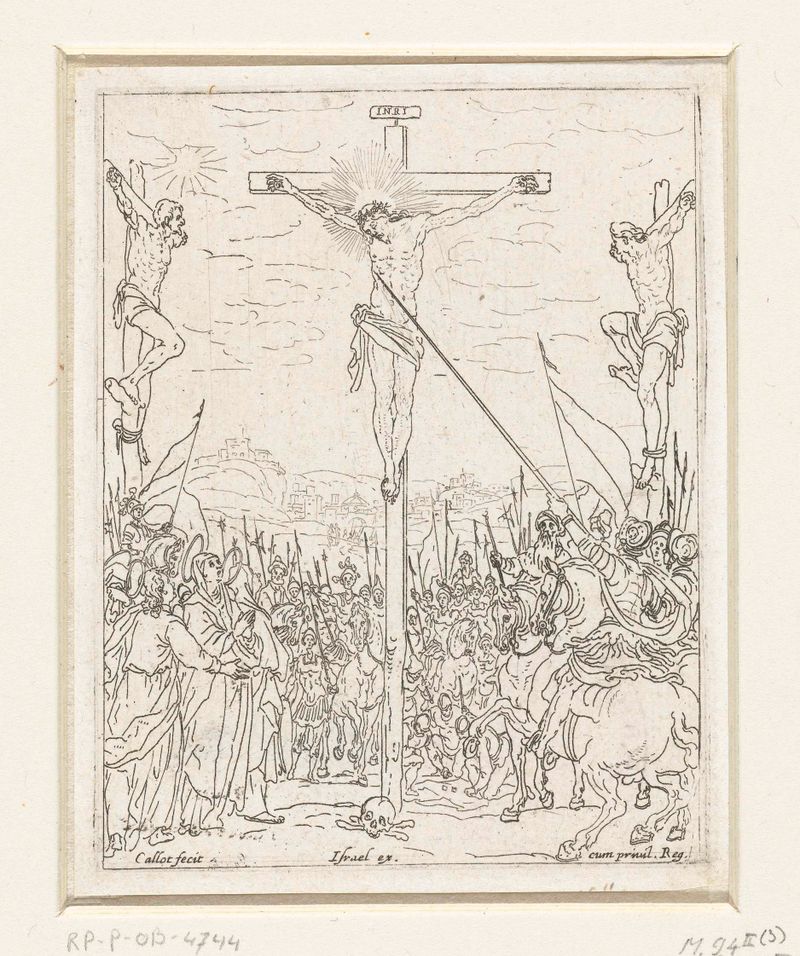
Kruisiging
Jacques Callot

De doortocht door de Rode Zee
Jacques Callot

De verloren zoon als zwijnenhoeder
Jacques Callot

Annunciatie
Jacques Callot
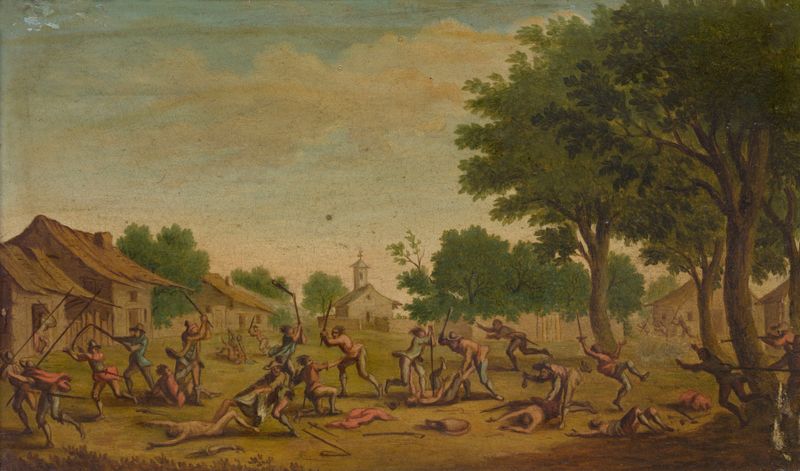
Village Fight
Jacques Callot

Titelprent voor prentreeks 'Het leven van Maria'
Jacques Callot
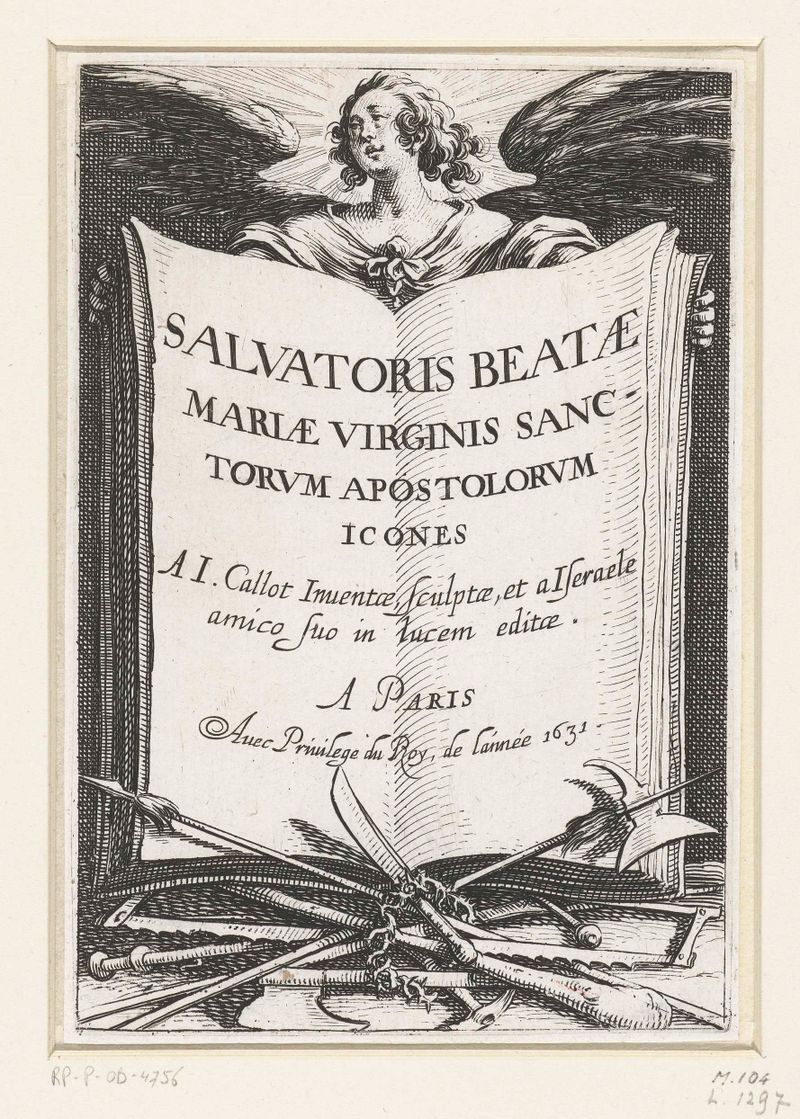
Titelprent voor de prentreeks 'De grote apostelen' (Christus, Maria en de apostelen)
Jacques Callot

Christus aan het volk getoond (Ecce homo)
Jacques Callot
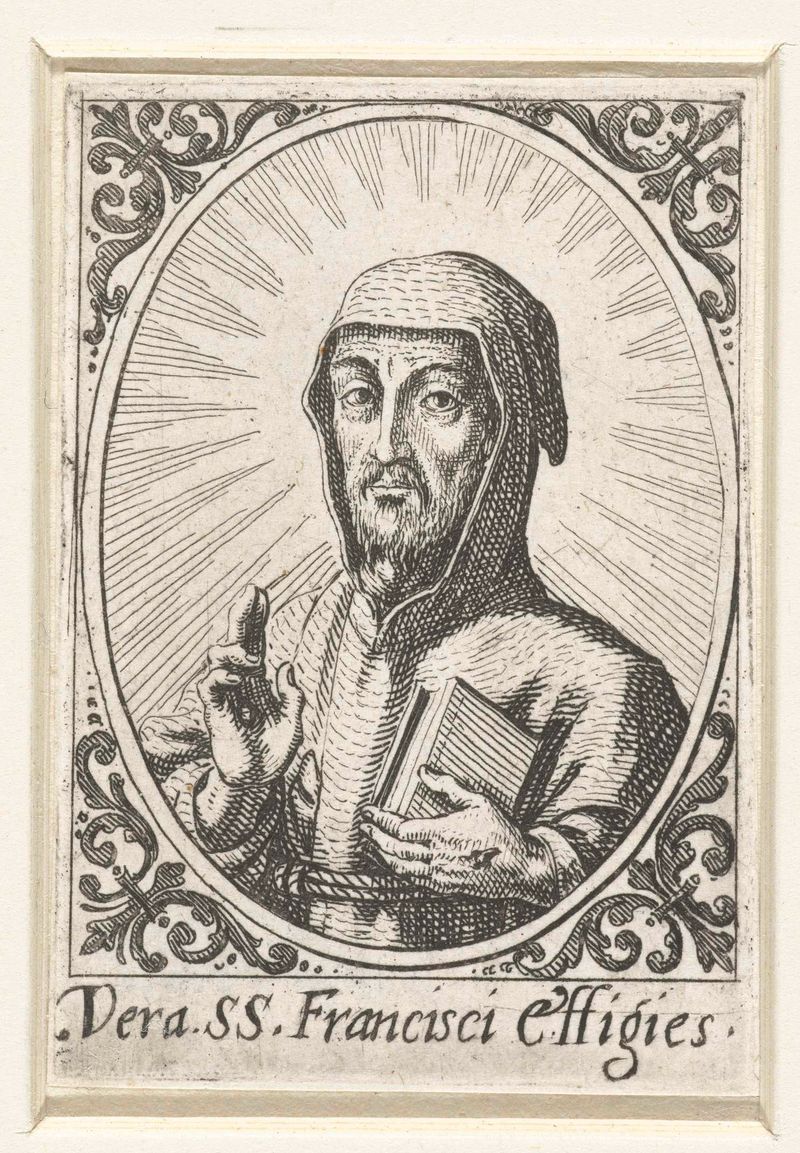
Portret van de Heilige Franciscus
Jacques Callot
More Religious Art
Browse all →
The Return of the Prodigal Son
Rembrandt van Rijn

The Garden of Earthly Delights
El Bosco

Count Orgaz’ funeral
El Greco

The Hundred Guilder Print: the central piece with Christ preaching, the plate arched
Rembrandt van Rijn

The Descent from the Cross
Rogier van der Weyden

The return of the prodigal son
Rembrandt van Rijn