
Het martelaarschap van Filippus — History & Facts
Can paint confess what words never could? In Het martelaarschap van Filippus, the haunting imagery evokes a dreamscape where suffering and faith intertwine. Look to the center, where the figure of the martyr, Philip, dominates the composition. His anguished expression captures both the physical and spiritual turmoil he endures, while the dark, swirling clouds around him contrast sharply with the vibrant reds and golds of the flames encircling his sacrifice. Notice how Callot employs sharp lines and fluid brushstrokes to create a sense of movement, guiding your gaze from the fallen figure to the towering onlookers, who appear caught between horror and reverence. Emotional contrasts abound in this piece.
The agony of Philip's martyrdom is illuminated by the starkness of his unwavering faith, inviting viewers to explore their own moral convictions. The disparate reactions of the crowd serve as a poignant reminder of humanity’s complex relationship with suffering and belief—some are horrified, while others seem transfixed, celebrating the act of sacrifice. Here, Callot weaves a rich tapestry of despair and transcendence, forcing us to confront our understanding of pain and redemption. Created between 1632 and 1634, this work marked a significant moment in Jacques Callot's career, as he was gaining recognition for his ability to convey powerful narratives through printmaking and painting.
At this time, Europe was embroiled in the Thirty Years' War, and themes of martyrdom and sacrifice resonated deeply within a society grappling with conflict and loss. The artist's exploration of these themes in Het martelaarschap van Filippus speaks not only to his personal artistic evolution but also to the tumultuous spirit of his age.
More Artworks by Jacques Callot
Browse all →
Titelprent voor de prentreeks 'De kleine apostelen' (Het martelaarschap van de apostelen)
Jacques Callot
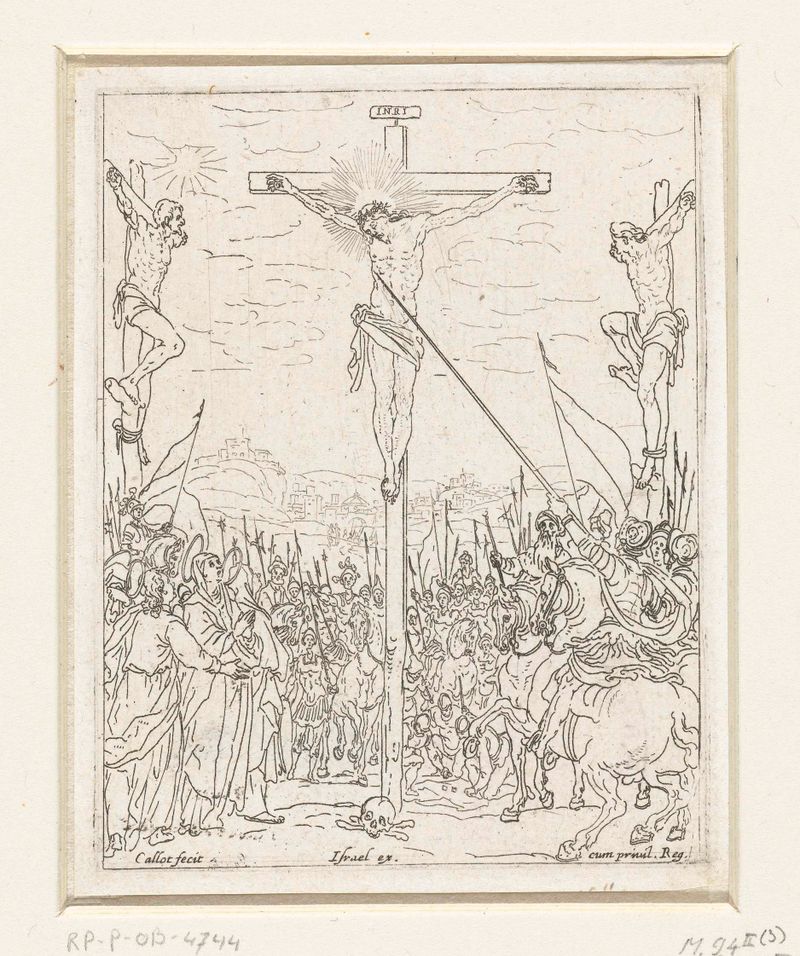
Kruisiging
Jacques Callot

De doortocht door de Rode Zee
Jacques Callot

De verloren zoon als zwijnenhoeder
Jacques Callot

Annunciatie
Jacques Callot
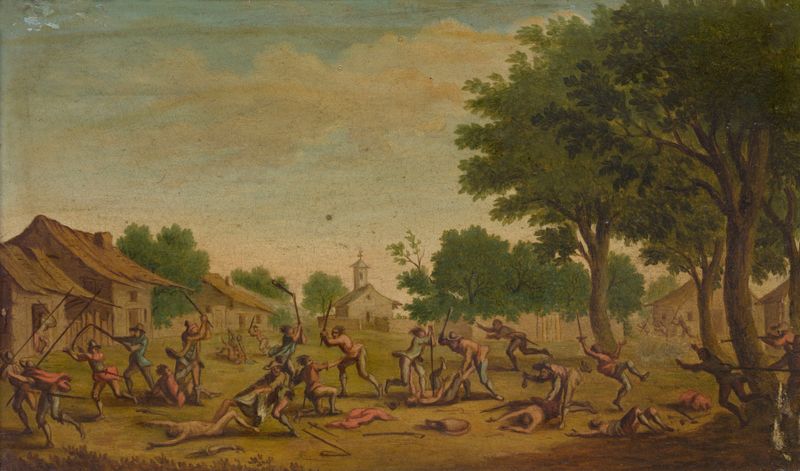
Village Fight
Jacques Callot

Titelprent voor prentreeks 'Het leven van Maria'
Jacques Callot
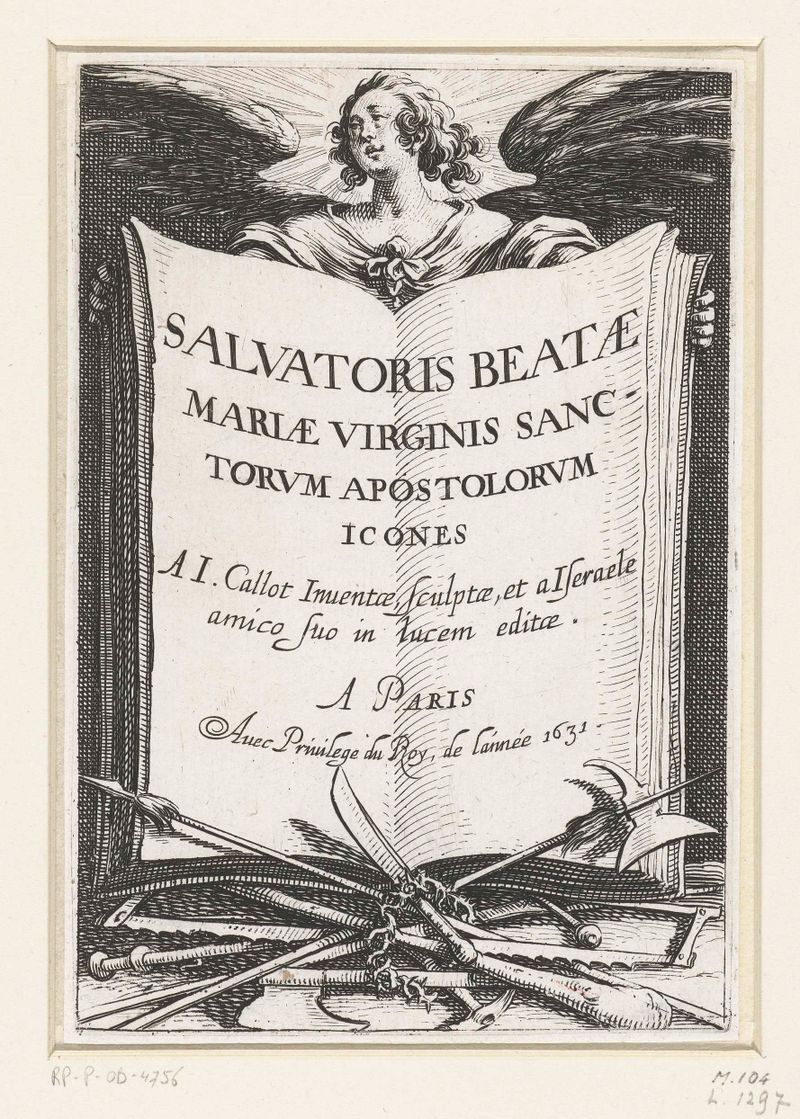
Titelprent voor de prentreeks 'De grote apostelen' (Christus, Maria en de apostelen)
Jacques Callot

Christus aan het volk getoond (Ecce homo)
Jacques Callot
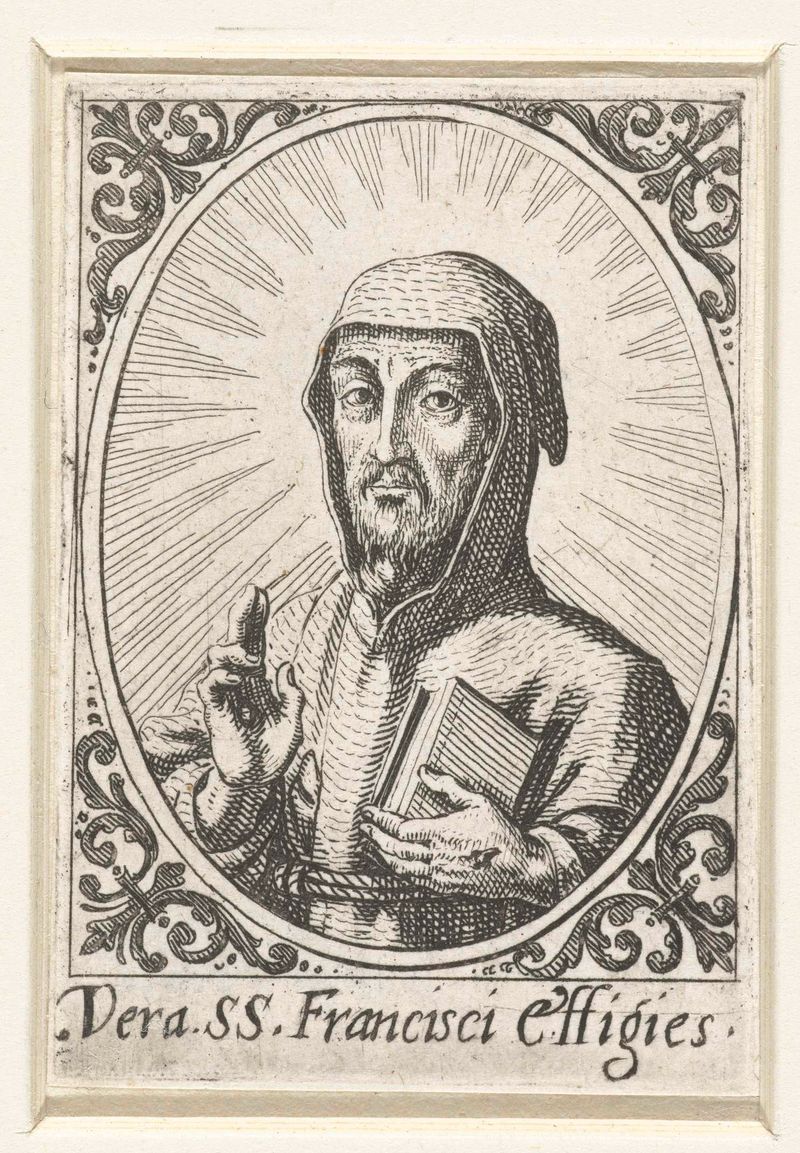
Portret van de Heilige Franciscus
Jacques Callot
More Religious Art
Browse all →
The Return of the Prodigal Son
Rembrandt van Rijn

The Garden of Earthly Delights
El Bosco

Count Orgaz’ funeral
El Greco

The Hundred Guilder Print: the central piece with Christ preaching, the plate arched
Rembrandt van Rijn

The Descent from the Cross
Rogier van der Weyden

The return of the prodigal son
Rembrandt van Rijn