
Het martelaarschap van Jakobus de Meerdere — History & Facts
In the heart of Jacques Callot's Het martelaarschap van Jakobus de Meerdere, innocence is enshrined in the tragic moment of martyrdom, inviting us to ponder how suffering cloaked in beauty can evoke profound emotions. Look to the left at the anguished figure of Saint James, his face a portrait of serene acceptance amidst chaos. The vibrant hues of his garment contrast sharply with the muted tones of the surrounding onlookers, drawing your gaze to his unwavering spirit. Notice how the rich reds and golds envelop him, highlighting the tension between his sacrifice and the vibrant life around him.
The intricate details in the background, from the expressions of horror to the skeletal shadows of violence, heighten this striking sense of duality. As you explore further, consider the small, almost hidden details — like the delicate flowers scattered on the ground, symbolizing the transient beauty of life even in dark moments. The juxtaposition of innocence, represented through the saint and the violent act surrounding him, creates a visceral dissonance that resonates deeply. Callot captures not only the martyrdom but also the fragility of human life and the complexities of faith, urging viewers to confront their own feelings about suffering and grace. Created between 1632 and 1634, Callot painted this work during a period marked by the baroque movement's intense focus on emotion and drama.
Living in France, he was influenced by the tumultuous socio-political environment of his time, particularly the Thirty Years' War. The artist's exploration of martyrdom reflects a broader contemplation on suffering and virtue, resonating with the spiritual crises and artistic innovations of this pivotal era.
More Artworks by Jacques Callot
Browse all →
Titelprent voor de prentreeks 'De kleine apostelen' (Het martelaarschap van de apostelen)
Jacques Callot
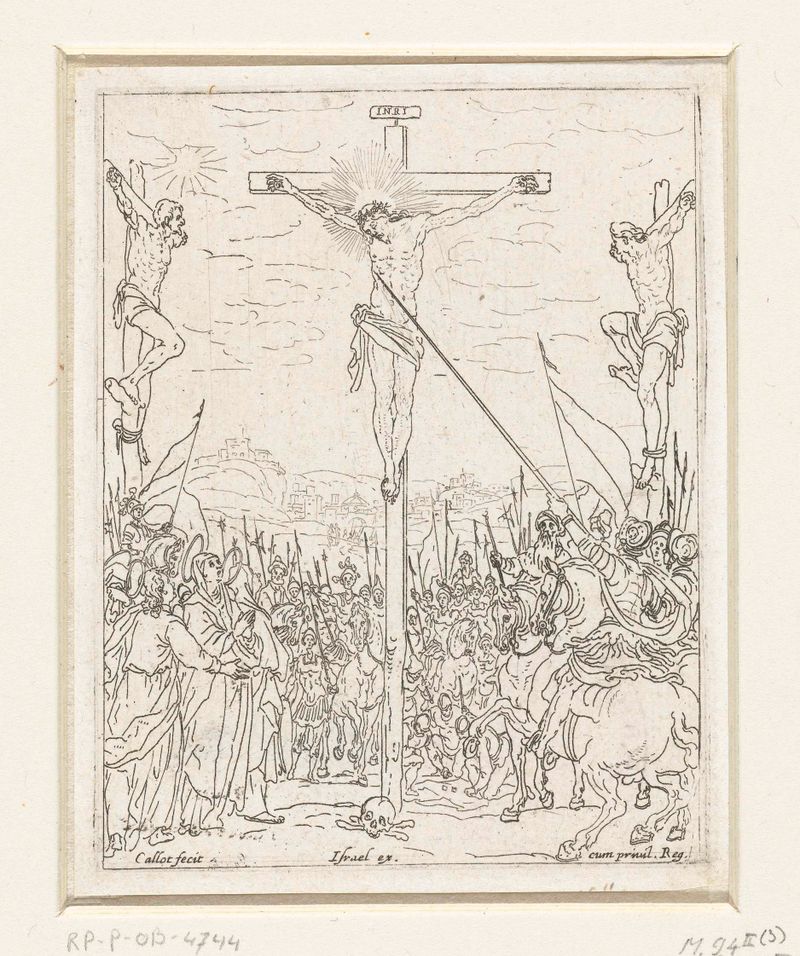
Kruisiging
Jacques Callot

De doortocht door de Rode Zee
Jacques Callot

De verloren zoon als zwijnenhoeder
Jacques Callot

Annunciatie
Jacques Callot
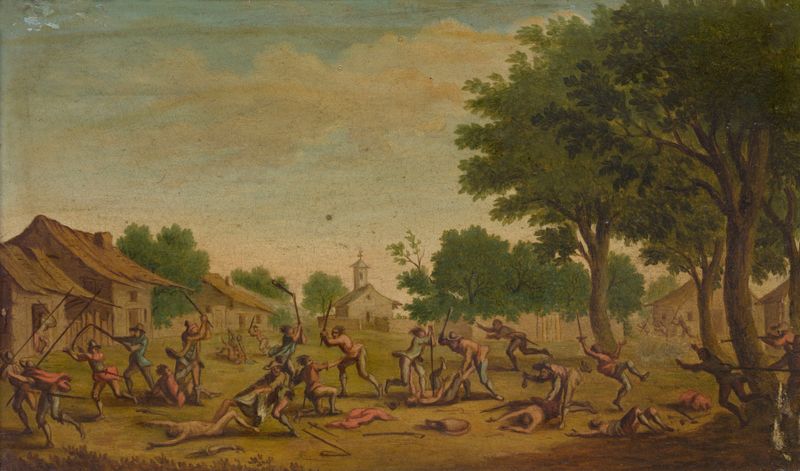
Village Fight
Jacques Callot

Titelprent voor prentreeks 'Het leven van Maria'
Jacques Callot
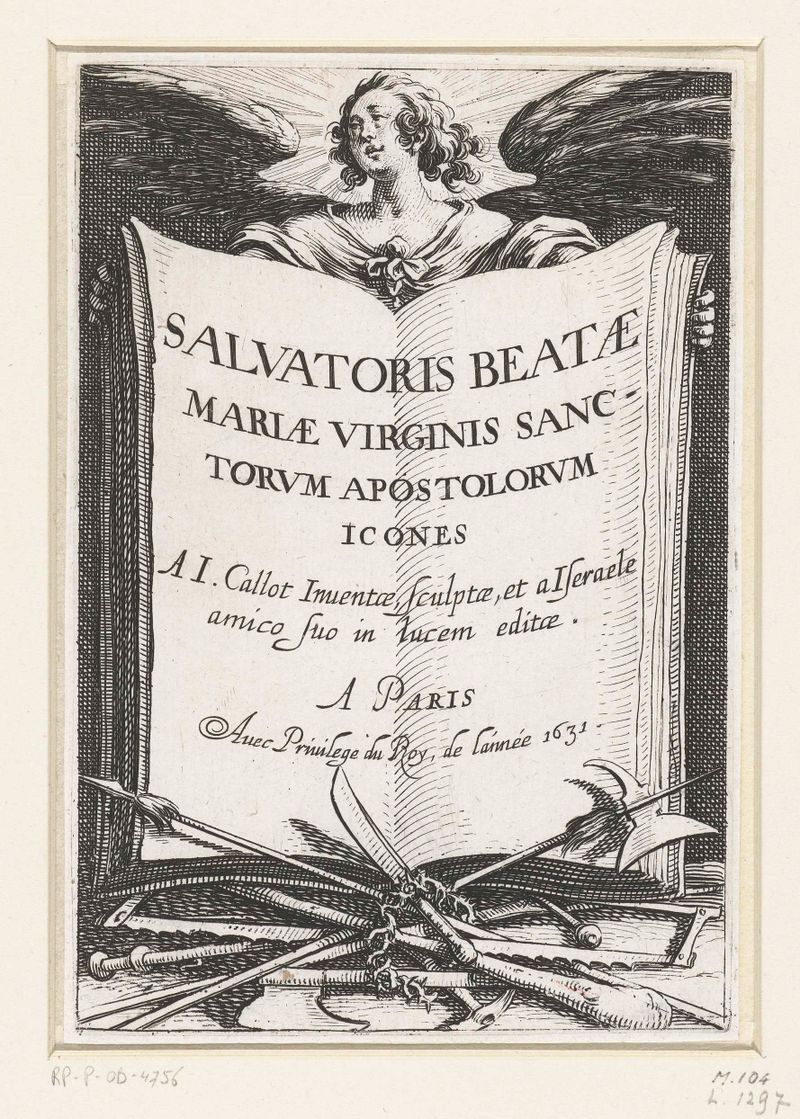
Titelprent voor de prentreeks 'De grote apostelen' (Christus, Maria en de apostelen)
Jacques Callot

Christus aan het volk getoond (Ecce homo)
Jacques Callot
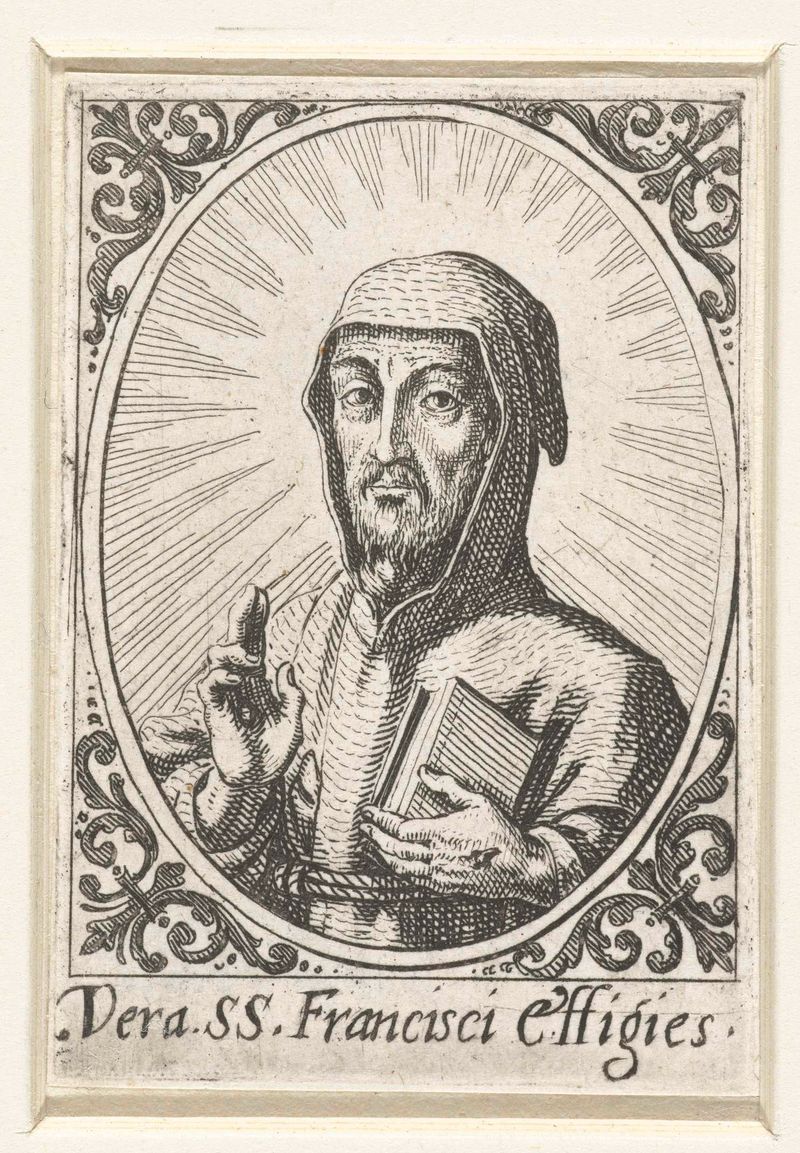
Portret van de Heilige Franciscus
Jacques Callot
More Religious Art
Browse all →
The Return of the Prodigal Son
Rembrandt van Rijn

The Garden of Earthly Delights
El Bosco

Count Orgaz’ funeral
El Greco

The Hundred Guilder Print: the central piece with Christ preaching, the plate arched
Rembrandt van Rijn

The Descent from the Cross
Rogier van der Weyden

The return of the prodigal son
Rembrandt van Rijn