
Het martelaarschap van Johannes — History & Facts
What if beauty was never meant to be finished? In the tender chaos of creation, the unfinished reveals deeper truths than perfection ever could. Look closely at the anguished figures sprawled across the canvas, where the martyrdom unfolds in arresting detail. Notice how the stark contrasts of light and shadow breathe life into their expressions, each contour painted with a delicate hand. The intricate engravings draw your eye first to the central figure, John the Baptist, whose serene yet tragic countenance seems to echo a haunting sense of inevitability.
Surrounding him, the chaotic energy of the scene is captured through swirling lines and dynamic poses, encapsulating the moment of human suffering and divine purpose. Beneath the surface of turmoil, one can sense a potent commentary on faith and sacrifice. The intertwining of the sacred and the grotesque reflects the artist's exploration of the human condition, illustrating not just physical pain but a deeper, emotional resonance. Each character bears a distinct expression that whispers stories of hope, despair, and ultimately, transcendence.
The rich textures and intricate details invite the viewer to linger, revealing layers of meaning that challenge the perception of beauty itself. Created between 1632 and 1634, this work finds its roots in a tumultuous period for Jacques Callot, marked by the Thirty Years' War and the shifting tides of artistic expression. Working in Nancy, France, Callot was influenced by the Baroque movement, with its emphasis on emotion and realism. During this time, he was refining his distinctive etching technique, setting the stage for his profound exploration of human experiences that would resonate through generations.
More Artworks by Jacques Callot
Browse all →
Titelprent voor de prentreeks 'De kleine apostelen' (Het martelaarschap van de apostelen)
Jacques Callot
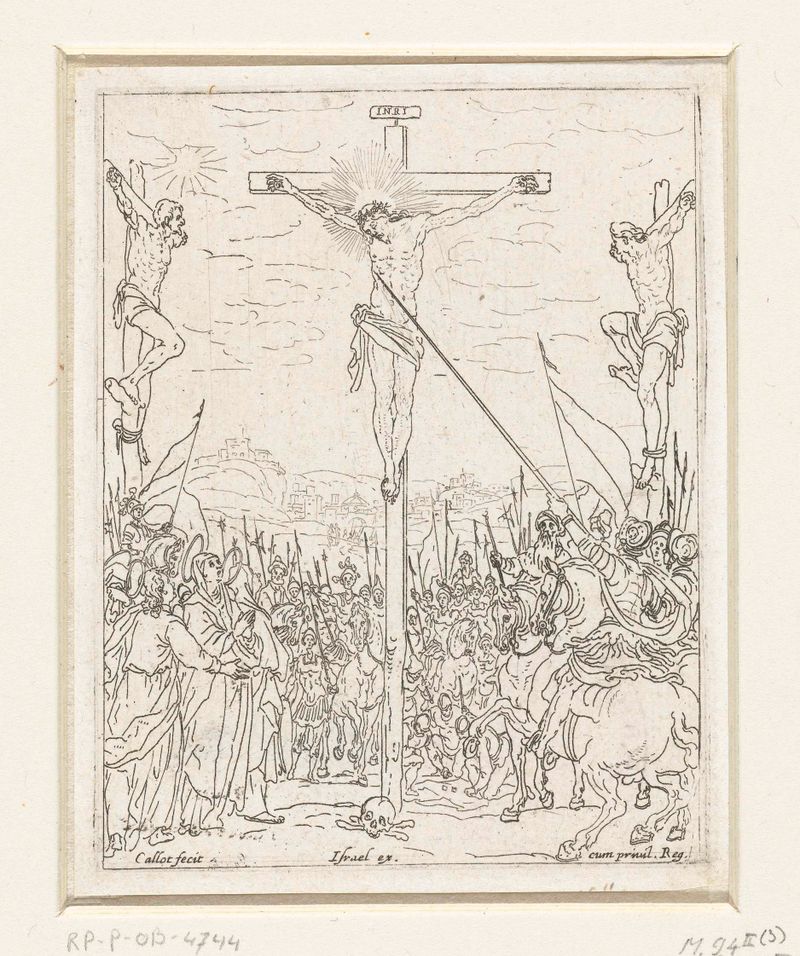
Kruisiging
Jacques Callot

De doortocht door de Rode Zee
Jacques Callot

De verloren zoon als zwijnenhoeder
Jacques Callot

Annunciatie
Jacques Callot
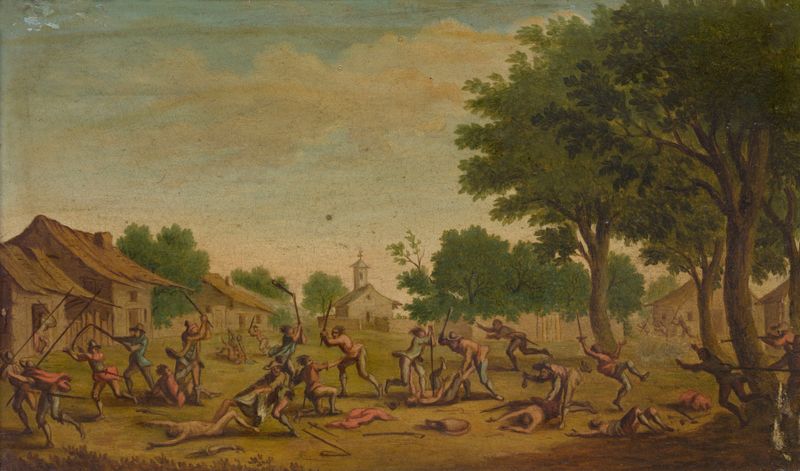
Village Fight
Jacques Callot

Titelprent voor prentreeks 'Het leven van Maria'
Jacques Callot
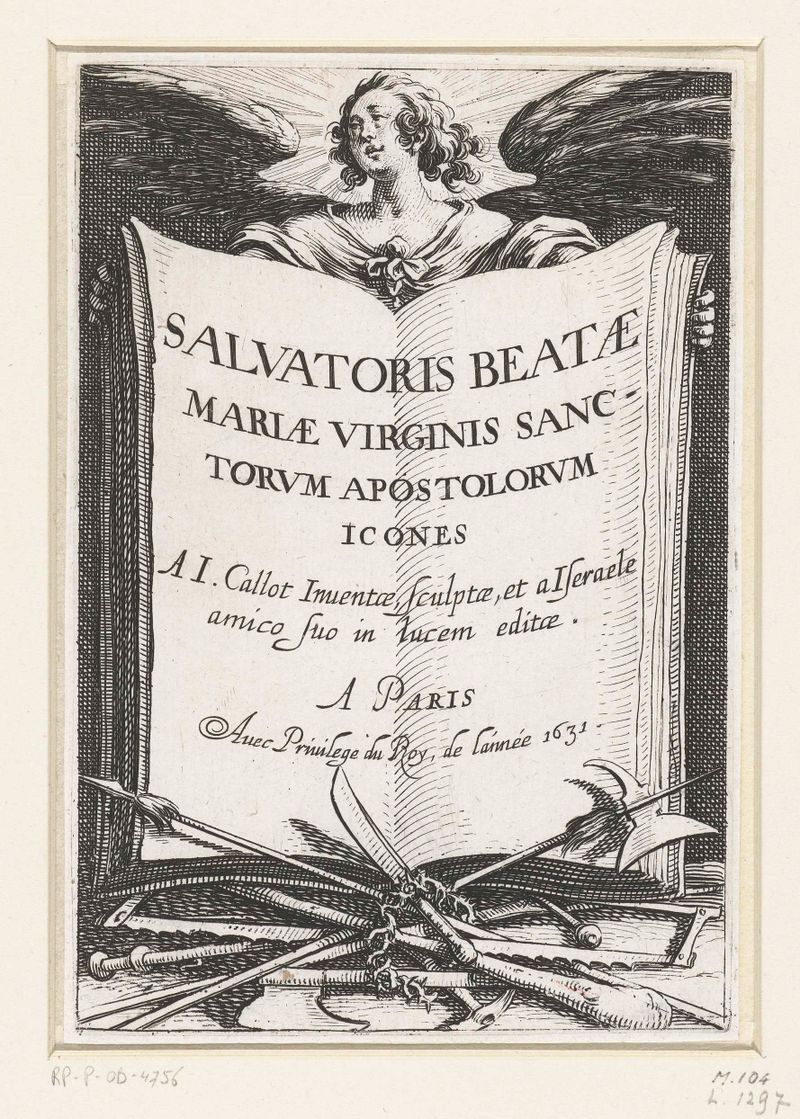
Titelprent voor de prentreeks 'De grote apostelen' (Christus, Maria en de apostelen)
Jacques Callot

Christus aan het volk getoond (Ecce homo)
Jacques Callot
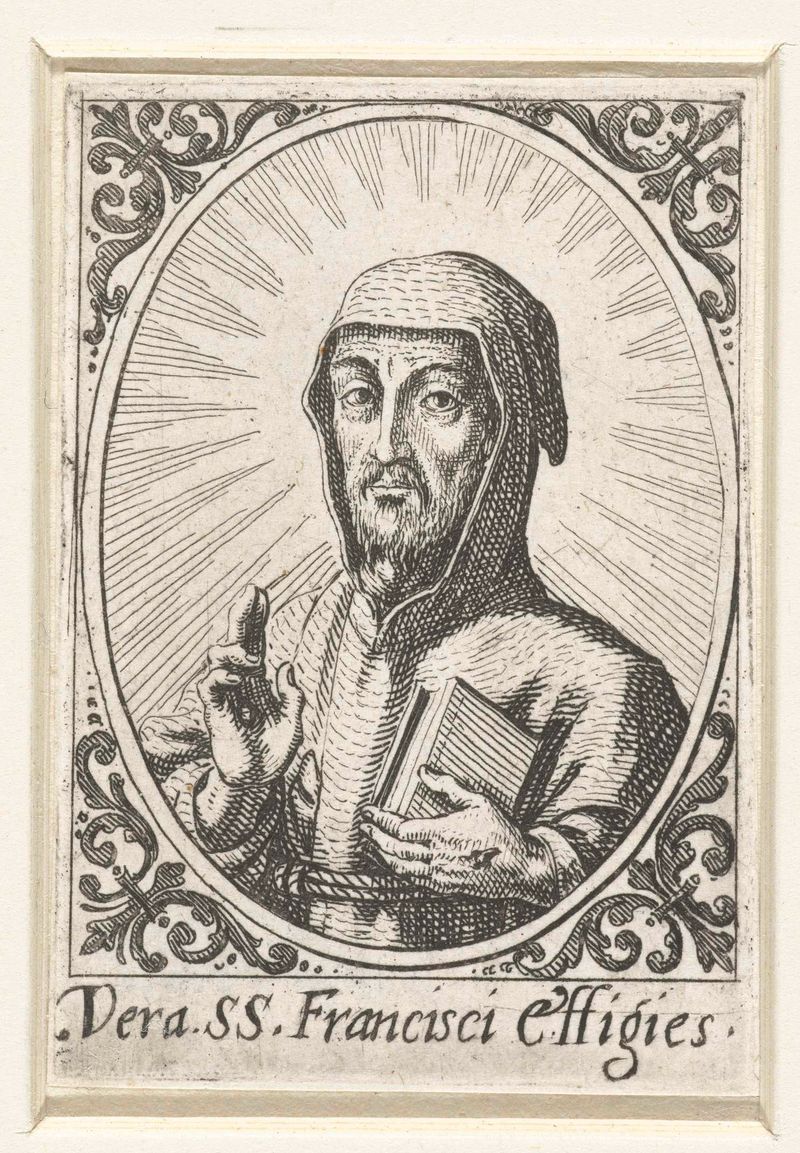
Portret van de Heilige Franciscus
Jacques Callot
More Religious Art
Browse all →
The Return of the Prodigal Son
Rembrandt van Rijn

The Garden of Earthly Delights
El Bosco

Count Orgaz’ funeral
El Greco

The Hundred Guilder Print: the central piece with Christ preaching, the plate arched
Rembrandt van Rijn

The Descent from the Cross
Rogier van der Weyden

The return of the prodigal son
Rembrandt van Rijn