
Het martelaarschap van Johannes — History & Facts
Can paint confess what words never could? In Het martelaarschap van Johannes, the silent agony of martyrdom unfolds, inviting the viewer to witness a profound revelation hidden within the brushstrokes. Look closely at the central figure, who is bound and kneeling. The swift lines and muted colors of the background contrast starkly with the vivid detail of his expression. Notice how the light captures the glisten of tears as it filters through the shadows, emphasizing the anguish and desperation in his eyes.
The composition draws your gaze inward, to the folds of his garments, which seem to ripple with the weight of his fate, while the coarse texture of the surroundings speaks to the harshness of the moment. The painting serves as a poignant reflection on suffering and sacrifice. The interplay of light and darkness reveals the duality of hope and despair, with the halo above the figure symbolizing the divine amidst human suffering. Each onlooker's face betrays a different emotion, highlighting a universal reaction to tragedy—fear, reverence, and sorrow intertwine, creating an emotional tapestry that transcends time.
The stark contrast of the serene background against the turmoil of the central figure elicits a deep contemplation of faith and martyrdom. Jacques Callot created this work between 1632 and 1634 during a period marked by religious conflict in Europe. Living in Nancy, France, he was deeply influenced by the Baroque style, which sought to evoke emotion through dramatic scenes. This painting reflects the tensions of his time, where devotion and suffering were intertwined themes, and it captures a moment in the artist’s life where he was increasingly exploring the depths of human experience through his art.
More Artworks by Jacques Callot
Browse all →
Titelprent voor de prentreeks 'De kleine apostelen' (Het martelaarschap van de apostelen)
Jacques Callot
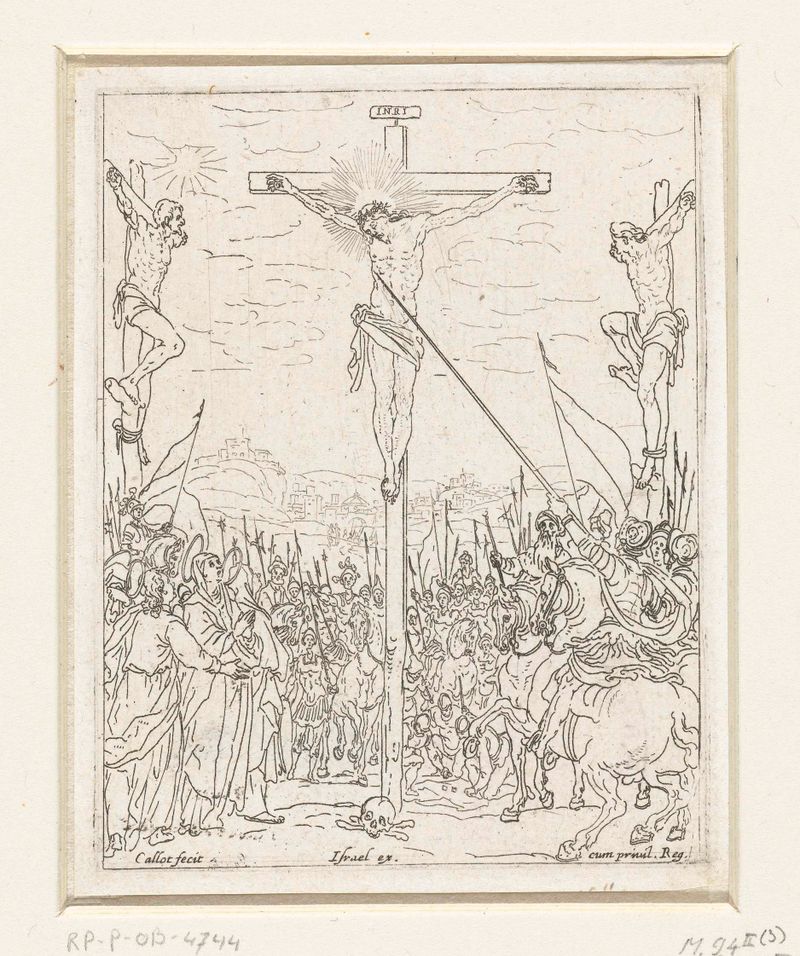
Kruisiging
Jacques Callot

De doortocht door de Rode Zee
Jacques Callot

De verloren zoon als zwijnenhoeder
Jacques Callot

Annunciatie
Jacques Callot
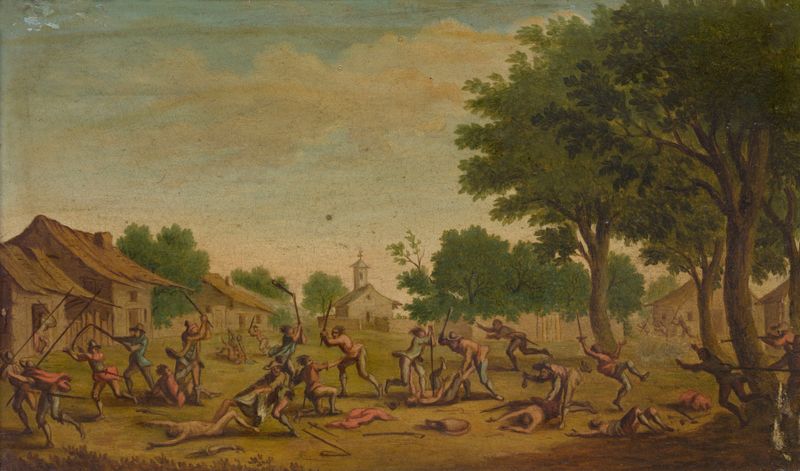
Village Fight
Jacques Callot

Titelprent voor prentreeks 'Het leven van Maria'
Jacques Callot
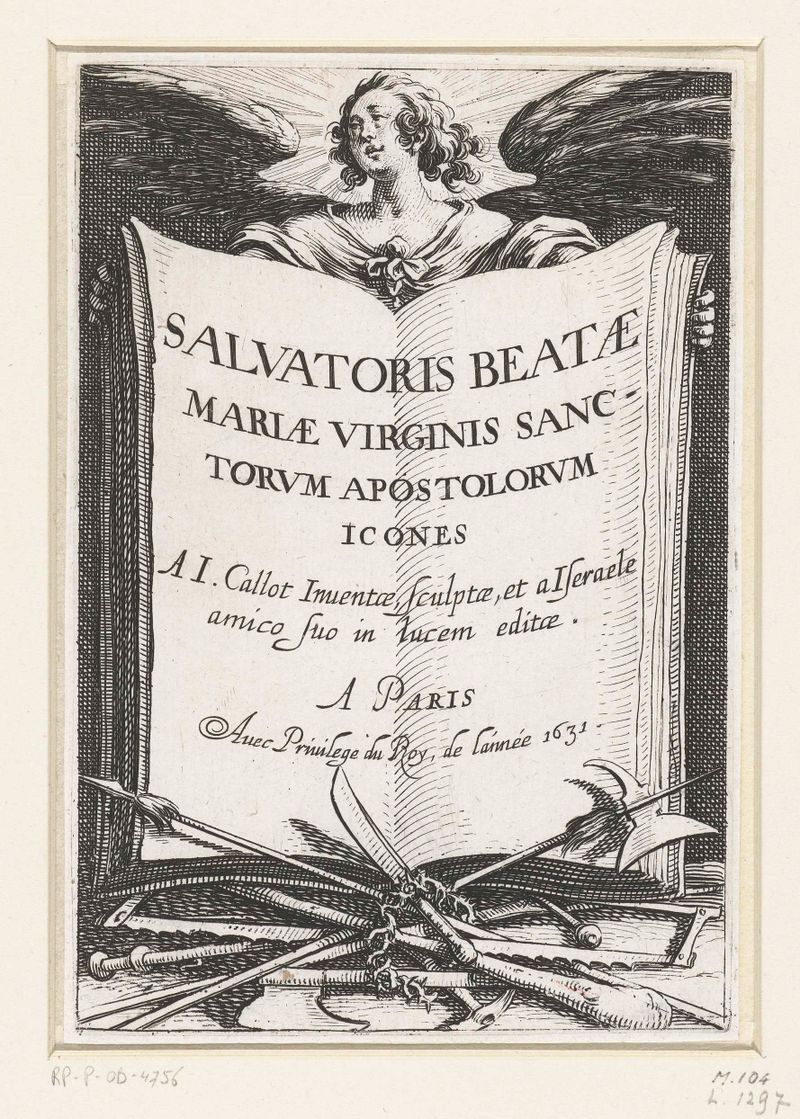
Titelprent voor de prentreeks 'De grote apostelen' (Christus, Maria en de apostelen)
Jacques Callot

Christus aan het volk getoond (Ecce homo)
Jacques Callot
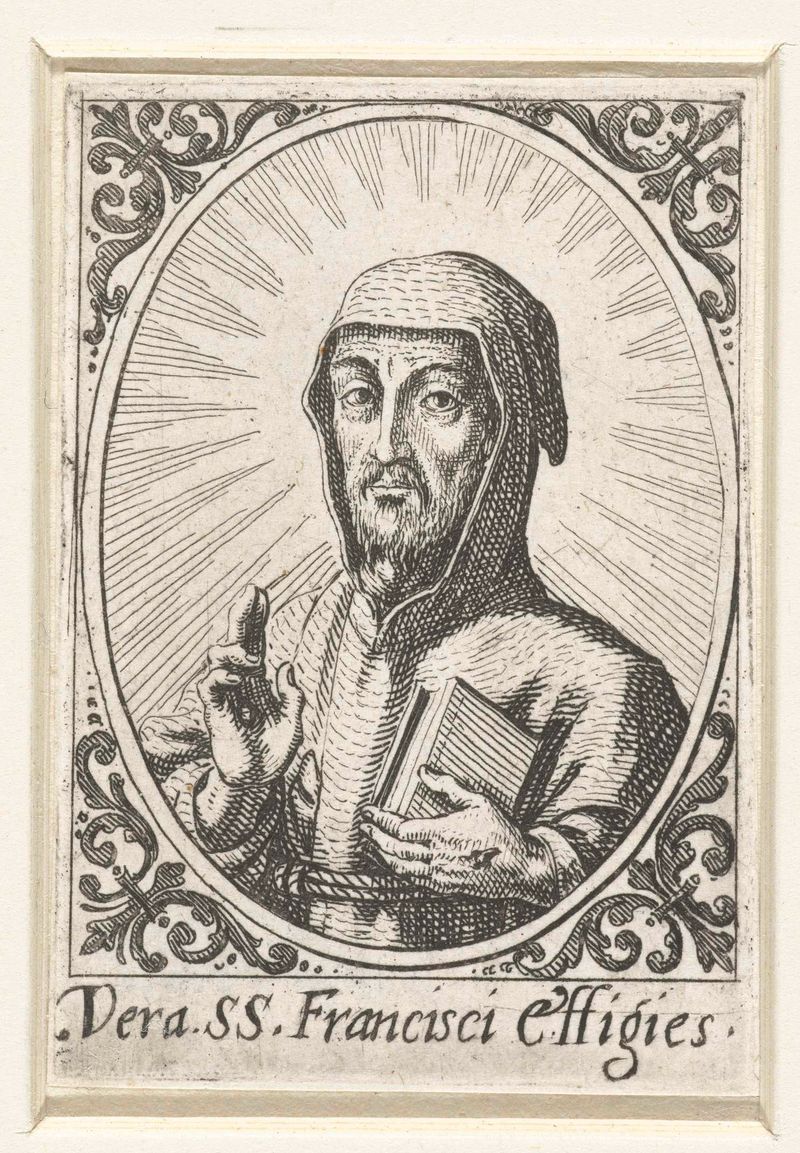
Portret van de Heilige Franciscus
Jacques Callot
More Religious Art
Browse all →
The Return of the Prodigal Son
Rembrandt van Rijn

The Garden of Earthly Delights
El Bosco

Count Orgaz’ funeral
El Greco

The Hundred Guilder Print: the central piece with Christ preaching, the plate arched
Rembrandt van Rijn

The Descent from the Cross
Rogier van der Weyden

The return of the prodigal son
Rembrandt van Rijn