
Het martelaarschap van Judas Thaddeüs — History & Facts
Could beauty survive in a century of chaos? In Het martelaarschap van Judas Thaddeüs, Jacques Callot captures the haunting aftermath of betrayal, inviting contemplation on the fragility of faith and loyalty amidst turmoil. Look to the center of the composition, where a solemn figure stands, haloed yet burdened by the weight of his fate. The intricate details of the clothing, rendered in subdued tones of ochre and gray, contrast sharply with the vibrant splashes of crimson in the surroundings, suggesting the violence that hangs in the air. The delicate linework showcases Callot’s mastery, guiding the eye through a narrative both harsh and captivating, while the interplay of light and shadow evokes a palpable tension layered within the scene. As you gaze deeper, consider the symbolism embodied in the gestures and postures of the figures.
Each expression tells a story of internal conflict, revealing the emotional complexities of judgment and redemption. The darkened backdrop serves not only as a stage but as a metaphor for the moral struggles faced by those who honor a cause, and the price of unwavering loyalty in an unforgiving world. The viewer is left to ponder the implications of betrayal and the sacrifices made in pursuit of truth. Jacques Callot created this poignant work between 1632 and 1634, during a turbulent period marked by the Thirty Years' War and shifting political landscapes in Europe.
In a time where artistic expression was often relegated to the grand narratives of the powerful, Callot’s dedication to exploring human emotion and moral dilemmas set him apart, grounding his work in the realities of human experience while remaining resonant through the ages.
More Artworks by Jacques Callot
Browse all →
Titelprent voor de prentreeks 'De kleine apostelen' (Het martelaarschap van de apostelen)
Jacques Callot
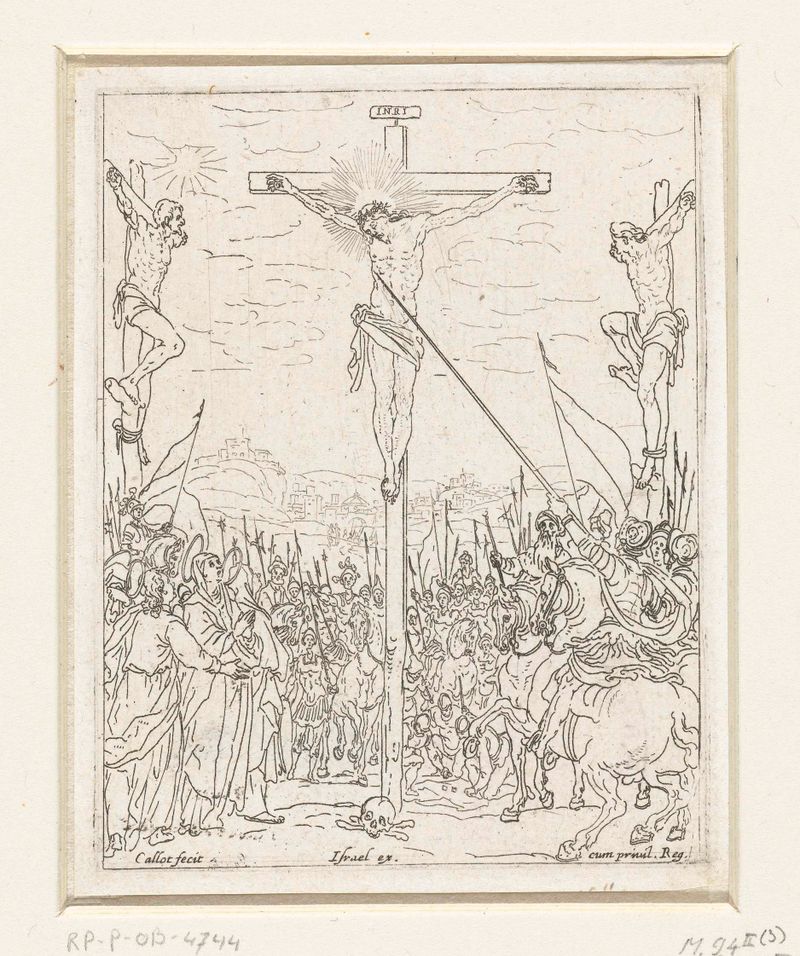
Kruisiging
Jacques Callot

De doortocht door de Rode Zee
Jacques Callot

De verloren zoon als zwijnenhoeder
Jacques Callot

Annunciatie
Jacques Callot
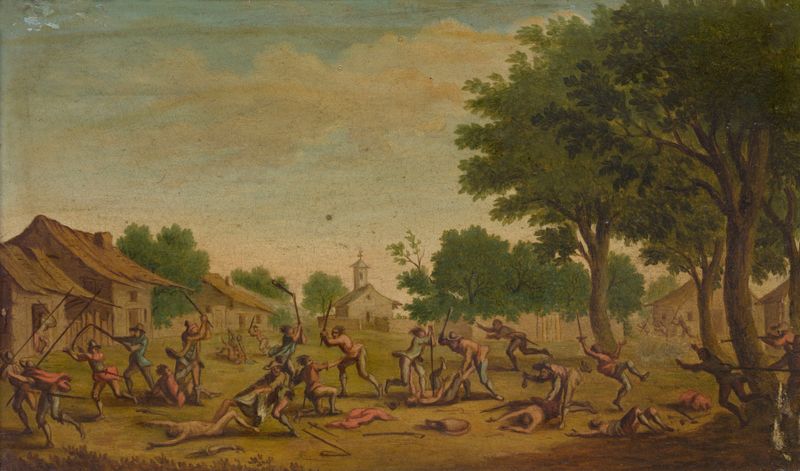
Village Fight
Jacques Callot

Titelprent voor prentreeks 'Het leven van Maria'
Jacques Callot
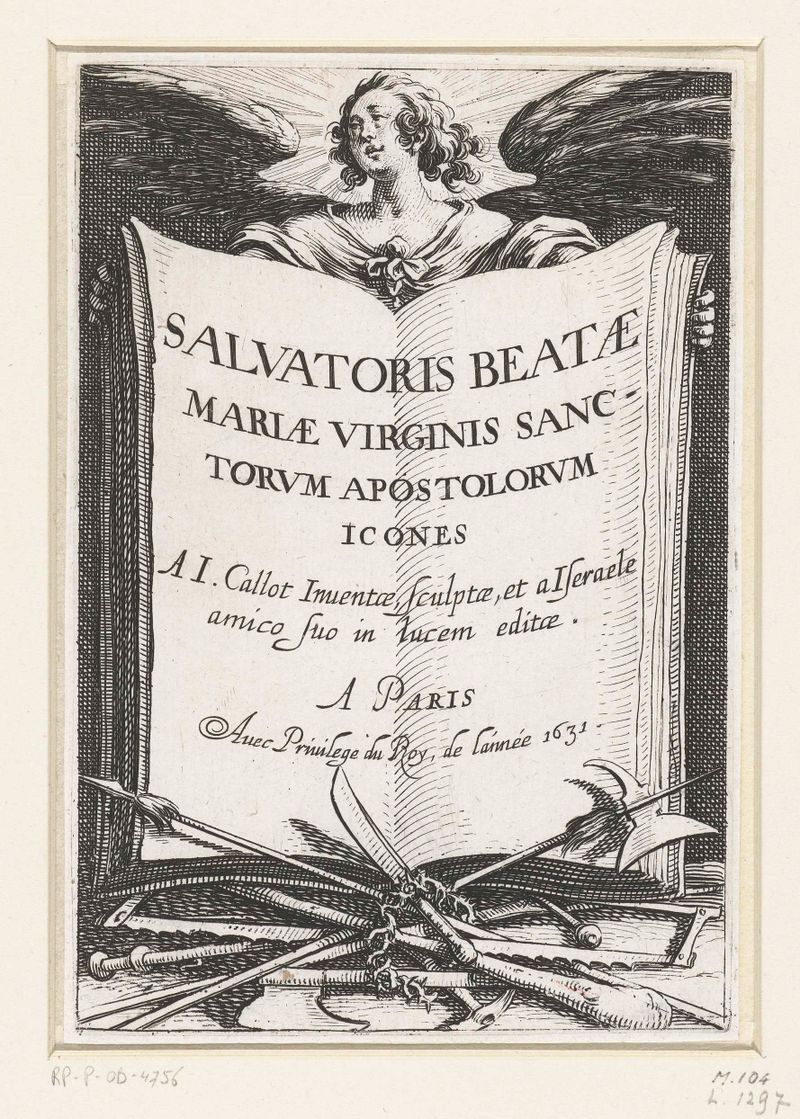
Titelprent voor de prentreeks 'De grote apostelen' (Christus, Maria en de apostelen)
Jacques Callot

Christus aan het volk getoond (Ecce homo)
Jacques Callot
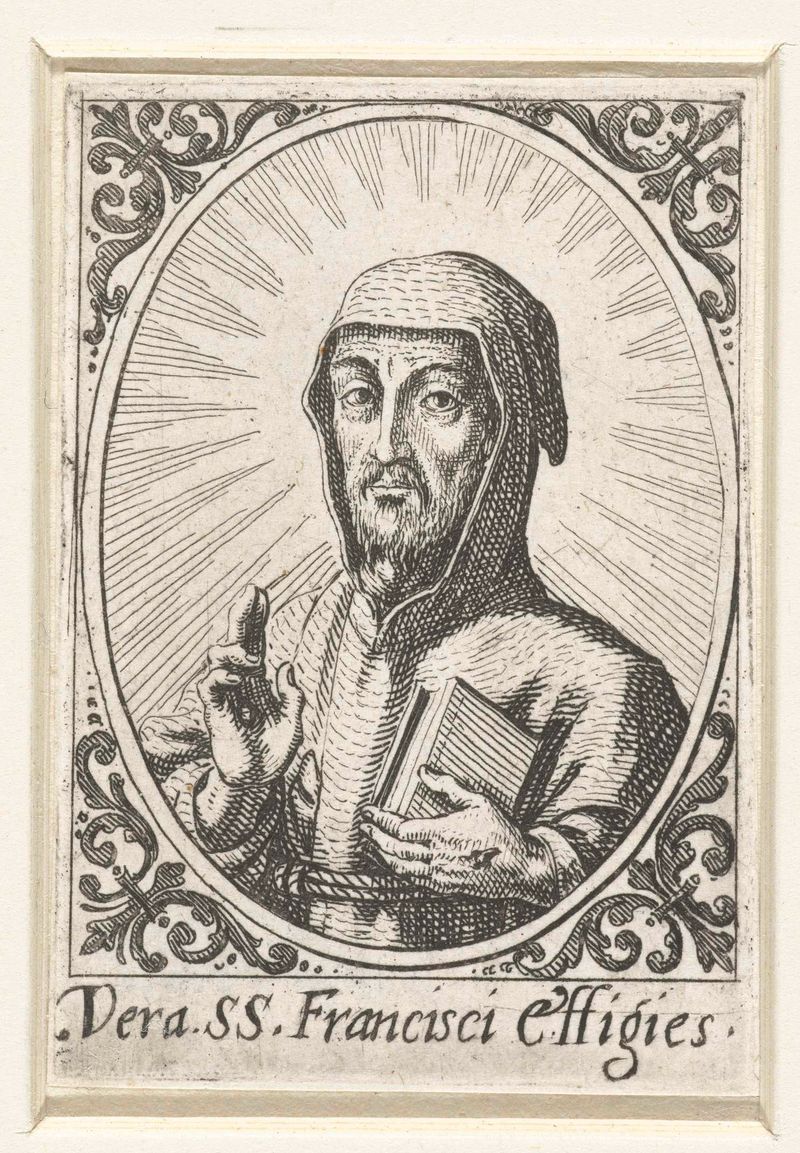
Portret van de Heilige Franciscus
Jacques Callot
More Religious Art
Browse all →
The Return of the Prodigal Son
Rembrandt van Rijn

The Garden of Earthly Delights
El Bosco

Count Orgaz’ funeral
El Greco

The Hundred Guilder Print: the central piece with Christ preaching, the plate arched
Rembrandt van Rijn

The Descent from the Cross
Rogier van der Weyden

The return of the prodigal son
Rembrandt van Rijn