
Het martelaarschap van Mattheüs — History & Facts
What if silence could speak through light? The interplay between shadow and illumination in this piece reveals a profound conversation about fate and sacrifice. Focus on the central figure, Matthew, whose anguished expression captures the weight of destiny. Notice how the artist employs a chiaroscuro technique, contrasting the soft glow enveloping the saint with the harsh darkness of his surroundings. This stark division accentuates the emotional tension, directing the viewer’s gaze to the moment of ultimate choice, where light represents divine truth while shadows evoke despair. Hidden within this scene are poignant contrasts: the serene posture of Matthew juxtaposed with the chaotic gestures of his captors, hinting at the turmoil of martyrdom.
The tension is palpable; every fold of fabric and flicker of flame tells a story of inevitable sacrifice. The background figures loom ominously, their menacing presence challenging the sanctity of the moment and serving as a reminder that destiny is often shaped by external forces. Jacques Callot painted this profound work between 1632 and 1634, during a period marked by the Baroque movement's emphasis on emotional depth and dramatic expression. Living in Lorraine, France, he was influenced by the growing interest in religious themes and the socio-political upheaval surrounding the Thirty Years' War.
This piece not only reflects his mastery of printmaking but also his commitment to convey the visceral experience of faith and martyrdom through art.
More Artworks by Jacques Callot
Browse all →
Titelprent voor de prentreeks 'De kleine apostelen' (Het martelaarschap van de apostelen)
Jacques Callot
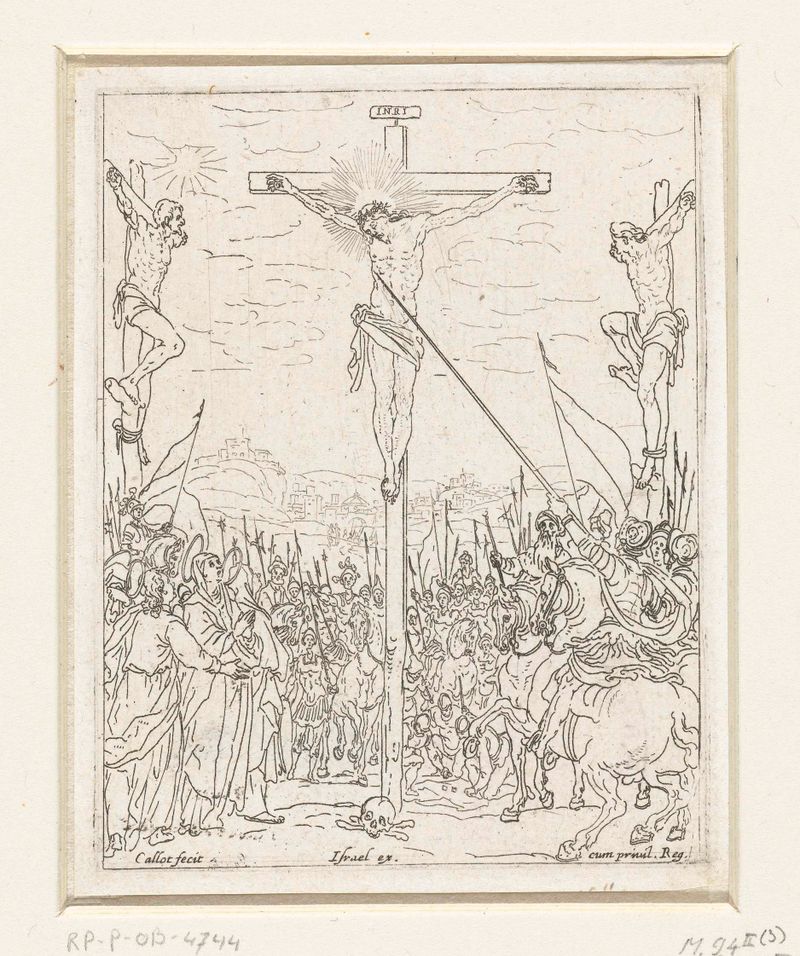
Kruisiging
Jacques Callot

De doortocht door de Rode Zee
Jacques Callot

De verloren zoon als zwijnenhoeder
Jacques Callot

Annunciatie
Jacques Callot
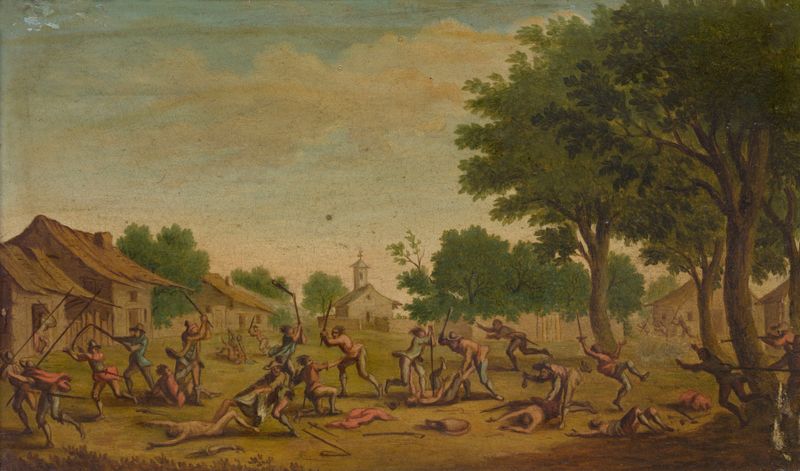
Village Fight
Jacques Callot

Titelprent voor prentreeks 'Het leven van Maria'
Jacques Callot
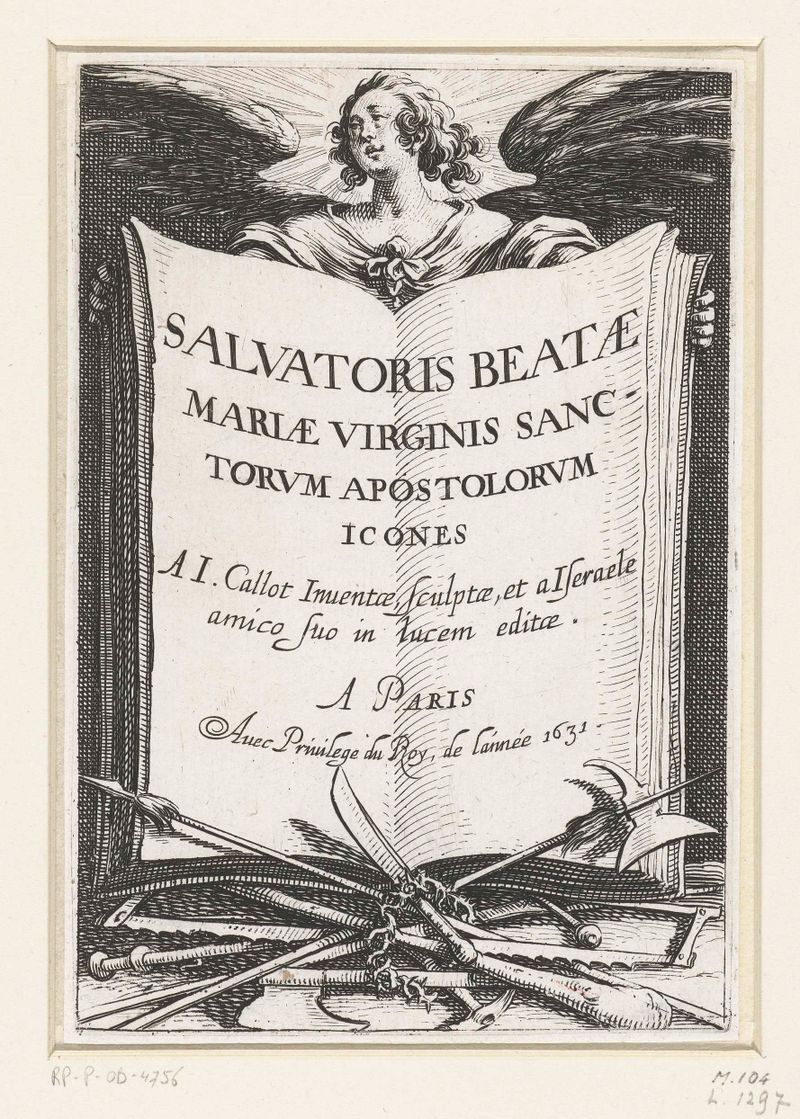
Titelprent voor de prentreeks 'De grote apostelen' (Christus, Maria en de apostelen)
Jacques Callot

Christus aan het volk getoond (Ecce homo)
Jacques Callot
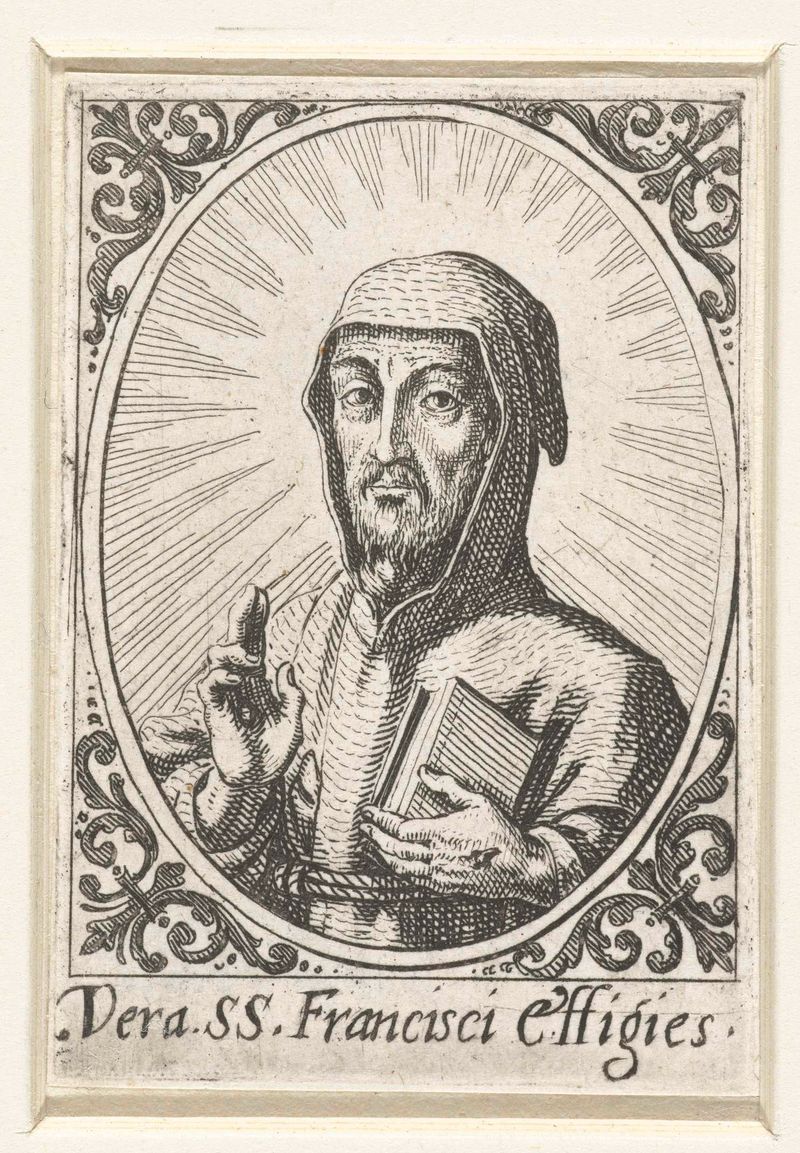
Portret van de Heilige Franciscus
Jacques Callot
More Religious Art
Browse all →
The Return of the Prodigal Son
Rembrandt van Rijn

The Garden of Earthly Delights
El Bosco

Count Orgaz’ funeral
El Greco

The Hundred Guilder Print: the central piece with Christ preaching, the plate arched
Rembrandt van Rijn

The Descent from the Cross
Rogier van der Weyden

The return of the prodigal son
Rembrandt van Rijn