
Het martelaarschap van Matthias — History & Facts
Can beauty exist without sorrow? In the turbulent whirl of conflicting emotions, obsession often intertwines with artistry, casting shadows over the most radiant of visions. Focus first on the central figure of Matthias, who stands resolute amidst chaos, his uplifted gaze piercing through the tumult surrounding him. The artist employs a chiaroscuro technique that heightens the dramatic tension, emphasizing the stark contrasts between light and dark. Notice how the warm, glowing light bathes Matthias, almost sanctifying him, while the darker, foreboding figures loom ominously in the background.
The intricate details of his clothing and expression capture his unwavering resolve, drawing you into the emotional core of the piece. Delve deeper into the composition and you’ll uncover layers of meaning. The swirling forms of the spectators and torturers evoke a sense of relentless obsession; each figure conveys emotion, ranging from pity to cruelty. The tension between religious devotion and violent martyrdom is palpable, symbolizing the complex duality of faith and sacrifice.
The intertwining of Matthias’s serene expression with the impending chaos suggests a profound acceptance of destiny, leaving viewers to grapple with the weight of his fate. During the years 1632 to 1634, the artist created this work while living in the artistic hub of Nancy, France. The period was marked by the Thirty Years’ War, a time of profound strife and upheaval in Europe, which undoubtedly influenced Callot's exploration of conflict and moral complexity. His meticulous approach to engraving and ability to convey deep emotion set him apart in the baroque movement, as he sought to capture both the beauty and horror of human experience.
More Artworks by Jacques Callot
Browse all →
Titelprent voor de prentreeks 'De kleine apostelen' (Het martelaarschap van de apostelen)
Jacques Callot
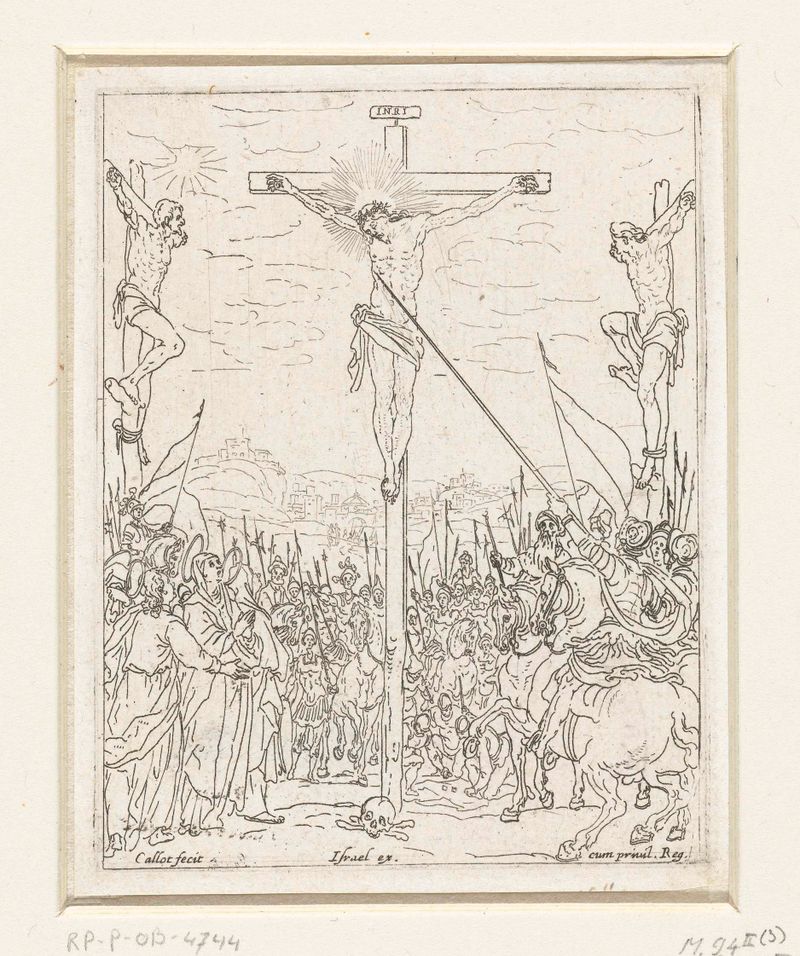
Kruisiging
Jacques Callot

De doortocht door de Rode Zee
Jacques Callot

De verloren zoon als zwijnenhoeder
Jacques Callot

Annunciatie
Jacques Callot
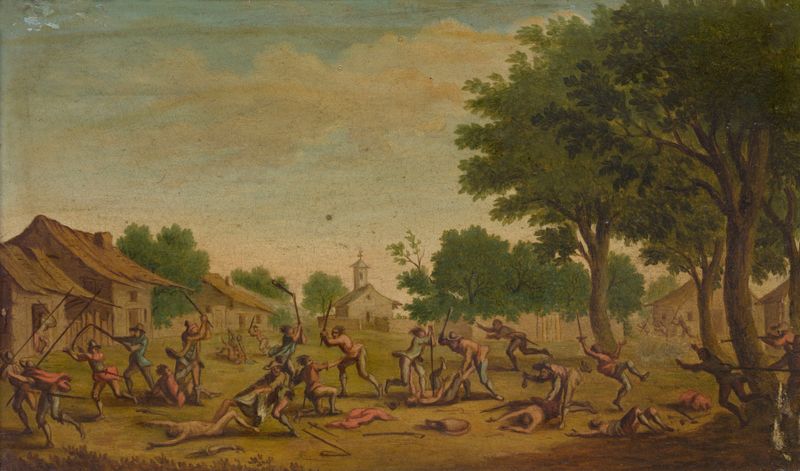
Village Fight
Jacques Callot

Titelprent voor prentreeks 'Het leven van Maria'
Jacques Callot
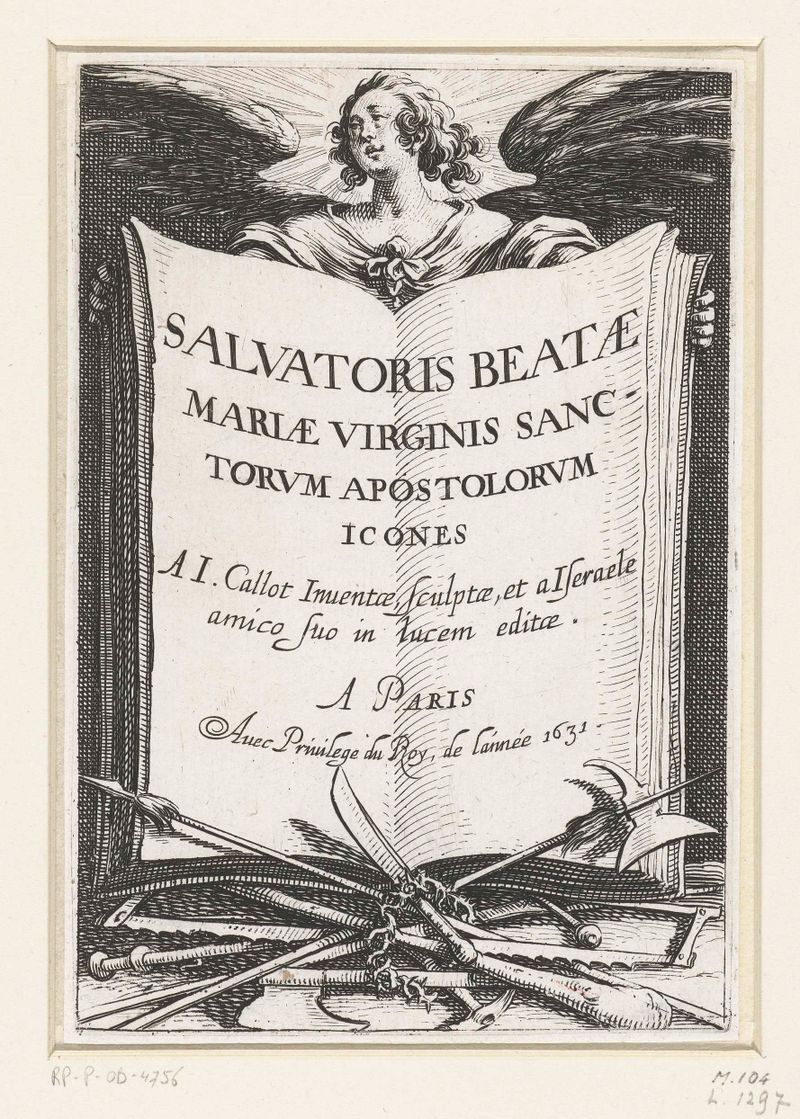
Titelprent voor de prentreeks 'De grote apostelen' (Christus, Maria en de apostelen)
Jacques Callot

Christus aan het volk getoond (Ecce homo)
Jacques Callot
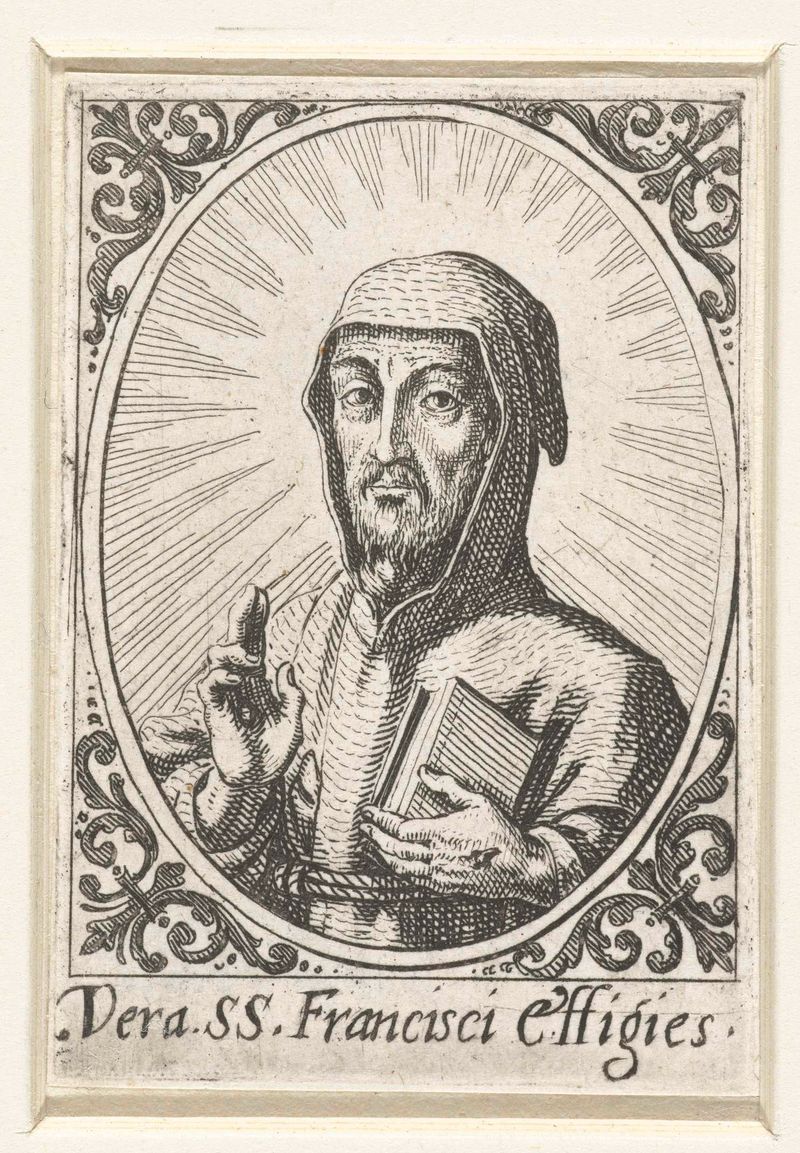
Portret van de Heilige Franciscus
Jacques Callot
More Religious Art
Browse all →
The Return of the Prodigal Son
Rembrandt van Rijn

The Garden of Earthly Delights
El Bosco

Count Orgaz’ funeral
El Greco

The Hundred Guilder Print: the central piece with Christ preaching, the plate arched
Rembrandt van Rijn

The Descent from the Cross
Rogier van der Weyden

The return of the prodigal son
Rembrandt van Rijn