
Het sluisje — History & Facts
In the stillness of a moment captured on canvas, memories seep through the layers of pigment, inviting us to reflect on what remains when time itself has passed. Look to the foreground, where the delicate interplay of light and shadow breathes life into a tranquil scene. The gentle curve of the sluice gate draws the eye, anchored by the soft ripples in the water that reflect hues of azure and gold. Each brushstroke resonates with Ruyscher's meticulous attention to detail, revealing not just a landscape but a symphony of color and form that evokes a sense of calm and nostalgia. Beyond the serene beauty lies a deeper narrative; the flowing water represents the passage of time, while the surrounding flora hints at nature's resilience.
Each element speaks to our connection with memory, as the scene captures both the transient and the enduring. The juxtaposition of the still water and the lively foliage reflects the duality of existence, where moments can be both fleeting and everlasting. During the years between 1635 and 1690, Ruyscher painted this piece amid a flourishing Dutch Golden Age, a time when artists explored the subtleties of light and atmosphere. Residing in the Netherlands, he contributed to a rich tradition of landscape painting that emphasized realism and emotional depth.
His works often reflect personal experiences, and Het sluisje can be seen as a poignant reminder of the beauty found in quiet moments of reflection, a testament to the artist's vision in a rapidly changing world.
More Artworks by Jan Ruyscher
Browse all →
Rivierlandschap met rots en twee burchten
Jan Ruyscher
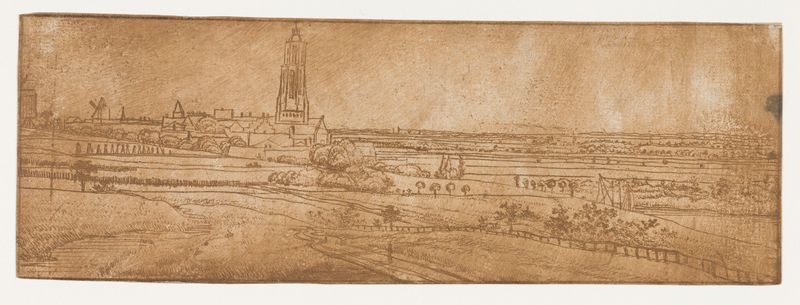
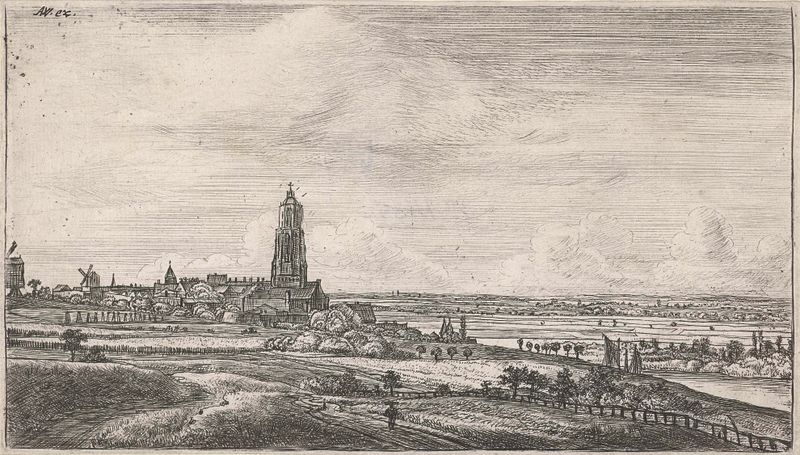
Gezicht op Rhenen
Jan Ruyscher
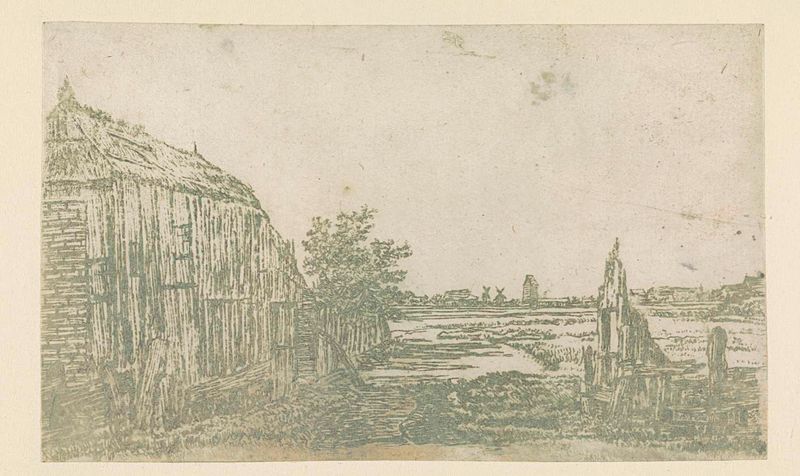
Het sluisje
Jan Ruyscher

Landschap met een dorp bij een rivier
Jan Ruyscher
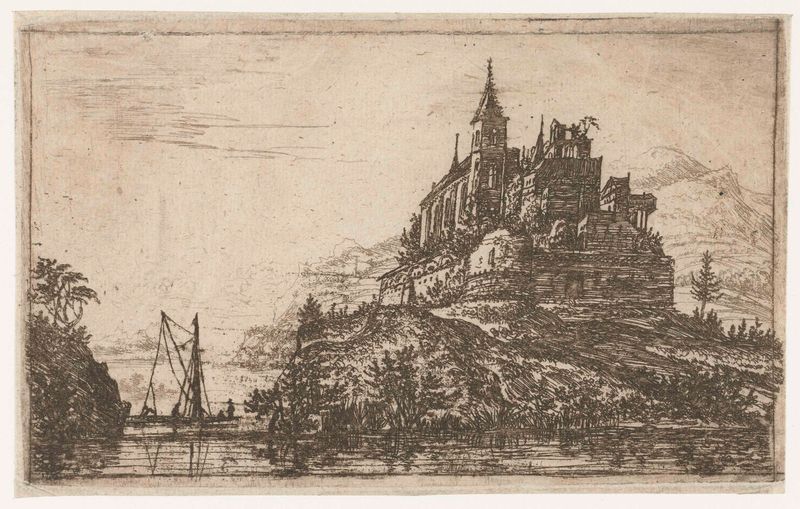
Landschap met een rivier en een kasteel op een heuvel
Jan Ruyscher
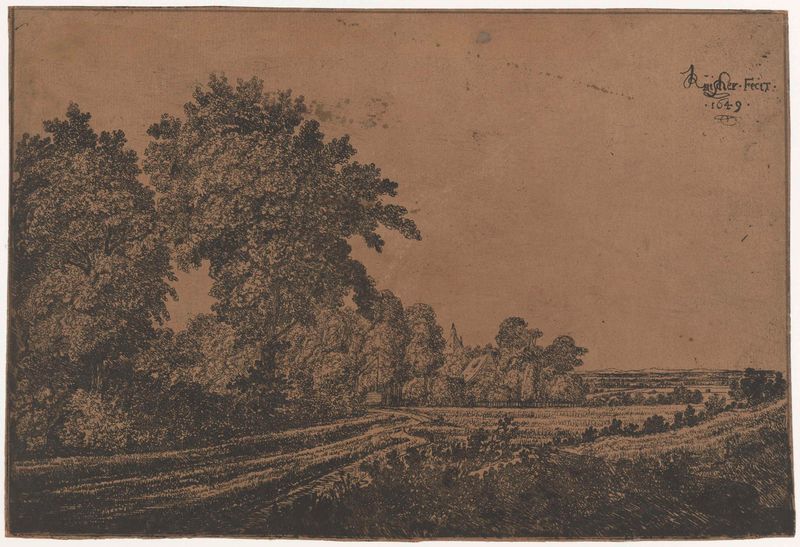
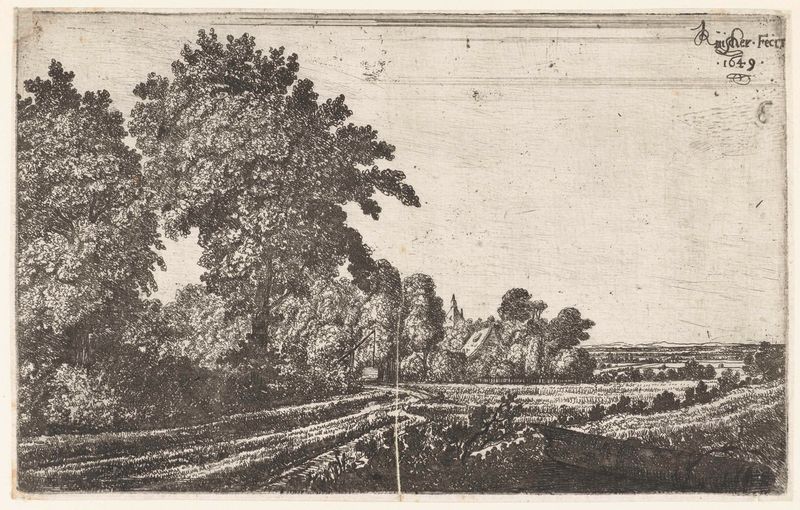
Landweg met bomen
Jan Ruyscher
Gezicht op Rhenen
Jan Ruyscher
Landweg met bomen
Jan Ruyscher
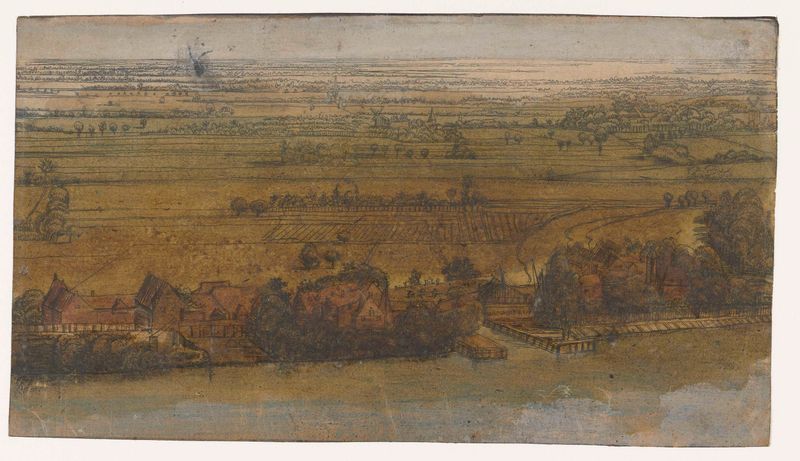
Dorp aan een rivier
Jan Ruyscher





