
Gezicht op Rhenen — History & Facts
When did color learn to lie? In a world where hues are bound not just to light, but to the very essence of destiny itself, the interplay of shades here tells a story waiting to be unraveled. Focus on the tranquil river that flows gently across the canvas, reflecting a serene atmosphere. Look to the left, where the lush greenery of the banks contrasts sharply with the soft blues of the sky. The palette is meticulously balanced, drawing the viewer's gaze towards the distant town of Rhenen, cloaked in a tender mist that seems to whisper secrets of the past.
Each brushstroke evokes a sense of peace, yet hints at the tumultuous history that lies beneath the surface. The painting embodies a delicate tension between nature and humanity, where the idyllic scenery serves as a backdrop for the human narrative. Notice the subtle interplay of light as it dances upon the water, suggesting the passage of time and the inevitability of change. In this landscape, destiny lurks, not as a chaotic force, but as a gentle reminder of the cycles that govern existence—birth, growth, and decay entwined in eternal harmony. Jan Ruyscher created this serene portrayal of Rhenen during a period marked by the rising influence of the Dutch Golden Age.
Between 1635 and 1674, he navigated a rapidly changing world, where art flourished amidst social and economic transformations. His works reflect both a deep appreciation for the beauty of the Dutch landscape and an exploration of the harmony that can exist between humanity and nature during a time of great upheaval.
More Artworks by Jan Ruyscher
Browse all →
Rivierlandschap met rots en twee burchten
Jan Ruyscher
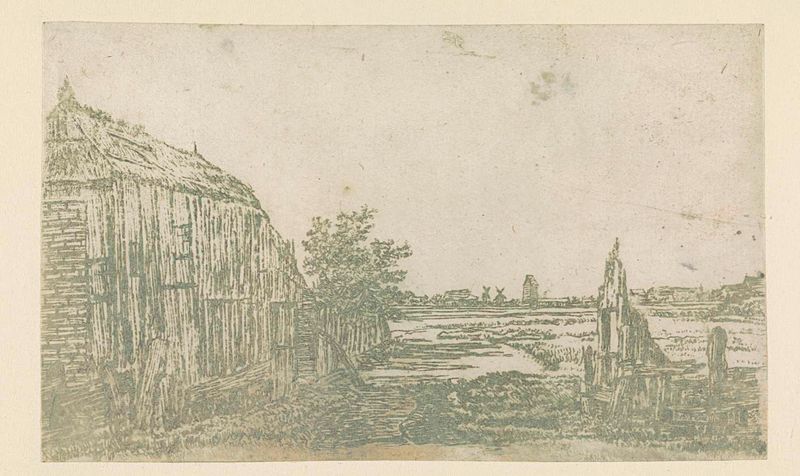
Het sluisje
Jan Ruyscher

Landschap met een dorp bij een rivier
Jan Ruyscher
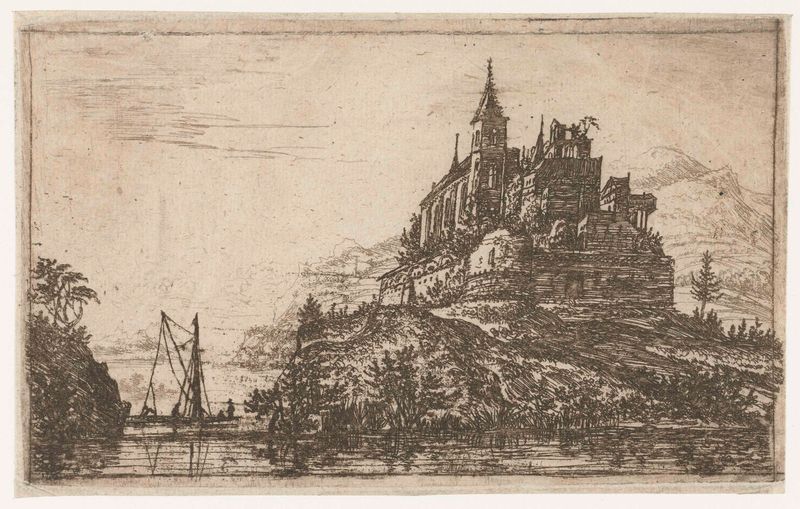
Landschap met een rivier en een kasteel op een heuvel
Jan Ruyscher
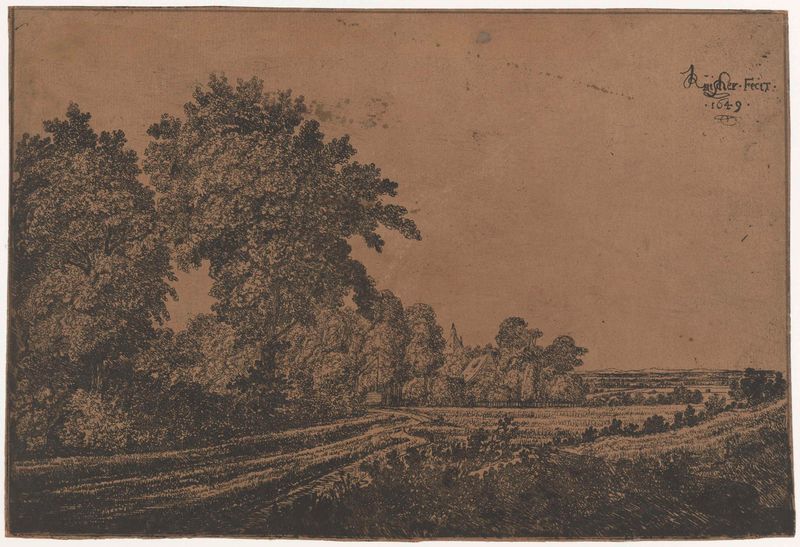
Landweg met bomen
Jan Ruyscher
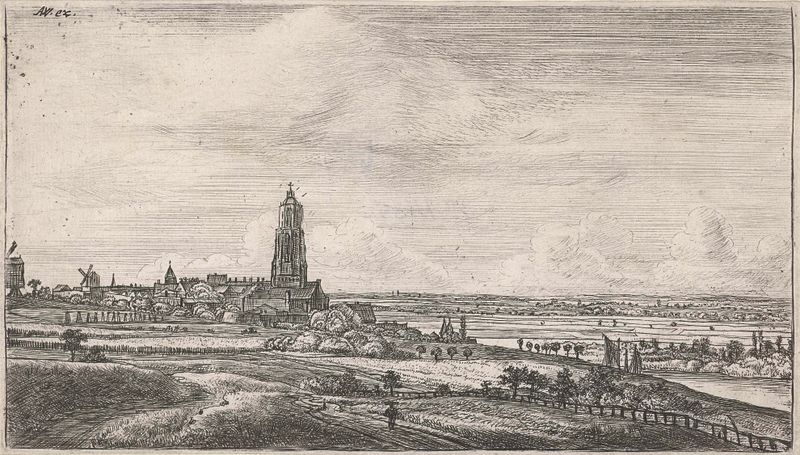
Gezicht op Rhenen
Jan Ruyscher
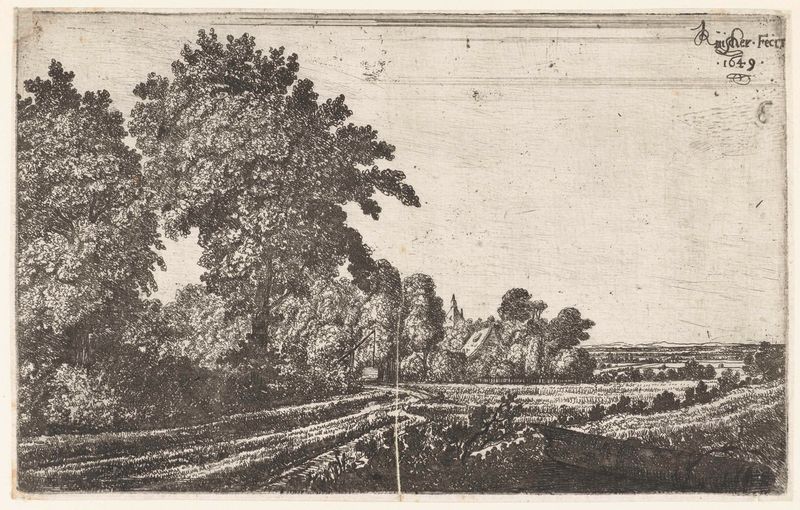
Landweg met bomen
Jan Ruyscher
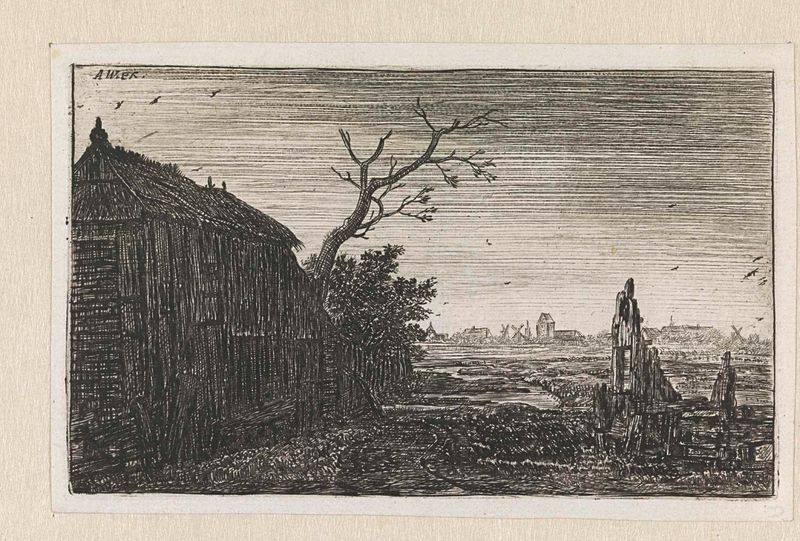
Het sluisje
Jan Ruyscher
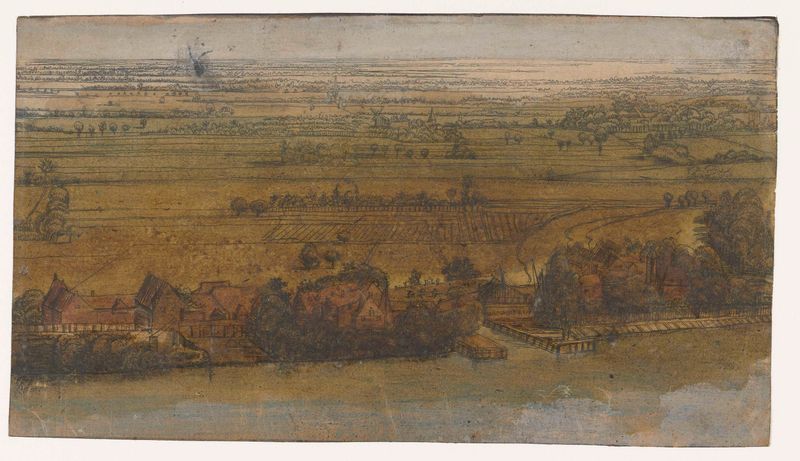
Dorp aan een rivier
Jan Ruyscher





