
Landweg met bomen — History & Facts
In the vivid strokes of a master, color serves as both memory and lament, capturing the fleeting essence of life. Look to the lush green trees that dominate the left side of the canvas, their leaves a vibrant juxtaposition against the gentle earth tones of the pathway. The sun filters through the foliage, dappling the ground in a play of light and shadow that invites the viewer to walk into the scene. The muted sky, brushed with soft blues and grays, hangs overhead, framing the tranquility of the rural landscape.
Every stroke reveals Ruyscher's deft hand, employing a palette that resonates with both serenity and depth, beckoning one closer to the subtleties of his world. Notice the figures that traverse the winding path, their movements languid and introspective, embodying a sense of nostalgia. The interplay of light not only highlights the physical beauty of the trees but also symbolizes the passage of time, hinting at the inevitable change and transient moments we encounter. The contrast between the vivid greens of nature and the subdued colors of the pathway reflects the tension between vitality and reality, inviting the viewer to ponder their own journey through time. In 1649, Ruyscher created this piece amidst the flourishing Dutch Golden Age, a time when landscape painting began to blossom in popularity.
Positioned in Amsterdam, the artist was deeply influenced by his contemporaries, who were exploring new techniques and themes. This work, with its rich colors and serene composition, showcases Ruyscher's unique voice in an era marked by both innovation and reflection.
More Artworks by Jan Ruyscher
Browse all →
Rivierlandschap met rots en twee burchten
Jan Ruyscher
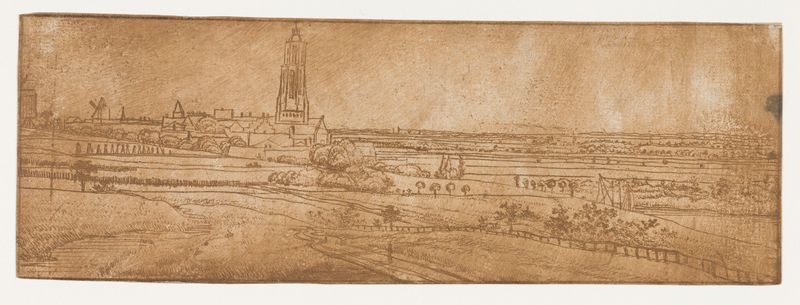
Gezicht op Rhenen
Jan Ruyscher
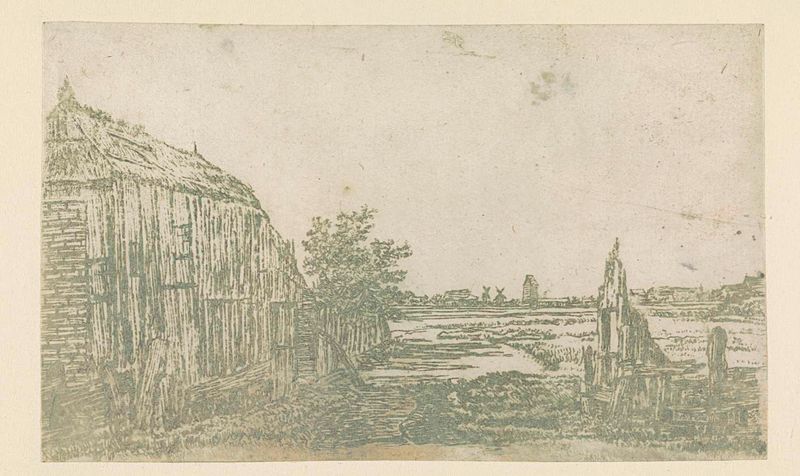
Het sluisje
Jan Ruyscher

Landschap met een dorp bij een rivier
Jan Ruyscher
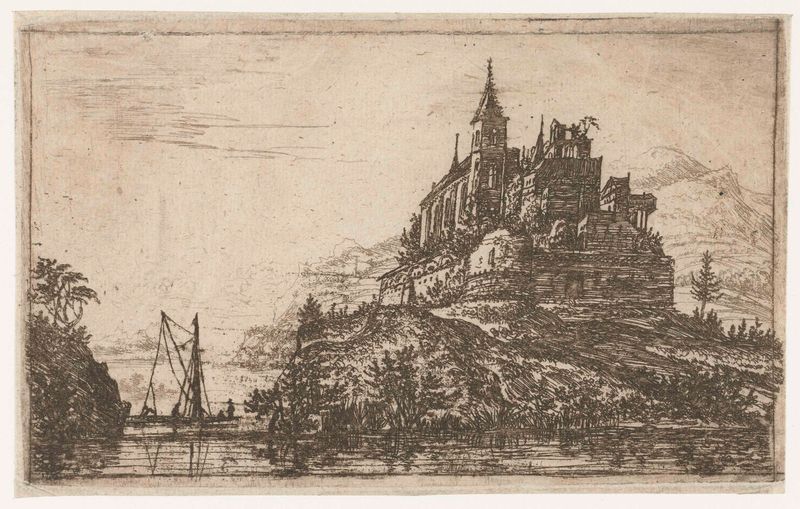
Landschap met een rivier en een kasteel op een heuvel
Jan Ruyscher
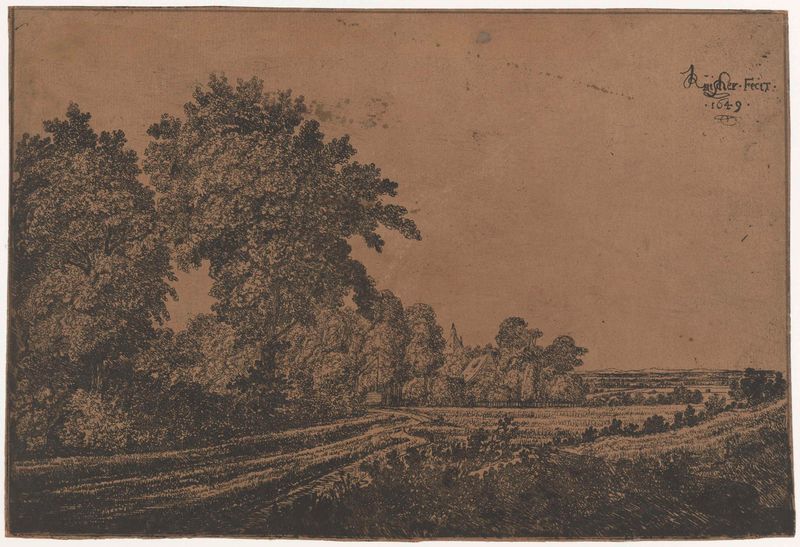
Landweg met bomen
Jan Ruyscher
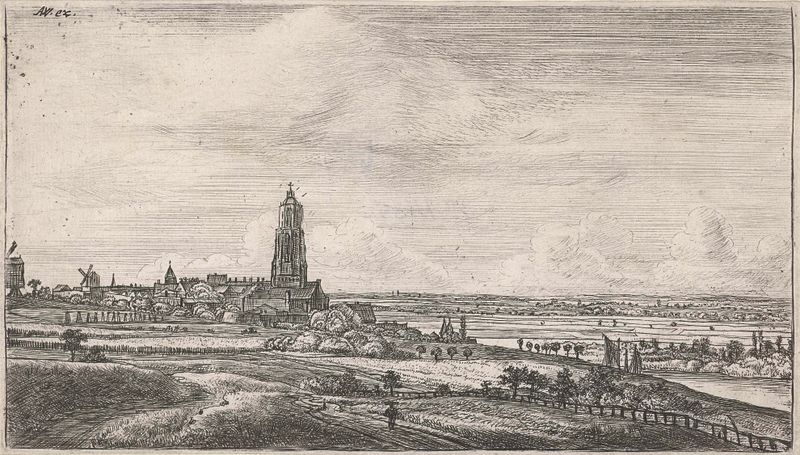
Gezicht op Rhenen
Jan Ruyscher
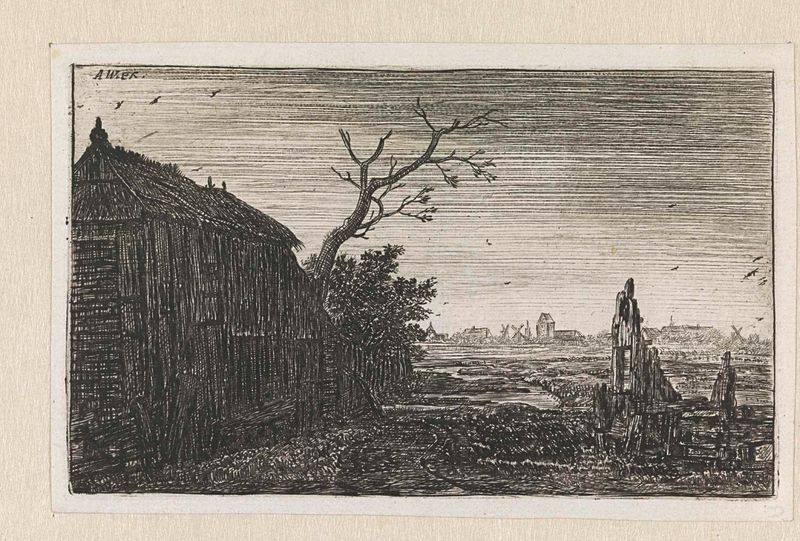
Het sluisje
Jan Ruyscher
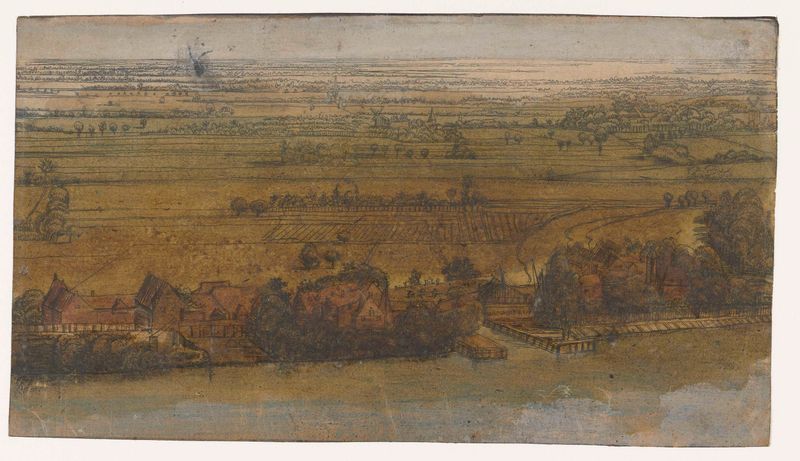
Dorp aan een rivier
Jan Ruyscher





