
Landweg met bomen — History & Facts
In the stillness of life, beauty often waits to be discovered, inviting us to pause and reflect. Focus first on the winding path that elegantly cuts through the canvas. The trees, towering guardians of the landscape, frame the pathway, their leaves shimmering in a gentle dance with the breeze. Notice how the light filters through the branches, casting a delicate glow on the earth below.
The soft blend of greens and browns creates a harmonious palette, imbuing the scene with an air of tranquility and inviting the viewer to step into this serene journey. Yet, beneath this calm exterior lies a profound tension between nature’s beauty and the passage of time. The path represents a journey, one that is both physical and metaphysical, suggesting choices and uncertainties inherent in life. The trees, while beautiful, stand as reminders of endurance and the inevitable cycles of life and decay.
In this way, Ruyscher captures not just a moment, but an entire narrative of existence, where beauty is intertwined with the bittersweet nature of transience. In 1649, the artist painted this landscape during a time of artistic growth in the Dutch Golden Age, characterized by a burgeoning appreciation for naturalism. He was influenced by his contemporaries and the shifting tides of society, which valued the beauty of everyday life. As Ruyscher expressed his vision on canvas, he contributed to a legacy that celebrated the simplicity and profundity of landscapes, inviting viewers to find solace in the natural world.
More Artworks by Jan Ruyscher
Browse all →
Rivierlandschap met rots en twee burchten
Jan Ruyscher
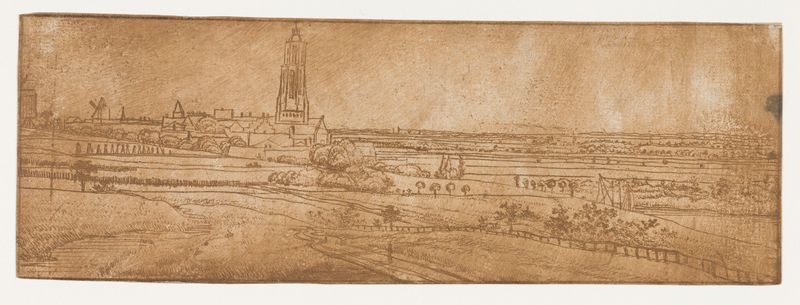
Gezicht op Rhenen
Jan Ruyscher
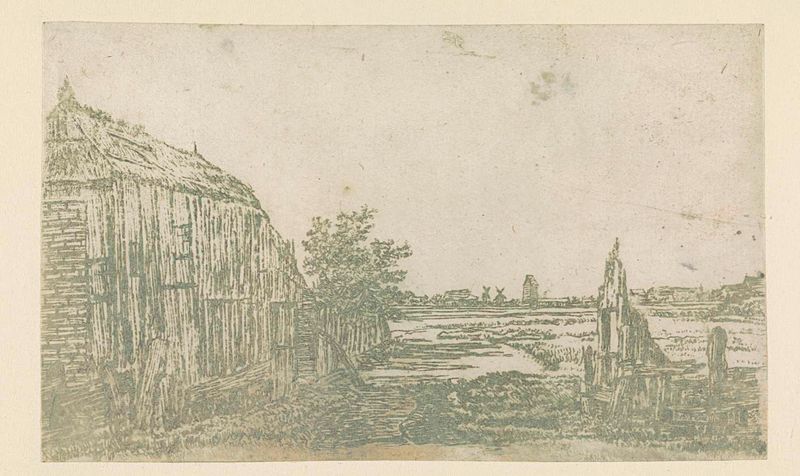
Het sluisje
Jan Ruyscher

Landschap met een dorp bij een rivier
Jan Ruyscher
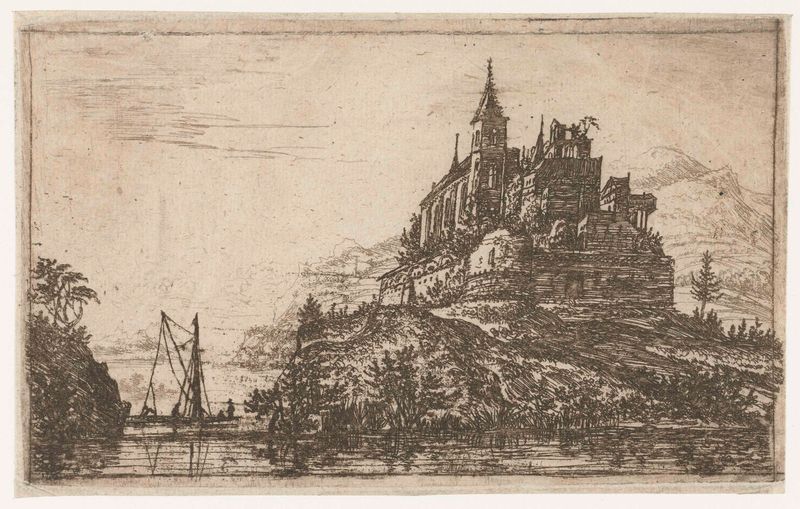
Landschap met een rivier en een kasteel op een heuvel
Jan Ruyscher
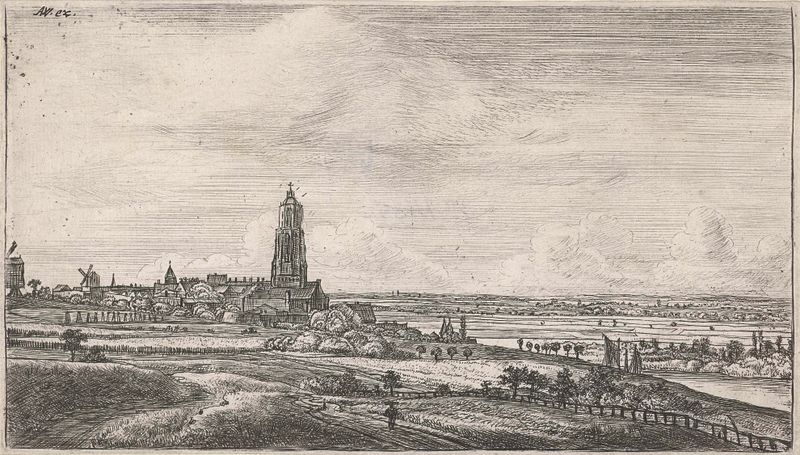
Gezicht op Rhenen
Jan Ruyscher
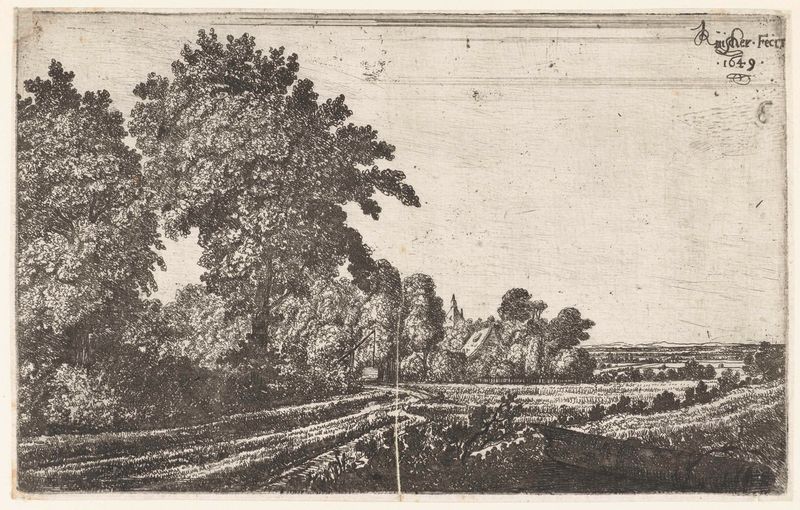
Landweg met bomen
Jan Ruyscher
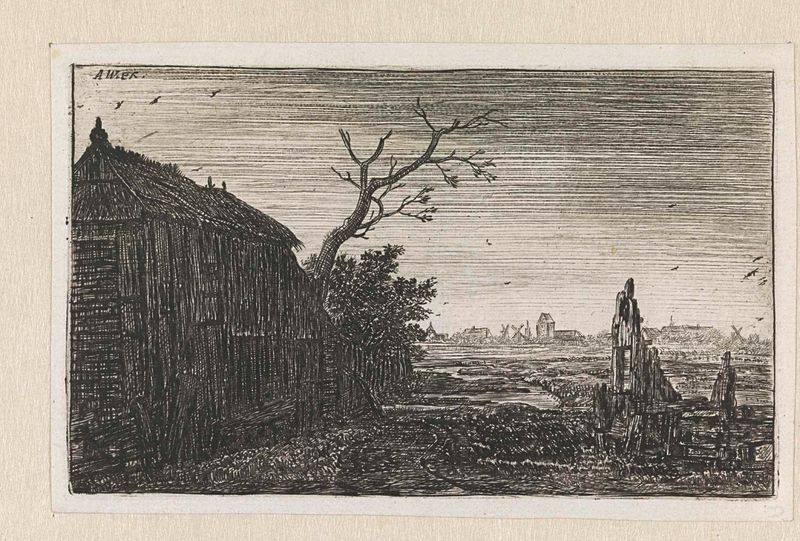
Het sluisje
Jan Ruyscher
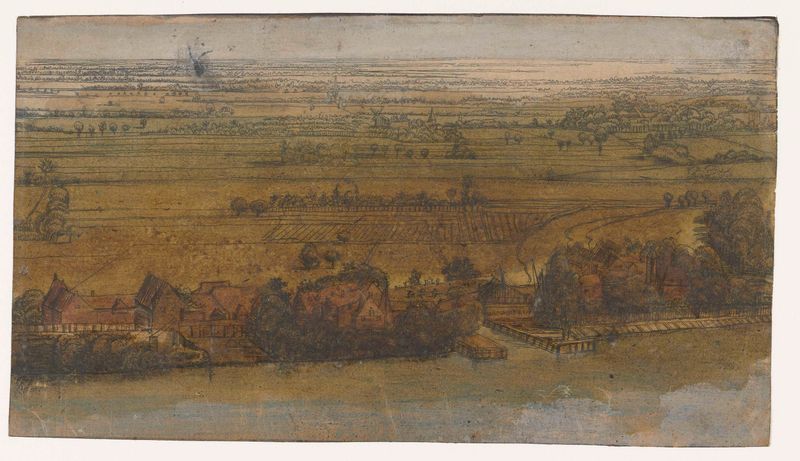
Dorp aan een rivier
Jan Ruyscher





