
Landschap met een dorp bij een rivier — History & Facts
How often do we gaze into a reflection, only to discover a deeper truth hidden beneath the surface? Look closely at the serene river in the foreground, where its gentle ripples cradle the mirrored image of the village beyond. The tranquil waters draw your eye first, leading you to the modest houses nestled under a sweeping sky brushed with soft blues and warm hues, evoking a sense of calm. Notice how the artist employs delicate strokes to convey the lush vegetation framing the scene, while the light cascades through the trees, creating a dance of shadow and brightness that invites contemplation. In this landscape, the juxtaposition of nature and civilization resonates powerfully.
The placid river symbolizes the passage of time, reflecting not just the external world but also the internal landscapes of those who dwell in the village. The choice of muted colors hints at both the simplicity and the complexity of rural life, suggesting a harmony that belies underlying struggles. Each detail, from the softly billowing clouds to the tiny figures engaging in daily tasks, presents a narrative of connection between humanity and the environment, evoking an emotional tension that feels timeless. Jan Ruyscher created this work during a period of flourishing artistic endeavor in the Dutch Golden Age, likely between 1635 and 1674.
This era witnessed significant advancements in landscape painting, as artists sought to capture the beauty of their surroundings. Ruyscher, working during this vibrant time, contributed to the genre by emphasizing the relationship between nature and man, reflecting both the tranquillity and complexity of life in the Netherlands.
More Artworks by Jan Ruyscher
Browse all →
Rivierlandschap met rots en twee burchten
Jan Ruyscher
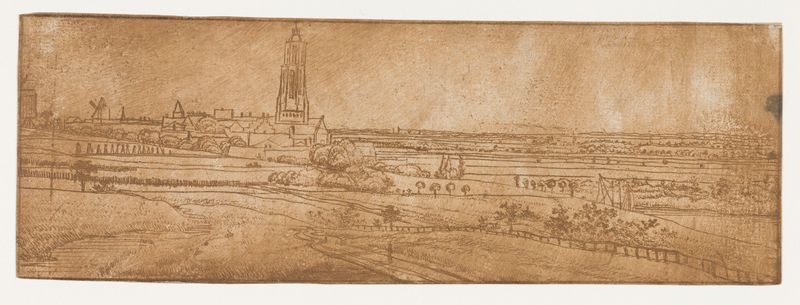
Gezicht op Rhenen
Jan Ruyscher
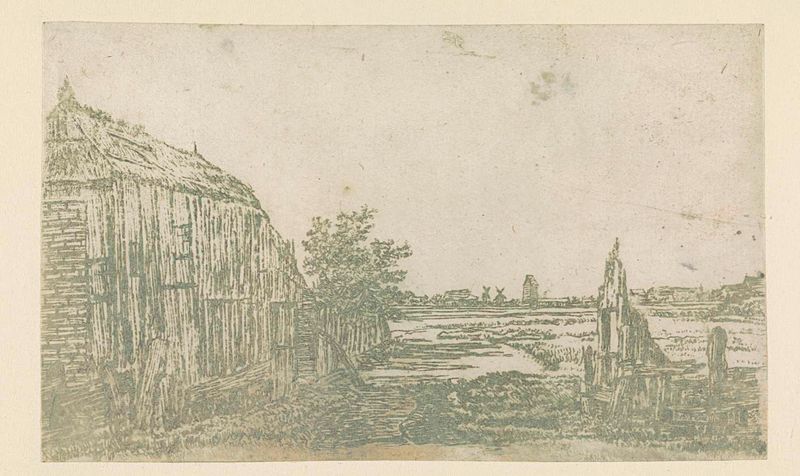
Het sluisje
Jan Ruyscher
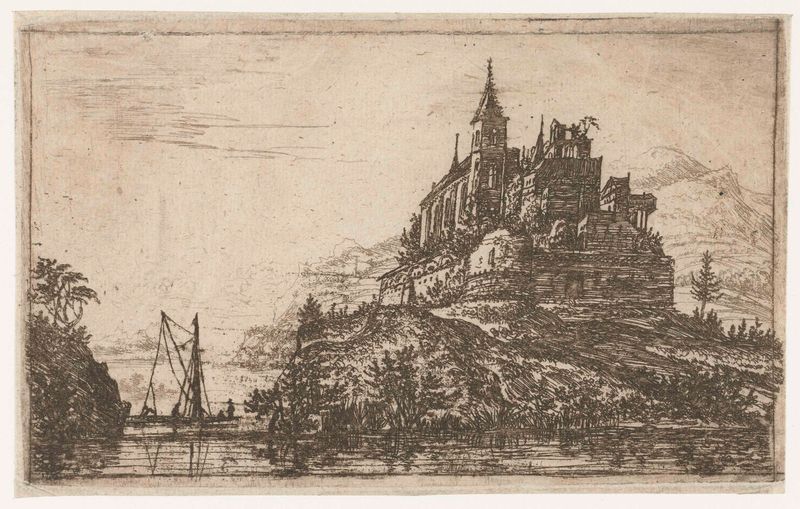
Landschap met een rivier en een kasteel op een heuvel
Jan Ruyscher
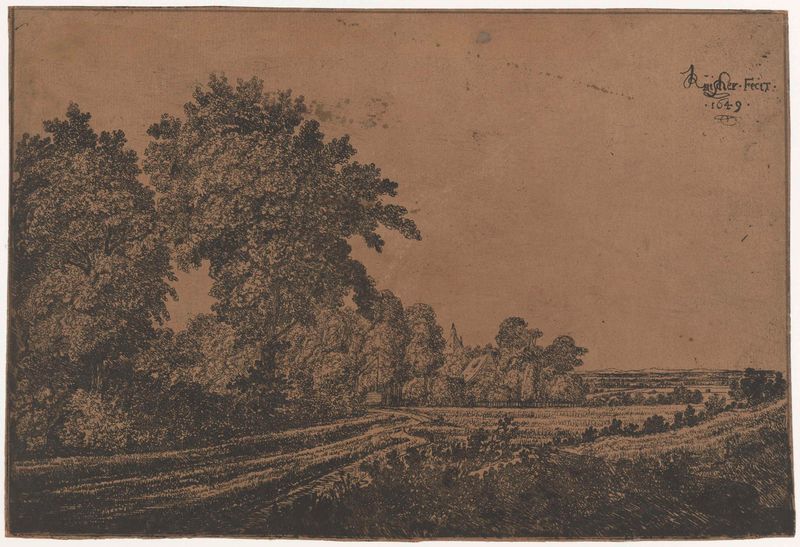
Landweg met bomen
Jan Ruyscher
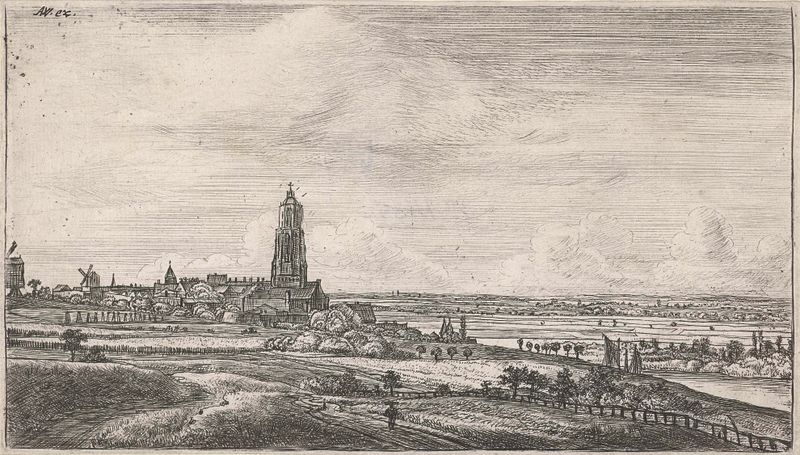
Gezicht op Rhenen
Jan Ruyscher
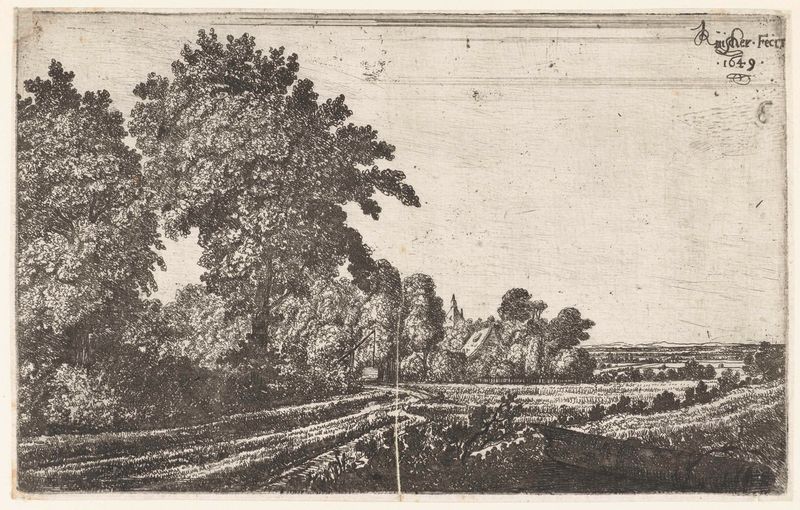
Landweg met bomen
Jan Ruyscher
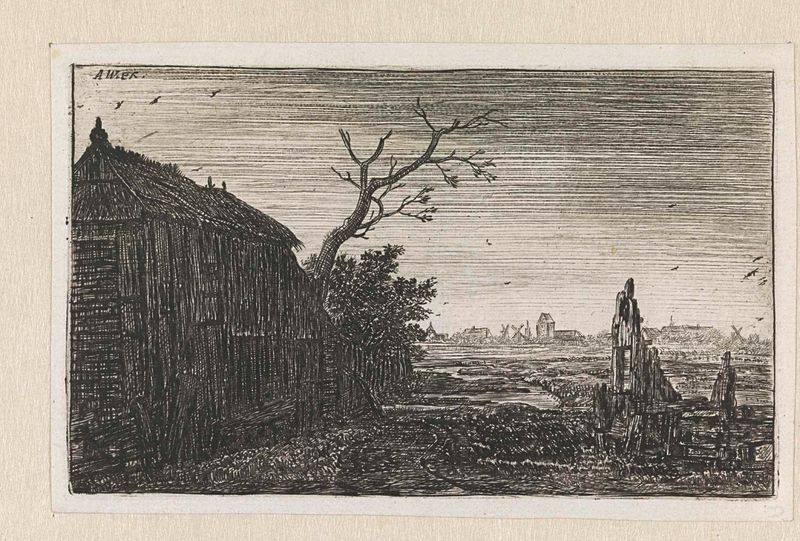
Het sluisje
Jan Ruyscher
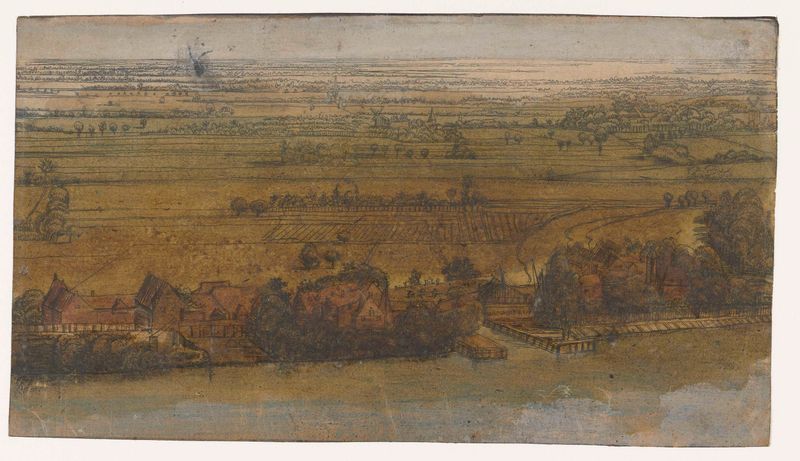
Dorp aan een rivier
Jan Ruyscher





