Landschap met een rivier en een kasteel op een heuvel — History & Facts
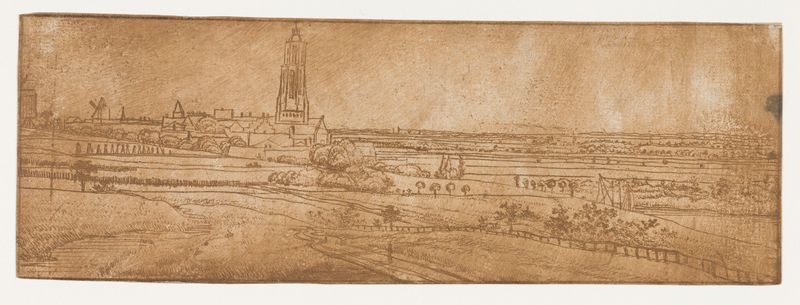
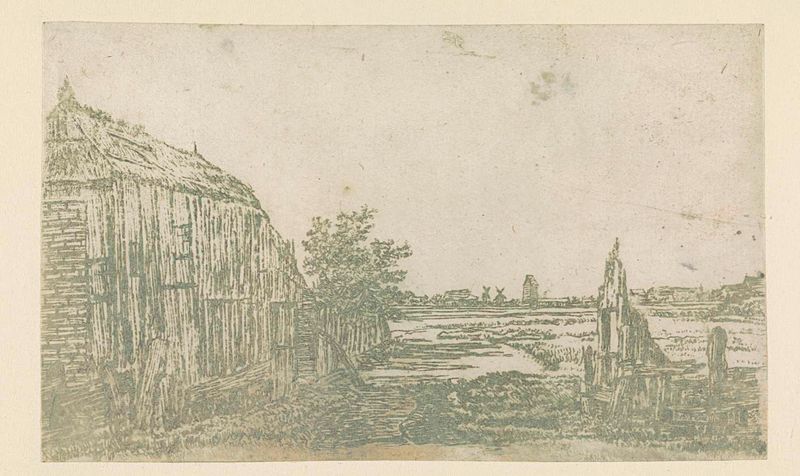
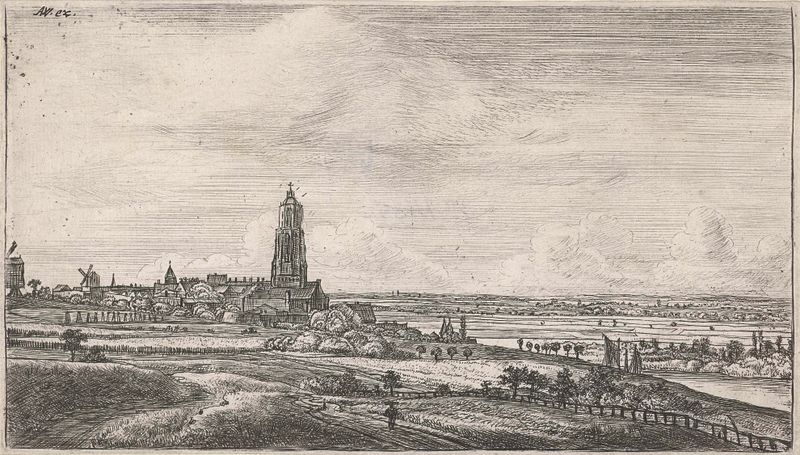
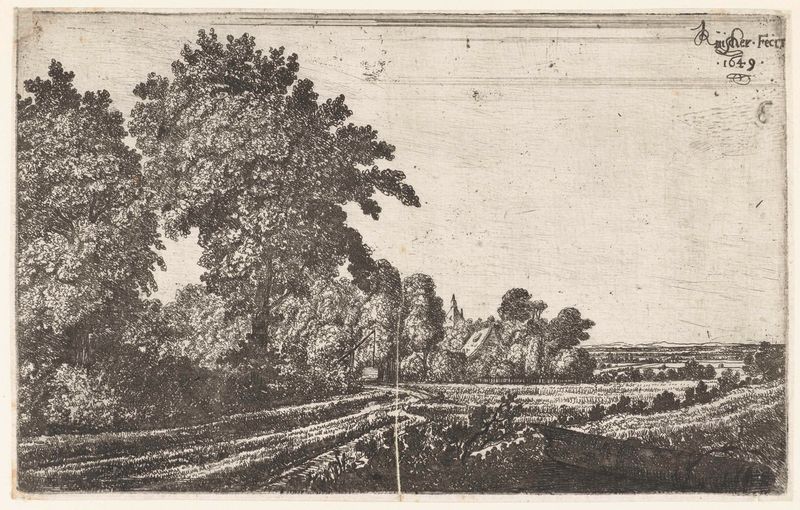
Could a single brushstroke hold eternity? In Landschap met een rivier en een kasteel op een heuvel, the fleeting moment of nature meets the enduring presence of human creation, inviting contemplation of truth itself. Focus first on the tranquil river, a meandering line that invites the viewer's gaze across the canvas. Notice how the light sparkles on its surface, reflecting a crisp, clear sky above. To the right, the castle stands proud against the gentle rise of the hill, rendered in warm, earthy tones that contrast with the cool blues of the water.
The delicate interplay of color and shadow not only shapes the landscape but also breathes life into this harmonious scene, suggesting a world balanced between nature and humanity. Yet, beneath this serene exterior lies an emotional tension. The river, while serene, flows on relentlessly, symbolizing the passage of time and the inevitability of change. The castle, sturdy and grand, evokes thoughts of ambition and human endeavor, yet stands vulnerable to the natural forces that surround it.
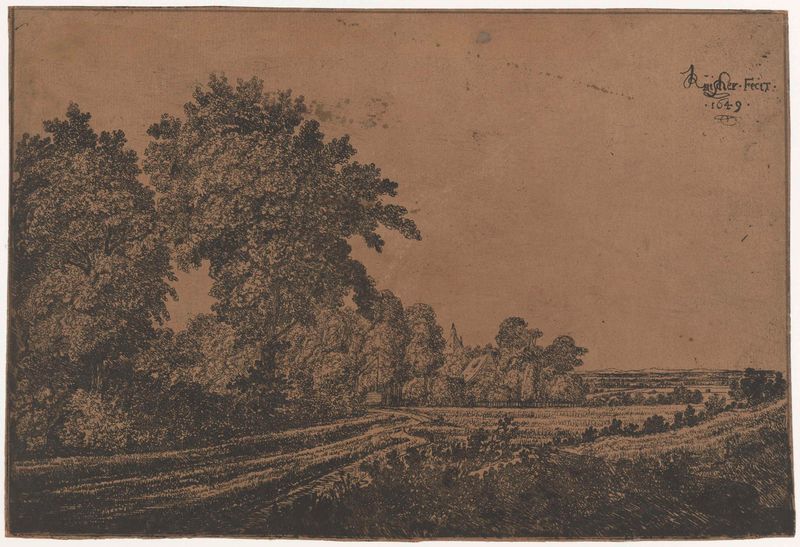
This duality—a fragile peace amidst the permanence of manmade structures—captures the viewer, encouraging a deeper reflection on existence and the truths we construct. Created during the mid-17th century in the Netherlands, this work exemplifies the artist's commitment to landscape painting during a time when the genre was gaining prominence. Ruyscher painted in a period marked by the flourishing of Dutch art, characterized by meticulous attention to detail and rich, atmospheric qualities. His works often mirrored the harmony sought by society, revealing a moment when the beauty of the natural world was meticulously celebrated through the lens of human experience.