
Dorp aan een rivier — History & Facts
What if silence could speak through light? In Dorp aan een rivier, the weight of unspoken grief rests heavily upon the idyllic landscape, whispering tales of loss and longing through the gentle interplay of nature and architecture. Look to the horizon where the soft hues of dawn stretch across the sky, casting a tranquil glow upon the quaint village nestled by the riverbank. The intricate details of the buildings draw the eye, their stillness contrasting with the fluidity of the water below. Notice how the light dances on the surface, illuminating the vibrant greens and browns of the surrounding landscape, while shadows cling to the edges, hinting at the unacknowledged sorrow lying beneath the surface. Delve deeper into the composition, where the quietude of the scene belies the emotional tension that simmers within.
The villagers, although seemingly engaged in mundane activities, navigate a world touched by absence, with their postures and gestures reflecting a profound, invisible grief. The choice of muted colors evokes nostalgia, reminding us that beauty can coexist with sorrow, and that the river, a symbol of continuity, carries both memories and losses downstream. Jan Ruyscher painted this work between 1635 and 1674, during a period when he was exploring themes of landscape and human interaction. Living in the Netherlands, he was influenced by the burgeoning Dutch Golden Age, which saw a profound appreciation for the natural world and its ability to convey deeper emotional truths.
At this time, Ruyscher was establishing his reputation, navigating the artistic currents of his contemporaries while carving out a distinctive voice that expressed the complexities of existence through serene vistas.
More Artworks by Jan Ruyscher
Browse all →
Rivierlandschap met rots en twee burchten
Jan Ruyscher
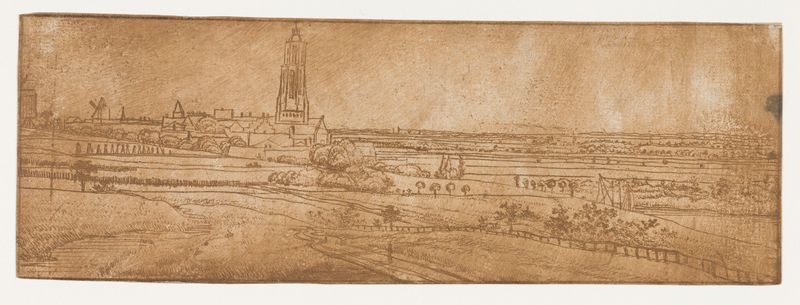
Gezicht op Rhenen
Jan Ruyscher
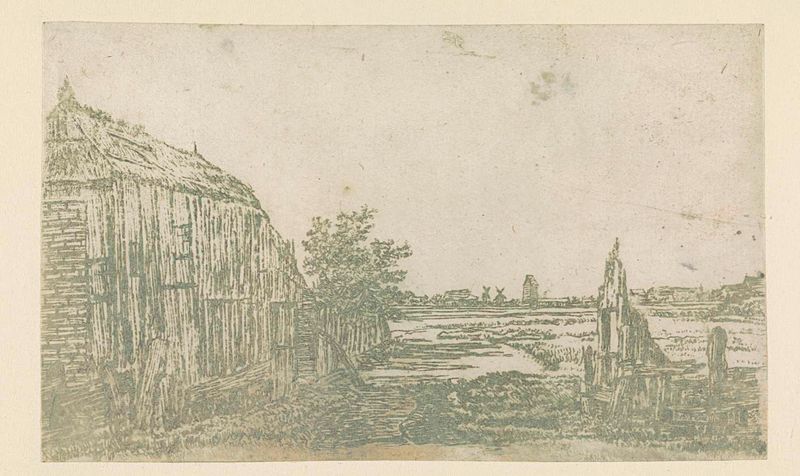
Het sluisje
Jan Ruyscher

Landschap met een dorp bij een rivier
Jan Ruyscher
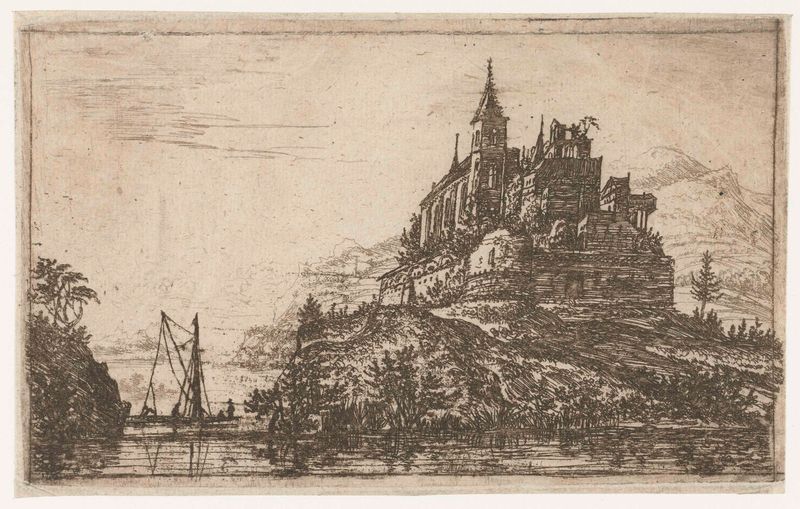
Landschap met een rivier en een kasteel op een heuvel
Jan Ruyscher
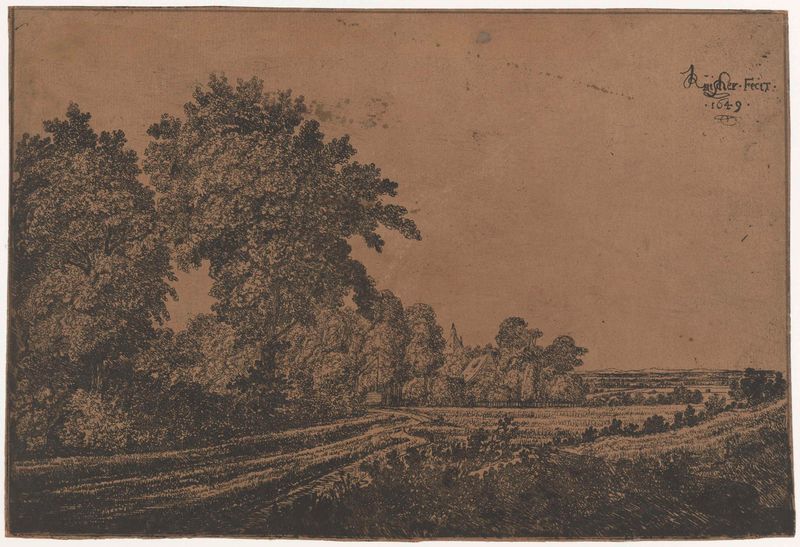
Landweg met bomen
Jan Ruyscher
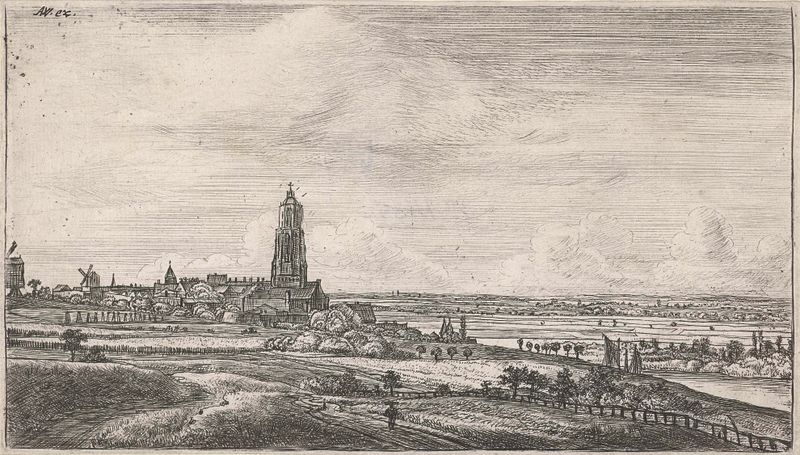
Gezicht op Rhenen
Jan Ruyscher
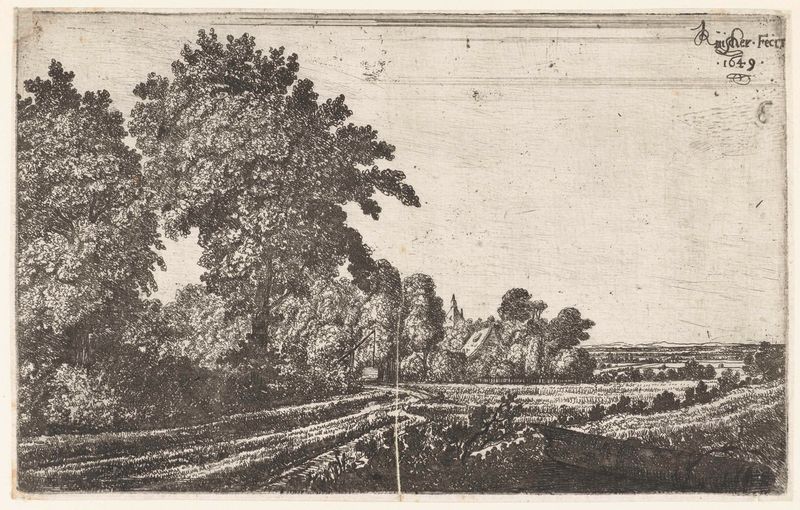
Landweg met bomen
Jan Ruyscher
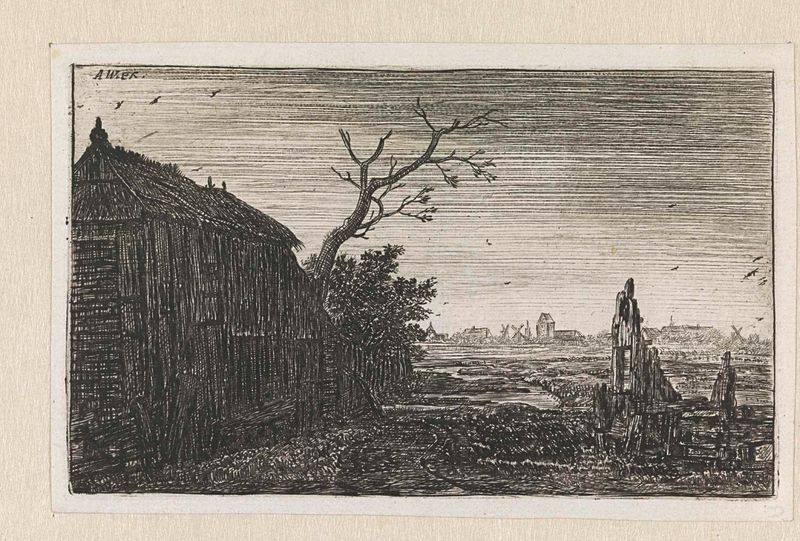
Het sluisje
Jan Ruyscher





