Het wapen van de Dood — History & Facts
The delicate interplay of life and death breathes through this intricate engraving, reminding us that even in loss, there lies the possibility of renewal. Focus on the central motif, where a skull cradles a blooming flower, drawing your eye in a magnetic dance between mortality and regeneration. The meticulous line work captures every crevice and shadow of the skull, while the vibrant petals create a striking contrast that evokes both fragility and resilience. Notice how the composition is balanced, with dark tones framing the lighter elements, underscoring the tension between despair and hope. The interplay of symbols enriches this piece with layered meanings.
The skull, a universal emblem of death, is rendered with a sense of reverence, as though it holds the whispers of lives past. In stark contrast, the blossoming flower represents the cyclical nature of existence, suggesting that from the ashes of despair, beauty and life may emerge anew. This duality speaks to the human condition, inviting the viewer to contemplate their own experiences of loss and rebirth. Wenceslaus Hollar created this work around 1680, a period marked by personal and artistic transition for him.
Living in the turbulent environment of post-Civil War England, he sought refuge in his art, exploring themes that resonated with the uncertainties of his time. During this era, the art world was influenced by the Baroque movement, leaning heavily into dramatic contrasts and intricate detail, which are both evident in this evocative piece.
More Artworks by Wenceslaus Hollar
Browse all →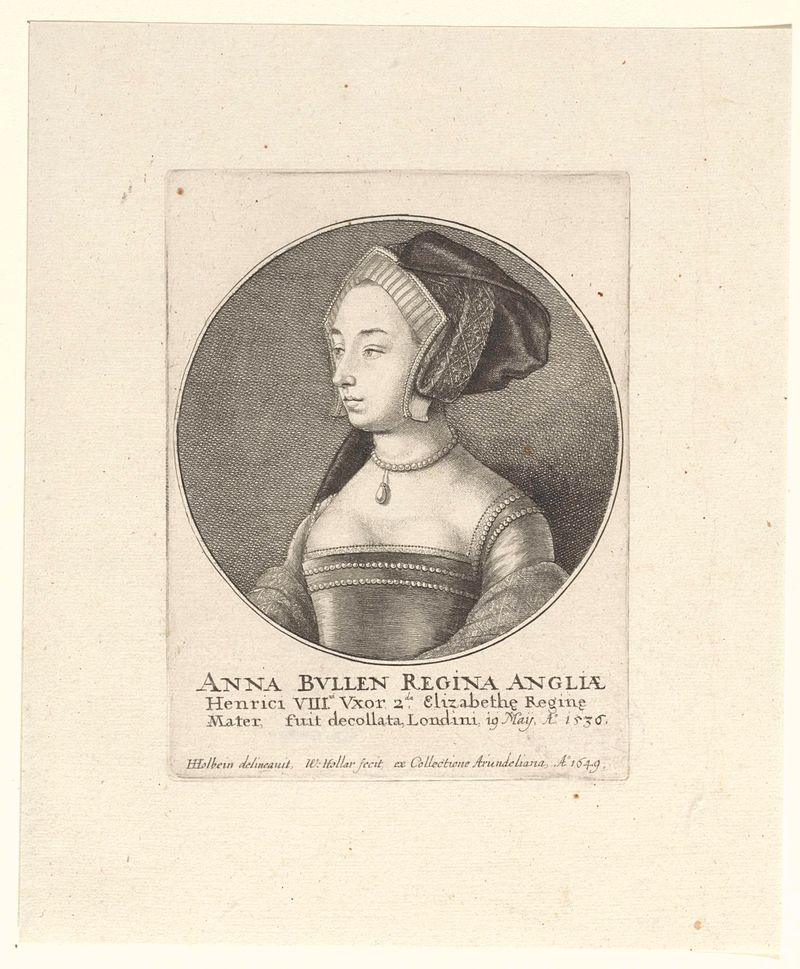
Portret van Anna Boleyn, koningin van Engeland
Wenceslaus Hollar
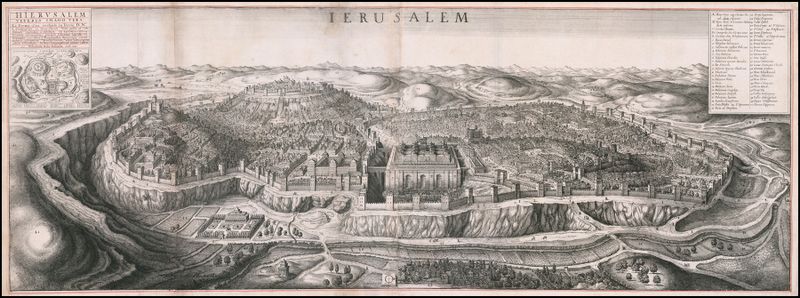
Bird’s eye view of Jerusalem
Wenceslaus Hollar
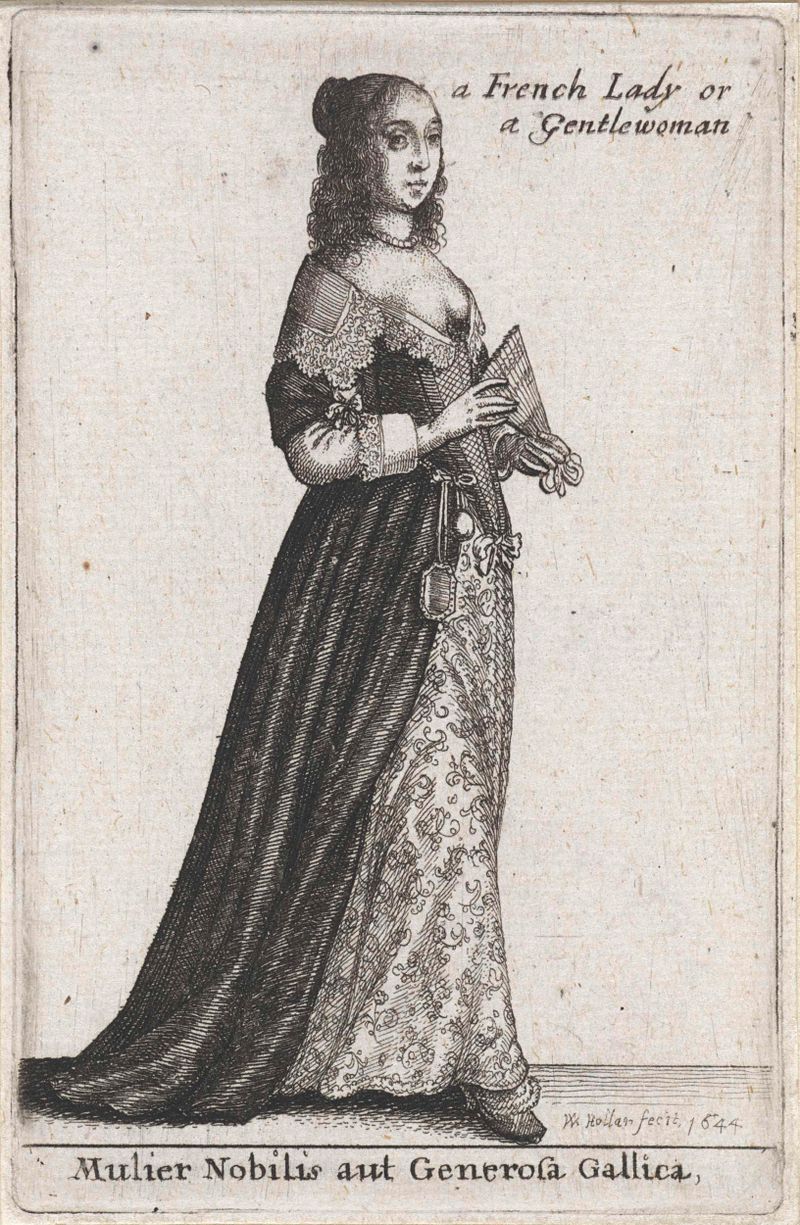
Mulier Nobilis aut Generosa Gallica / a French Lady or Gentlewoman
Wenceslaus Hollar
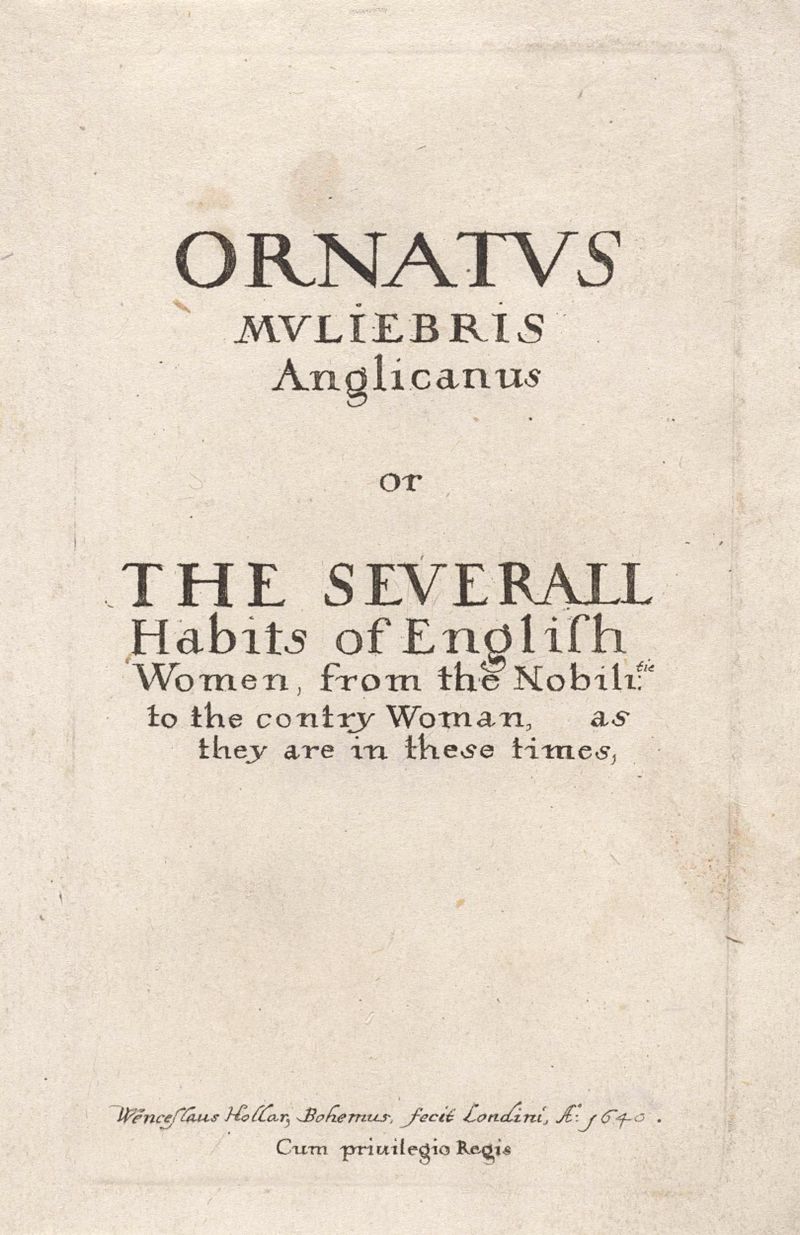
Titelprent voor: Ornatus Muliebris Anglicanus
Wenceslaus Hollar
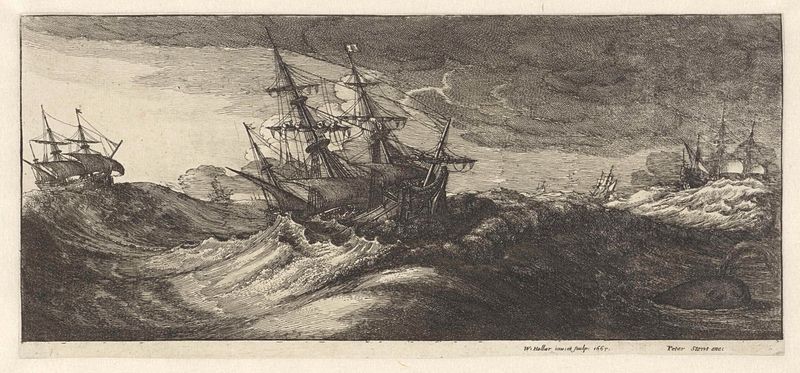
Oorlogsschepen en een walvis in een zeestorm
Wenceslaus Hollar
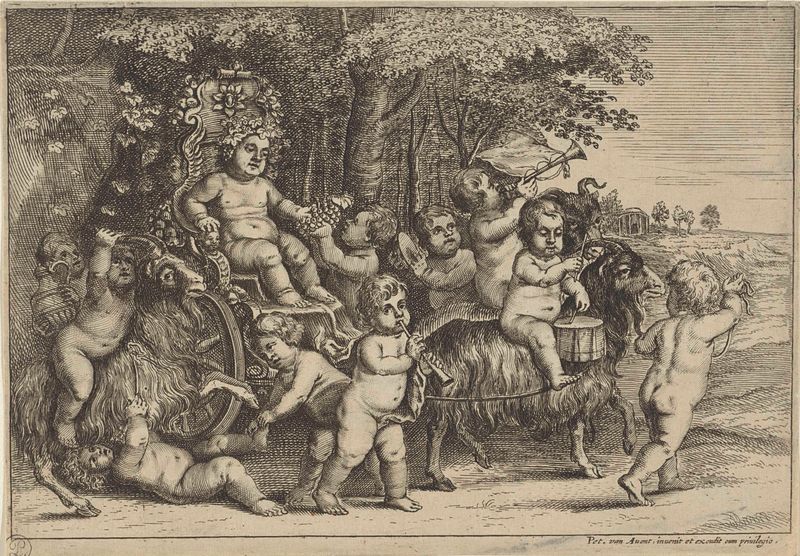
Optocht van bacchant en jongetjes op geiten
Wenceslaus Hollar
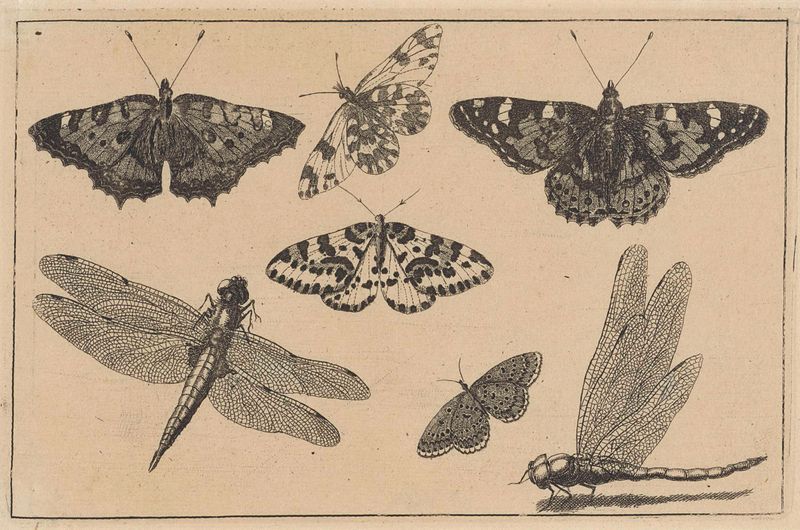
Twee libellen en vijf vlinders
Wenceslaus Hollar
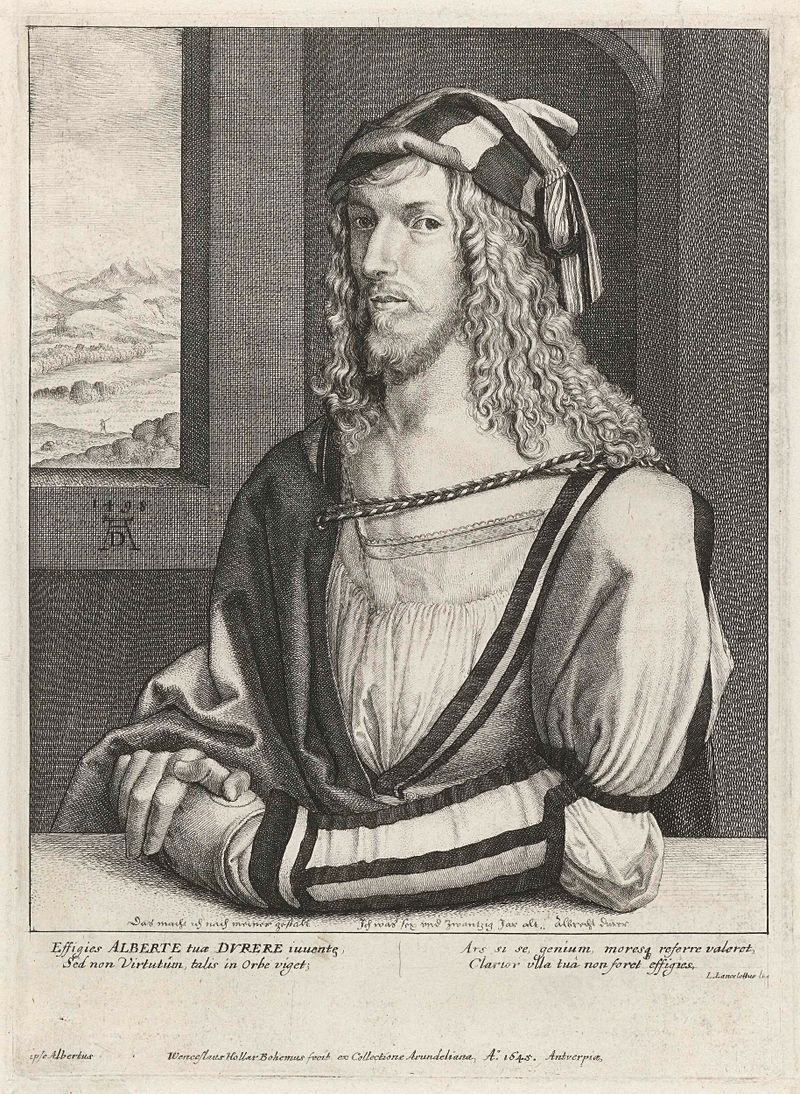
Portret van Albrecht Dürer
Wenceslaus Hollar
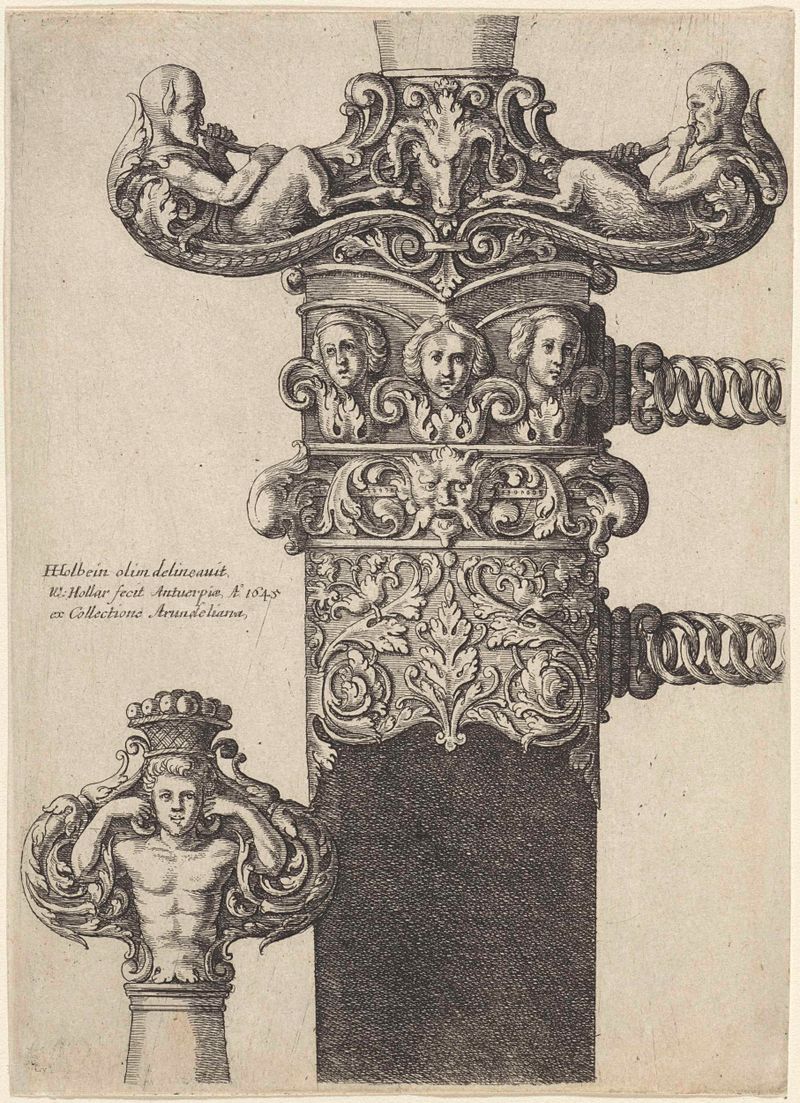
Ornamenteel ontwerp voor een dolk
Wenceslaus Hollar
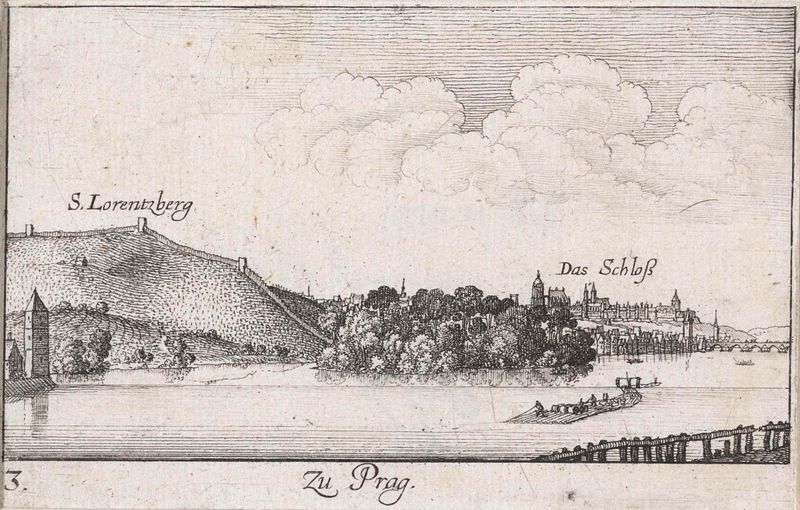
Gezicht op Praag vanaf de Moldau
Wenceslaus Hollar