
Heuvelachtig landschap — History & Facts
In the tranquil expanse of Heuvelachtig landschap, still waters reflect the soul of the landscape, whispering secrets of nature and time. The quietude of this work invites introspection, as if the viewer is caught in a moment of deep reflection, pondering their place within the vastness. Look to the horizon where rolling hills gently rise and fall, an embodiment of the landscape’s serene undulations. The soft greens and muted browns blend seamlessly, drawing the eye into the depths of the composition.
Notice how the light delicately dances across the terrain, illuminating the textures of grass and earth while hinting at the presence of a setting sun, casting a warm glow that envelops the scene. The painting speaks of contrasts—the harmony between the boldness of nature and the tranquility of silence, as well as the interplay between light and shadow. The distant hills, bathed in soft illumination, suggest a sense of hope, while the darker foreground evokes a sense of mystery. Each brushstroke seems to hold the weight of thought, inviting viewers to confront their own reflections amidst this lyrical landscape. Pierre Louis Dubourcq created Heuvelachtig landschap between 1825 and 1873, a period marked by a growing appreciation for the Romantic movement in art.
Living in France, he was influenced by the changing landscapes of his surroundings and the burgeoning interest in capturing nature's beauty. This work exemplifies the period’s shift toward emotional expression through the depiction of serene environments, reflecting Dubourcq's quest to convey deeper truths through his art.
More Artworks by Pierre Louis Dubourcq
Browse all →
Een wijngaard bij Olevano
Pierre Louis Dubourcq
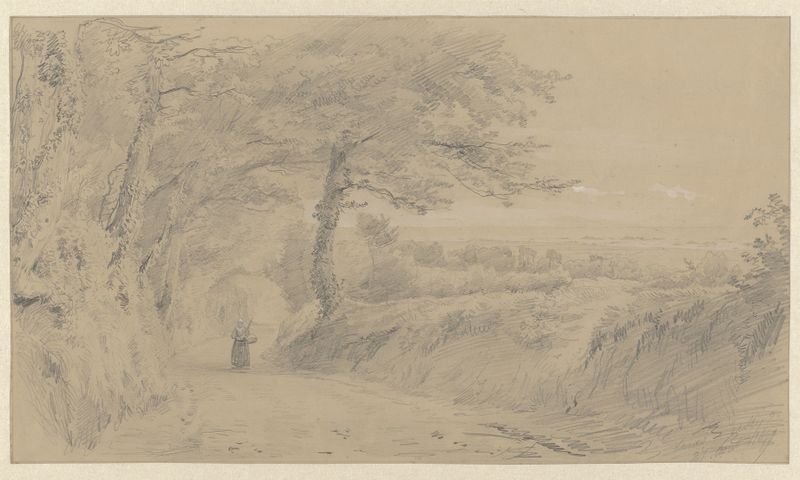
Landschap op Jersey
Pierre Louis Dubourcq

De tempel van Neptunus, Paestum
Pierre Louis Dubourcq
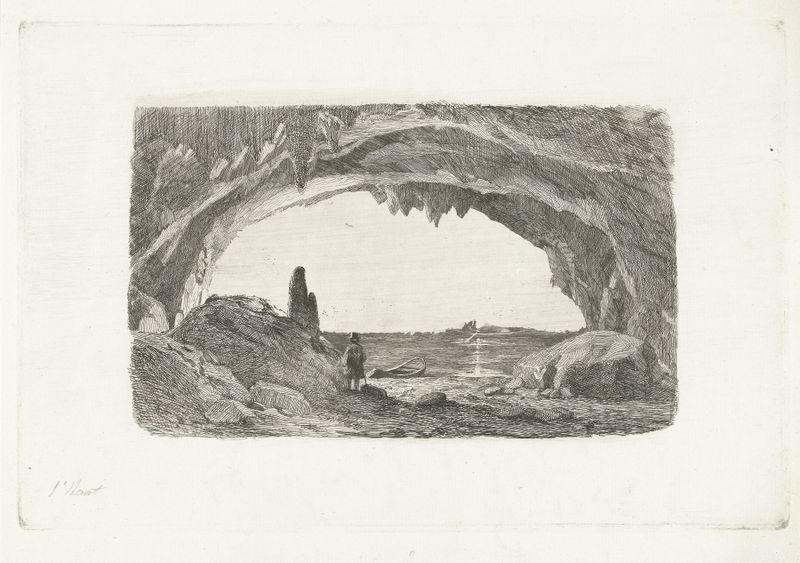
Man met roeiboot in de grotten van Han
Pierre Louis Dubourcq
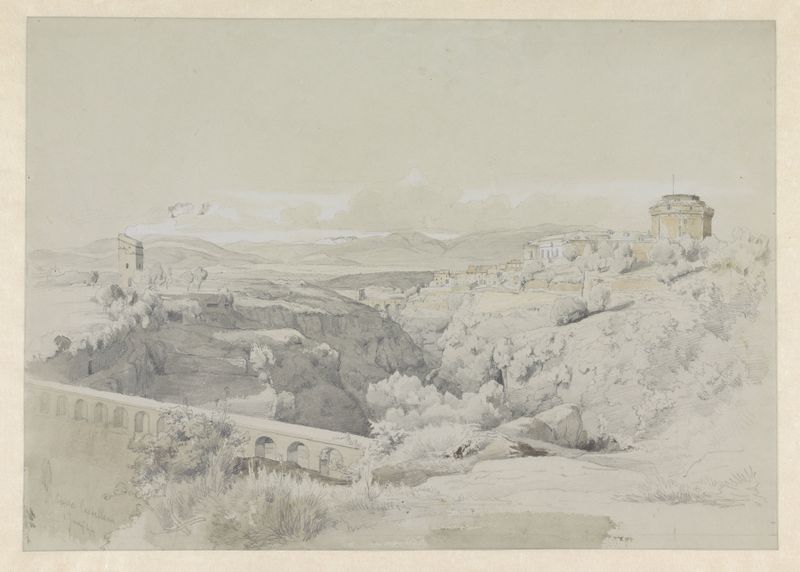
Gezicht op Civita Castellana
Pierre Louis Dubourcq

Paard en wagen op een weg
Pierre Louis Dubourcq
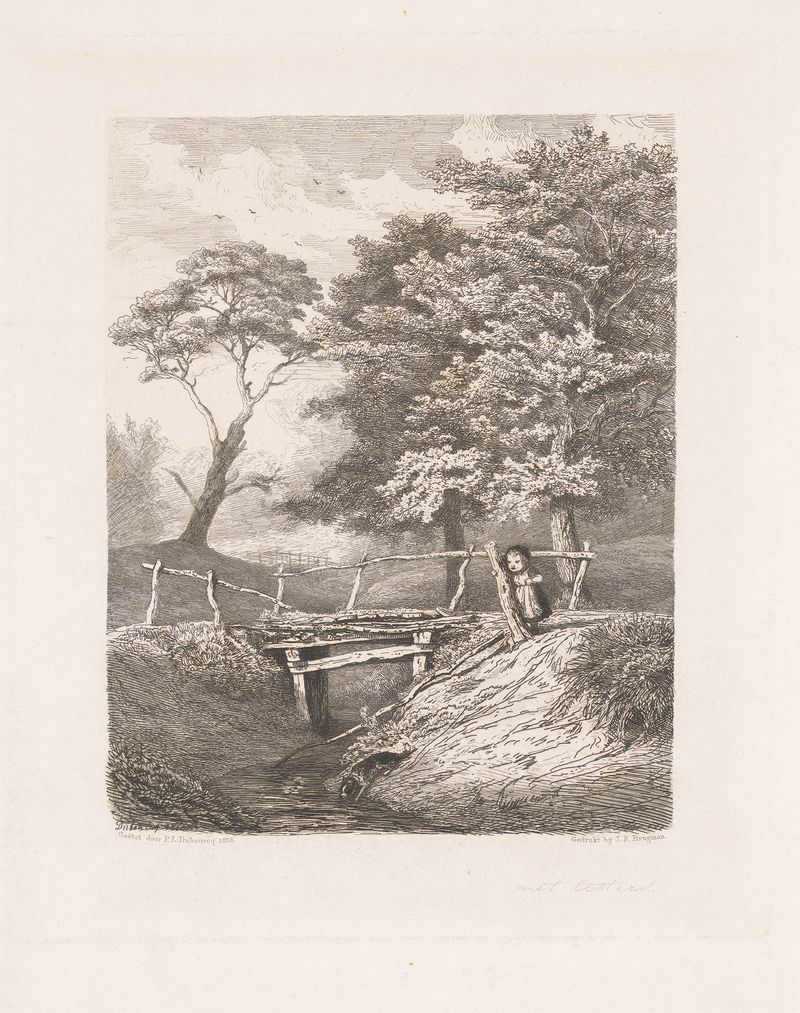
Meisje met hond bij houten brug
Pierre Louis Dubourcq

Kustlandschap te Granville
Pierre Louis Dubourcq

View of Castle Gerone on the island Ischia
Pierre Louis Dubourcq

De rivier de Nera bij Narni
Pierre Louis Dubourcq





