
Heuvelachtig landschap met een bedelaar — History & Facts
Did the painter know this moment would outlive them? In Heuvelachtig landschap met een bedelaar, a fleeting encounter freezes in time, evoking contemplation on mortality and the transience of life itself. Focus on the foreground where an emaciated beggar sits hunched upon the ground, his ragged clothing blending with the earth tones of the landscape. The gentle undulations of the hills behind him provide a serene backdrop, their soft curves contrasting the sharp lines of his weary figure. Look to the sky, where a muted light filters through, casting a somber glow that highlights the contours of his face, revealing both despair and dignity.
Hollar’s meticulous etching technique captures not just the visual, but the emotional weight of the scene, inviting viewers to linger. There is a poignant tension between the beauty of the landscape and the plight of the beggar. The lush hills, imbued with a sense of permanence, stand in stark contrast to the ephemeral nature of human life, suggesting that while the world continues its cycles, individual suffering may go unnoticed. Furthermore, the beggar’s gaze seems to pierce through the silence of the scene, hinting at an existence filled with stories and struggles, yet often marginalized in society. Wenceslaus Hollar created this work in 1649, during a period when he was living in London after fleeing the Thirty Years' War in his native Bohemia.
The art world was evolving, with a growing interest in landscapes and the human condition. This piece reflects not only Hollar’s technical skill but also an emerging awareness of social issues, as artists began to document the lives of the marginalized amidst the beauty of the natural world.
More Artworks by Wenceslaus Hollar
Browse all →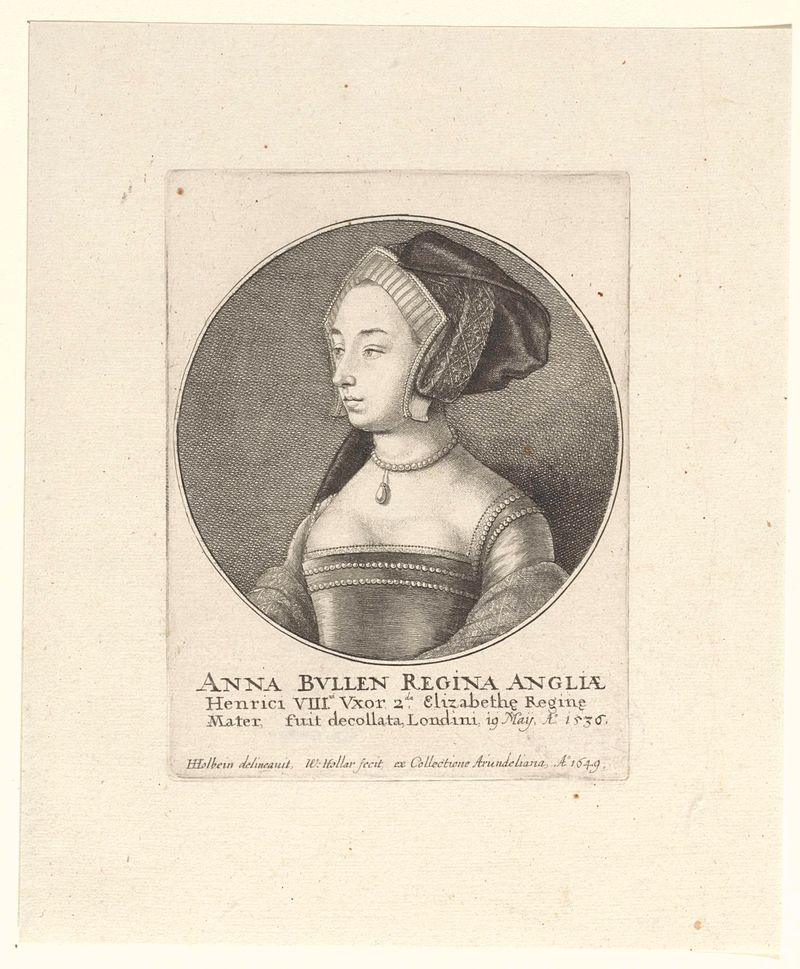
Portret van Anna Boleyn, koningin van Engeland
Wenceslaus Hollar
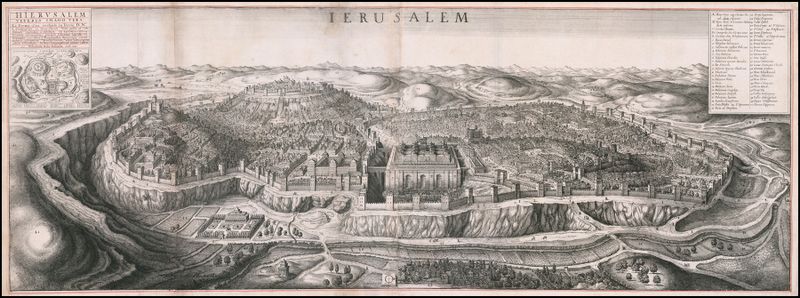
Bird’s eye view of Jerusalem
Wenceslaus Hollar
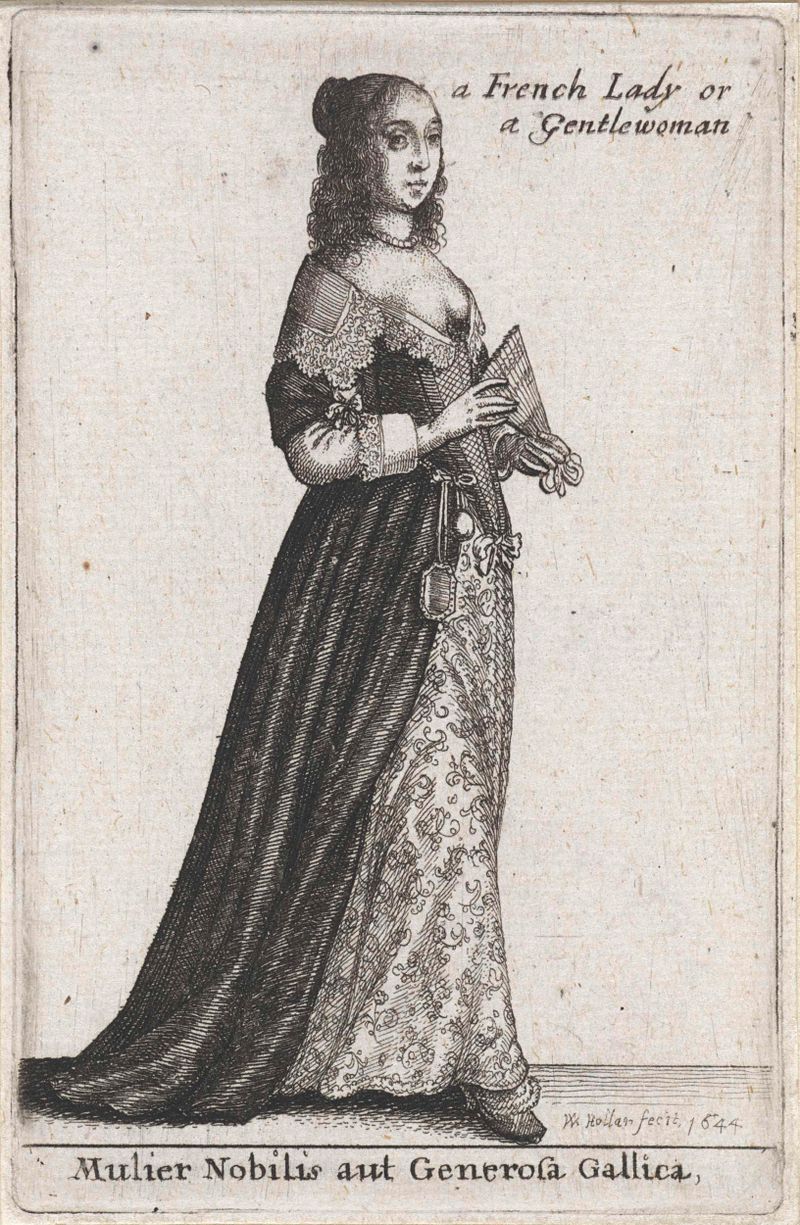
Mulier Nobilis aut Generosa Gallica / a French Lady or Gentlewoman
Wenceslaus Hollar
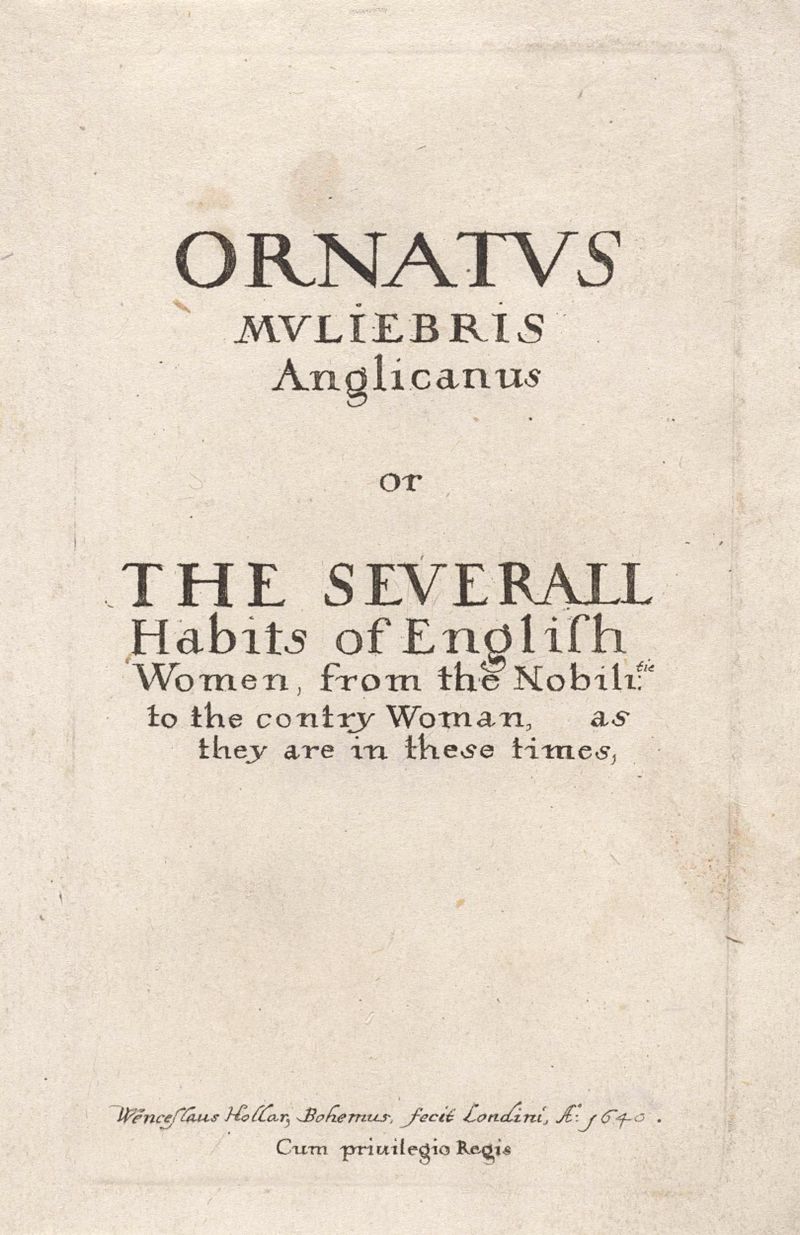
Titelprent voor: Ornatus Muliebris Anglicanus
Wenceslaus Hollar
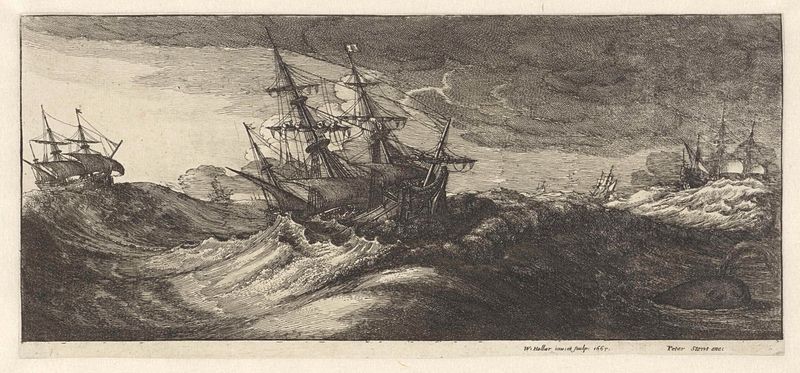
Oorlogsschepen en een walvis in een zeestorm
Wenceslaus Hollar
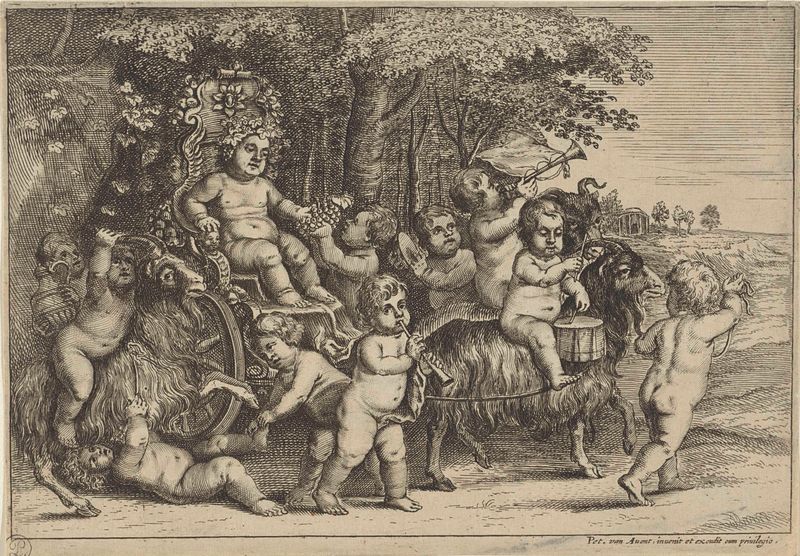
Optocht van bacchant en jongetjes op geiten
Wenceslaus Hollar
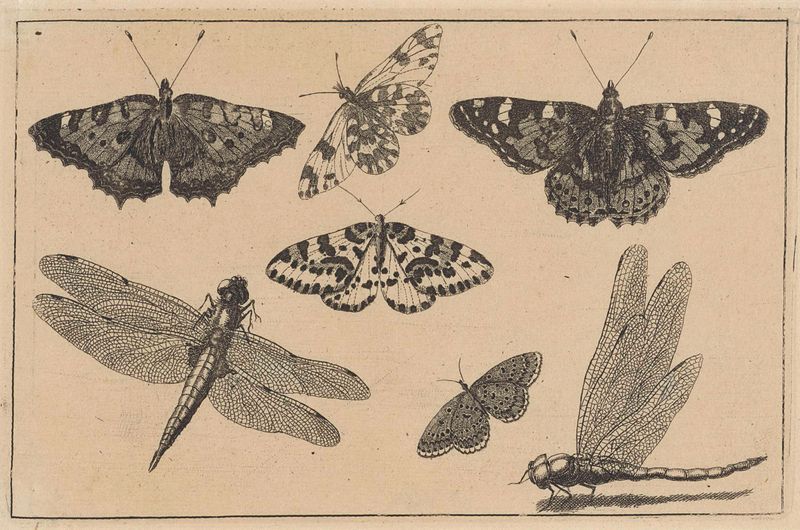
Twee libellen en vijf vlinders
Wenceslaus Hollar
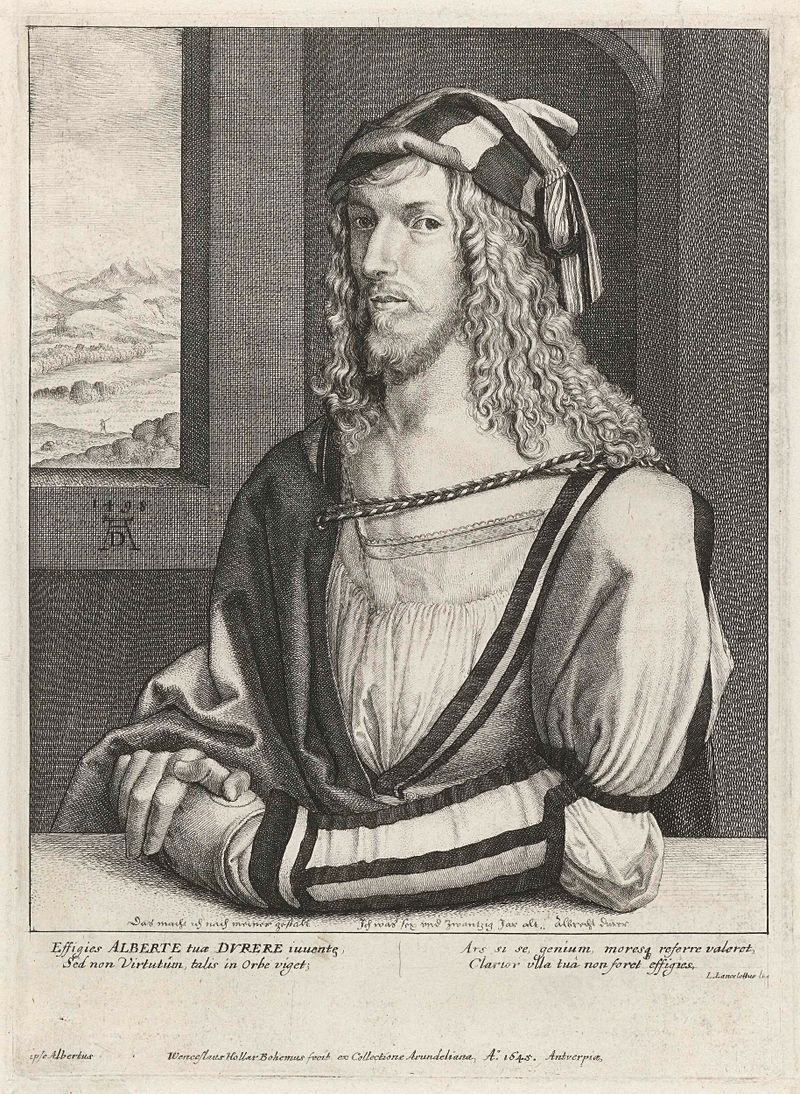
Portret van Albrecht Dürer
Wenceslaus Hollar
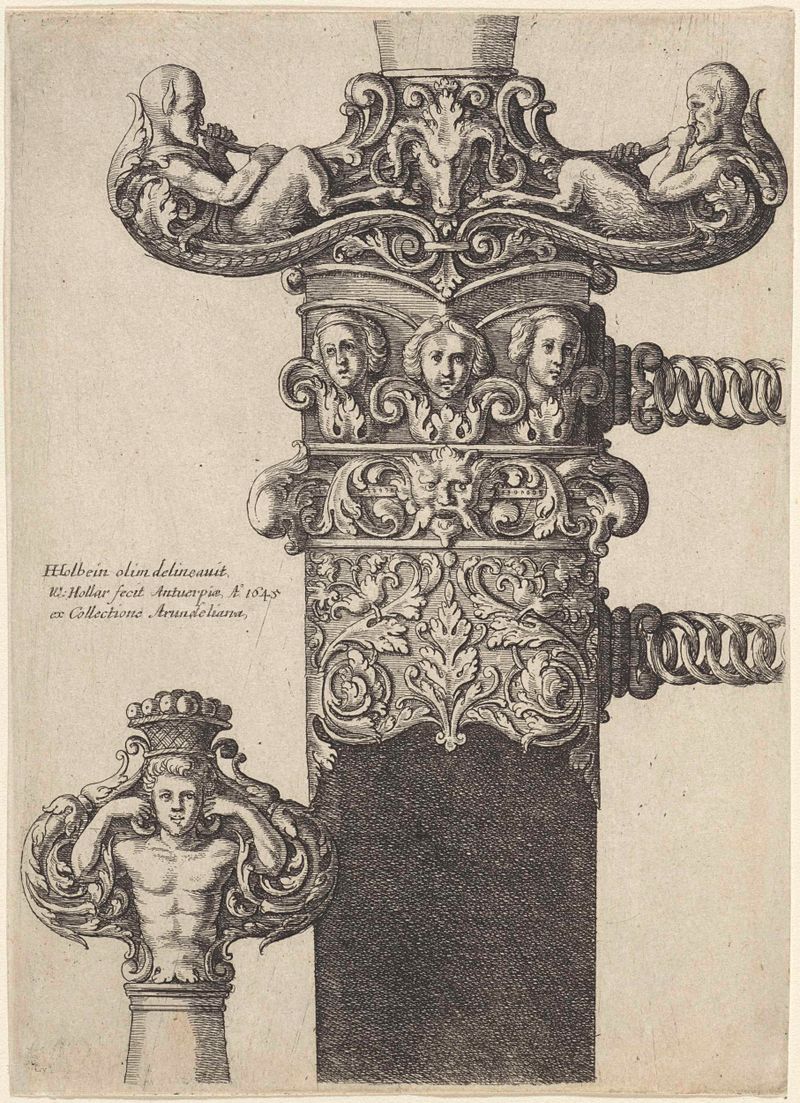
Ornamenteel ontwerp voor een dolk
Wenceslaus Hollar
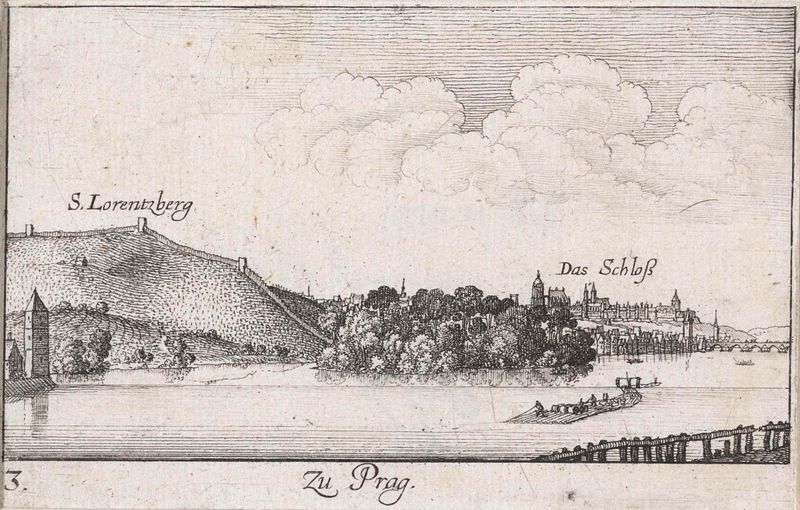
Gezicht op Praag vanaf de Moldau
Wenceslaus Hollar





