
High Gate in Ajmer (The Buland Darwaza, Ajmer) — History & Facts
In the haunting stillness of High Gate in Ajmer, the viewer is drawn into a world where fear dances quietly alongside grandeur, whispering the untold stories of those who once passed beneath its arch. Look to the intricate carvings of the Buland Darwaza, where every detail tells a tale—exquisite floral motifs twist and entwine, their meticulous patterns juxtaposed against the stark stone. Notice how the light filters through the archway, casting elongated shadows that ripple across the ground. The muted palette, dominated by earthy tones, adds an atmospheric weight, enveloping the scene in a sense of foreboding.
Each brushstroke conveys not just the physicality of the structure but the emotional resonance of its history. Within this architectural marvel lies a duality: the monument stands as a proud testament to achievement, yet it also invites trepidation. The enormity of the gate looms over passersby, suggesting both protection and isolation. A thin line separates reverence from fear, as the immense structure seems to guard secrets from the ages—whispers of devotion and sacrifice echoing in the silence.
This duality invites the viewer to contemplate the boundaries between grandeur and dread. In 1931, Yoshida Hiroshi painted this piece amidst a period of artistic exploration in Japan, where traditional woodblock prints blended with Western influences. Living in an era marked by socio-political change, Hiroshi sought to capture the essence of cultural heritage and the landscapes that defined it. While he drew inspiration from his travels, the creation of this work reflected a desire to preserve the emotional weight of history, ensuring that the silent confessions of monumental spaces would not be forgotten.
More Artworks by Yoshida Hiroshi
Browse all →
Crytomeria Avenue (Sugi Namiki)
Yoshida Hiroshi
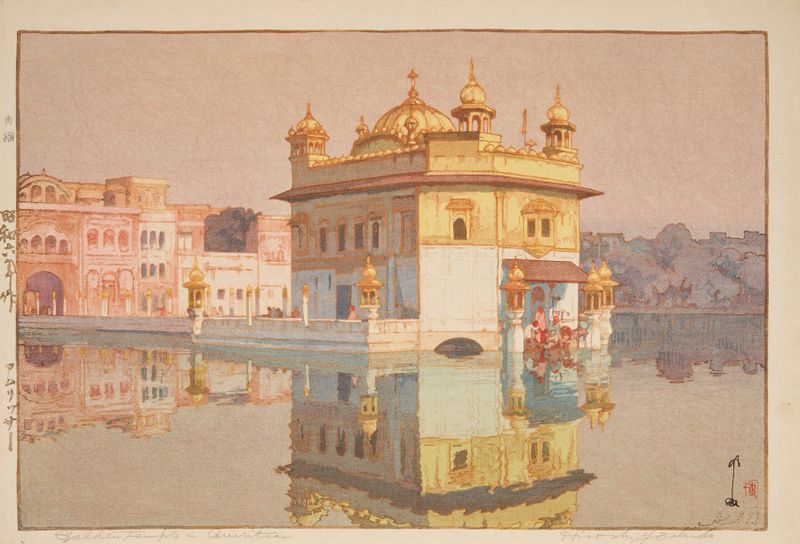
Amurissaa (Golden Temple in Amritsar)
Yoshida Hiroshi

High Gate in Ajmer (Ajumeru no Berenderuwajaa)
Yoshida Hiroshi

Fujiyama from Gotemba
Yoshida Hiroshi
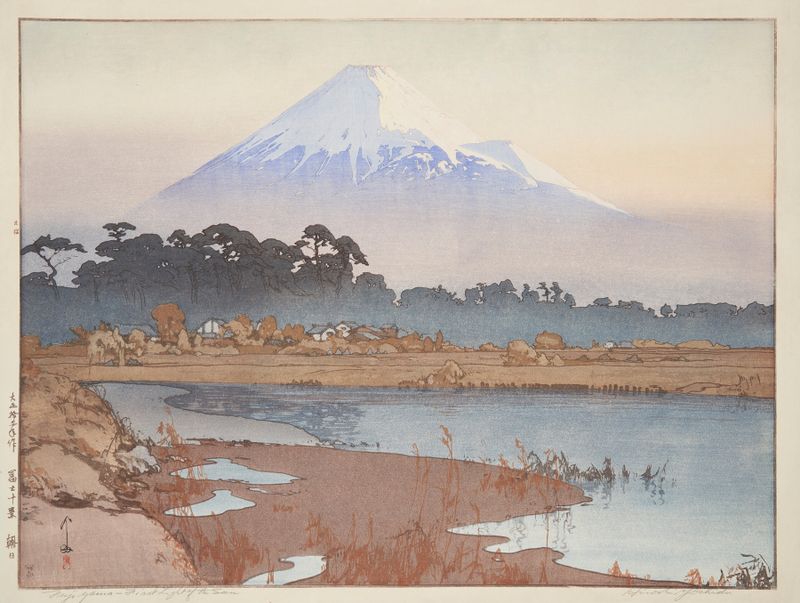
Asahi (Sunrise).
Yoshida Hiroshi
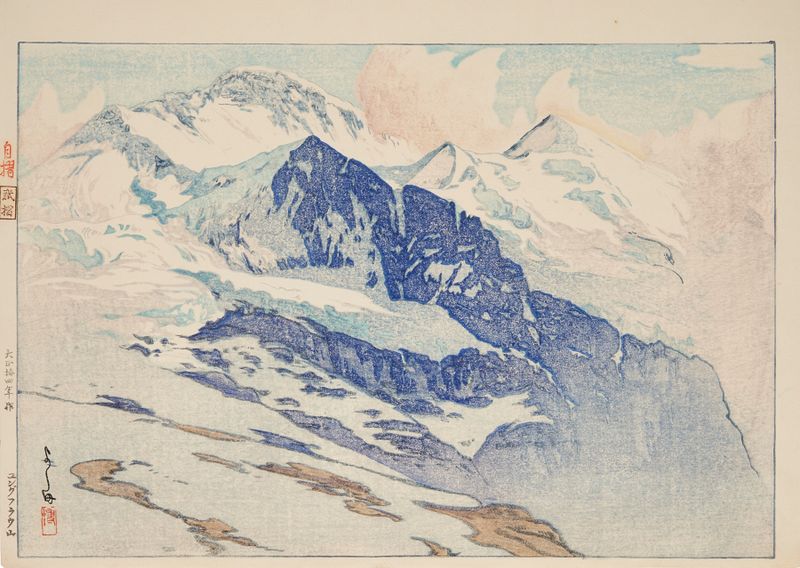
Yungufurau-yama (Jungfrau)
Yoshida Hiroshi
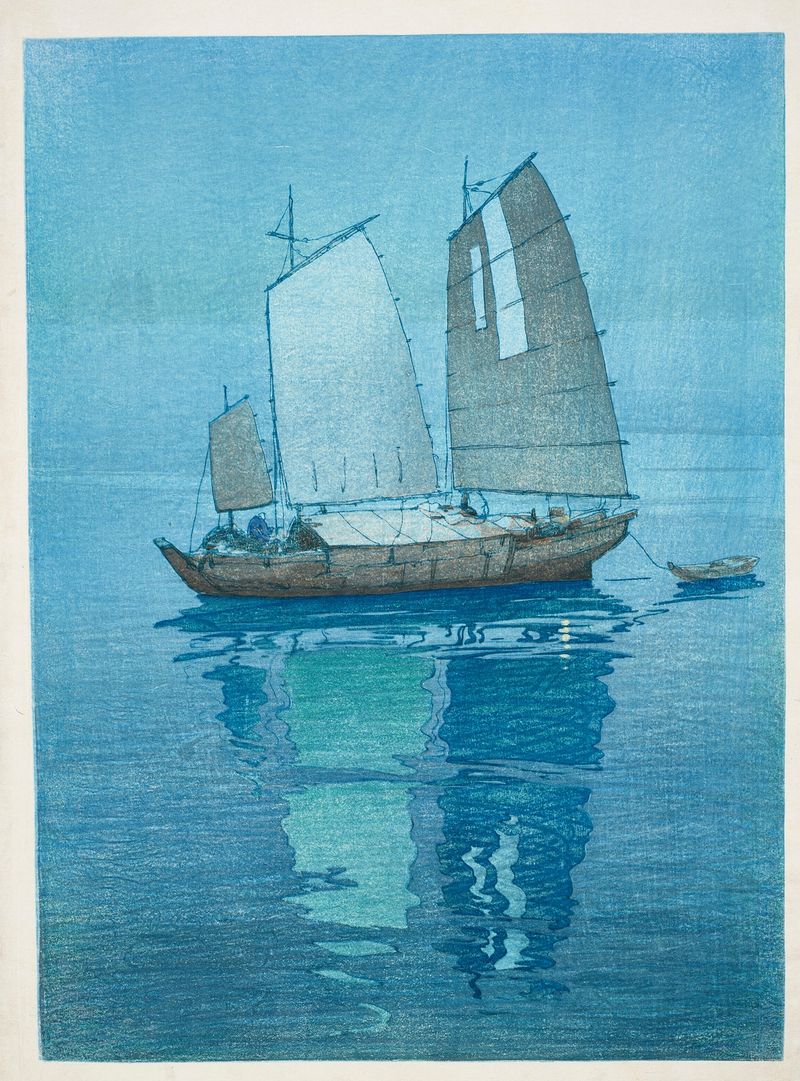
Hansen (Sailing Boats)
Yoshida Hiroshi
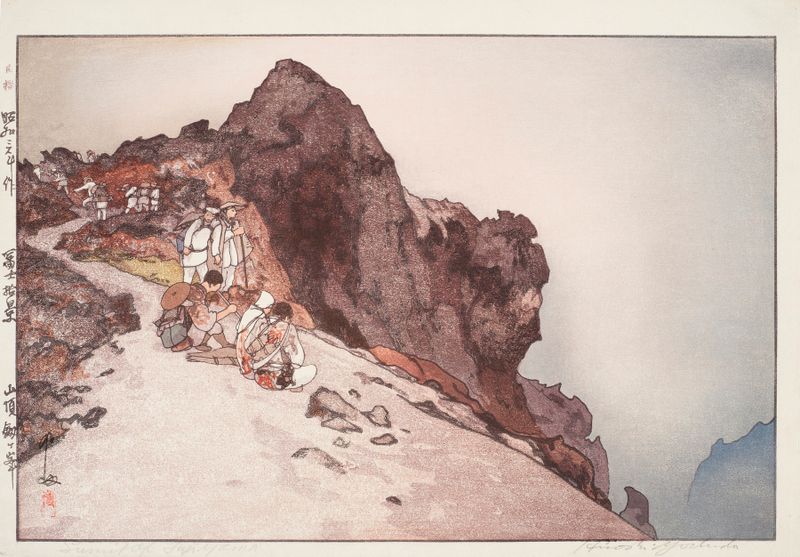
Summit of Mount Fuji
Yoshida Hiroshi

Sailing Boats — Night, from the series ‘The Seto Inland Sea’
Yoshida Hiroshi
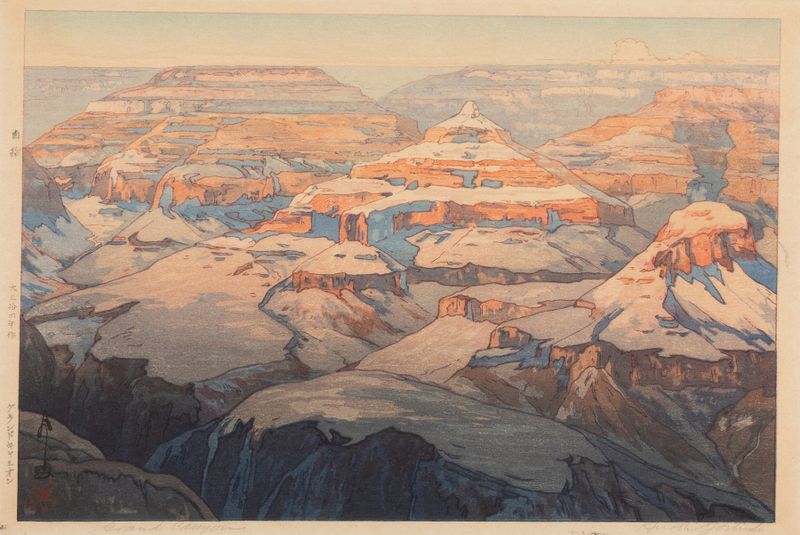
Grand Canyon (Gurando Kyanion)
Yoshida Hiroshi
More Architecture Art
Browse all →
The statue of Liberty
Frédéric Auguste Bartholdi

View of Houses in Delft, Known as ‘The Little Street’
Johannes Vermeer

View of Houses in Delft, Known as ‘The Little Street’
Johannes Vermeer

The Cathedral in Rouen. The portal, Grey Weather
Claude Monet

The yellow house
Vincent van Gogh

The Church in Auvers-sur-Oise, View from the Chevet
Vincent van Gogh