
Hippolyte-François Devillers — History & Facts
When Jean Auguste Dominique Ingres painted Hippolyte-François Devillers in 1811, he was a young artist in Rome, recently arrived on a hard-won Prix de Rome scholarship. The sitter, Hippolyte-François Devillers, was himself a fellow Frenchman and a student of the French Academy in Rome, part of the close-knit expatriate circle that shaped Ingres’s early career. This portrait is one of the earliest surviving likenesses Ingres produced in Italy, marking the beginning of his long fascination with the genre and his growing reputation among his peers.
The choice of subject reflects not only friendship but the importance of mutual support among artists far from home. Ingres captures Devillers at a moment of thoughtful repose, his gaze turned slightly away from the viewer, suggesting introspection or perhaps the weight of artistic ambition. The sitter’s dark coat and simple cravat are rendered with the precision and clarity that would become Ingres’s hallmark, while the soft modeling of the face betrays the influence of Renaissance masters he was studying in Rome. The light falls gently across Devillers’s features, emphasizing his youth and seriousness, while the restrained palette and absence of distracting background elements focus all attention on the psychological presence of the sitter.
Compared to the more flamboyant portraits of Jacques-Louis David, Ingres’s approach here is intimate and contemplative, privileging inner life over outward display. The exact medium of Hippolyte-François Devillers is not documented, though it is likely oil on canvas, typical for Ingres’s portraits of the period. The painting’s provenance is not fully traced, but it stands as an early testament to Ingres’s skill and his network within the French artistic community in Rome. As Ingres’s fame grew, so did the appreciation for these early, quietly ambitious portraits, which now offer a window into the formative years of one of the nineteenth century’s most influential painters.
Today, the work is valued both as a record of artistic friendship and as an example of Ingres’s developing style, bridging the neoclassical tradition and his own unique sensibility.
More Artworks by Jean Auguste Dominique Ingres
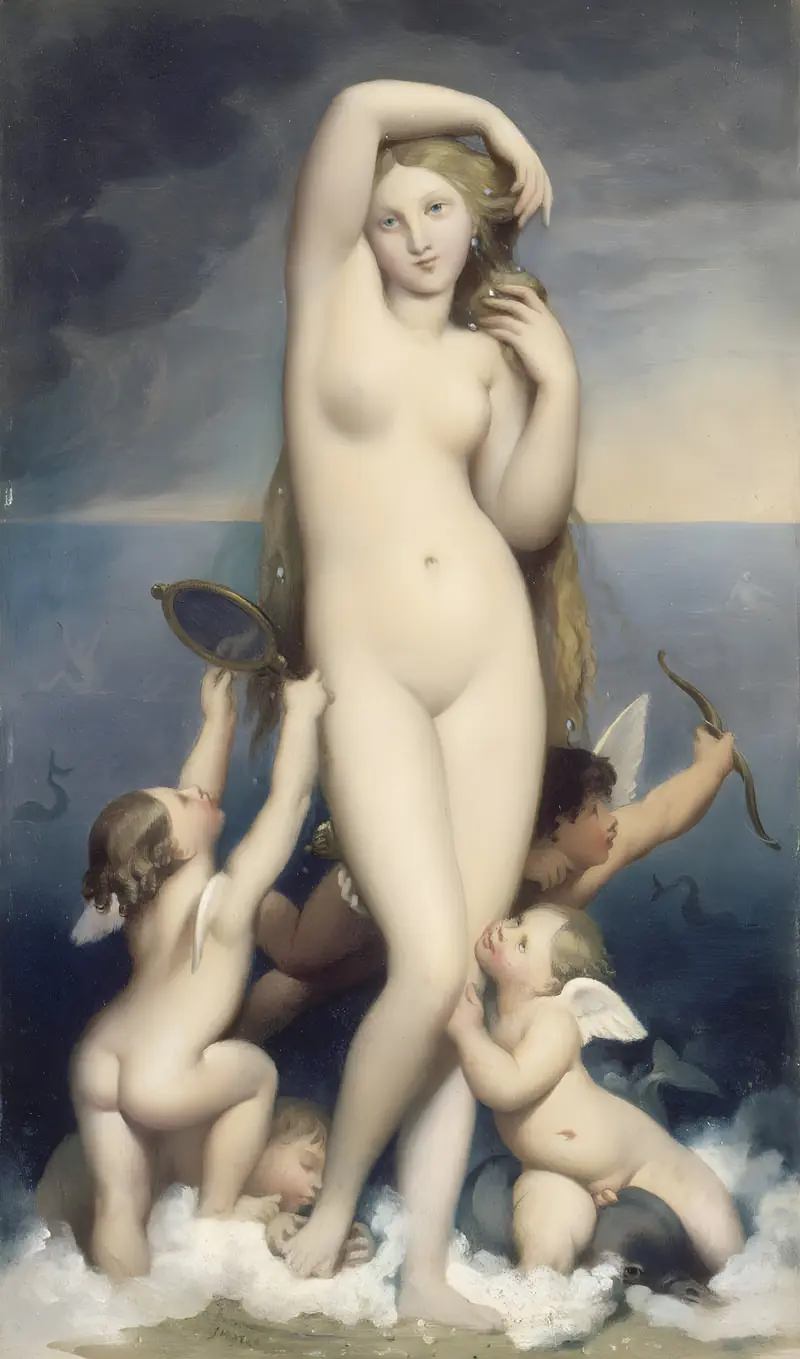
Vénus anadyomène
Jean Auguste Dominique Ingres
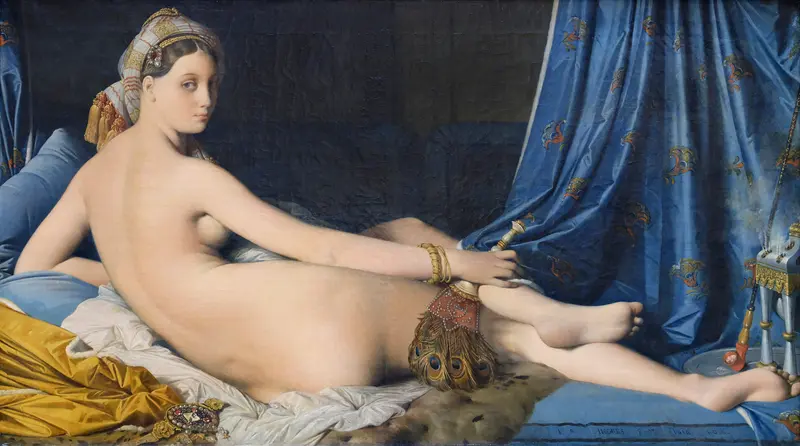
Grande Odalisque
Jean Auguste Dominique Ingres
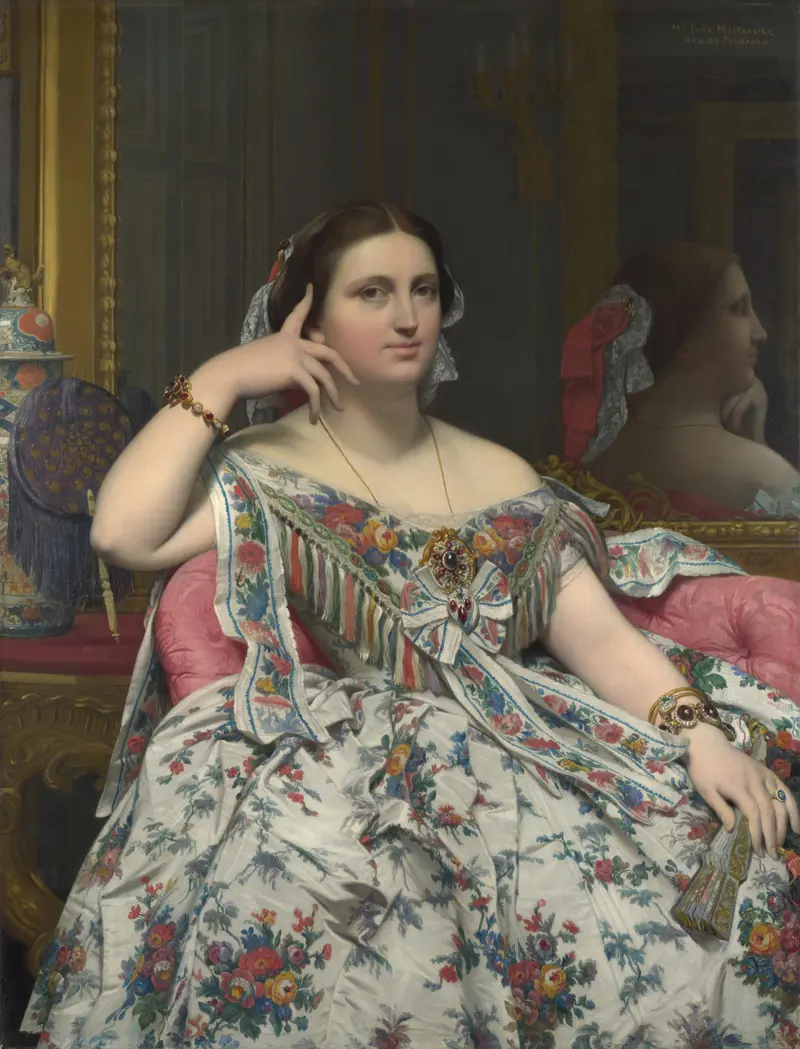
Madame Moitessier (seated)
Jean Auguste Dominique Ingres
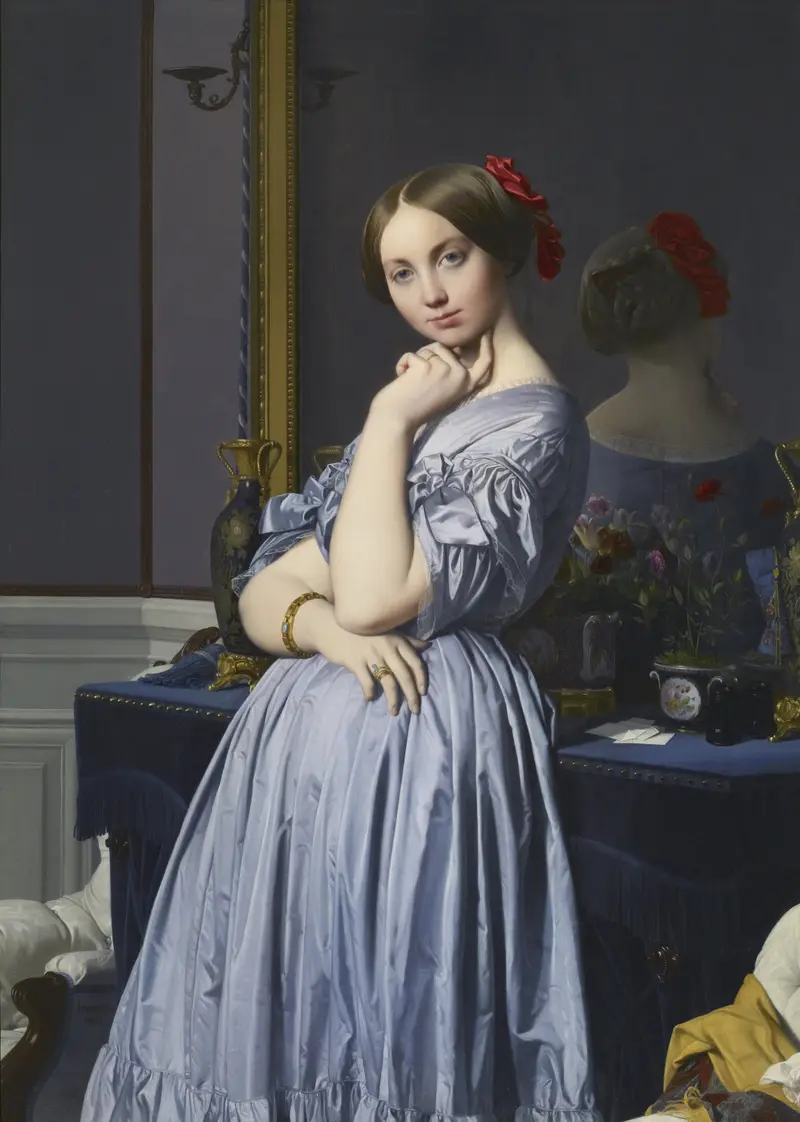
Portrait of Comtesse d’Haussonville
Jean Auguste Dominique Ingres
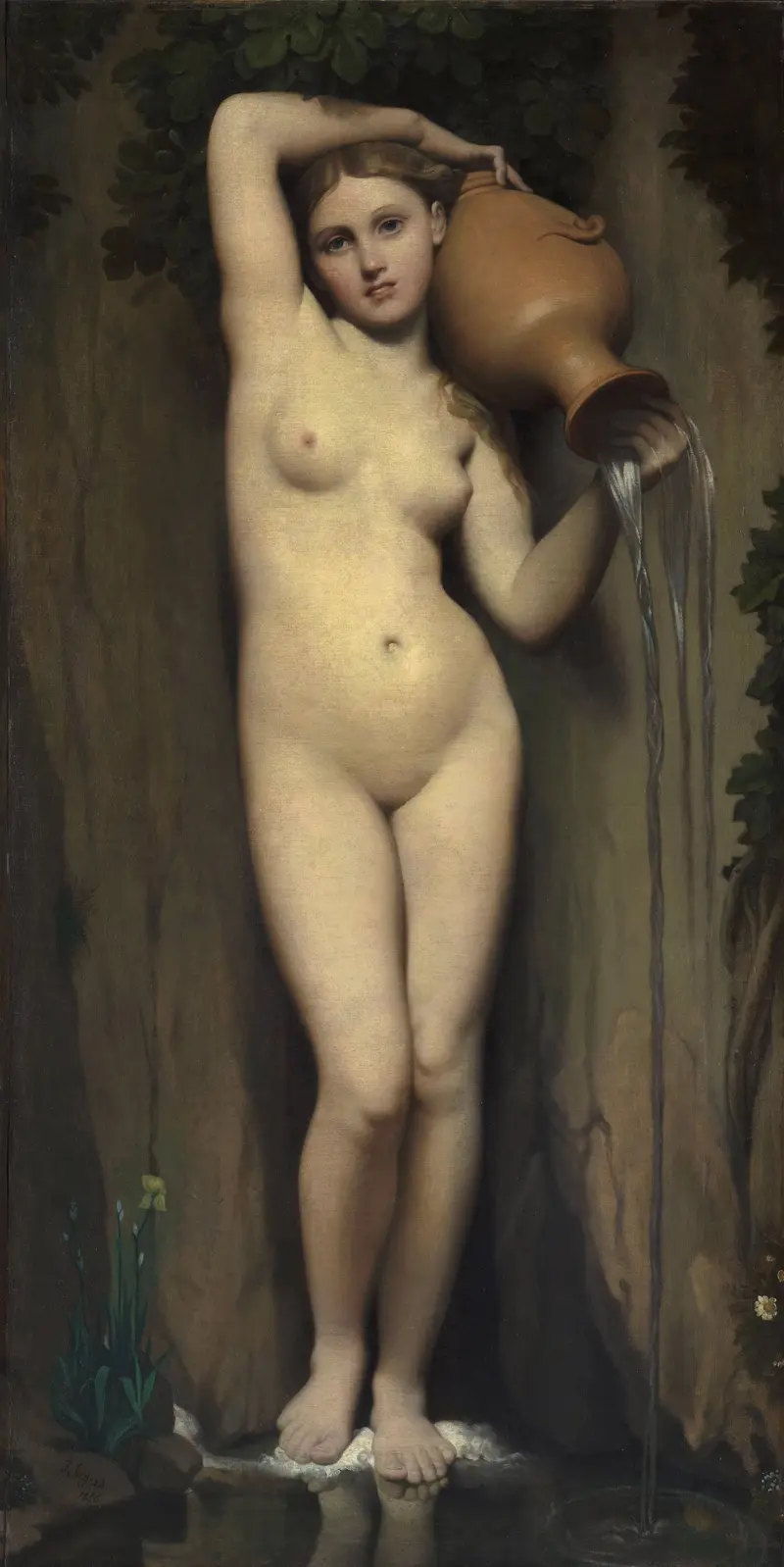
The Source
Jean Auguste Dominique Ingres
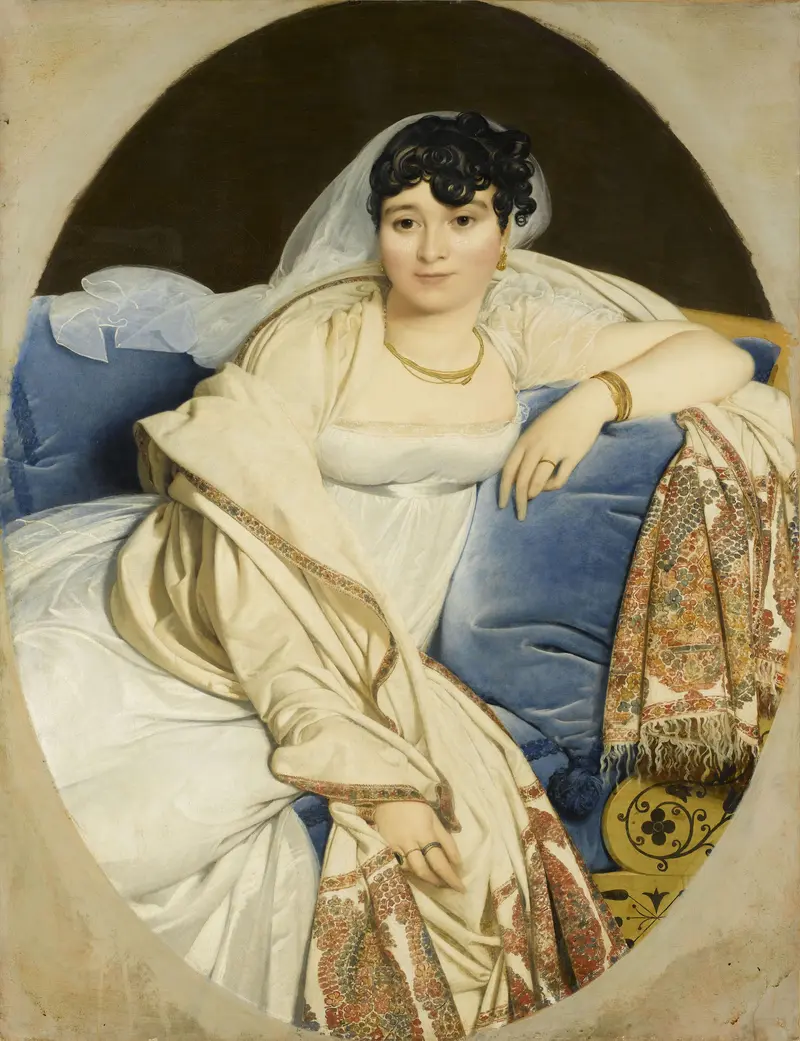
Madame Rivière
Jean Auguste Dominique Ingres

Madame Jean-Auguste-Dominique Ingres, née Madeleine Chapelle
Jean Auguste Dominique Ingres

Portrait of a Lady
Jean Auguste Dominique Ingres
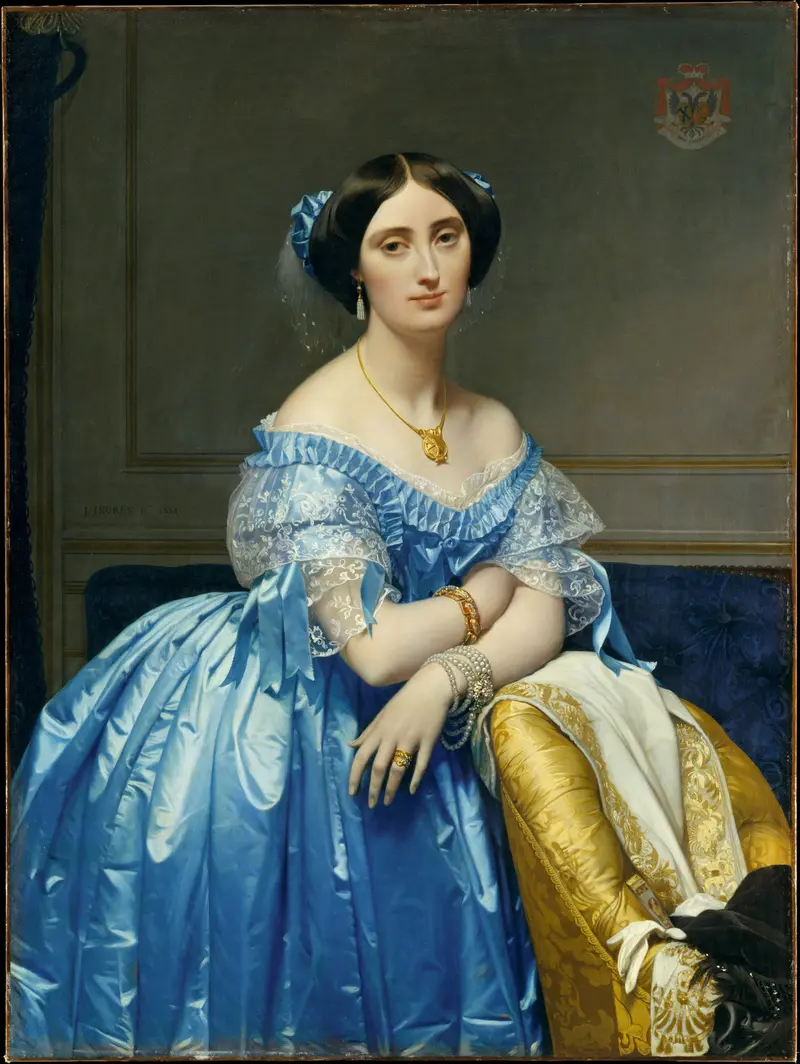
Joséphine-Éléonore-Marie-Pauline de Galard de Brassac de Béarn (1825–1860), Princesse de Broglie
Jean Auguste Dominique Ingres
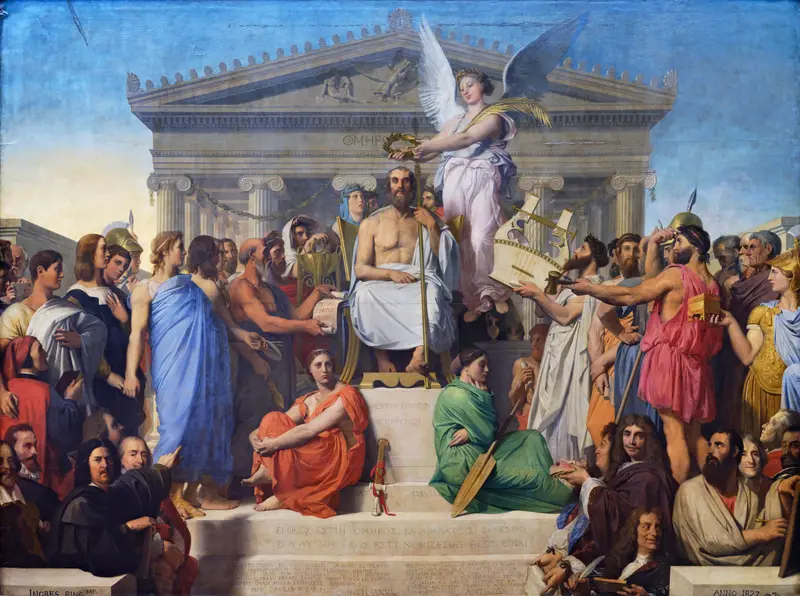
The Apotheosis of Homer
Jean Auguste Dominique Ingres





