
Holy Family with the Infant St. John — History & Facts
No other painter of the Italian Renaissance was so praised for his gentle, human touch as Correggio, and nowhere is this more apparent than in Holy Family with the Infant St. John. The painting’s authorship was once a matter of heated debate, with several collectors and experts in the 18th and 19th centuries attributing it variously to Parmigianino or even Leonardo da Vinci, so closely does its tender atmosphere echo the innovations of both.
Only careful study of the brushwork and the soft, luminous modeling—hallmarks of Correggio—settled the matter. The painting’s uncertain origins and shifting attributions have made it a touchstone in the study of Renaissance connoisseurship. At the heart of the composition, the Virgin Mary draws the Christ Child close, while the infant St. John, identified by his reed cross, gazes up in adoration.
The painter has chosen a moment of quiet intimacy rather than overt drama: Joseph watches protectively, his presence gentle but firm, as the two children meet. The soft, golden light bathes the figures, dissolving the boundaries between them and creating a sense of familial warmth. The Christ Child’s hand reaches toward St.
John, a gesture of blessing and friendship, while Mary’s serene gaze anchors the scene. Unlike the more formal, hieratic depictions by Raphael, here the holy figures are approachable, their affection rendered in the tender play of glances and hands. The precise history of Holy Family with the Infant St. John remains partly shrouded, with no surviving commission records or early inventories to clarify its origins.
It is generally agreed to date from Correggio’s mature period, when his reputation as the poet of light and feeling was well established in Parma. Over the centuries, the painting has passed through private hands and collections, admired for its grace and intimacy. Today, it stands as a testament to Correggio’s unique vision, bridging the worlds of High Renaissance clarity and the softer, more emotional sensibility that would influence later artists.
Its journey from attribution confusion to secure place in the canon mirrors the evolving appreciation for the artist’s subtle genius.
More Artworks by Correggio
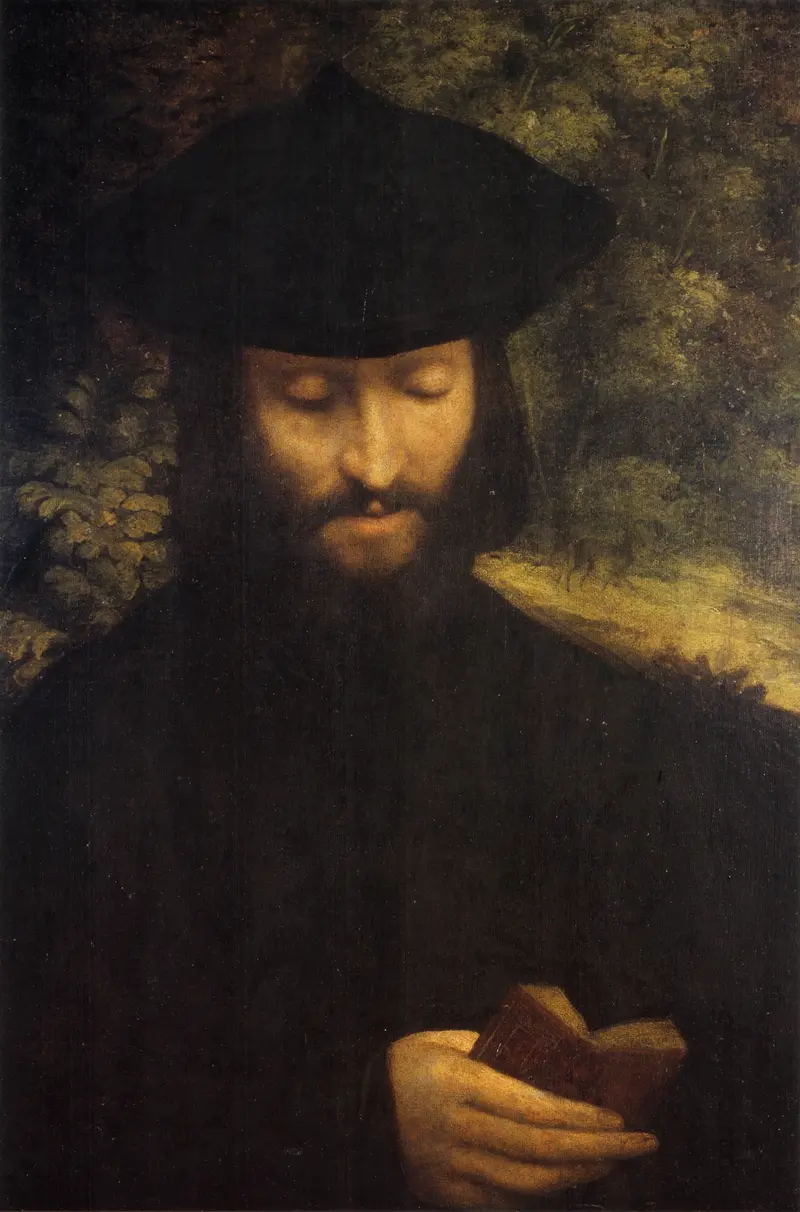
Portrait of a Man with a Book
Correggio
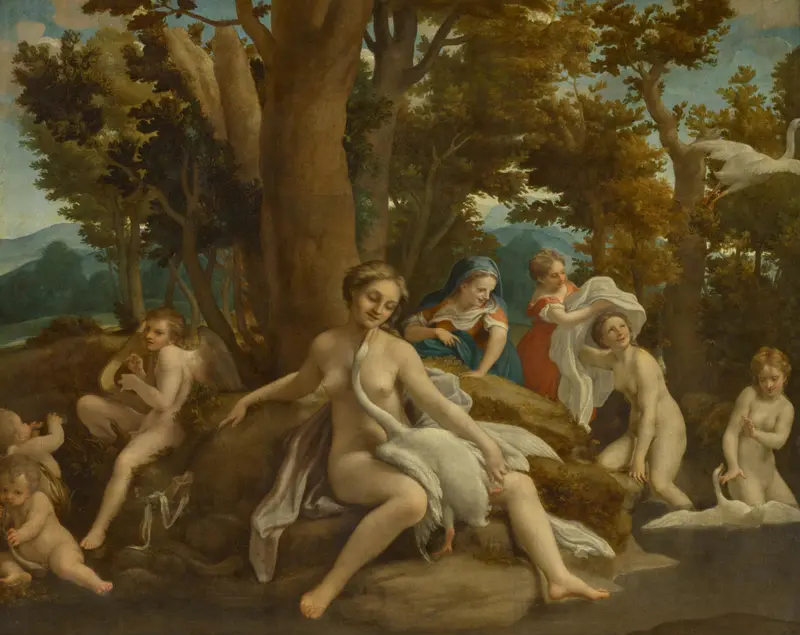
Leda and the Swan
Correggio

Madonna and Child with the Infant Saint John the Baptist
Correggio
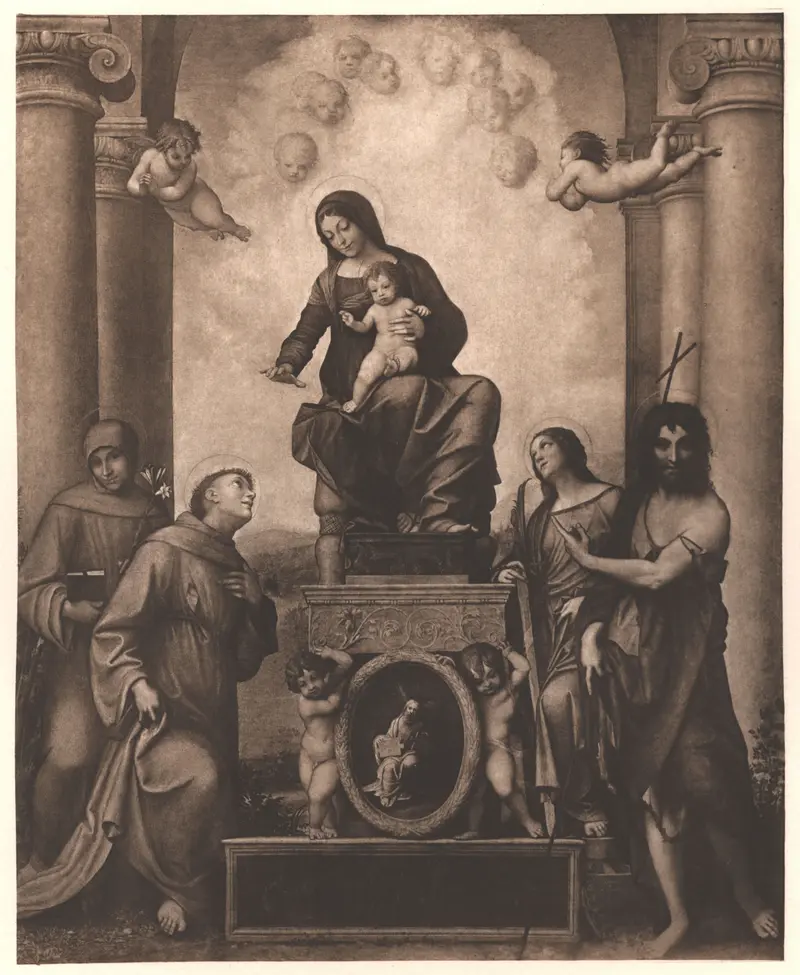
Madonna with St. Francis
Correggio
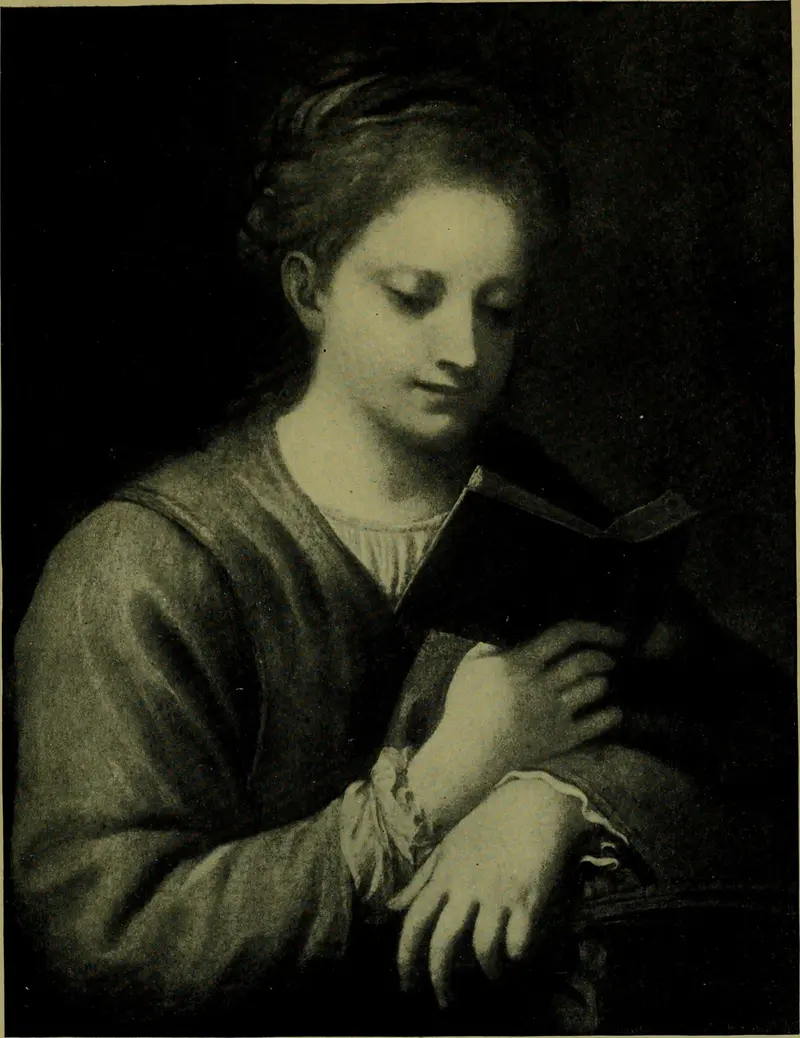
Saint Catherine Reading
Correggio

The Holy Night
Correggio
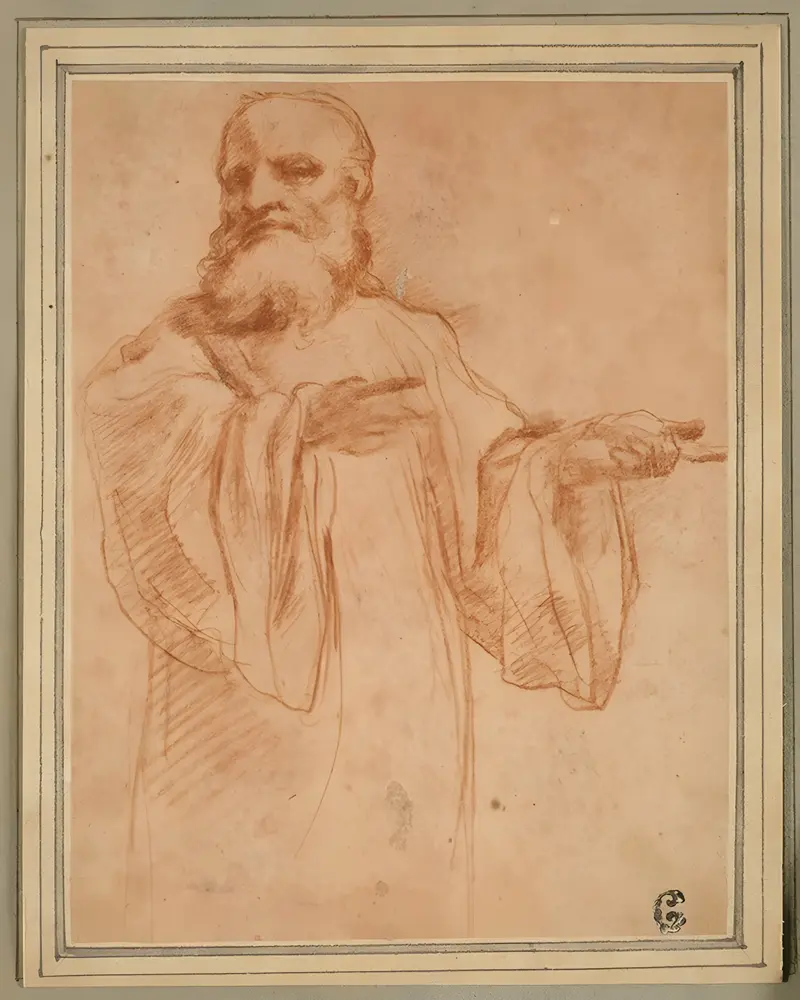
St. Benedict Gesturing to the Left; Study for the Coronation of the Virgin
Correggio
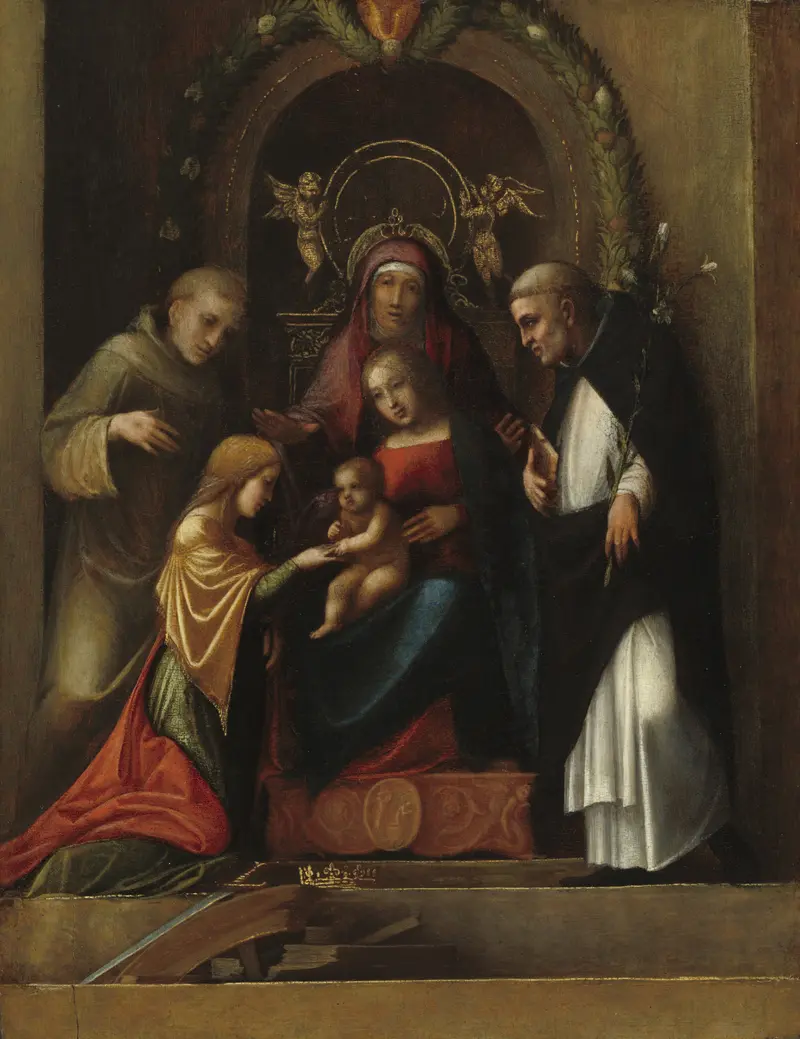
The Mystic Marriage of Saint Catherine
Correggio
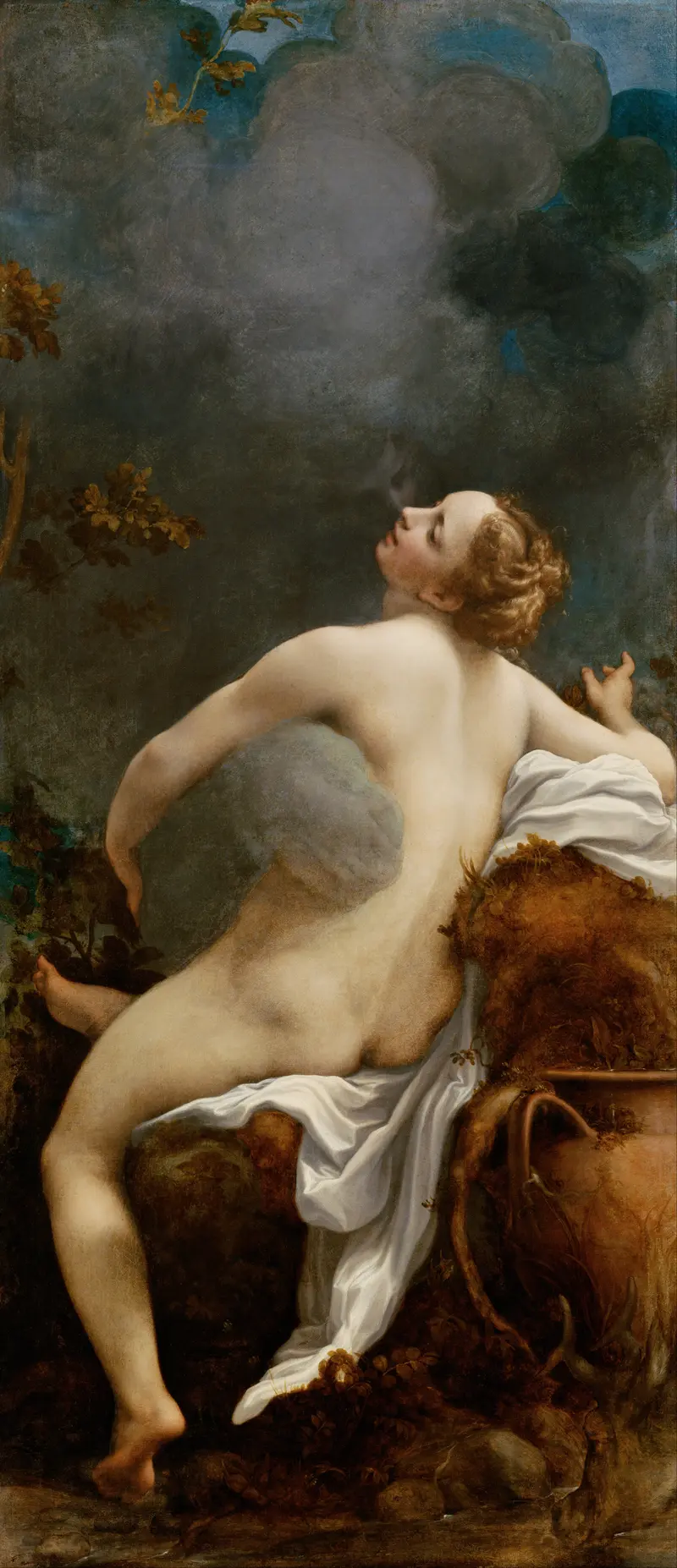
Jupiter and Io
Correggio
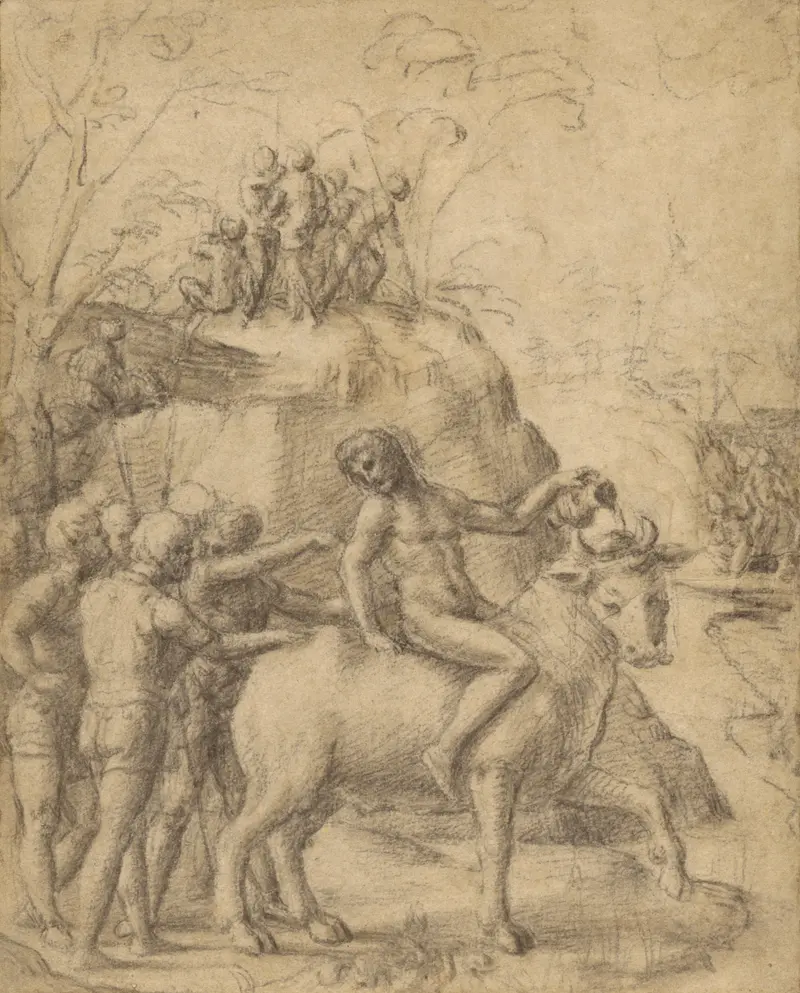
A Man Riding a Bull, and Other Figures
Correggio





