
The Holy Night — History & Facts
Few paintings have so radically reimagined the Nativity as The Holy Night by Correggio. When first unveiled in the early 16th century, viewers were astonished by its bold use of light: the newborn Christ child himself is the source, illuminating the faces of Mary, shepherds, and angels who crowd around in adoration. This electrifying effect—painting light as divine presence—was so influential that later artists, including Rembrandt, would draw inspiration from it.
The painting’s fame spread quickly, and Giorgio Vasari himself marveled at its "miraculous" lighting. Correggio chooses the instant after Christ’s birth, when the Virgin Mary gazes in awe at her child, who lies on a bed of straw. The shepherds have just arrived, their rough hands pressed to their hearts, while angels hover overhead, their faces lit by the infant’s radiance. The entire composition spirals around the glowing child, with darkness receding at the edges—a visual metaphor for the coming of spiritual light into the world.
Unlike the static solemnity of earlier Nativities, such as those by Perugino, Correggio fills the scene with movement and intimacy, drawing the viewer into the circle of wonder. Commissioned for the church of San Prospero in Reggio Emilia, The Holy Night was soon recognized as one of Correggio’s masterpieces, marking a high point in his exploration of light and emotion. Over the centuries, the painting changed hands several times, passing through ducal and royal collections before finding a permanent home in the Gemäldegalerie Alte Meister in Dresden. Its journey reflects both the shifting tastes of collectors and the enduring fascination with Correggio’s vision.
Today, it stands as a testament to the artist’s ability to transform a familiar story into something immediate and alive.
More Artworks by Correggio
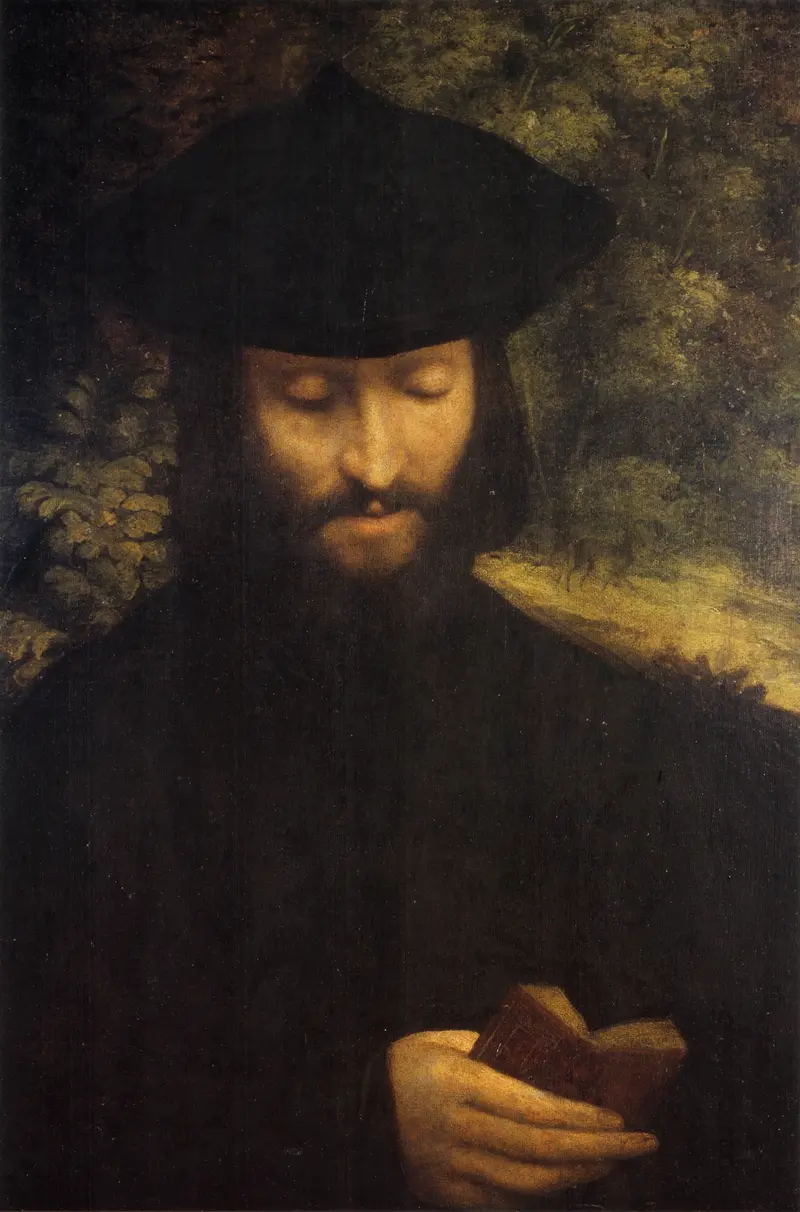
Portrait of a Man with a Book
Correggio

Holy Family with the Infant St. John
Correggio
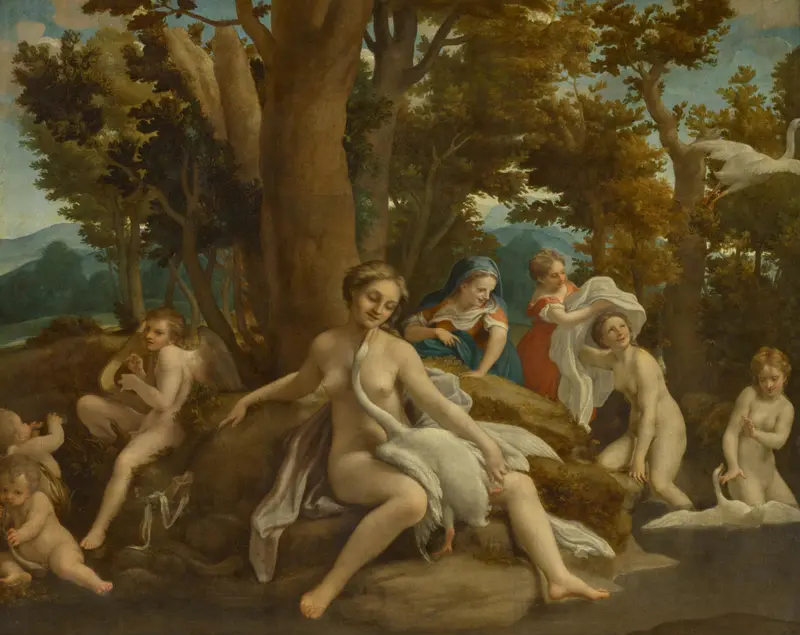
Leda and the Swan
Correggio

Madonna and Child with the Infant Saint John the Baptist
Correggio
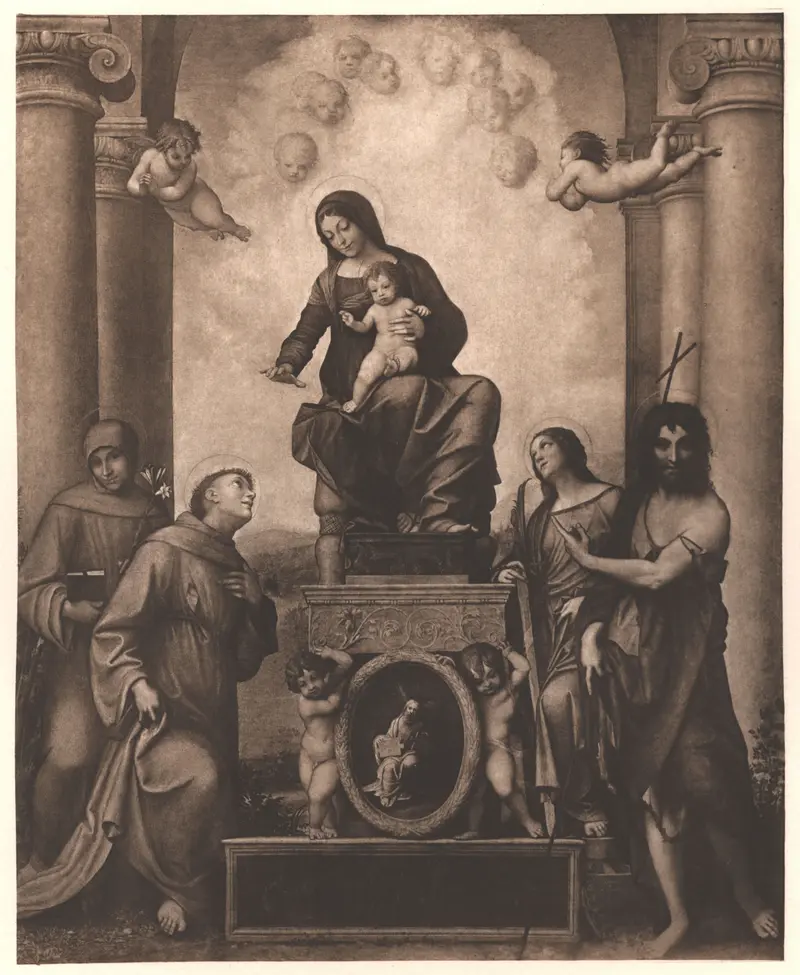
Madonna with St. Francis
Correggio
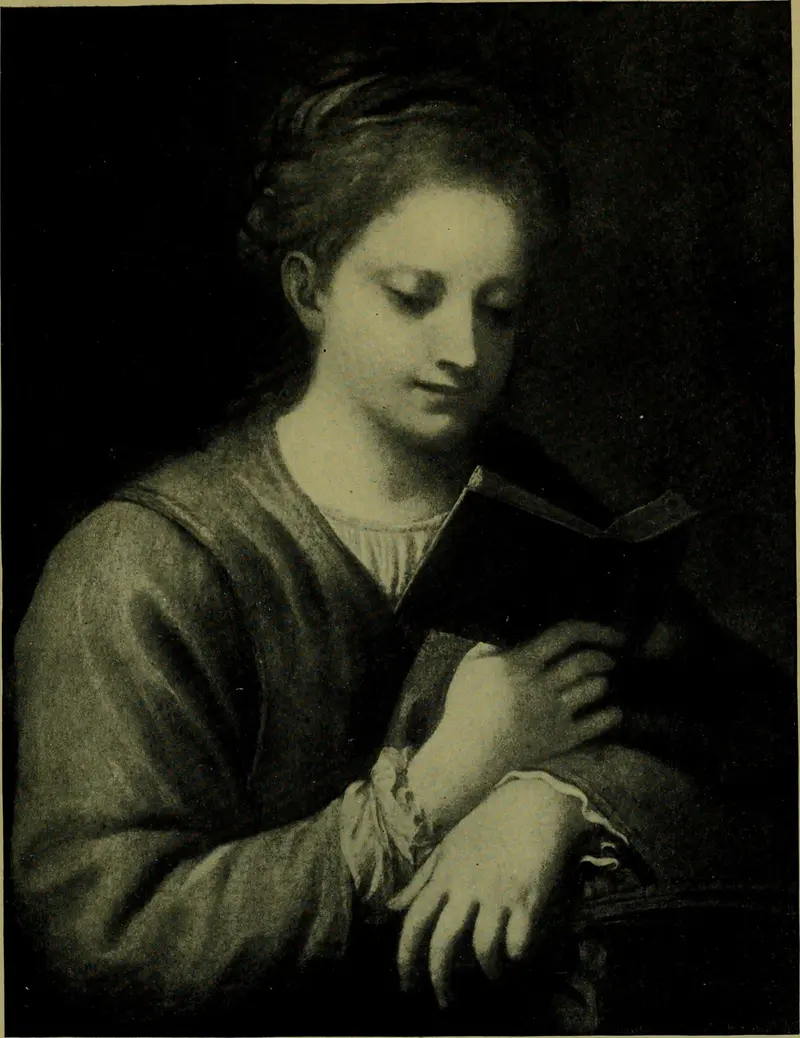
Saint Catherine Reading
Correggio
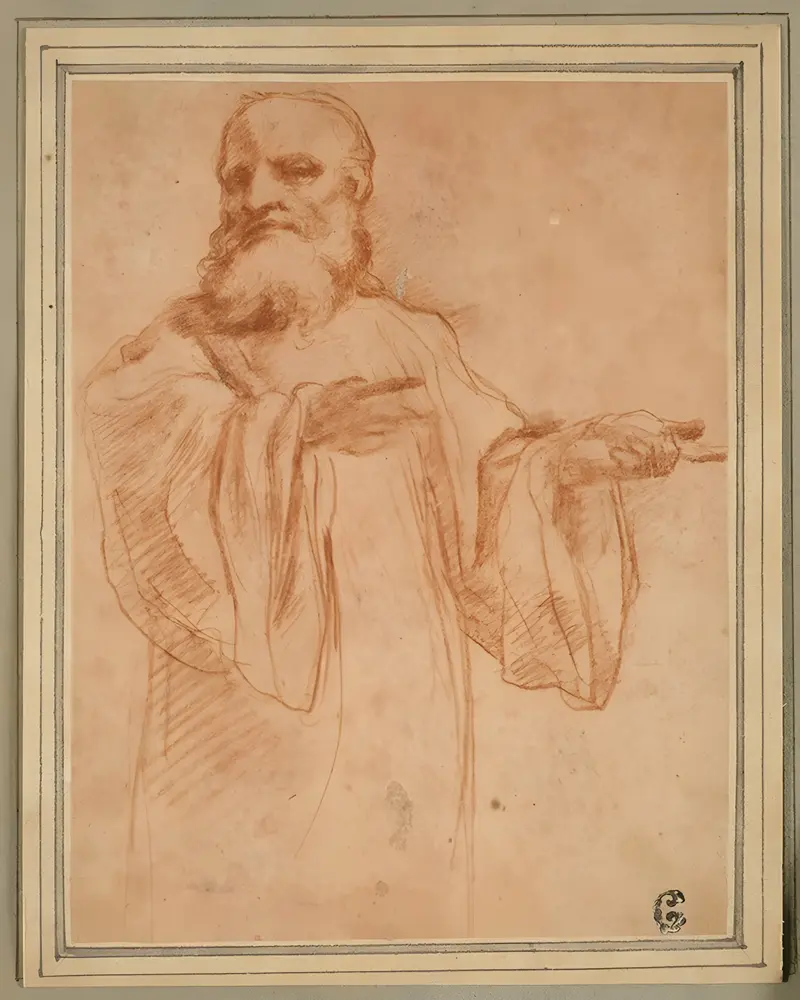
St. Benedict Gesturing to the Left; Study for the Coronation of the Virgin
Correggio
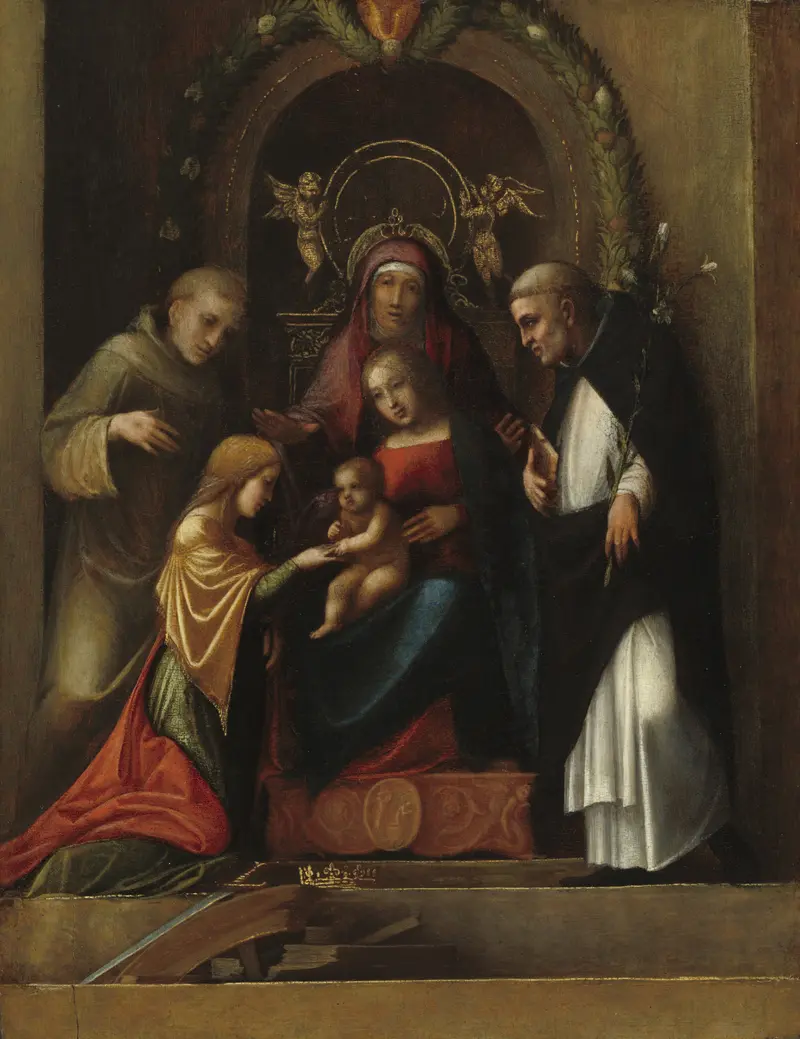
The Mystic Marriage of Saint Catherine
Correggio
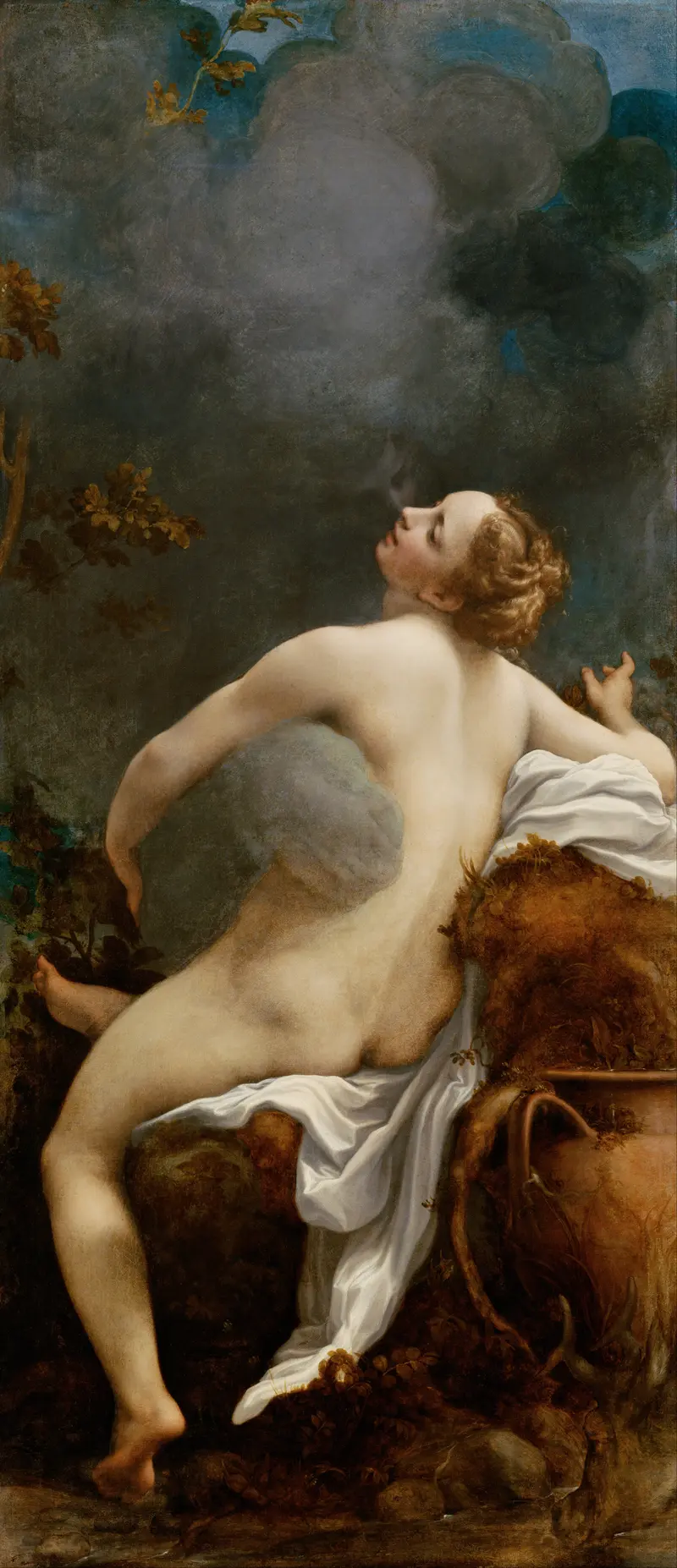
Jupiter and Io
Correggio
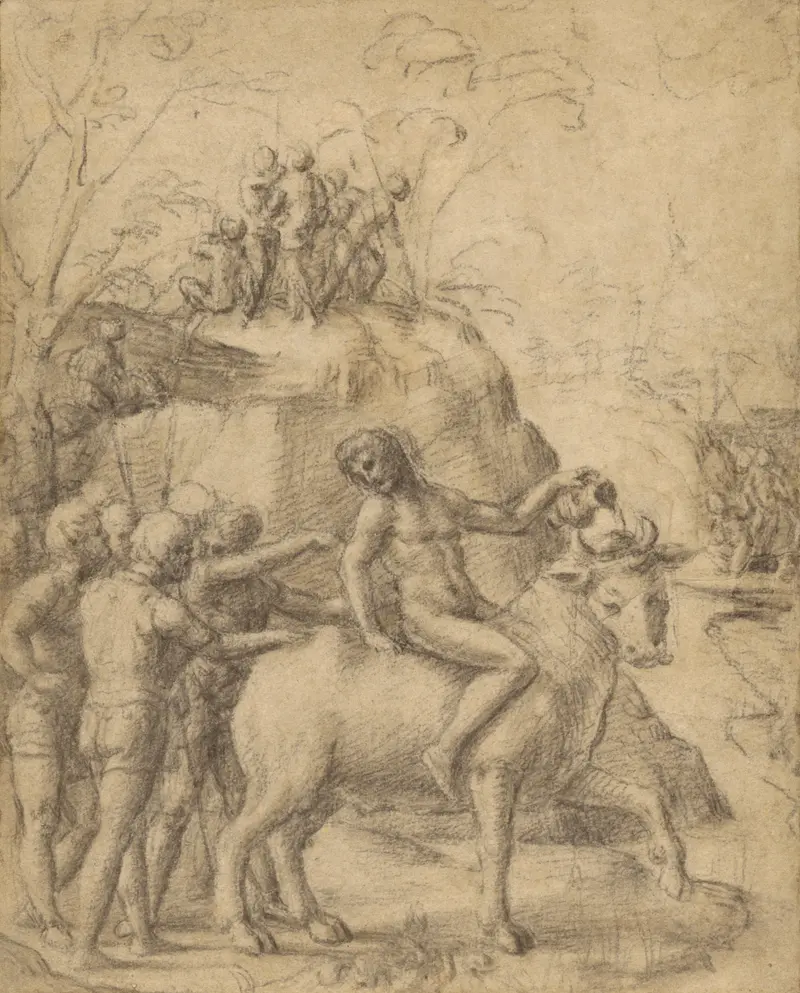
A Man Riding a Bull, and Other Figures
Correggio





