
St. Benedict Gesturing to the Left; Study for the Coronation of the Virgin — History & Facts
Few sketches have sparked as much curiosity among art historians as St. Benedict Gesturing to the Left; Study for the Coronation of the Virgin by Correggio. This drawing is believed to be a preparatory work for a now-lost or never-executed altarpiece, a tantalizing glimpse into the artist’s process rather than a finished composition.
The uncertainty surrounding its intended final form has led to lively debate: was this study meant for a grand commission, or did it remain a private exploration in Correggio’s studio? Its survival offers a rare window into the early stages of invention by one of the High Renaissance’s most inventive painters. In this study, Correggio captures St. Benedict at a moment of gentle authority, his right hand raised and gesturing to the left as if guiding the viewer’s attention toward an unseen event—perhaps the coronation of the Virgin itself, which would have been the focus of the completed altarpiece. The saint’s gesture is not just directional but symbolic, embodying the Benedictine ideals of humility and obedience.
His habit, rendered in swift, searching lines, anchors him in the monastic tradition, while the light falling across his figure hints at divine presence. Unlike the more theatrical depictions by Raphael or Perugino, Correggio’s Benedict is intimate and human, a spiritual leader engaged in the unfolding mystery rather than dominating it. The physical history of this study is as enigmatic as its subject. The drawing’s medium and exact date remain uncertain, though scholars generally place it among Correggio’s early works, possibly from his Parma period.
It has passed through the hands of collectors who prized it as a rare insight into the artist’s working method, and today it is preserved in a major museum collection. While the finished Coronation of the Virgin for which this was intended may never have materialized, the study stands as a testament to Correggio’s ability to capture spiritual drama in even the most preliminary lines. Its place in his oeuvre is a reminder of the many lost projects that still shape our understanding of Renaissance art.
More Artworks by Correggio
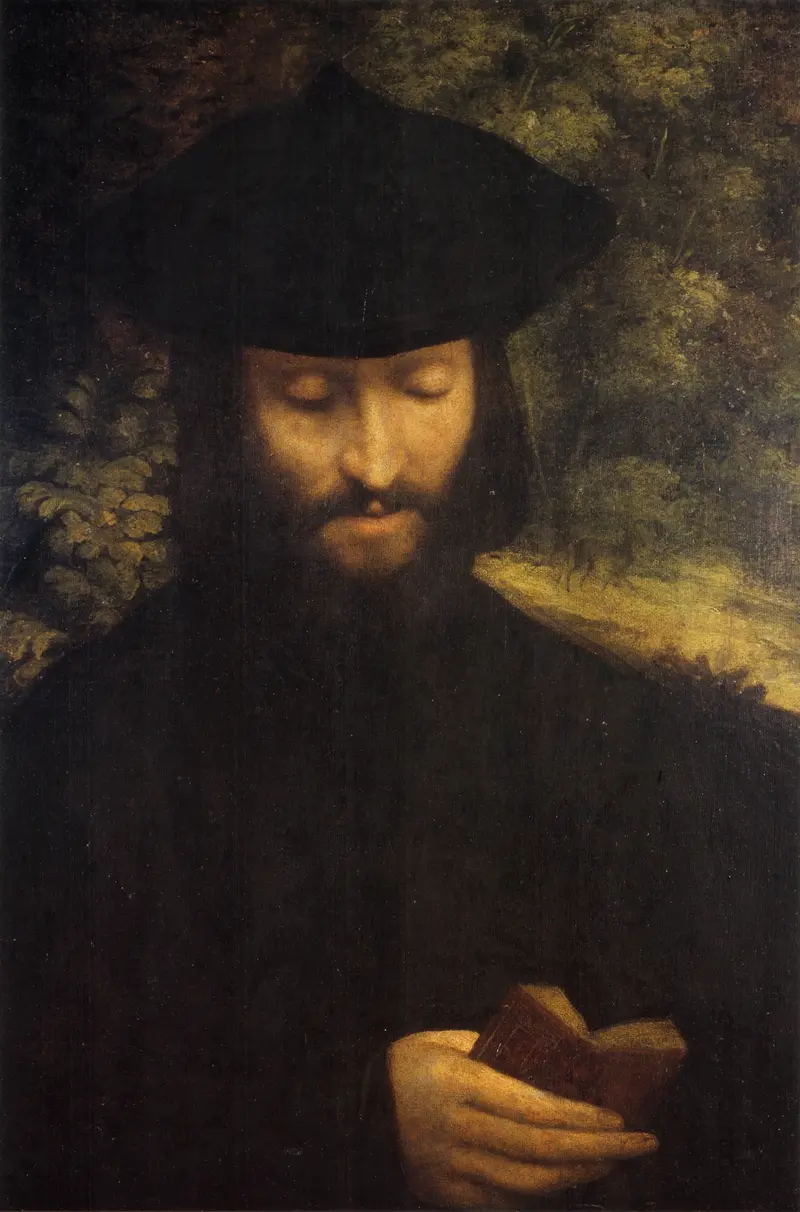
Portrait of a Man with a Book
Correggio

Holy Family with the Infant St. John
Correggio
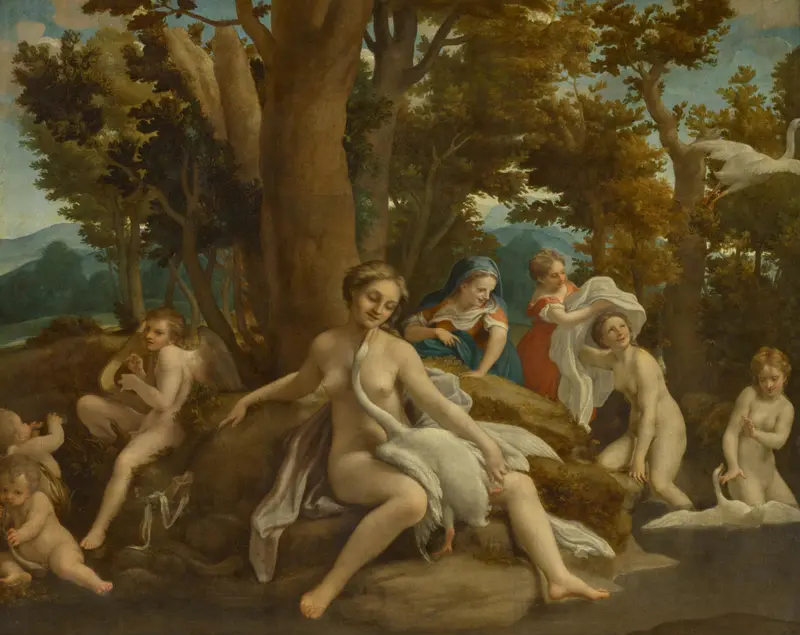
Leda and the Swan
Correggio

Madonna and Child with the Infant Saint John the Baptist
Correggio
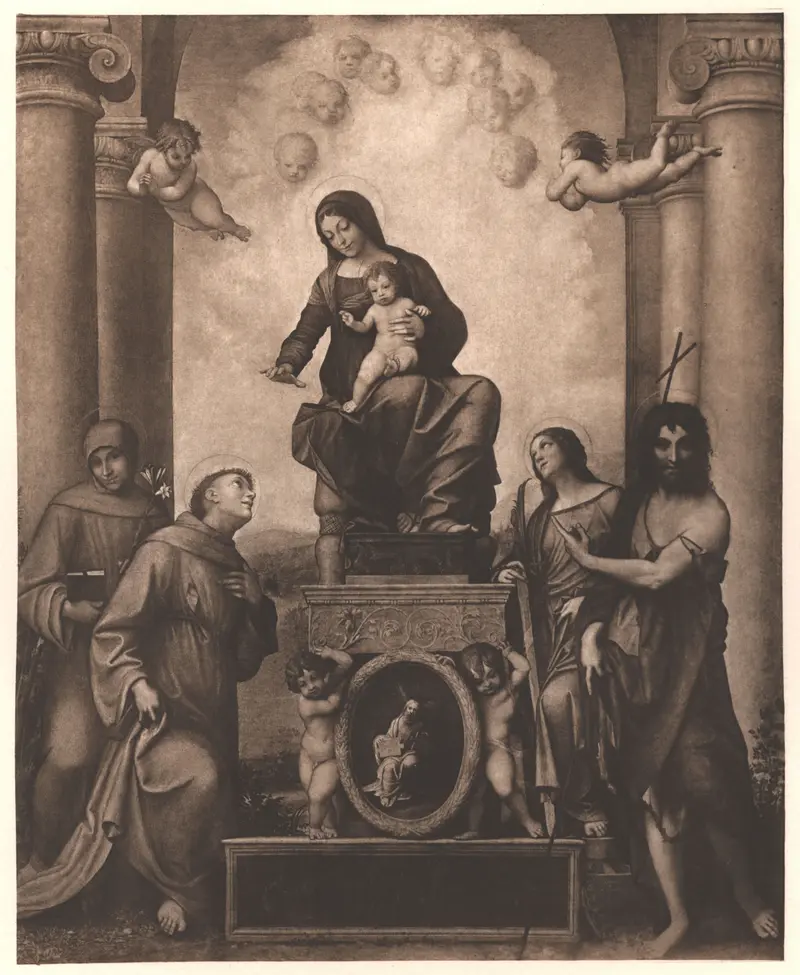
Madonna with St. Francis
Correggio
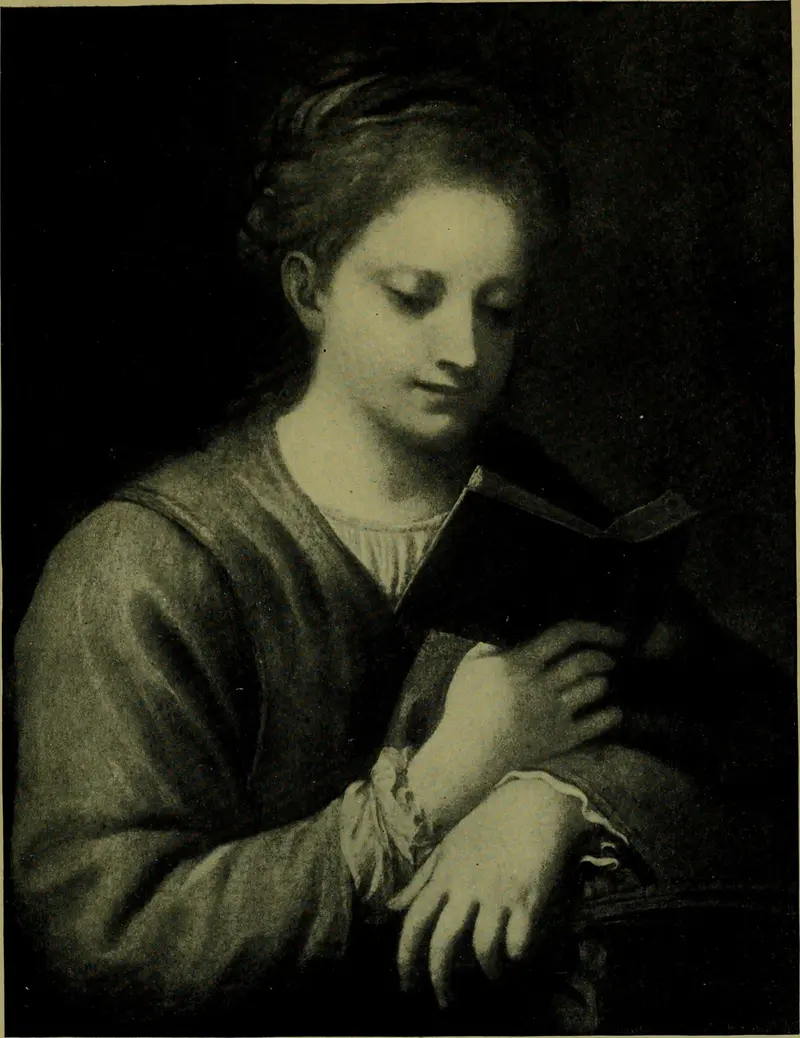
Saint Catherine Reading
Correggio

The Holy Night
Correggio
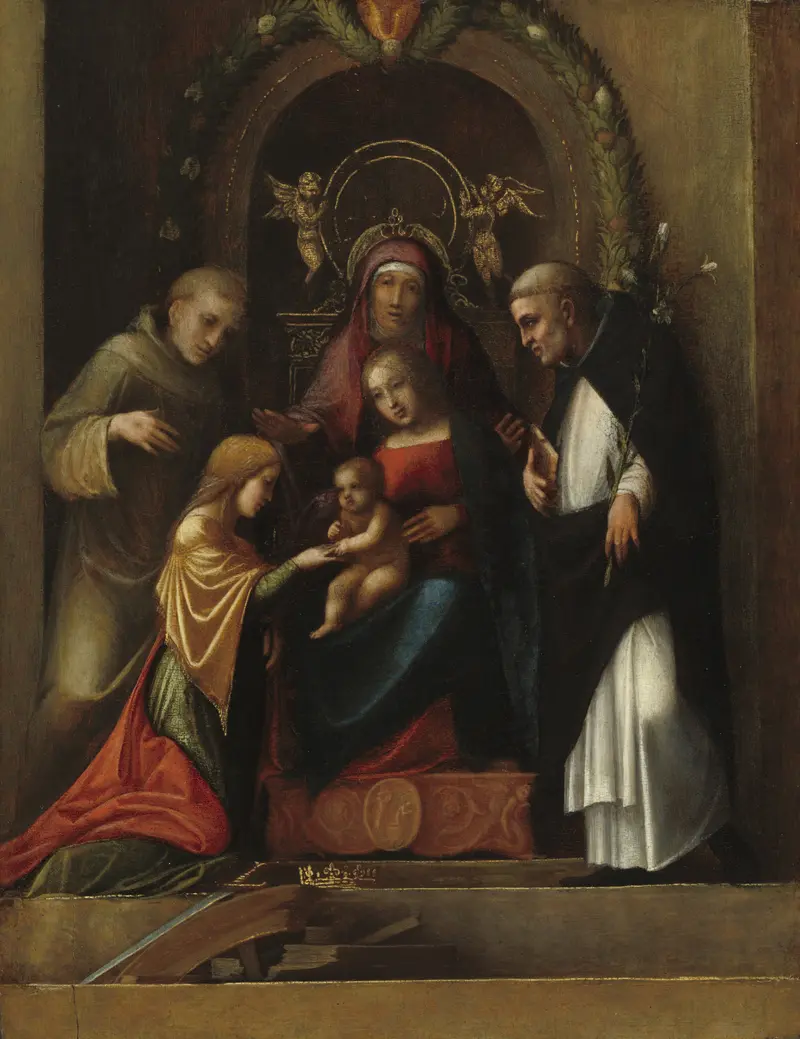
The Mystic Marriage of Saint Catherine
Correggio
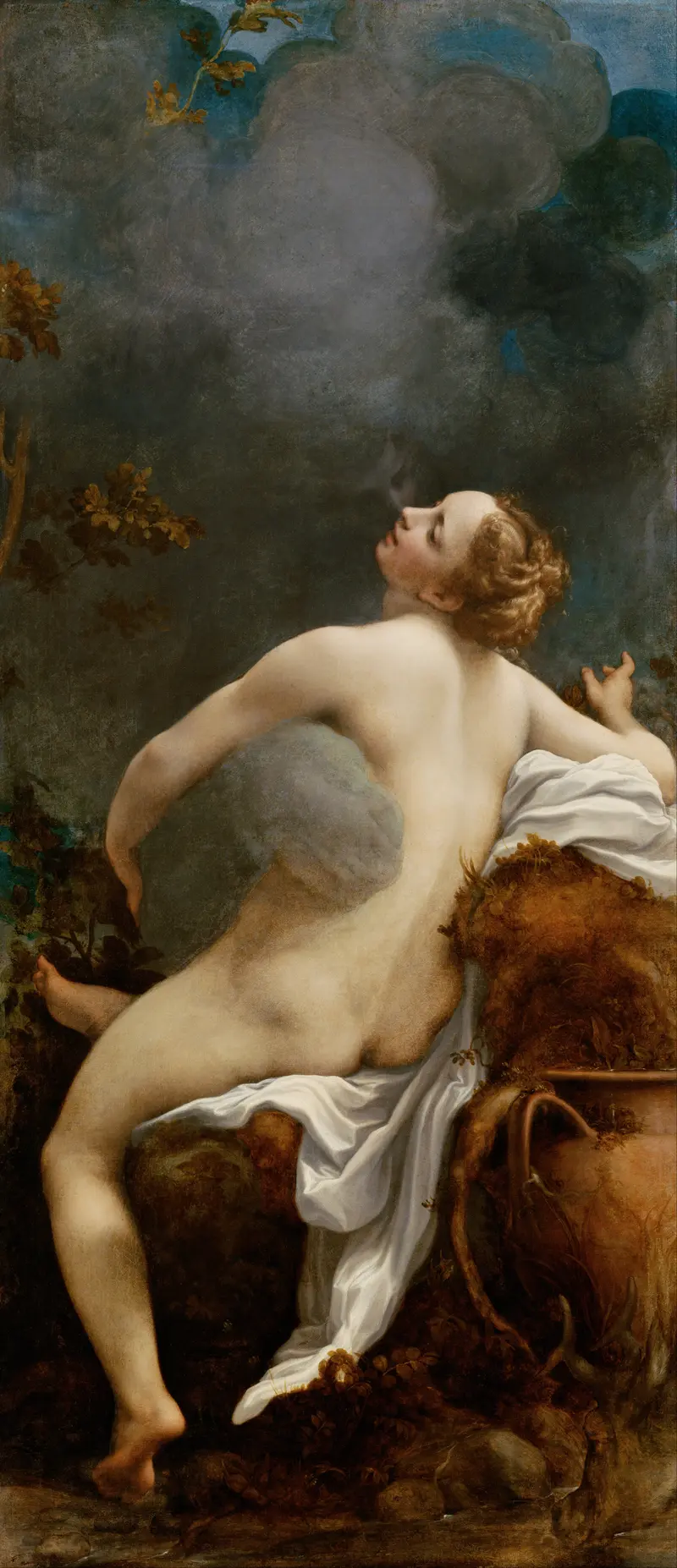
Jupiter and Io
Correggio
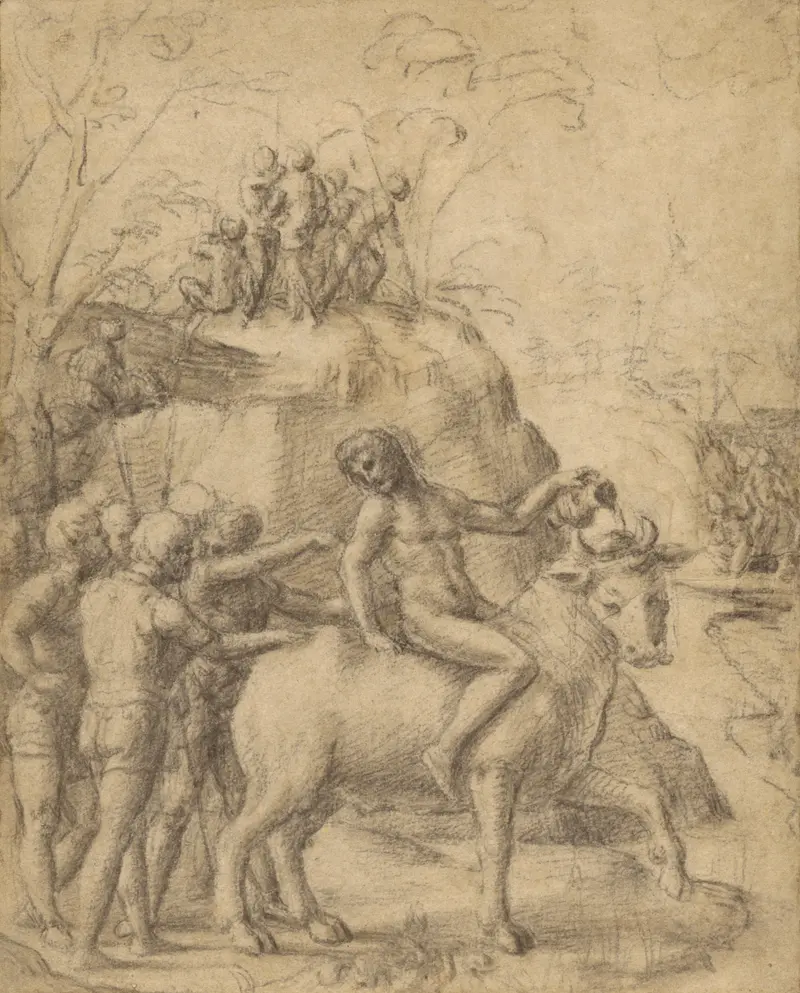
A Man Riding a Bull, and Other Figures
Correggio





