
Madonna and Child with the Infant Saint John the Baptist — History & Facts
No one knows exactly for whom Madonna and Child with the Infant Saint John the Baptist was painted, nor when, but its gentle intimacy has led scholars to wonder if it was created for private devotion rather than a public altar. The painting’s uncertain origins have fueled debate for centuries, with some attributing it to the early years of Correggio’s career, when he was experimenting with new ways to express tenderness and light. The lack of documentation has not diminished its reputation; instead, the mystery has become part of its allure, drawing viewers into the quiet world it depicts. At the center of the scene, the Virgin Mary sits quietly, holding the Christ Child on her lap while the young Saint John the Baptist approaches with a gesture of reverence and affection.
The moment is one of gentle play, as Jesus reaches toward John, who offers a small cross—an object that foreshadows Christ’s future sacrifice. The soft, almost glowing light bathes the figures, highlighting their delicate features and the subtle interaction of their gazes and hands. Unlike the solemnity found in earlier representations, such as those by Leonardo da Vinci, Correggio chooses an atmosphere of warmth and familial closeness, making the divine story feel immediate and human. The painting’s physical journey remains largely unrecorded, typical for many works from the early sixteenth century, especially those created for private patrons.
Over time, it has been attributed to Correggio based on stylistic analysis—his characteristic use of light, tender expressions, and softly modeled forms. Today, the work is celebrated as an example of the artist’s pioneering approach to religious subjects, blending sacred narrative with the intimacy of everyday life. Its place in Correggio’s oeuvre marks a turning point in the depiction of holy figures, influencing later artists who sought to bring human emotion into sacred art.
More Artworks by Correggio
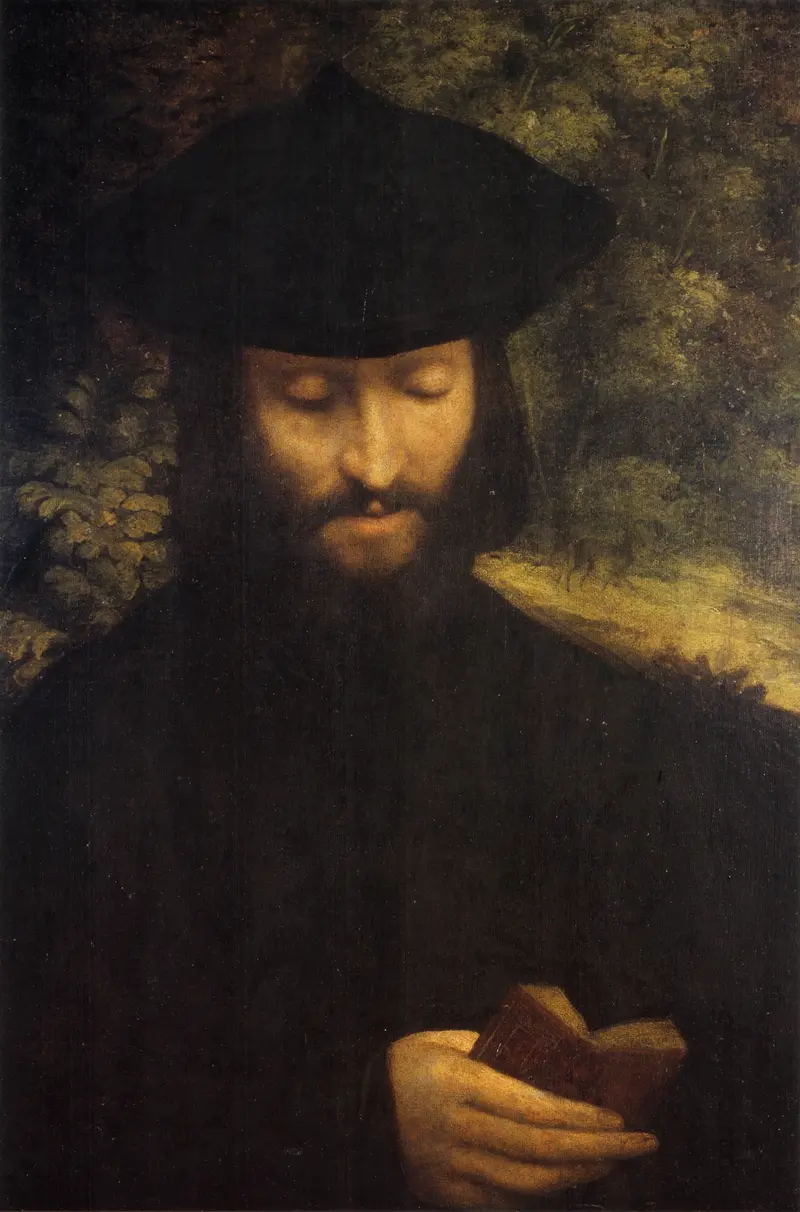
Portrait of a Man with a Book
Correggio

Holy Family with the Infant St. John
Correggio
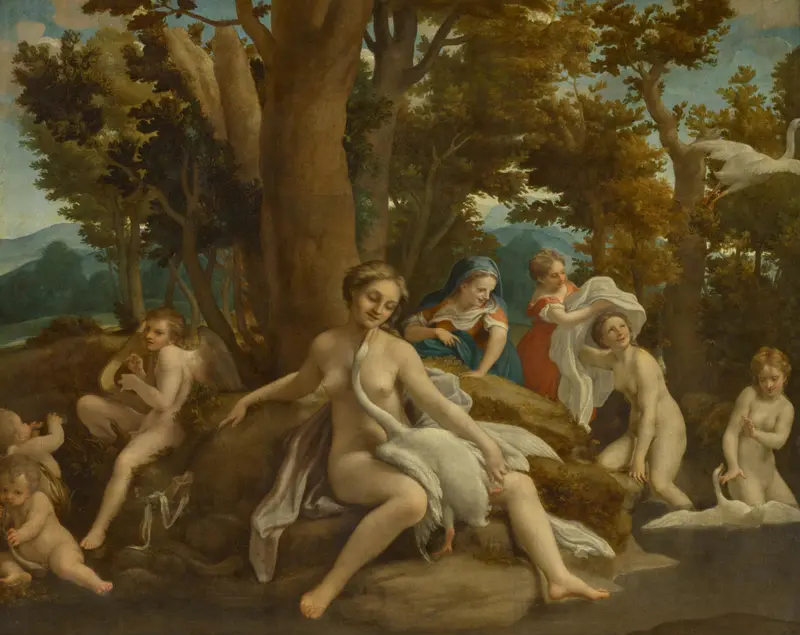
Leda and the Swan
Correggio
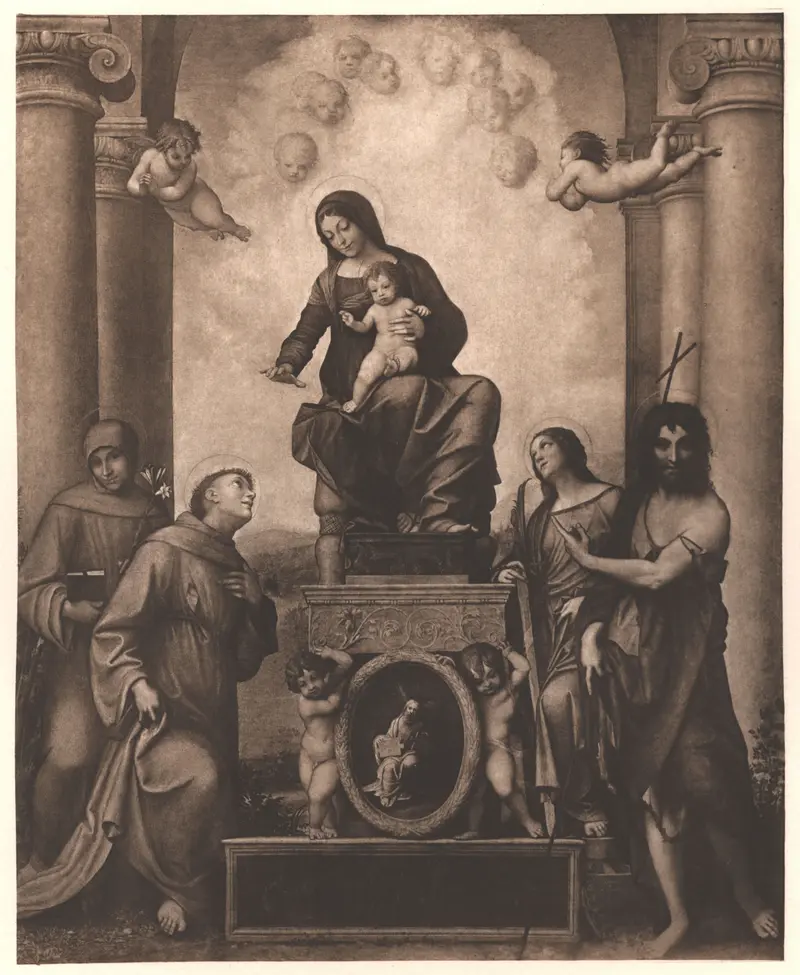
Madonna with St. Francis
Correggio
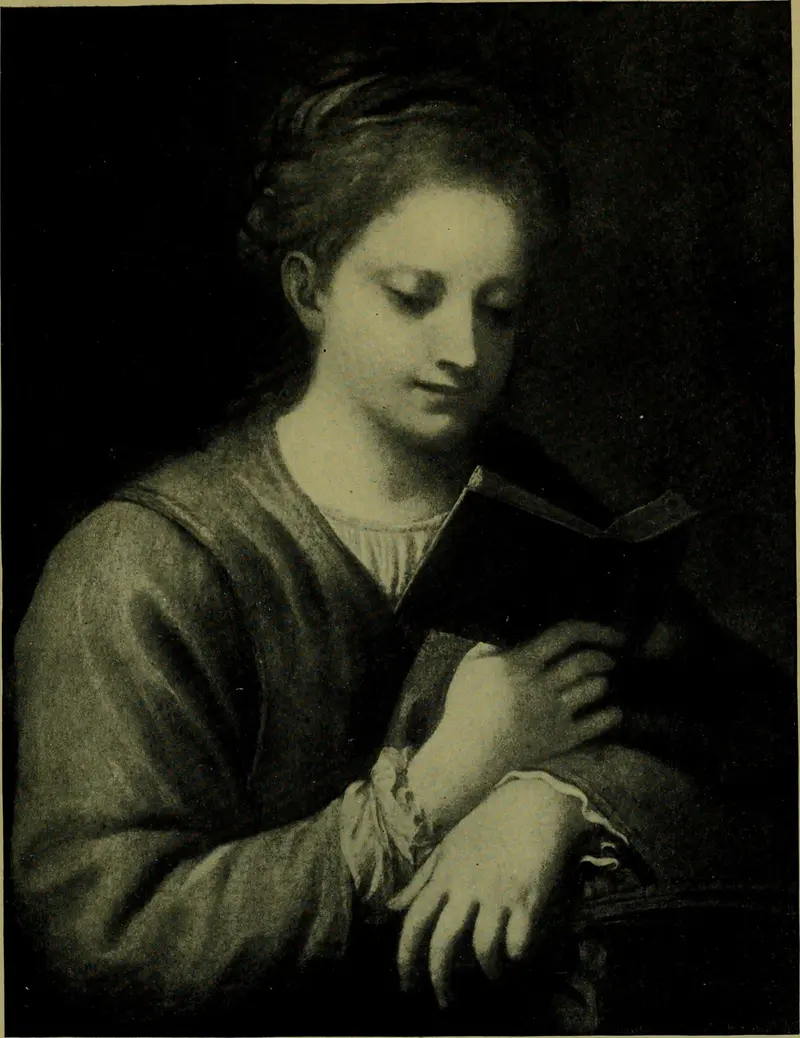
Saint Catherine Reading
Correggio

The Holy Night
Correggio
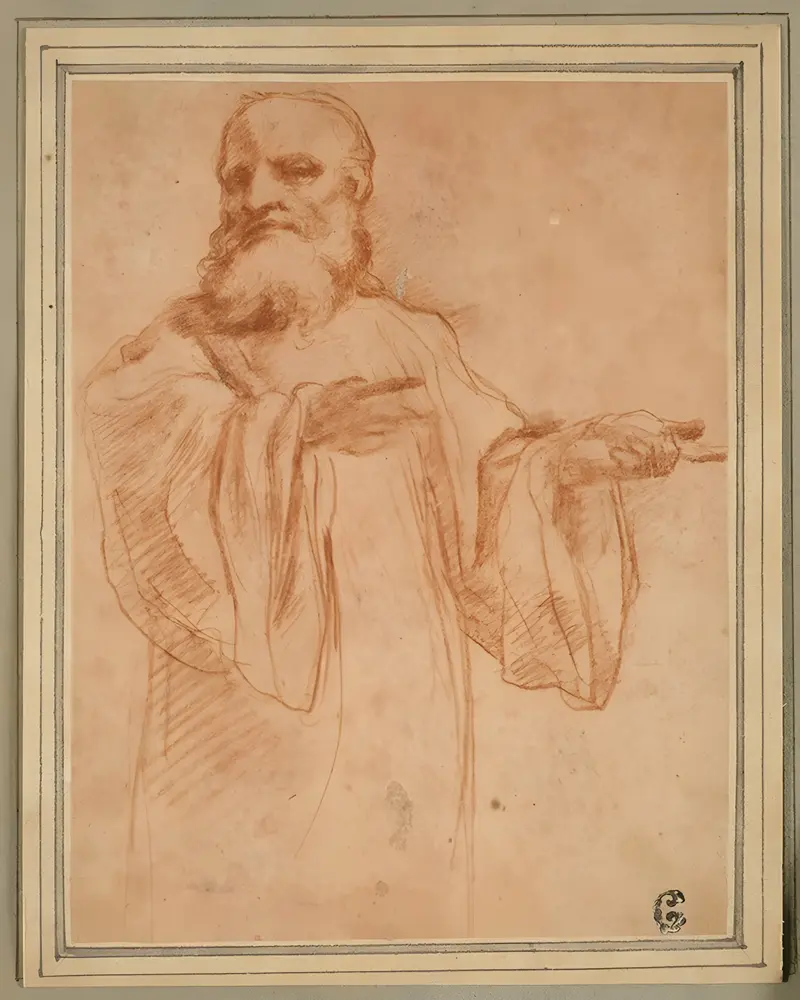
St. Benedict Gesturing to the Left; Study for the Coronation of the Virgin
Correggio
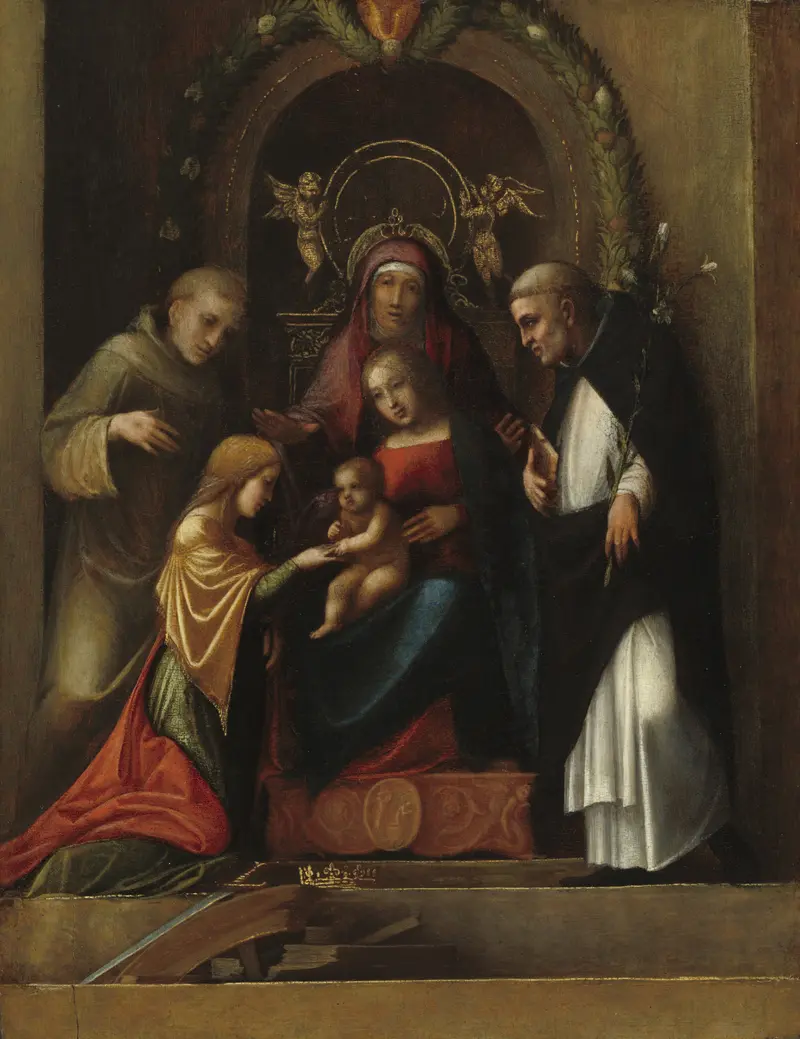
The Mystic Marriage of Saint Catherine
Correggio
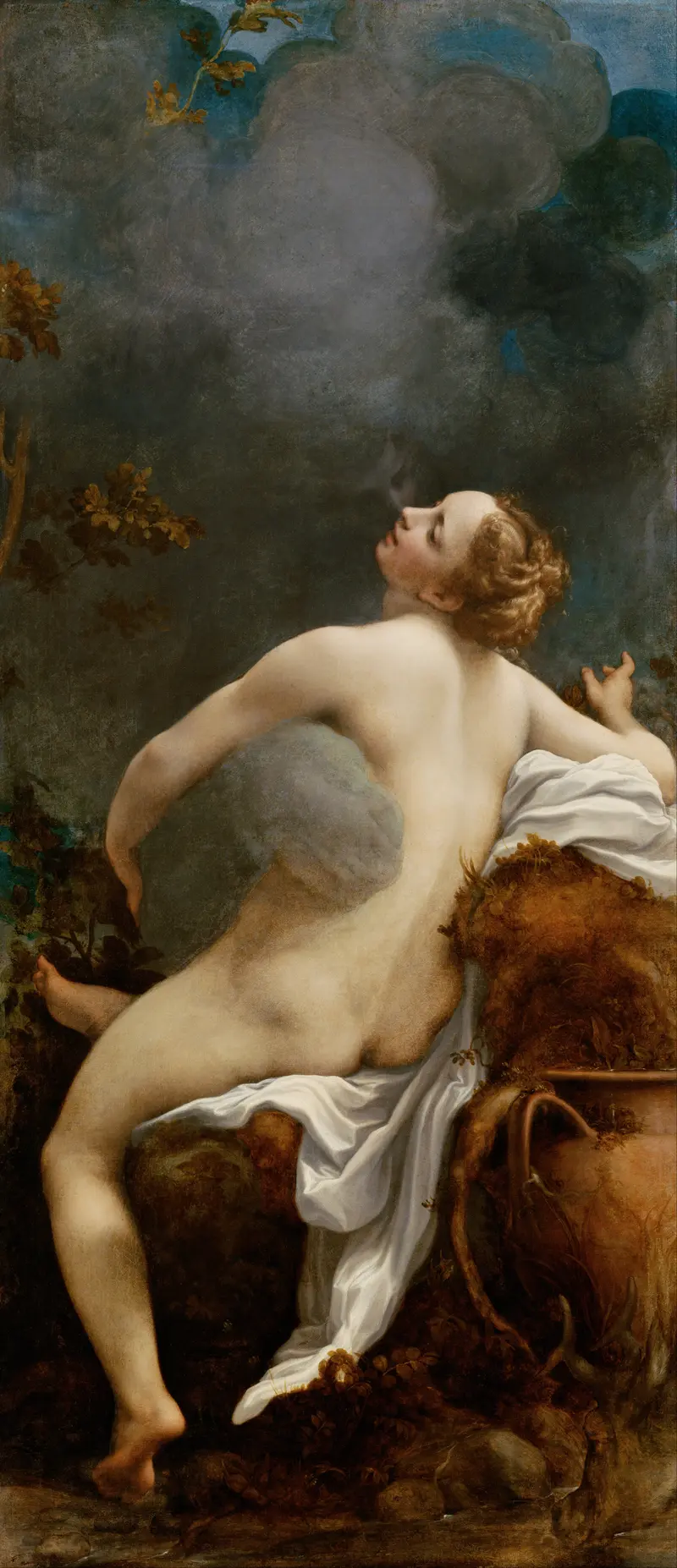
Jupiter and Io
Correggio
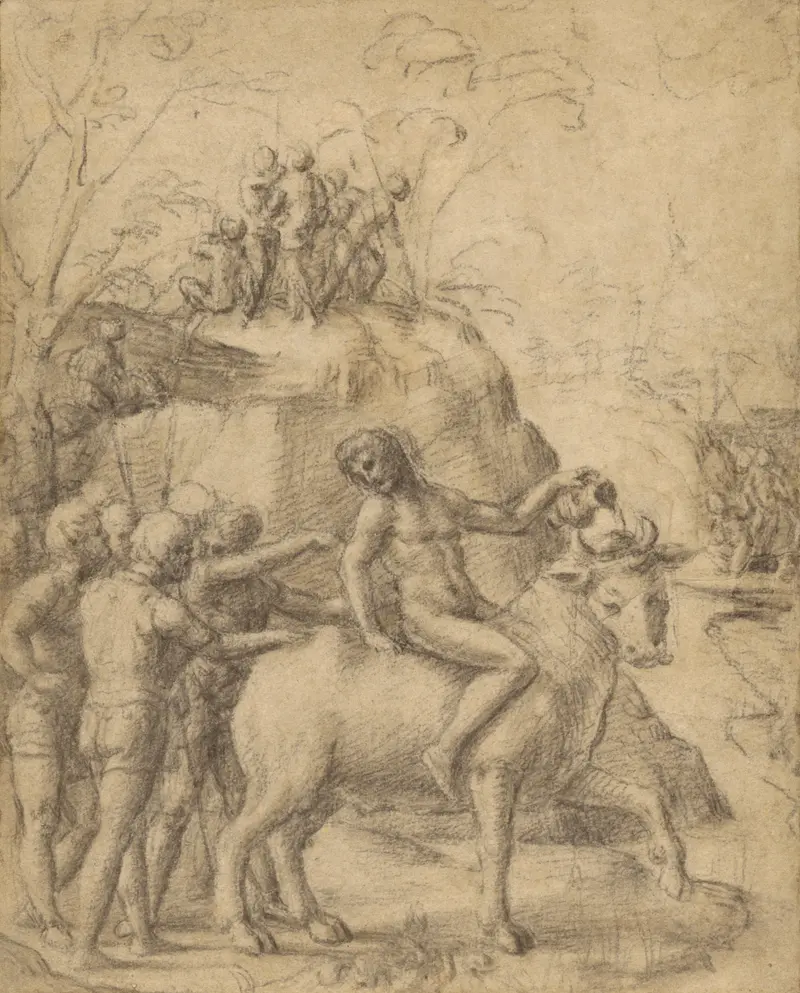
A Man Riding a Bull, and Other Figures
Correggio





